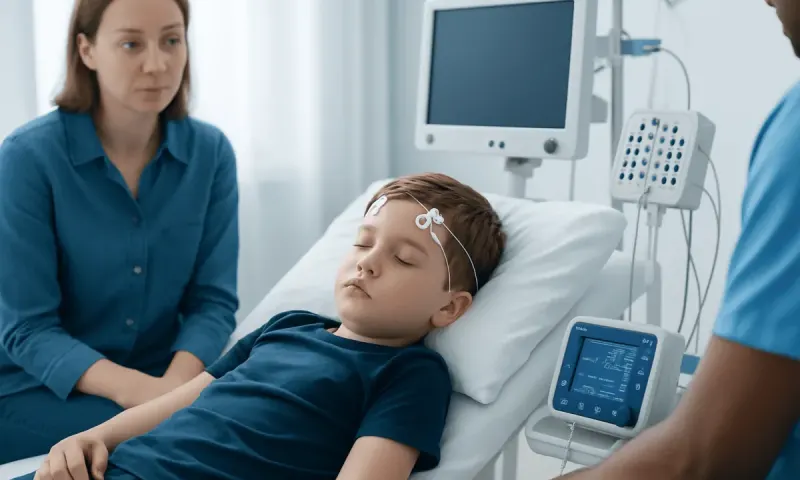
Autoimmune Encephalitis: Psychiatric Symptoms, Seizures, and Diagnosis

Autoimmune encephalitis is a treatable form of brain inflammation in which the immune system mistakenly attacks proteins in the brain. It can cause psychiatric symptoms, seizures, memory changes, movement problems, and altered consciousness, so prompt recognition and coordinated care are important.
Overview
Autoimmune encephalitis is a group of conditions in which the body’s immune system mistakenly targets the brain, causing inflammation and changes in brain function. The term “encephalitis” means inflammation of the brain. In autoimmune encephalitis, the cause is not a direct infection but an immune reaction against specific brain proteins or, in some cases, a broader inflammatory response.
The condition can affect people of any age, including children, young adults, and older adults. Some forms are associated with antibodies such as anti-NMDA receptor, LGI1, CASPR2, GABA-B receptor, or AMPA receptor antibodies. These names describe the brain proteins involved and can help guide diagnosis, treatment, and follow-up.
Autoimmune encephalitis is important because it may first look like a mental health condition, epilepsy, dementia, or an infection. A person may develop anxiety, hallucinations, agitation, confusion, memory problems, or seizures over days to weeks. Although the symptoms can be distressing, many patients improve with timely diagnosis, immunotherapy, seizure management, and rehabilitation support.
Psychiatric and Neurological Symptoms

Symptoms often develop relatively quickly compared with many chronic neurological conditions. Family members may notice that the person is “not themselves,” with sudden mood changes, unusual behavior, paranoia, hallucinations, severe insomnia, or disorganized speech. These psychiatric symptoms can be the earliest and most visible signs, especially in anti-NMDA receptor encephalitis.
Neurological symptoms may appear at the same time or shortly afterward. They can include seizures, memory loss, confusion, trouble finding words, reduced attention, abnormal movements, balance problems, weakness, or changes in vision. Some people develop autonomic symptoms such as abnormal heart rate, blood pressure changes, fever-like episodes, or breathing difficulties in more severe cases.
Common symptoms may include:
- New-onset seizures, including subtle episodes of staring, lip smacking, or confusion
- Short-term memory loss or rapid cognitive decline
- Hallucinations, delusions, agitation, or unusual behavior
- Sleep disruption, severe anxiety, or mood changes
- Abnormal movements, stiffness, tremor, or involuntary facial movements
- Reduced alertness, drowsiness, or fluctuating consciousness
Not every person has all of these symptoms. The pattern depends on the antibody type, the brain regions affected, age, medical history, and how quickly treatment begins.
Causes and Risk Factors

Autoimmune encephalitis happens when the immune system reacts against the brain or nervous system. In some patients, the immune response follows an infection, although the brain inflammation itself is autoimmune rather than caused by an active germ. In others, the immune system may be triggered by a tumor that contains nerve-like tissue, leading the body to produce antibodies that also affect the brain.
Some types have known associations. Anti-NMDA receptor encephalitis can be linked to ovarian teratomas, particularly in young women, but it also occurs in men, children, and people without any tumor. LGI1 antibody encephalitis is more common in older adults and may cause brief, frequent seizures affecting the face or arm. Other antibody types may be associated with lung, thymus, breast, ovarian, or testicular tumors, depending on the clinical picture.
Risk factors are not always identifiable. Having autoimmune disease in the patient or family may raise suspicion, but many people have no previous autoimmune diagnosis. Because symptoms overlap with infections, metabolic problems, toxic exposures, epilepsy, and psychiatric disorders, doctors usually evaluate a wide range of possible causes before confirming autoimmune encephalitis.
How Autoimmune Encephalitis Is Diagnosed
Diagnosis starts with a careful medical history and neurological examination. Doctors ask when symptoms began, how fast they progressed, whether seizures occurred, which medicines or substances were used, and whether there were recent infections, cancers, or autoimmune conditions. Information from family or caregivers is often essential because the patient may be confused or unable to describe symptoms clearly.
Several tests may be used together. Brain MRI can show inflammation in areas such as the temporal lobes, although it may be normal early in the condition. EEG records brain electrical activity and can help detect seizures or abnormal slowing. Lumbar puncture allows testing of cerebrospinal fluid for inflammation, infection, and autoimmune antibodies. Blood tests may look for antibodies, inflammation, metabolic problems, infections, and organ function before treatment.
Antibody testing can be very helpful, but a negative antibody result does not always rule out autoimmune encephalitis. Some patients have “seronegative” autoimmune encephalitis, meaning no known antibody is detected despite a convincing clinical pattern. In these cases, diagnosis relies on the combination of symptoms, examination, MRI, EEG, spinal fluid results, exclusion of other conditions, and response to treatment.
Specialist input may include neuroimmunology assessment for immune-mediated neurological disease, neuroradiology review of MRI findings, and neurophysiology testing such as EEG. This multidisciplinary approach helps separate autoimmune encephalitis from infections, primary psychiatric illness, stroke, toxic-metabolic problems, and other neurological disorders.
Treatment Options
Treatment aims to reduce brain inflammation, control seizures and other symptoms, and address any underlying trigger. First-line immunotherapy often includes corticosteroids, intravenous immunoglobulin, or plasma exchange, depending on the patient’s condition and the treating team’s judgment. If symptoms are severe or do not improve enough, second-line immune treatments may be considered by specialists.
Seizure management is a key part of care. Antiseizure medicines may be used while the inflammation is active, and EEG monitoring may be needed if there is concern for ongoing seizures that are not obvious from the outside. Agitation, insomnia, mood symptoms, or hallucinations may require careful short-term psychiatric and neurological management, with attention to avoiding unnecessary sedation when possible.
If a tumor is found and thought to be related, treating or removing it can be important for recovery and reducing relapse risk. Tumor screening may include ultrasound, CT, MRI, PET imaging, or other tests selected by the care team based on age, sex, antibody type, and symptoms. Not every patient has a tumor, and the absence of a tumor does not make the diagnosis less valid.
Recovery can take weeks to months, and sometimes longer. Rehabilitation may include physical therapy, occupational therapy, speech therapy, cognitive rehabilitation, and neuropsychiatric support for mood, behavior, and memory changes. Follow-up visits monitor relapse risk, medication side effects, seizure control, and the patient’s return to school, work, and daily life.
Recovery, Prevention, and Self-care
There is no guaranteed way to prevent autoimmune encephalitis, but early recognition and consistent follow-up can reduce complications and support recovery. Patients and families should keep a record of symptoms, seizures, medicines, test results, and changes in behavior or memory. This information helps doctors adjust treatment and distinguish recovery fluctuations from relapse.
Self-care during recovery focuses on safety, structure, and gradual rebuilding of stamina. Adequate sleep, regular meals, hydration, and avoiding alcohol or recreational drugs are generally recommended, especially when seizures have occurred. Patients should not drive, swim alone, work at heights, or operate dangerous machinery until their doctor confirms it is safe according to local regulations and seizure guidance.
Families often play an important role because the patient may lack insight into cognitive or behavioral symptoms. Calm routines, reduced overstimulation, medication reminders, and clear communication can help. Emotional support is also important: recovery can be uneven, and frustration, anxiety, or fatigue are common after serious brain inflammation.
At Acıbadem Health Point, multidisciplinary specialists in JCI-accredited hospitals evaluate and treat autoimmune encephalitis for international patients, including neurological, imaging, intensive care, rehabilitation, and psychiatric support when needed. Care decisions should always be individualized by a qualified medical team.
When to See a Doctor
Medical evaluation is needed promptly when a person develops sudden psychiatric symptoms together with neurological signs such as seizures, confusion, memory loss, abnormal movements, speech problems, or reduced alertness. These symptoms can have several possible causes, including infections or metabolic problems, so early assessment helps doctors identify urgent and treatable conditions.
Emergency care is appropriate if there is a first seizure, repeated seizures, difficulty breathing, severe confusion, fainting, high fever with neck stiffness, new weakness, or a major change in consciousness. A person with suspected encephalitis should not be left alone if they are confused, highly agitated, or at risk of seizures or injury.
Patients already diagnosed with autoimmune encephalitis should contact their doctor if symptoms return or worsen, including new seizures, increasing confusion, new hallucinations, worsening sleep disruption, or a decline in memory or function. Relapse can occur in some forms, and early treatment adjustments may improve control of inflammation.
Frequently asked questions
01Is autoimmune encephalitis a psychiatric illness?
Autoimmune encephalitis is a neurological immune-mediated condition that can cause psychiatric symptoms. Hallucinations, agitation, anxiety, paranoia, or mood changes may appear early, which is why it can be mistaken for a primary psychiatric disorder. The presence of seizures, confusion, memory loss, abnormal movements, or reduced alertness should prompt neurological evaluation.
02Can autoimmune encephalitis cause seizures?
Yes. Seizures are common in many forms of autoimmune encephalitis and may range from obvious convulsions to brief staring spells, confusion, or subtle movements. EEG testing can help identify seizure activity, including seizures that are not easily visible. Treatment usually combines seizure control with therapy aimed at reducing inflammation.
03How is autoimmune encephalitis confirmed?
There is no single test that confirms every case. Doctors usually combine symptoms, neurological examination, MRI, EEG, spinal fluid testing, blood tests, antibody testing, and exclusion of infections or other causes. Some patients have negative antibody tests but still meet clinical criteria for autoimmune encephalitis.
04Is autoimmune encephalitis treatable?
Many cases are treatable, especially when recognized early. Treatment may include immunotherapy, seizure medicines, supportive care, tumor treatment if relevant, and rehabilitation. Recovery can be gradual, and follow-up is important to monitor relapse risk and cognitive or emotional changes.
05Does autoimmune encephalitis always show on MRI?
No. MRI may show inflammation in certain brain areas, but it can be normal, especially early in the illness or in some antibody types. A normal MRI does not automatically rule out autoimmune encephalitis. EEG, spinal fluid results, antibody tests, and the clinical pattern remain important.
06Can children get autoimmune encephalitis?
Yes, children can develop autoimmune encephalitis. In children, symptoms may include seizures, sudden behavioral change, irritability, sleep problems, movement disorders, speech regression, or reduced school performance. <a href="https://www.acibademhealthpoint.com/blog/pediatric-neurology-evaluation-what-parents-can-expect-at-the-first-visit/" title="Pediatric Neurology Evaluation: What Parents Can Expect at the First Visit" class="ahp-ilk">Pediatric neurology evaluation is important because symptoms can overlap with infections, epilepsy, and developmental or psychiatric conditions.
07What should families watch for during recovery?
Families should monitor seizures, memory, sleep, mood, behavior, medication side effects, and changes in daily function. Any return of confusion, hallucinations, new seizures, or significant decline should be discussed with the treating doctor promptly. Keeping a symptom diary can make follow-up visits more useful.
This article is for general information only and is not a substitute for professional medical advice. Please consult a qualified doctor about your individual situation.
Explore treatments in Turkey — costs, top hospitals & a free quote
JCI-accredited · board-certified surgeons · reply within 24h
Add us as a Preferred Source to see more of our trusted health content across Google Search, AI Overviews and Discover.