

What Is Obstruction of Kidney? A Complete Medical Guide
- 9 min read
- Published November 27, 2026
Key Takeaways
- Obstruction of kidney usually means urine is backing up because something is blocking normal drainage.
- Common causes include kidney stones, scarring, enlarged prostate, strictures, pregnancy-related pressure, and tumors.
- Symptoms can range from severe flank pain and nausea to few or no symptoms in slow-developing cases.
- Diagnosis often uses urine tests, blood tests, and imaging such as ultrasound or CT scans.
- Treatment focuses on relieving the blockage, treating infection if present, and protecting kidney function.
- Prompt medical evaluation is important if there is fever, severe pain, vomiting, blood in the urine, or reduced urine output.
Obstruction of kidney means urine cannot drain normally from the kidney, which can cause swelling, pain, infection, and—if untreated—damage to kidney function. It may happen suddenly or develop gradually, and treatment depends on the cause and how much the urinary flow is blocked.
Overview
An obstruction of kidney means that urine is not flowing out of the kidney in the normal way. The blockage is usually somewhere in the urinary drainage pathway, such as the ureter, bladder outlet, or urethra, and the kidney begins to swell as urine backs up. This swelling is often called hydronephrosis.
The condition matters because kidneys are constantly filtering waste and balancing fluids. When drainage is interrupted, pressure can build inside the kidney and gradually reduce how well it works. Some obstructions are short-lived and easy to correct; others need urgent treatment to prevent lasting injury.
For international patients, this diagnosis often begins with an unexpected scan, a painful emergency visit, or a routine test that shows the kidney is enlarged. The next step is not just confirming the blockage, but understanding why it happened and how quickly it needs to be relieved.
Symptoms and Signs
Symptoms depend on how fast the blockage develops and whether one or both kidneys are involved. A sudden obstruction, such as from a kidney stone, may cause intense flank or back pain that comes in waves and may spread toward the groin. Nausea, vomiting, and restlessness are also common.
When the obstruction develops slowly, symptoms may be much quieter. Some people notice only dull pressure, changes in urination, repeated urinary tract infections, or blood in the urine. In some cases, there may be no obvious symptoms until imaging is done for another reason.
- Flank, side, or lower back pain
- Painful urination or urinary urgency
- Blood in the urine
- Fever or chills if infection is present
- Reduced urine output, especially with more severe blockage
Because symptoms can overlap with many other urinary problems, medical assessment is important rather than trying to guess the cause from pain alone.
Causes and Risk Factors

The most common cause of kidney obstruction is a kidney stone lodged in the ureter. Stones can block urine flow completely or partially and may trigger sudden severe pain. Other frequent causes include scar tissue in the urinary tract, narrowing of the ureter, blood clots, and an enlarged prostate that prevents urine from leaving the bladder normally.
Kidney obstruction can also result from external pressure on the urinary tract. This may happen with pregnancy, pelvic masses, certain cancers, or swelling from inflammation. In children, structural differences present from birth can sometimes interfere with drainage.
Risk is higher in people with a history of stones, recurrent infections, prostate enlargement, prior urinary surgery, certain cancers, or congenital urinary tract differences. Dehydration and some metabolic conditions can also make stone formation more likely, which indirectly raises the chance of obstruction.
How Doctors Diagnose It
Diagnosis usually begins with a history and physical examination, focusing on pain pattern, urinary symptoms, fever, and any prior stone or prostate problems. A doctor may ask whether the patient has had recent surgery, pregnancy, cancer treatment, or repeated infections, since these details help narrow the cause.
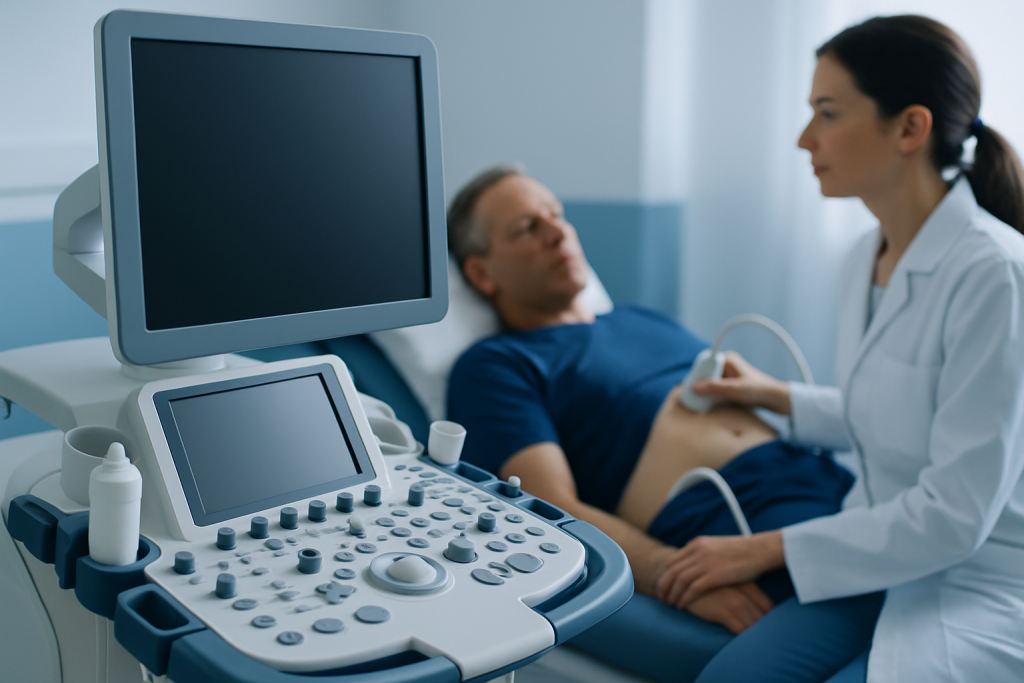
Urine tests can look for infection, blood, and crystals. Blood tests may show how well the kidneys are working and whether inflammation or infection is present. Imaging is often the most important part of the evaluation, especially ultrasound or CT scanning, because it shows where urine is backing up and whether a stone, mass, or structural narrowing is responsible.
In some situations, additional tests such as MRI, cystoscopy, or specialized contrast studies are needed. The choice depends on whether the situation is urgent, how likely a stone is, and whether the problem is thought to be inside or outside the urinary tract.
Treatment Options
Treatment aims to relieve the blockage, treat any infection, and preserve kidney function. If a stone is causing the problem, the stone may pass on its own in some cases, but larger stones or persistent blockage may need a procedure. If urine is trapped and the kidney is under pressure, a temporary drainage step may be needed before the underlying cause is fully treated.
Drainage can be done with a stent placed in the ureter or a tube inserted directly into the kidney, depending on the situation. If infection is present with obstruction, this is treated as a medical urgency because antibiotics alone may not be enough unless drainage is also restored. Other causes may require treatment of the prostate, removal of scar tissue, or care for a tumor or pelvic mass.
The exact plan depends on how much kidney function is affected, how long the obstruction has been present, and whether the blockage is complete or partial. For patients traveling from another country, it is often helpful to arrange treatment where imaging, urology, anesthesia, and follow-up care can work together without delay.
Prevention and Self-care
Not every obstruction can be prevented, especially when it is related to anatomy or other medical conditions. Still, several practical steps can lower risk in people prone to stones or urinary problems. Staying well hydrated is often useful, since concentrated urine can promote stone formation.
People with recurrent stones, prostate symptoms, or repeated urinary infections should not ignore small changes in urinary habits. Early medical review can identify a partial blockage before it becomes more serious. Following treatment plans for stone prevention, prostate care, or infection control is also important.
- Drink fluids as advised by a doctor, especially if prone to stones
- Do not delay evaluation for new urinary pain or blood in the urine
- Keep follow-up appointments after a stone or urinary procedure
- Manage known conditions such as enlarged prostate or recurrent infections
Self-care should be supportive, not a substitute for diagnosis. A person who suspects obstruction should avoid assuming it will settle on its own if symptoms are severe or urine output changes.
When to See a Doctor
Medical attention is needed if there is severe flank pain, fever, chills, vomiting, visible blood in the urine, or a noticeable drop in urine output. These can signal a significant blockage, infection, or both. Sudden pain with urinary symptoms should be assessed promptly rather than watched for several days.
Even mild or intermittent symptoms deserve attention if they keep returning, especially in someone with a history of stones, prostate enlargement, cancer, urinary surgery, or congenital urinary tract issues. An obstruction that develops slowly can still damage the kidney over time without causing dramatic pain.
If treatment is being planned from abroad, the key is to choose a team that can confirm the diagnosis, relieve the blockage if needed, and arrange safe follow-up after the return home. Acibadem Health Point’s multidisciplinary specialists and JCI-accredited hospitals diagnose and treat this condition for international patients.
Living With Follow-up and Recovery
Recovery depends on the cause and how quickly the blockage was relieved. Some people improve quickly after a stone passes or a stent is placed, while others need longer observation to ensure the kidney drains properly again. Follow-up imaging and blood tests may be recommended to confirm that swelling is resolving and kidney function is stable.
When a procedure has been performed, patients may need guidance on activity, hydration, pain control, and the signs of complications. It is also important to understand which symptoms are expected and which are not, since urinary urgency, mild discomfort, or temporary blood in the urine can occur after some interventions.
For those returning to another country, discharge instructions should be clear, translated if needed, and easy to share with a local physician. Good follow-up reduces the chance that a partially treated obstruction is overlooked.
Frequently asked questions
01What does obstruction of kidney mean?
It means urine is not draining normally from the kidney because something is blocking the urinary pathway. The blockage can be partial or complete and may lead to kidney swelling. The underlying cause can range from a stone to a structural narrowing or pressure from another organ or mass.
02Is obstruction of kidney the same as hydronephrosis?
Not exactly. Obstruction is the cause, while hydronephrosis is the swelling of the kidney that can happen because urine is backing up. A person can have one without the other in early or mild cases, but they often appear together.
03Can a kidney obstruction go away on its own?
Sometimes a small stone may pass and the blockage may resolve, but this is not something to assume without medical advice. The chance of spontaneous resolution depends on the cause, size, location, and whether infection or kidney impairment is present. Persistent symptoms need evaluation.
04What tests are most commonly used to diagnose it?
Urine tests, blood tests, and imaging are the main tools. Ultrasound and CT scans are especially useful because they show swelling and often reveal the obstruction point. The doctor chooses tests based on symptoms and urgency.
05Is kidney obstruction always an emergency?
Not always, but it can become urgent if there is fever, severe pain, vomiting, reduced urine, or signs of infection. Obstruction with infection needs prompt care because the kidney may not drain well enough for antibiotics alone to be effective. A doctor can decide how quickly treatment should begin.
06What kind of specialist treats this condition?
A urologist usually leads treatment, sometimes with help from nephrology, radiology, or oncology depending on the cause. If surgery or a drainage procedure is needed, the care team will tailor the approach to the blockage and kidney function. Follow-up may also involve a primary care doctor or local physician after return home.
This article is for general information only and is not a substitute for professional medical advice. Please consult a qualified doctor about your individual situation.
Persistent digestive symptoms? Get evaluated in Turkey
JCI-accredited · board-certified surgeons · reply within 24h
Add us as a Preferred Source to see more of our trusted health content across Google Search, AI Overviews and Discover.



How can we help you today?
Meet an Acibadem specialist by secure video, before you travel.
Book a video visit