What Is Nodule of Liver? A Complete Medical Guide

Key Takeaways
- A liver nodule is a descriptive finding, not a diagnosis by itself.
- Many nodules are harmless, but some need closer evaluation to rule out cancer or liver disease.
- Imaging studies and, in some cases, blood tests or biopsy help define the type of nodule.
- Treatment depends on the cause and can range from observation to surgery or other procedures.
- People with liver disease, hepatitis, or a history of cancer should not ignore a newly found liver nodule.
A nodule of liver is a small lump or focal area found in the liver, often first seen on ultrasound, CT, or MRI. Many liver nodules are benign, but proper evaluation is important to understand the cause and decide whether follow-up or treatment is needed.
Overview
A nodule of liver is a small area of abnormal tissue that appears as a lump or spot within the liver. The term is broad: it does not automatically mean cancer, and it does not tell a person what the nodule is made of. In many cases, it is an incidental finding discovered during an ultrasound, CT scan, or MRI done for another reason.
For patients, the word “nodule” can sound worrying, but the next step is usually clarification rather than immediate treatment. Doctors look at the size, shape, imaging pattern, and the person’s medical history to decide whether the nodule is likely benign, related to inflammation or chronic liver disease, or something that needs more urgent attention.
This matters especially for international patients who may be traveling with prior imaging from another country. A careful review of the original images, reports, and any past liver tests often helps avoid unnecessary procedures and gives a clearer plan for follow-up care.
Symptoms
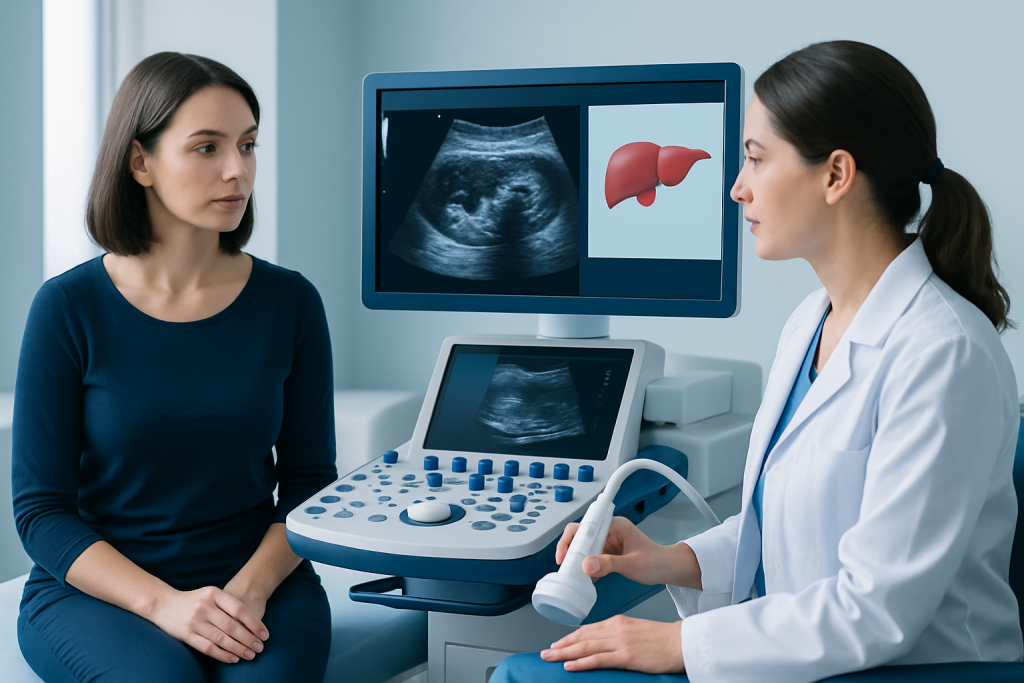
Some nodules are found in people who already have liver-related symptoms from hepatitis, cirrhosis, fatty liver disease, or alcohol-related liver injury. In those situations, the nodule may be only one part of a broader liver picture.
It is also possible for a liver nodule to remain silent for years. That is one reason follow-up imaging is important: a stable nodule over time often points toward a benign process, while change in size or appearance may shift the diagnostic plan.
Causes & Risk Factors
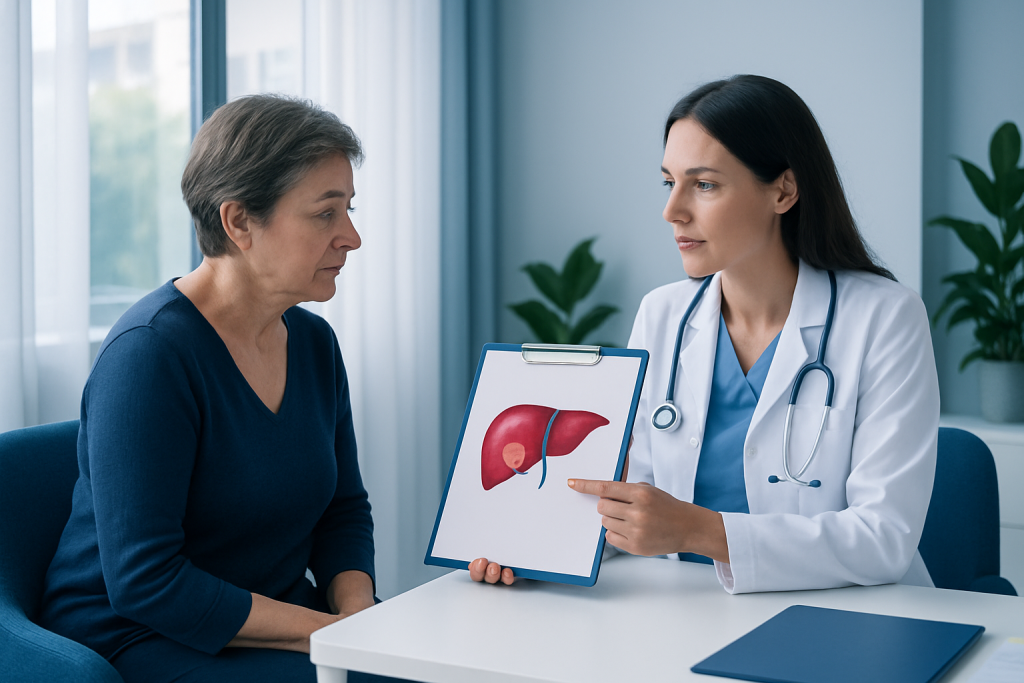
Sometimes the “nodule” is not a true tumor at all but a regenerative nodule in a liver affected by cirrhosis. In that setting, the liver surface and internal structure change over time as scar tissue forms and normal tissue regenerates in small clusters.
Because several different conditions can look similar at first glance, the label “nodule of liver” is best treated as the starting point for a diagnostic conversation, not the final answer.
Diagnosis
For people traveling from abroad, it is helpful to bring previous imaging reports, image discs or digital files, blood test results, and a list of medications. Comparing older and newer scans can be one of the fastest ways to tell whether a nodule is stable or changing.
Diagnosis is often stepwise rather than immediate. A careful plan may include short-interval follow-up imaging instead of urgent intervention, especially when the nodule has a classic benign appearance and there are no concerning risk factors.
Treatment Options
Not every abnormal liver finding leads to a procedure. In some cases, the right “treatment” is a clear surveillance plan with repeat imaging after a defined interval. That approach helps avoid overtreatment while still keeping the nodule under observation.
International patients sometimes benefit from having imaging review, hepatology consultation, interventional radiology, and surgical input coordinated in one place, so decisions are made efficiently and with fewer repeated tests.
Prevention & Self-care
A practical approach is to think of liver care as a long-term record, not a single test result. People who travel between countries should keep digital copies of scan reports and laboratory results so future specialists can compare them accurately.
Healthy routines cannot “treat” every nodule, but they can make liver disease easier to monitor and may reduce the chance that a stable finding becomes part of a larger, preventable problem.
When to See a Doctor
If the nodule was found on a scan done in another country, it is worth arranging review rather than relying only on the written report. Images themselves often provide the most useful details.
When there is uncertainty, a second opinion from a liver specialist can be very helpful. The goal is not to overreact, but to make sure the next step matches the actual risk.
Frequently asked questions
01What is a nodule of liver?
A nodule of liver is a small lump or focal area seen in the liver on imaging. It is a descriptive term, not a final diagnosis, because nodules can be benign, inflammatory, or cancerous.
02Is a liver nodule always cancer?
No. Many liver nodules are benign and never become dangerous. Doctors use imaging patterns, blood tests, and medical history to decide whether the finding is reassuring or needs more evaluation.
03Can a liver nodule cause pain?
Some people have discomfort in the upper right abdomen, but many nodules cause no symptoms at all. If pain is persistent or worsening, it should be assessed because it may come from another liver or digestive condition.
04How is a liver nodule checked?
Doctors commonly start with ultrasound, CT, or MRI and may add blood tests. In selected cases, a biopsy is needed when imaging does not clearly show what the lesion is.
05Do all liver nodules need surgery?
No. Many need only observation, especially if they look benign and stay stable over time. Surgery or other procedures are considered only when the nodule is suspicious, symptomatic, or likely to affect liver health.
06What should someone do after a liver nodule is found abroad?
They should gather the original scan images, reports, and blood test results and review them with a liver specialist. Comparing prior and current studies often helps determine whether the nodule is new, stable, or changing.
This article is for general information only and is not a substitute for professional medical advice. Please consult a qualified doctor about your individual situation.
Oncology care in Turkey — second opinion and treatment plan
JCI-accredited · board-certified surgeons · reply within 24h
Add us as a Preferred Source to see more of our trusted health content across Google Search, AI Overviews and Discover.