What Is Neurosurgery? Conditions It Treats and When Surgery Is Considered

Neurosurgery is the medical specialty that diagnoses and treats conditions affecting the brain, spine, spinal cord, and peripheral nerves. Surgery is not always the first step; it is usually considered when symptoms are serious, progressive, or not improving with non-surgical care.
Overview: What Is Neurosurgery?
Neurosurgery is a medical specialty focused on conditions that affect the nervous system. This includes the brain, spinal cord, spine, and peripheral nerves. Although the name suggests surgery alone, neurosurgeons also evaluate symptoms, interpret imaging, guide non-surgical care, and decide whether an operation is truly needed.
Neurosurgical care can involve urgent problems, such as head injuries or bleeding in the brain, as well as planned treatment for chronic conditions, such as a herniated disc or certain brain tumors. In many cases, a patient is assessed by a team that may include neurologists, neuroradiologists, pain specialists, rehabilitation experts, and intensive care physicians.
Today, neurosurgery includes a wide range of techniques. Depending on the condition, treatment may involve microsurgery, minimally invasive spine surgery, stereotactic procedures, endoscopic approaches, or catheter-based treatment inside blood vessels. The goal is to protect or restore function while reducing risk as much as possible.
What Conditions Does Neurosurgery Treat?
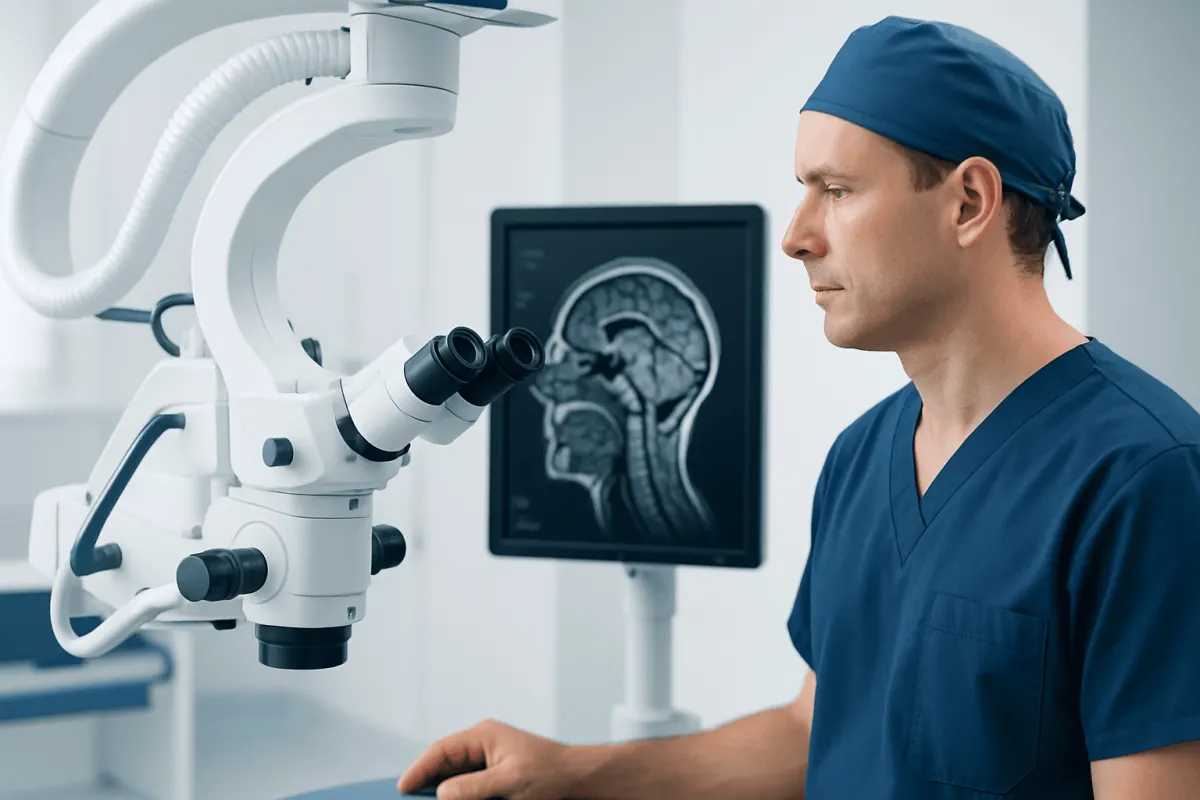
Neurosurgery treats many disorders of the brain and nervous system. Some of the best-known examples include brain tumors, bleeding around or within the brain, hydrocephalus, epilepsy that does not respond to medication, and certain blood vessel abnormalities such as aneurysms or arteriovenous malformations. It may also be used for pressure-related problems, infections requiring drainage, or structural conditions affecting the skull and brain.
Spinal conditions are another major part of neurosurgical care. These include herniated discs, spinal stenosis, spinal tumors, fractures, spinal deformities, instability, and nerve compression causing pain, weakness, or numbness. Some patients are treated for conditions such as scoliosis or degenerative spine disease when symptoms affect movement, balance, or daily life.
Peripheral nerve disorders can also fall within neurosurgery. Examples include carpal tunnel syndrome, ulnar nerve compression, traumatic nerve injury, and some pain syndromes. In some centers, functional neurosurgery is used for Neurology Evaluation" class="ahp-ilk">movement disorders such as Parkinson’s disease, essential tremor, or dystonia, often using advanced techniques like deep brain stimulation.
- Brain tumors and cysts
- Stroke-related bleeding and aneurysms
- Traumatic brain and spine injuries
- Herniated discs and spinal stenosis
- Hydrocephalus and cerebrospinal fluid disorders
- Peripheral nerve compression or injury
Common Symptoms That May Lead to a Neurosurgical Evaluation

Not every headache, backache, or episode of dizziness requires a neurosurgeon. However, certain symptoms may prompt referral for specialist evaluation, especially if they are persistent, worsening, or associated with changes in function. The exact concern depends on whether the symptoms suggest a brain, spine, or nerve problem.
Symptoms related to the brain may include severe or unusual headaches, seizures, weakness on one side of the body, trouble speaking, visual changes, confusion, balance problems, or personality changes. These symptoms do not automatically mean surgery is needed, but they should be assessed promptly, particularly if they appear suddenly.
Symptoms related to the spine and nerves often include neck pain or back pain that radiates into the arm or leg, numbness, tingling, muscle weakness, difficulty walking, loss of coordination, or problems with bladder or bowel control. Pain that limits daily activity despite rest and conservative treatment may also lead to a neurosurgical consultation.
Red-flag symptoms should not be ignored. Sudden severe headache, new seizure, head injury with loss of consciousness, rapidly worsening weakness, or loss of bladder or bowel control may represent a medical emergency and require immediate care.
When Is Surgery Considered?
Surgery is usually considered after a careful review of the diagnosis, symptom pattern, imaging results, and the patient’s overall health. In many situations, non-surgical treatment is tried first. This may include pain relief, anti-inflammatory medication, physical therapy, rehabilitation, injections, monitoring with repeat scans, or treatment by other specialists.
An operation may be recommended when there is pressure on the brain, spinal cord, or nerves; when a tumor or vascular lesion needs removal or treatment; when there is bleeding, trauma, or hydrocephalus; or when symptoms are severe and not improving with conservative care. Surgery may also be needed if there is progressive weakness, worsening function, spinal instability, or a high risk of permanent nerve damage.
The timing of surgery varies. Some procedures are urgent or emergency treatments, while others can be planned after discussion of risks, benefits, and alternatives. A neurosurgeon will usually consider how much symptoms interfere with daily life, whether the condition is likely to worsen, and what outcome can realistically be expected.
Decision-making in neurosurgery is individualized. The same diagnosis may be treated differently from one patient to another depending on age, other medical conditions, imaging findings, and personal goals. Seeking a second opinion can be helpful for major procedures and may help patients feel more informed and confident about the plan.
How Neurosurgeons Diagnose the Problem
Diagnosis begins with a detailed medical history and neurological examination. The doctor asks about the type of symptoms, when they started, what makes them better or worse, and whether there are changes in strength, sensation, walking, speech, memory, or bladder and bowel function. The examination may assess muscle power, reflexes, coordination, balance, and cranial nerve function.
Imaging tests are often central to diagnosis. Magnetic resonance imaging (MRI) is commonly used for the brain and spine because it gives detailed views of soft tissues, nerves, discs, and the spinal cord. Computed tomography (CT) is especially useful in emergencies, such as head trauma or bleeding. In some cases, CT angiography, MR angiography, or catheter angiography is used to study blood vessels.
Additional tests may include nerve conduction studies, electromyography, electroencephalography for seizures, laboratory tests, neuropsychological evaluation, or biopsy when tissue diagnosis is needed. For selected conditions, image-guided planning and multidisciplinary case review help determine the safest and most effective treatment approach.
Treatment Options in Neurosurgery
Treatment depends on the condition, its location, the severity of symptoms, and the patient’s general health. Not all neurosurgical care involves open surgery. Some patients are monitored over time, especially when a lesion is small, stable, or not causing significant symptoms. Others may benefit from medicines, rehabilitation, pain management, or image-guided injections before surgery is considered.
When surgery is needed, the approach may range from minimally invasive procedures to more complex operations. Brain procedures can include tumor removal, treatment of bleeding, shunt placement for hydrocephalus, or epilepsy surgery. For brain tumors, treatment planning may also involve brain tumor surgery alongside oncology and radiation specialists when appropriate.
Spine procedures may be used to relieve pressure on nerves, stabilize the spine, or correct structural problems. Depending on the diagnosis, options may include decompression, discectomy, laminectomy, or fusion. Some patients with advanced disc disease or instability may be evaluated for spinal fusion surgery, while selected patients with disc-related symptoms may be considered for microdiscectomy.
Vascular neurosurgery may treat aneurysms, bleeding, or vessel malformations using open or endovascular techniques. Functional neurosurgery can help some patients with movement disorders or chronic pain. Whatever the approach, the treatment plan should include a clear explanation of the expected benefits, possible risks, recovery time, and follow-up care.
Recovery, Rehabilitation, and Self-care
Recovery after neurosurgical treatment varies widely. Some procedures require only a short hospital stay, while others involve longer monitoring, intensive care, or structured rehabilitation. The length of recovery depends on the condition being treated, the type of procedure performed, and the patient’s health before treatment.
Rehabilitation can be an important part of healing. Physical therapy may help restore strength, walking, and balance. Occupational therapy may support everyday activities, while speech and cognitive therapy may be useful after some brain procedures. Good pain control, wound care, hydration, nutrition, and gradual activity also support recovery.
Patients are usually advised to follow the surgical team’s instructions closely. This may include limits on lifting, driving, sports, or return to work for a period of time. Follow-up visits and repeat imaging may be needed to check healing, monitor symptoms, and guide the next stages of care.
Near the end of the treatment journey, coordinated follow-up can be especially helpful for international patients. Acıbadem Health Point’s multidisciplinary specialists and JCI-accredited hospitals diagnose and treat neurosurgical conditions with individualized planning and aftercare support.
When to See a Doctor
A person should seek medical advice if they have persistent headaches, recurring seizures, unexplained weakness, numbness, severe neck or back pain, or symptoms that interfere with walking, sleep, work, or daily activities. Early evaluation can help identify whether the cause is neurological, spinal, or unrelated to the nervous system.
Urgent medical attention is important for sudden severe headache, new confusion, loss of consciousness, new seizure, stroke-like symptoms, rapidly worsening weakness, major head or spinal injury, or loss of bladder or bowel control. These symptoms may need immediate hospital assessment.
Even when surgery is not needed, a neurosurgical assessment can help clarify the diagnosis and outline the safest next steps. Patients often benefit from asking about all available options, expected recovery, warning signs to watch for, and whether another specialist should also be involved in their care.
Frequently asked questions
01What is the difference between a neurologist and a neurosurgeon?
A neurologist diagnoses and treats nervous system conditions mainly with medicines and non-surgical methods. A neurosurgeon is trained to evaluate the same types of conditions and, when appropriate, treat them with surgery or procedural techniques. Many patients are cared for by both specialists together.
02Does seeing a neurosurgeon mean surgery is definitely needed?
No. Many people are referred to a neurosurgeon for an expert opinion, imaging review, or discussion of treatment options. In some cases, observation, rehabilitation, medication, or pain management is the best next step rather than surgery.
03What types of scans are commonly used before neurosurgery?
MRI and CT scans are the most common imaging tests. Depending on the problem, doctors may also use angiography, nerve tests, or other specialized studies. The choice depends on whether the concern involves the brain, spine, blood vessels, or peripheral nerves.
04Is neurosurgery always high risk?
Every procedure has risks, but the level of risk depends on the condition, the area being treated, and the patient’s overall health. Modern neurosurgery uses careful planning, imaging guidance, and specialized techniques to improve safety. A neurosurgeon explains the likely benefits and risks before treatment.
05How long does recovery take after neurosurgery?
Recovery can range from days to months, depending on the procedure and the reason for treatment. Some minimally invasive operations allow a faster return to normal activities, while complex brain or spine surgery may require longer rehabilitation. Follow-up care is an important part of recovery.
06What symptoms suggest emergency neurosurgical care may be needed?
Sudden severe headache, new seizure, sudden weakness, head trauma with loss of consciousness, confusion, or loss of bladder or bowel control should be treated urgently. These symptoms can signal bleeding, spinal cord compression, stroke, or another serious neurological problem. Immediate medical evaluation is important.
This article is for general information only and is not a substitute for professional medical advice. Please consult a qualified doctor about your individual situation.
Joint and spine care in Turkey — expert assessment & treatment
JCI-accredited · board-certified surgeons · reply within 24h
Add us as a Preferred Source to see more of our trusted health content across Google Search, AI Overviews and Discover.