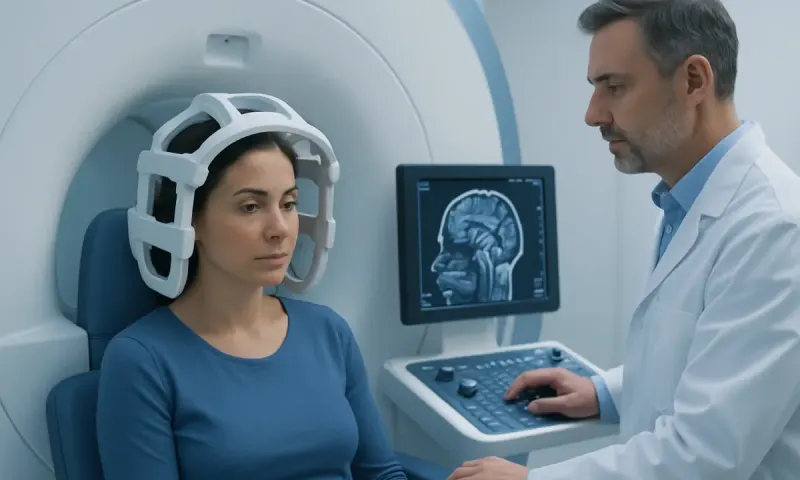
Can Neurologists Perform Surgery on the Brain?

Can neurologists do surgery? In most healthcare systems, neurologists do not perform open brain, spine, or nerve surgery; these operations are performed by neurosurgeons. Neurologists are medical specialists who diagnose and treat conditions of the brain, spinal cord, nerves, and muscles, often working closely with surgical teams when an operation may help.
Can Neurologists Do Surgery? The Short Answer
Can neurologists do surgery? Usually, no. Neurologists are physicians trained to diagnose, prevent, and medically manage disorders affecting the brain, spinal cord, peripheral nerves, and muscles. Neurosurgeons complete additional specialist surgical training and perform operations on these structures.
The distinction can be confusing because both specialists care for people with the same conditions, including stroke, epilepsy, Parkinson’s disease, brain tumors, headaches, nerve compression, and spinal disorders. A neurologist may identify a condition, arrange imaging and other tests, begin medical treatment, and refer to a neurosurgeon when an operation or surgical opinion is appropriate.
There are exceptions in highly specialized services. Some neurologists perform procedures such as lumbar puncture, electrodiagnostic testing, botulinum toxin injections, or certain image-guided vascular procedures after dedicated training. However, these are not the same as open neurosurgery, and can all neurologists do surgery is still best answered as no.
Neurologist and Neurosurgeon: Different Roles, Shared Care
A neurologist is a medical doctor whose practice centers on understanding symptoms and treating neurological illness without surgery whenever possible. They may manage medicines for epilepsy, migraine, multiple sclerosis, movement disorders, neuropathy, dementia, and many other conditions. They also interpret neurological examinations, brain scans, nerve tests, and laboratory findings in the context of a person’s symptoms.
A neurosurgeon is a doctor trained in surgical and non-surgical care of conditions involving the brain, spine, spinal cord, and peripheral nerves. Although the name suggests only brain surgery, neurosurgeons commonly treat spinal disorders, nerve compression syndromes, traumatic injuries, tumors, bleeding around the brain, hydrocephalus, and selected vascular abnormalities.
Many patients benefit from coordinated care rather than choosing one specialty alone. For example, a person with seizures may first see a neurologist for assessment and medication. If seizures continue despite appropriate treatment and a removable brain focus is identified, a neurosurgical team may assess whether an operation or a device-based therapy could be helpful.
- Neurologist: diagnosis, medical treatment, monitoring, rehabilitation planning, and referral.
- Neurosurgeon: surgical evaluation, operations, perioperative care, and non-surgical management when surgery is not indicated.
- Multidisciplinary team: may include neuroradiology, oncology, rehabilitation, pain medicine, physiotherapy, and nursing specialists.
Can Neurologists Perform Procedures?
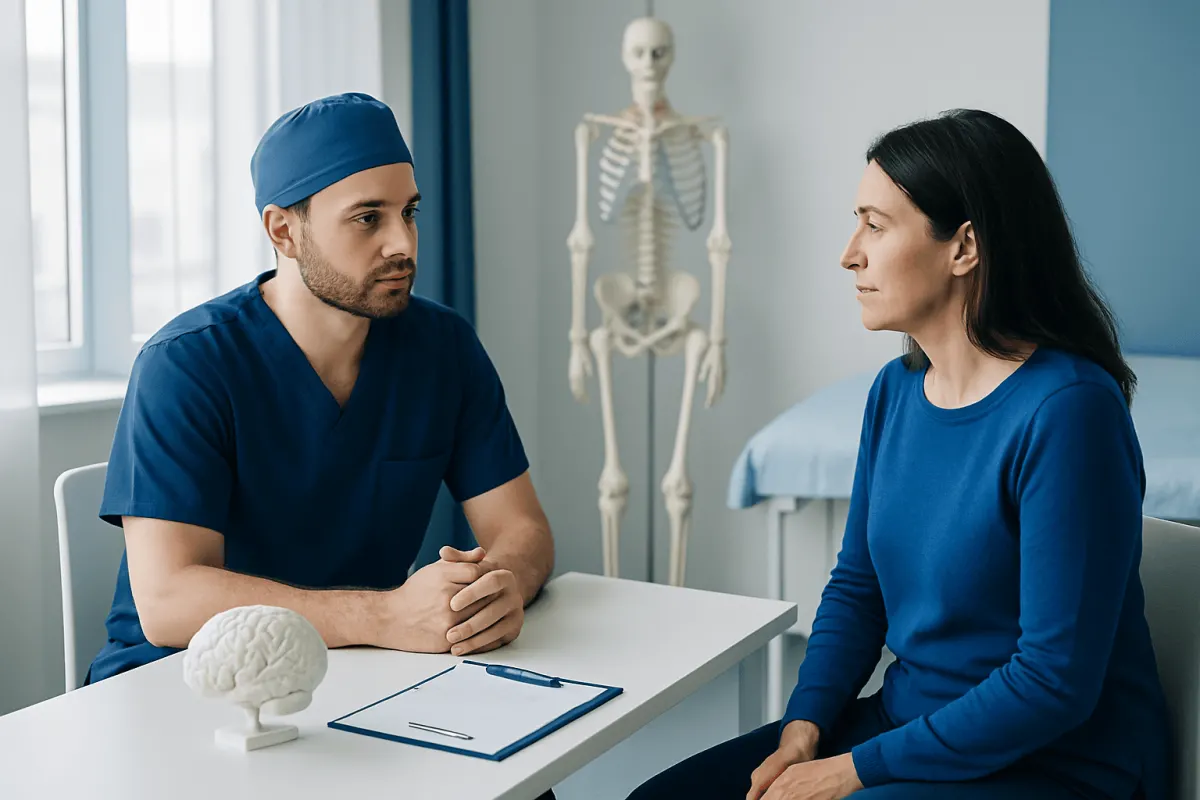
Although neurologists generally do not perform surgery, they can perform procedures that support diagnosis or treatment. The exact scope varies by country, hospital rules, subspecialty training, and local licensing requirements. A neurologist may perform a lumbar puncture to collect cerebrospinal fluid, administer treatments by injection, or carry out nerve and muscle testing such as electromyography and nerve conduction studies.
Some neurologists with advanced fellowship training work in Neurology vs Neurosurgery: How Treatment Choices Are Made" class="ahp-ilk">interventional neurology or vascular neurology. In appropriately equipped centers, they may use catheters guided through blood vessels to help treat selected stroke-related blockages or vascular disorders. These procedures require specialized training and are usually delivered by a collaborative team that may include interventional neuroradiologists and neurosurgeons.
Questions such as can DM neurology do surgery have a similar answer. A DM in Neurology is an advanced neurology qualification in some countries, but it is not, by itself, neurosurgical training. Whether a doctor can undertake a particular procedure depends on formal training, certification, credentialing, and the healthcare setting—not only on the title of their degree.
What Kind of Surgery Does a Neurologist Do?
In standard practice, a neurologist does not perform the operations commonly meant by “brain surgery” or “spine surgery.” Craniotomy for a brain tumor, surgery to relieve spinal cord compression, repair of certain aneurysms, surgery for nerve entrapment, and implantation of some neurological devices are typically performed by neurosurgeons.
It is more accurate to say that neurologists help determine whether surgery may be needed and whether its likely benefits outweigh its risks. Their role can be particularly important when symptoms may have several possible causes. For instance, numbness or weakness may arise from a nerve disorder, brain condition, spinal problem, medication effect, or systemic illness; not every finding on a scan requires an operation.
When surgery is recommended, the surgical team explains the reason for the procedure, suitable alternatives, expected benefits, potential complications, and recovery needs. Patients considering an operation for a brain or spine condition can learn more about neurosurgery and surgical care for neurological conditions as part of a specialist assessment.
How Neurosurgical Treatment Is Planned and Performed
Neurosurgery is not one single procedure. The plan depends on the diagnosis, the location of the problem, its effect on neurological function, general health, and the patient’s goals. Before recommending surgery, clinicians usually review the medical history, neurological examination, imaging such as MRI or CT, and—when relevant—blood tests, vascular imaging, neurophysiology, or tissue sampling.
Candidacy is individualized. Surgery may be considered when a structural problem is causing pressure, bleeding, progressive neurological impairment, severe pain, loss of function, or symptoms that have not improved with appropriate non-surgical care. It may also be used to obtain a diagnosis, such as by taking a biopsy, or to prevent complications in selected conditions.
On the day of surgery, the patient meets the anesthesia and surgical teams, and the planned procedure is reviewed again. Depending on the operation, the surgeon may use microsurgical techniques, endoscopy, image guidance, minimally invasive approaches, or an open incision. During and after the procedure, the team monitors neurological function, blood pressure, pain, wound healing, and possible complications closely.
Recovery differs greatly. Some patients go home within days after a small or minimally invasive procedure, while major brain or complex spine surgery can involve a longer hospital stay and weeks to months of recovery. Rehabilitation may include physiotherapy, occupational therapy, speech and language therapy, medication review, and follow-up imaging.
Is It Better to See a Neurologist or Neurosurgeon?
Neither specialist is universally “better”; the appropriate choice depends on the health concern. A neurologist is often the right first specialist for symptoms such as recurrent headaches, dizziness, tremor, seizures, memory changes, numbness, unexplained weakness, neuropathy, or suspected multiple sclerosis. They can investigate the cause and provide treatment that does not involve surgery.
A neurosurgical consultation may be appropriate when imaging or symptoms suggest a condition that could require an operation, such as a brain mass, spinal cord compression, significant disc-related nerve compression, hydrocephalus, certain aneurysms, or traumatic injury. A referral does not mean surgery will definitely be advised. Neurosurgeons frequently recommend observation, medication, rehabilitation, injections, or further testing instead.
People with suspected stroke should seek emergency care rather than wait for a routine specialist appointment. Stroke is time-sensitive, and hospital teams can rapidly assess whether emergency treatments are appropriate. Long-term stroke care may then involve vascular neurologists, rehabilitation specialists, and other clinicians.
Benefits, Risks, and Recovery Considerations
The potential benefit of neurosurgery is to treat or clarify a condition that is affecting neurological function, causing disabling symptoms, or carrying a risk of deterioration. Depending on the diagnosis, surgery may relieve pressure on nerves or the spinal cord, remove or sample abnormal tissue, improve fluid drainage, stabilize part of the spine, reduce certain seizure patterns, or address a blood vessel abnormality.
Every procedure also has risks. These vary with the operation and can include bleeding, infection, blood clots, anesthesia reactions, fluid leakage, pain, wound problems, seizures, injury to nearby nerves or brain tissue, and temporary or persistent changes in movement, sensation, speech, vision, thinking, or bladder and bowel function. Some risks are rare, but they should be discussed clearly before consent is given.
Recovery is often gradual. Patients should follow instructions about wound care, activity, driving, medicines, follow-up appointments, and rehabilitation. New or worsening weakness, severe headache, fever, confusion, seizure activity, wound drainage, or sudden changes in speech or vision should be reported urgently according to the care team’s advice.
At Acıbadem Health Point, multidisciplinary specialists and JCI-accredited hospitals assess and treat neurological and neurosurgical conditions for international patients, with care plans based on the individual diagnosis and clinical needs.
When to Seek Medical Care
Medical assessment is advisable for persistent or worsening headaches, new seizures, progressive weakness, loss of balance, unexplained numbness, severe neck or back pain with neurological symptoms, personality or memory changes, or symptoms that interfere with daily life. A primary care clinician or neurologist can help determine whether specialist imaging or a neurosurgical opinion is needed.
Emergency care is needed for sudden facial drooping, arm or leg weakness, trouble speaking or understanding speech, sudden severe headache unlike usual headaches, loss of consciousness, a first seizure lasting more than a few minutes, significant head injury, or sudden loss of vision. These symptoms can have serious causes and should not be managed by waiting for a routine appointment.
Patients who have already been told they may need surgery should ask about the purpose of the operation, non-surgical alternatives, likely recovery, possible complications, and the experience of the relevant care team. A second opinion can also be reasonable when a procedure is elective, complex, or difficult to decide about.
Frequently asked questions
01Do neurologists do surgery?
Neurologists usually do not perform open brain, spine, or nerve surgery. They diagnose and medically treat nervous system conditions, while neurosurgeons are trained to perform operations. Some neurologists perform selected diagnostic or minimally invasive procedures after additional training.
02Can neurologists do neurosurgery?
A neurologist cannot perform neurosurgery unless they have also completed the required surgical training, certification, and hospital credentialing to practice as a neurosurgeon. Neurology training alone is different from neurosurgical training. The doctor’s recognized specialty and procedural credentials should guide this question.
03What do you call a neurologist surgeon?
A surgeon who operates on the brain, spine, spinal cord, or peripheral nerves is called a neurosurgeon. “Neurologist surgeon” is not usually a formal medical title. Neurologists and neurosurgeons may work together closely in the care of the same patient.
04Who gets paid more, a neurologist or a neurosurgeon?
Compensation varies widely by country, healthcare system, experience, work setting, workload, and subspecialty. Neurosurgeons often have higher average compensation in many systems because of their lengthy surgical training, on-call responsibilities, and procedural practice. Income should not be used to judge which specialist is more suitable for an individual medical problem.
05What is the most common neuro surgery?
Spine surgery is among the most commonly performed types of neurosurgical care, including procedures for disc-related nerve compression and spinal stenosis. The most common operation varies by region, hospital, and how procedures are classified. Neurosurgery also includes operations for brain tumors, traumatic injury, hydrocephalus, vascular conditions, and peripheral nerve disorders.
06Should a person see a neurologist before a neurosurgeon?
Often, yes, particularly when symptoms have not yet been diagnosed or may respond to medical treatment. However, a person may be referred directly to a neurosurgeon after imaging identifies a surgical problem, or after trauma or an emergency presentation. The referral pathway should be based on the urgency and suspected condition.
This article is for general information only and is not a substitute for professional medical advice. Please consult a qualified doctor about your individual situation.
Joint and spine care in Turkey — expert assessment & treatment
JCI-accredited · board-certified surgeons · reply within 24h
Add us as a Preferred Source to see more of our trusted health content across Google Search, AI Overviews and Discover.