What Is Low Infant Temperature? A Complete Medical Guide

Key Takeaways
- Low infant temperature is usually defined as a rectal temperature below about 36.5°C (97.7°F), but context and the baby’s age matter.
- A cold room, wet clothing, prematurity, infection, and poor feeding can all contribute to a low temperature in babies.
- Shivering is often absent in young infants, so other signs such as lethargy, poor feeding, or unusual sleepiness may be more important.
- Accurate temperature measurement, especially with a clinician-recommended method, helps confirm whether the reading is truly low.
- Newborns and young babies with a low temperature should be assessed promptly, especially if they look unwell or have other symptoms.
Low infant temperature means a baby’s body temperature is below the normal range, and it can happen for simple environmental reasons or signal an illness that needs prompt attention. Understanding the signs, measuring temperature correctly, and knowing when to seek care can help parents respond calmly and appropriately.
Overview
Low infant temperature means a baby’s body temperature is below the expected range for age. In everyday language, parents may notice a baby feels cool to the touch, but the more important question is whether a properly measured temperature is truly low and whether the baby seems well.
In infants, this matters because babies lose heat faster than older children and adults. Their small body size, limited ability to regulate temperature, and dependence on caregivers for warmth make them more vulnerable to becoming cold, especially in the first weeks of life.
Sometimes the cause is simple, such as a room that is too cool, damp clothing, or being underdressed. In other situations, a low temperature can be an early sign of infection, dehydration, low blood sugar, or another medical issue that should be checked by a clinician.
For families traveling from another country for care, this symptom can be especially unsettling because it may appear suddenly and in a setting that feels unfamiliar. A clear assessment by a pediatric team helps separate temporary temperature loss from a condition that needs treatment.
Symptoms
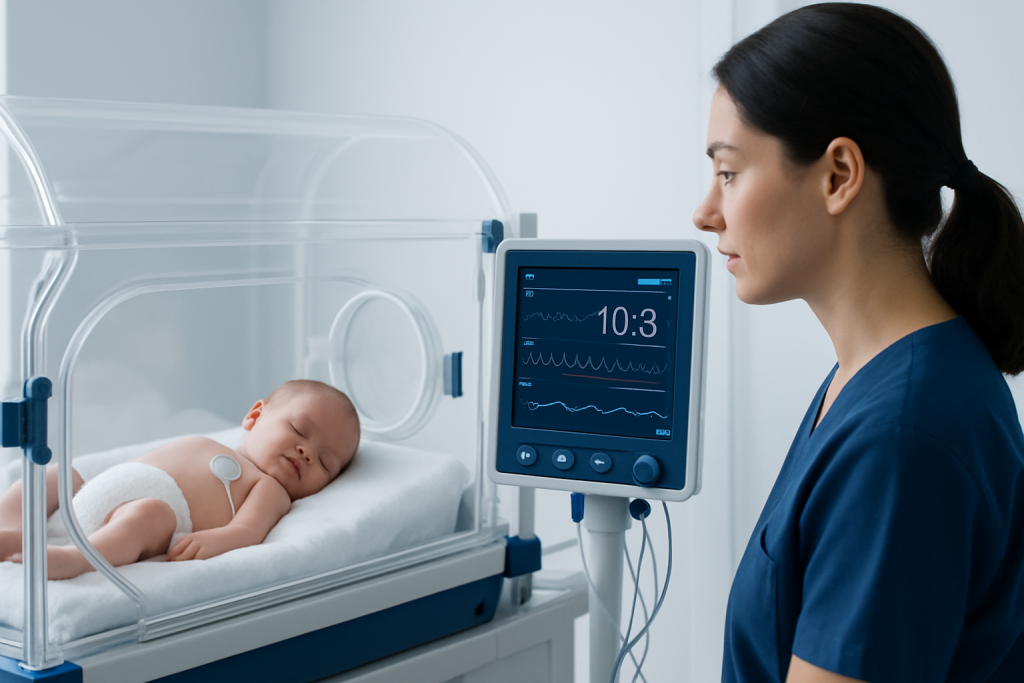
The most obvious sign is a measured temperature that falls below the normal range for infants. However, babies do not always show classic cold-related symptoms, and shivering may be mild or absent in very young infants.
Other signs may include:
- Cool skin, especially on the chest or abdomen
- Pale or mottled skin
- Lethargy or unusual sleepiness
- Poor feeding or weak sucking
- Less movement than usual
- Weak cry
- Breathing that seems unusually slow, shallow, or irregular
Parents should also pay attention to changes in behavior. A baby who is harder to wake, feeds poorly, or seems “not quite right” may need medical evaluation even if the temperature reading is only mildly low.
In newborns, low temperature can appear alongside other subtle warning signs of illness. Because infants can deteriorate quickly, it is safer to consider the whole picture rather than relying on touch alone.
Causes & Risk Factors

Babies can develop low temperature for several different reasons. The most common is heat loss to the environment, such as being left wet after a bath, being underdressed, or sleeping in a room that is too cool for their age and situation.
Some infants are more vulnerable than others. Premature babies, low-birth-weight babies, and newborns in their first days of life have less body fat and less mature temperature control, so they cool down more easily.
Medical causes can also play a role. These may include:
- Infection, including serious infections in newborns
- Poor feeding or dehydration
- Low blood sugar
- Exposure to cold during travel or after bathing
- Problems affecting the brain, thyroid, or metabolism, less commonly
A low temperature can sometimes accompany illness rather than being caused by cold surroundings alone. That is why a baby who is cold and also sleepy, feeding poorly, or breathing differently should be assessed promptly.
How Temperature Is Measured
Getting an accurate reading is important, because a baby may feel cool without having a true low core temperature. The method used matters, and caregivers should follow the advice of the baby’s pediatric team or local clinical guidance.
For infants, rectal temperature is often considered the most accurate in medical settings, especially when a clinician needs a reliable core reading. Other methods, such as armpit or forehead measurements, can be useful for screening, but they may be less precise in small babies.
To reduce confusion, parents should avoid repeated measurement with many different devices in a short period of time. If a reading is low, the next step is usually to confirm it correctly, warm the baby safely, and look for signs of illness at the same time.
It is also helpful to check the environment. A baby who has just been undressed, bathed, or moved from one temperature extreme to another may briefly appear cold before stabilizing with gentle warming.
Diagnosis
Doctors diagnose low infant temperature by combining the measured temperature with the baby’s overall condition. A single number is not the whole story; feeding, alertness, breathing, hydration, and age all influence how concerning the finding is.
The evaluation may include a physical examination and questions about birth history, feeding, diaper output, exposure to cold, and any recent illness. In newborns, clinicians often have a lower threshold to investigate because temperature instability can be an early sign of infection or another serious issue.
If needed, tests may be ordered to look for infection, low blood sugar, or other underlying problems. The exact workup depends on the baby’s age, how low the temperature is, and whether there are additional symptoms.
For families arriving from abroad, a pediatric assessment may also include practical planning: how to keep the infant warm during transport, whether observation in the hospital is needed, and what follow-up is safest after discharge.
Treatment Options
Treatment depends on the cause and the baby’s condition. If the low temperature is mild and clearly related to the environment, careful warming and close observation may be enough. This can include skin-to-skin contact, dry clothing, blankets, and a comfortably warm room.
If a doctor suspects illness, treatment targets the underlying problem. A baby with infection may need urgent evaluation and hospital care. If low blood sugar or feeding difficulty is contributing, the clinical team may recommend feeding support, monitoring, or other medical treatment.
It is important not to use overly aggressive warming methods at home, such as very hot water bottles or direct heat sources close to the skin, because infants can be burned easily. Gentle, steady warming is safer than rapid heating.
In hospital settings, clinicians can monitor temperature, heart rate, breathing, and feeding more closely. This is especially helpful for newborns, premature infants, and babies who are too sleepy or unwell to feed reliably.
Prevention & Self-care
Prevention starts with keeping the baby comfortably warm without overheating. Layering clothing appropriately, drying the baby promptly after bathing, and avoiding prolonged exposure to cold air are simple but effective steps.
Parents may find these habits useful:
- Dress the baby in one more light layer than an adult would wear in the same room
- Keep the sleeping area at a comfortable, stable temperature
- Use skin-to-skin contact when a baby seems cool
- Change wet diapers and clothing promptly
- Feed the baby regularly, since adequate feeding supports body temperature
Self-care also means knowing what not to do. It is better to warm the baby gradually and reassess than to rely on guesswork, repeated touch checks, or home remedies that may not be safe for infants.
If parents are traveling, especially with a newborn, it helps to plan for climate changes, long airport waits, and transport delays. A blanket, dry spare clothing, and a quick way to check the baby’s temperature can make a practical difference.
When to See a Doctor
Any newborn with a confirmed low temperature should be discussed with a doctor promptly. This is particularly important if the baby is under three months old, premature, or has any feeding or breathing concerns.
Medical help should be sought without delay if the baby has low temperature plus poor feeding, unusual sleepiness, weak cry, breathing changes, bluish skin, vomiting, or fewer wet diapers. These signs can point to a more serious condition even when the temperature drop seems modest.
Parents should also contact a doctor if the temperature remains low after gentle warming, if the baby has been exposed to significant cold, or if there is any concern about infection. When in doubt, it is safer for an infant to be examined than to wait and watch at home.
Acibadem Health Point’s multidisciplinary specialists and JCI-accredited hospitals diagnose and treat infant temperature problems for international patients, with attention to both the medical issue and the practical needs of families far from home.
Living With the Concern: Practical Follow-Up
After a low temperature episode, families often benefit from a simple follow-up plan. That may include checking the baby’s temperature with the same method each time, watching feeding and diaper patterns, and knowing which symptoms should trigger a call to the pediatrician.
For babies who had an illness-related low temperature, follow-up is important even after the child looks better. A doctor may want to review recovery, feeding progress, and whether further testing is needed to be sure the underlying cause has resolved.
If the baby is going home after evaluation, caregivers should leave with clear instructions on warming, feeding, and return precautions. For international patients, that plan should also account for time zone differences, transportation, and how to reach the care team if questions arise after discharge.
Conclusion
Low infant temperature is not a diagnosis by itself; it is a sign that can range from mild and temporary to medically important. The safest response is to confirm the reading accurately, warm the baby gently, and pay close attention to how the infant looks and behaves.
Because babies can become unwell quickly, especially in the newborn period, timely medical evaluation is the most reliable way to rule out serious causes and guide care. When parents understand the warning signs and know when to seek help, they can respond with confidence rather than panic.
Frequently asked questions
01What is considered low temperature in an infant?
In many clinical settings, a rectal temperature below about 36.5°C (97.7°F) is considered low for an infant. The meaning of that number depends on the baby’s age, how the reading was taken, and whether the baby has other symptoms. A pediatrician can help interpret the result in context.
02Can a baby have low temperature and still be okay?
Yes, a mild drop can happen after being underdressed, wet, or in a cool room. If the baby warms up easily, feeds well, and behaves normally, the issue may be temporary. Still, babies under three months should be watched closely, and any concerning symptoms should be checked by a doctor.
03Should parents use a forehead thermometer for babies?
Forehead and armpit thermometers can be helpful for screening, but they may be less accurate than other methods in small infants. If a reading is low or the baby seems unwell, a clinician may recommend confirming it with a more reliable method. Parents should follow local medical advice for their baby’s age.
04Does low infant temperature always mean infection?
No, cold surroundings and poor clothing can also lower an infant’s temperature. However, infection is an important cause, especially in newborns, so doctors take low temperature seriously when it is not clearly explained by the environment. Other symptoms help guide the evaluation.
05How can parents warm a baby safely at home?
The safest steps are gentle ones: dry the baby, add layers, and use skin-to-skin contact if appropriate. A comfortably warm room and regular feeding can also help. Very hot water bottles, heating pads, and direct heat sources should be avoided because they can injure an infant's skin.
06When is low infant temperature an emergency?
It becomes urgent when the baby is very sleepy, feeds poorly, has breathing changes, has bluish skin, or is a newborn with a confirmed low reading. If the temperature stays low after gentle warming, medical assessment should not be delayed. When parents are unsure, it is best to contact a doctor promptly.
This article is for general information only and is not a substitute for professional medical advice. Please consult a qualified doctor about your individual situation.
Explore treatments in Turkey — costs, top hospitals & a free quote
JCI-accredited · board-certified surgeons · reply within 24h
Add us as a Preferred Source to see more of our trusted health content across Google Search, AI Overviews and Discover.