What Is Post Menstrual Cramps? A Complete Medical Guide

Key Takeaways
- Post menstrual cramps are not always dangerous, but persistent or severe pain deserves medical attention.
- Common causes include lingering uterine contractions, ovulation, endometriosis, fibroids, adenomyosis, and pelvic inflammatory disease.
- A doctor may use a history, pelvic exam, pregnancy test, ultrasound, or other tests to find the cause.
- Self-care measures such as heat, rest, hydration, and gentle movement may ease mild cramps.
- Sudden severe pain, fever, unusual discharge, heavy bleeding, or possible pregnancy are reasons to seek prompt care.
Post menstrual cramps are lower abdominal or pelvic cramps that continue after menstrual bleeding has ended. They are often linked to normal uterine activity, but they can also signal conditions such as endometriosis, fibroids, or pelvic infection.
Overview
Post menstrual cramps are cramping pains in the lower abdomen or pelvis that continue after a period has ended. In many people, the discomfort is short-lived and mild, but in others it may feel similar to period pain or present as a new ache that appears days after bleeding stops. The first step is to look at the timing, pattern, and intensity of the pain rather than assuming it is simply part of a “normal” cycle.
These cramps can arise from ordinary uterine muscle activity, hormonal shifts, or ovulation. They can also be connected to gynecologic conditions that need evaluation, especially when the pain is recurring, one-sided, worsening over time, or affecting daily life. For someone traveling for care, documenting the cycle dates, symptom pattern, and any home treatments tried can make an overseas consultation more efficient and accurate.
Because pain in the pelvis can have several causes, post menstrual cramps are best understood as a symptom, not a diagnosis. A careful medical assessment helps distinguish temporary cycle-related discomfort from problems that benefit from treatment.
Symptoms
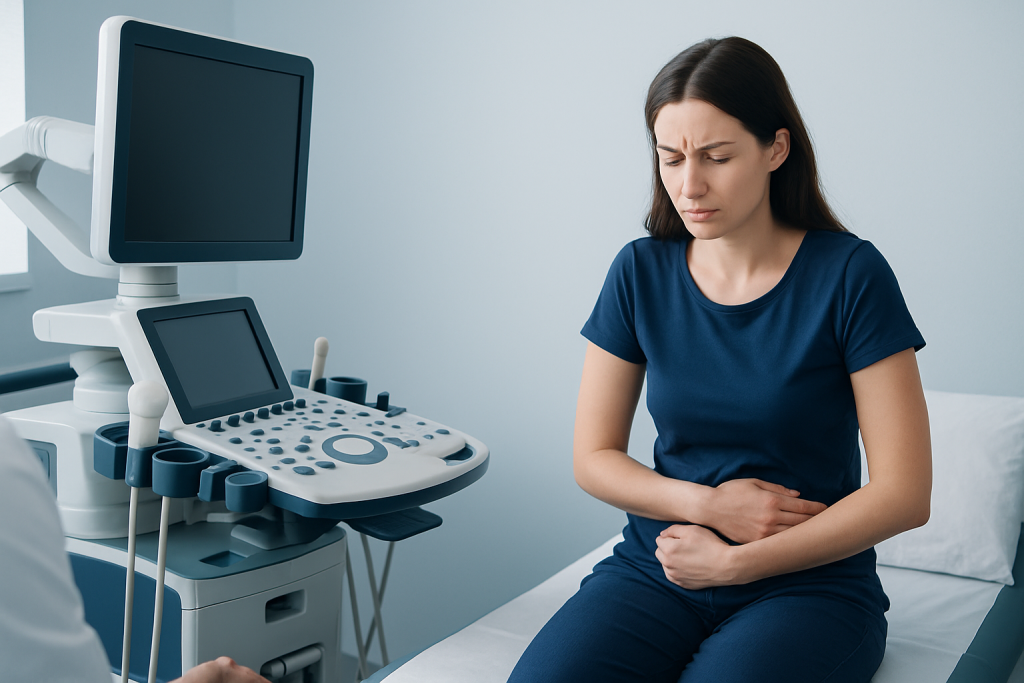
Post menstrual cramps are usually described as aching, throbbing, pulling, or pressure-like pain low in the abdomen, pelvis, or lower back. Some people also notice bloating, bowel discomfort, fatigue, or a heavy feeling in the pelvis. The pain may be constant or come and go in waves.
The pattern often gives important clues. Mild cramping that fades within a day or two after bleeding ends may fit with normal cycle changes. Pain that starts after the period, becomes sharper on one side, or is linked with intercourse, bowel movements, urination, or unusual discharge may point to another cause.
Symptoms that should not be ignored include fever, nausea or vomiting, dizziness, fainting, painful urination, heavier-than-usual bleeding, or pain that is severe enough to limit movement. If pregnancy is possible, any pelvic pain after a missed or unusual period needs prompt medical attention.
Causes & Risk Factors
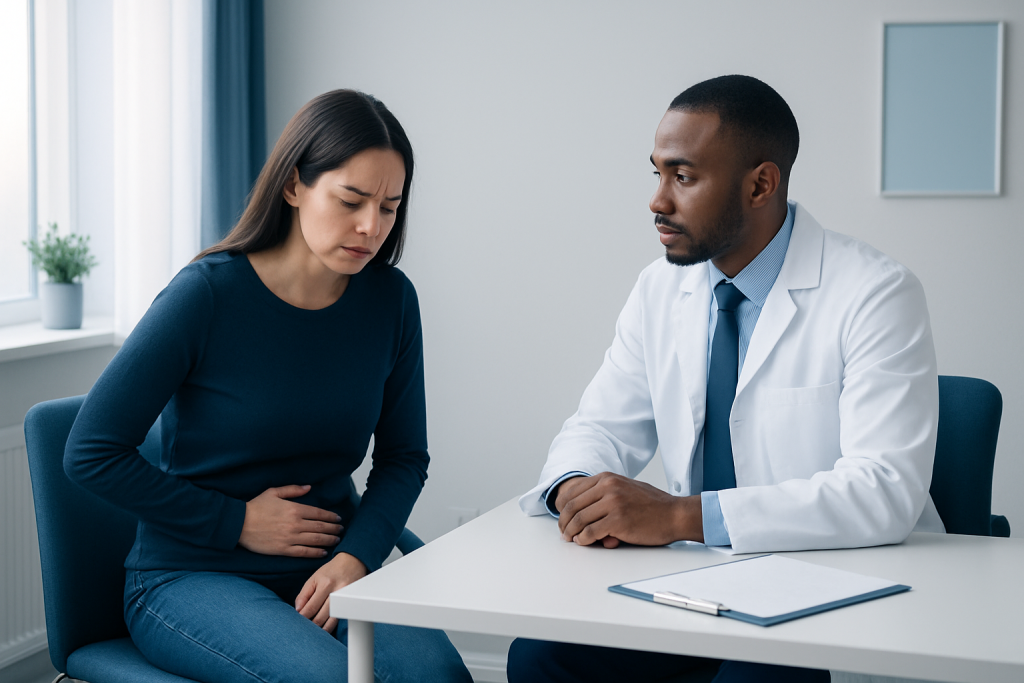
There is no single cause of post menstrual cramps. In some cases, the uterus continues contracting briefly after the period ends, which can leave a residual crampy sensation. Hormonal changes across the cycle can also make the pelvis feel sensitive around the end of bleeding and the days that follow.
Other common causes include ovulation pain, endometriosis, adenomyosis, uterine fibroids, ovarian cysts, and pelvic inflammatory disease. Digestive issues such as constipation, irritable bowel syndrome, or gas may also be felt as pelvic cramping, which is why the exact location and associated symptoms matter.
Risk factors vary by cause, but a history of painful periods, heavy bleeding, prior pelvic infection, infertility, pelvic surgery, or known gynecologic conditions may increase the likelihood of persistent pain. Stress does not usually cause the cramp itself, but it can make pain feel more intense and harder to tolerate.
Diagnosis
Diagnosis begins with a detailed discussion of the pain: when it started, where it is felt, how long it lasts, whether it changes with the cycle, and what makes it better or worse. A doctor may also ask about menstrual flow, sexual activity, contraception, pregnancy possibility, bowel habits, urinary symptoms, and previous gynecologic conditions.
A pelvic examination may be recommended, depending on the person’s age, symptoms, and comfort level. Tests can include a pregnancy test, urine testing, blood tests, or vaginal/cervical swabs if infection is suspected. Ultrasound is commonly used to look for fibroids, ovarian cysts, or other structural causes.
In some situations, further imaging or referral to a gynecologist is needed. When symptoms suggest endometriosis or another condition that is not always visible on routine tests, a doctor may discuss additional evaluation and a longer-term management plan. For Myomectomy Recovery for International Patients: The Usual Travel Timeline" class="ahp-ilk">international patients, bringing prior scan reports, medication lists, and cycle notes can help reduce delays in diagnosis.
Treatment Options
Treatment depends on the cause and the severity of symptoms. For mild, short-lived cramping, a doctor may suggest simple comfort measures and observation. If a specific condition is identified, treatment is directed at that condition rather than the cramps alone.
Common medical approaches may include anti-inflammatory pain relief, hormonal treatment to reduce cycle-related pain, or antibiotics when an infection is present. Fibroids, endometriosis, ovarian cysts, and adenomyosis may require different plans, ranging from medication to procedural or surgical options. The best choice depends on symptom burden, fertility goals, age, and overall health.
It is important not to self-treat persistent pelvic pain for long periods without evaluation. Recurrent cramps after menstruation can be the body’s way of signaling a problem that needs a more specific solution, especially if pain is becoming more frequent or disruptive.
Prevention & Self-care
Not every episode of post menstrual cramps can be prevented, but some habits may reduce discomfort. Applying a heating pad to the lower abdomen, resting when pain starts, and staying well hydrated can be helpful. Gentle walking or stretching may ease muscle tension for some people.
Keeping a symptom diary is one of the most practical self-care tools. Recording the first day of bleeding, the day cramps begin, how long they last, and any related symptoms such as bloating, discharge, or bowel changes can reveal patterns that are useful during medical visits. This is particularly valuable when care is being coordinated across countries or time zones.
Balanced sleep, regular meals, and stress-reduction strategies may not remove the cause, but they can make symptoms easier to tolerate. If a clinician has recommended medication, it should be taken as directed rather than waiting until pain becomes severe.
When to See a Doctor
Medical review is advisable when post menstrual cramps are new, severe, getting worse, or happening most months. It is also important to seek care if the pain lasts longer than expected, interferes with work or sleep, or is accompanied by heavy bleeding, fever, foul-smelling discharge, pain during sex, or pain with urination or bowel movements.
Urgent evaluation is needed if there is a possibility of pregnancy, if the pain is sudden and intense, or if it comes with fainting, shoulder pain, or significant dizziness. These symptoms can indicate conditions that should be assessed promptly.
For people planning treatment abroad, a well-prepared consultation can be especially helpful. Acibadem Health Point’s multidisciplinary specialists and JCI-accredited hospitals diagnose and treat conditions that may cause post menstrual cramps for international patients, with coordinated care before and after travel.
Living With Recurrent Pelvic Pain
When cramps return month after month, the goal is not only to reduce pain but also to understand the pattern behind it. Some people live for years with “just cramps” before learning that a treatable condition is present. A structured evaluation can be a relief because it replaces uncertainty with a plan.
Ongoing pelvic pain can affect mood, travel, work, intimacy, and exercise. A supportive approach often combines symptom tracking, medical treatment where needed, and practical adjustments to daily routine. It is reasonable to ask a clinician about fertility considerations, long-term management, and what to expect if symptoms do not improve immediately.
With the right diagnosis, many causes of post menstrual cramps can be managed effectively. The most useful next step is often a calm, detailed conversation with a qualified doctor rather than trying to guess the cause based on timing alone.
Frequently asked questions
01Are post menstrual cramps normal?
Mild cramps for a short time after a period can happen and are not always a sign of disease. However, pain that is frequent, severe, or worsening should be checked by a doctor to find the cause.
02Can ovulation cause cramps after a period?
Yes, ovulation pain can be felt around the middle of the cycle, which may be mistaken for cramps after menstruation if the cycle is short or irregular. A symptom diary helps show whether the pain is actually linked to ovulation rather than the period itself.
03What conditions are commonly linked to cramps after a period?
Common possibilities include endometriosis, fibroids, adenomyosis, ovarian cysts, and pelvic inflammatory disease. Digestive causes such as constipation or bowel spasm can also mimic gynecologic pain.
04Should someone worry about pregnancy if they have post menstrual cramps?
If pregnancy is possible, pelvic pain after bleeding should be taken seriously, especially if the bleeding was unusual or lighter than normal. A pregnancy test and medical review may be needed to rule out ectopic pregnancy or other concerns.
05What can help relieve mild post menstrual cramps at home?
Heat, rest, hydration, and gentle movement may ease mild discomfort. If a doctor has recommended an over-the-counter pain reliever or hormonal treatment, it should be used according to professional advice.
06When is imaging such as an ultrasound needed?
Ultrasound is often considered when cramps are recurrent, one-sided, severe, or associated with heavy bleeding or suspected cysts or fibroids. The doctor decides based on the history and examination.
This article is for general information only and is not a substitute for professional medical advice. Please consult a qualified doctor about your individual situation.
Persistent digestive symptoms? Get evaluated in Turkey
JCI-accredited · board-certified surgeons · reply within 24h
Add us as a Preferred Source to see more of our trusted health content across Google Search, AI Overviews and Discover.