

What Is Low Abs Routine? A Complete Medical Guide
- 10 min read
- Published November 26, 2026
Key Takeaways
- A low abs routine usually refers to recurring lower abdominal or pelvic symptoms, not a formal diagnosis.
- Causes can range from digestive upset and muscle strain to urinary, reproductive, or kidney-related conditions.
- The pattern of pain, timing, and associated symptoms often helps doctors narrow the cause.
- Persistent, severe, or one-sided pain deserves medical review, especially if fever, vomiting, blood in urine, or pregnancy is possible.
- Diagnosis may include a physical exam, urine tests, blood work, pregnancy testing, and imaging when needed.
- Self-care can help with mild, short-lived discomfort, but it should not replace medical evaluation if symptoms keep returning.
A low abs routine is not a medical diagnosis; it is a search phrase people often use when they mean lower abdominal or pelvic discomfort that keeps returning. This guide explains the possible causes, warning signs, and the safest next steps for evaluation and care.
Overview
The phrase “low abs routine” is commonly used online when someone is trying to describe recurring discomfort in the lower abdomen. Medically, there is no condition by that name. In practice, people usually mean pain, pressure, bloating, cramping, or an uneasy sensation in the lower stomach, pelvis, groin, or even the area near the bladder and kidneys.
Because that region contains several organs and muscle groups, the source of symptoms can vary widely. Some causes are minor and short-lived, while others need prompt evaluation. For international patients deciding whether to travel for care, the most useful first step is not to guess the cause from the location alone, but to notice the pattern: where the discomfort sits, how it feels, what makes it better or worse, and what other symptoms appear with it.
Lower abdominal discomfort can come from the digestive system, urinary tract, reproductive organs, or the abdominal wall itself. A careful history and a focused exam usually help a doctor sort through these possibilities. That is why a “routine” symptom pattern should be taken seriously if it returns often, changes over time, or starts interfering with work, sleep, appetite, or movement.
In patient education terms, the goal is simple: move from a vague symptom description to a clear medical picture. Once the likely source is identified, treatment is often straightforward and tailored to the cause.
Symptoms
People use different words for the same discomfort. One person may say “low abs,” another may describe lower belly pain, pelvic pressure, a pulling sensation, or a dull ache that comes and goes. The character of the symptom can offer important clues. Cramping may suggest bowel or menstrual causes, sharp pain may point toward a urinary stone or ovarian issue, and a heavy or pressure-like feeling can occur with bloating, constipation, or bladder conditions.
Symptoms that travel with the discomfort matter just as much as the pain itself. A doctor will usually ask about fever, nausea, vomiting, diarrhea, constipation, burning with urination, urinary frequency, vaginal bleeding or discharge, testicular pain, or pain that worsens with movement or coughing. These associated features help separate digestive, urinary, reproductive, and musculoskeletal causes.
- Cramping, bloating, or a gassy feeling
- Burning, urgency, or frequent urination
- One-sided pelvic or groin pain
- Pain with bowel movements
- Fever, chills, or nausea
- Symptoms that fluctuate with meals, exercise, or the menstrual cycle
Emergency symptoms are less common but important to recognize. Severe pain, fainting, bloody urine, black stools, vomiting that will not stop, or pain with a swollen abdomen should be assessed urgently. In patients traveling from abroad, it is especially important not to delay care if the symptom pattern is sudden or very different from previous episodes.
Causes & Risk Factors

Lower abdominal discomfort can arise from many systems, which is why a broad medical view is useful. Digestive causes include constipation, gas, irritable bowel syndrome, stomach infection, or inflammation of the bowel. Urinary causes include bladder irritation, urinary tract infection, or, less commonly, stones passing through the urinary tract. Muscle strain in the abdominal wall or pelvic floor can also create pain that feels deeper than it really is.
In people with female reproductive organs, menstrual cramps, ovarian cysts, endometriosis, and pelvic inflammatory disease are possible causes. In people with male reproductive organs, testicular problems, hernias, and prostate-related conditions may sometimes be felt in the lower abdomen or groin. Kidney-related pain can also be perceived in the lower abdomen, especially when a stone moves or an infection spreads upward from the bladder.
Risk factors depend on the underlying condition. A history of constipation, dehydration, repeated urinary infections, prior abdominal surgery, heavy lifting, recent travel, or changes in menstrual patterns can all be relevant. Sexual activity, pregnancy, diabetes, and immune suppression may also shape the evaluation, because they can increase the likelihood of certain infections or complications.
For many patients, there is no single cause at first glance. That is why doctors look at timing, triggers, and body-system clues rather than focusing only on the word “low.” A symptom that appears after meals, during urination, after exercise, or around a menstrual period may lead to a very different workup.
Diagnosis
Evaluation usually starts with a detailed conversation. A doctor will ask when the discomfort began, whether it is constant or intermittent, exactly where it is located, and what makes it better or worse. They may also ask about bowel habits, urination, menstrual timing, sexual history when relevant, previous surgeries, and recent infections. These questions are not routine formalities; they help narrow a long list of possibilities to a few likely ones.
A physical exam often follows. Depending on the symptoms, this may include checking the abdomen for tenderness or guarding, listening for bowel sounds, examining the back or flank area, and sometimes evaluating the pelvis or groin. If a urinary cause is suspected, a urine test is often one of the first investigations. Blood tests may be used to look for infection, inflammation, anemia, kidney function issues, or other clues.
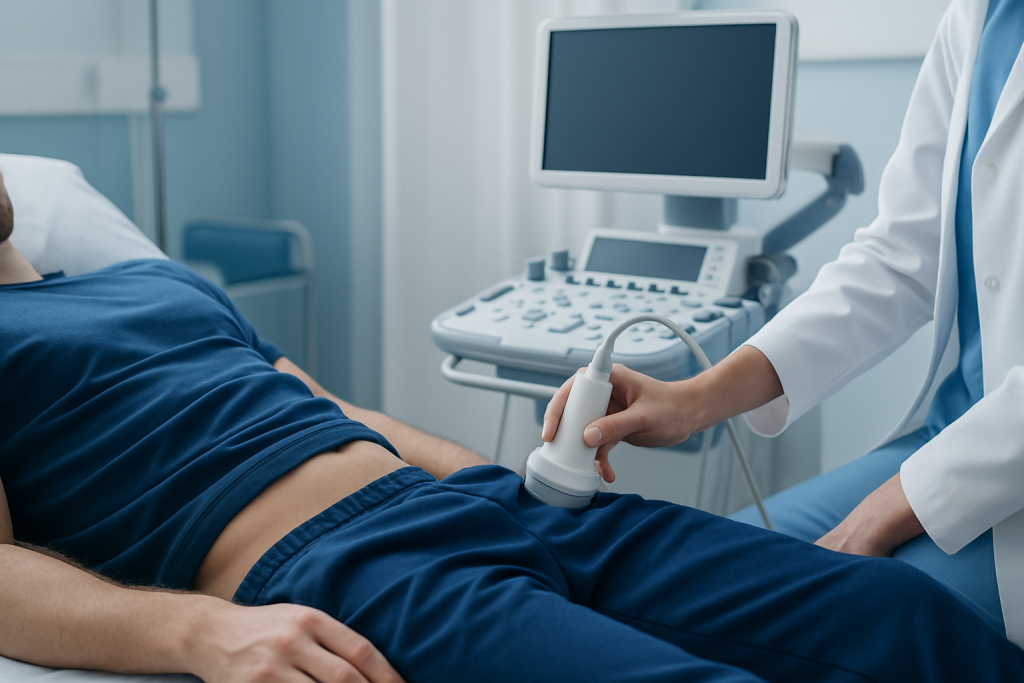
Imaging is chosen based on the suspected source. Ultrasound is often useful for pelvic, bladder, and some abdominal concerns, while other situations may call for CT or additional tests. If pregnancy is possible, pregnancy testing is important because it changes the urgency and the safest imaging and treatment choices. In many cases, diagnosis is not based on one test alone but on how the symptoms, exam, and test results fit together.
When patients arrive from another country, bringing prior records, imaging reports, and medication lists can speed evaluation. Even if earlier tests were done elsewhere, doctors may repeat selected studies if symptoms have changed or if a more current picture is needed.
Treatment Options
Treatment depends entirely on the cause. Mild constipation may improve with dietary changes, hydration, and movement. Urinary tract infections are treated differently from muscle strain, and gynecologic conditions such as endometriosis or ovarian cysts may require a separate plan. The key point is that lower abdominal discomfort is a symptom, so the treatment should match the diagnosis rather than the location alone.
For some patients, conservative care is enough. Rest, fluids, heat applied to the abdomen, and temporary adjustments in activity may help when the cause is minor and a doctor has ruled out more serious problems. Pain relief strategies should be discussed with a clinician, especially when kidney, liver, stomach, or bleeding issues are possible, because not every over-the-counter medicine is appropriate for every person.
When an infection is present, targeted medication may be needed. If a stone, hernia, bowel obstruction, appendicitis, or another structural problem is suspected, imaging and specialist input become more important. In reproductive health conditions, treatment may involve hormones, anti-inflammatory medicine, antibiotics, or surgery, depending on the condition and severity. If a patient needs coordinated evaluation across specialties, multidisciplinary care can be helpful.
For international patients, planning treatment also means planning follow-up. Some problems improve quickly, while others need repeat visits, test review, or symptom tracking after returning home. A clear discharge summary and a defined follow-up plan make that process much safer and less stressful.
Prevention & Self-care
Not every cause of lower abdominal discomfort can be prevented, but a few habits can reduce risk and make symptoms easier to manage. Regular hydration, a fiber-rich diet, and physical activity can help prevent constipation-related pain. Good hand hygiene, safe food practices, and timely treatment of urinary symptoms may lower the chance of infection-related discomfort.
People who notice recurring symptoms can keep a simple symptom diary. Recording the date, location, severity, meal timing, bowel movements, urination changes, menstrual cycle timing, and activity level can reveal patterns that are easy to miss in the moment. This is especially helpful for travelers, because stress, schedule changes, dehydration, and unfamiliar foods can all influence the lower abdomen.
Self-care should remain cautious and temporary. Heat packs, gentle movement, and rest may ease mild discomfort, but worsening pain, new fever, vomiting, blood in urine or stool, or pain that keeps recurring should prompt medical review. If a person is trying to decide whether to fly home, wait, or seek local care, the safest choice is to base the decision on symptom severity and professional advice rather than on convenience alone.
Preventive habits are most effective when they are realistic. The goal is not to monitor every sensation, but to notice meaningful changes early enough to respond well.
When to See a Doctor
Medical review is appropriate when lower abdominal discomfort lasts more than a short time, returns repeatedly, or disrupts normal life. Even if the pain is not severe, repeated episodes can signal a condition that benefits from diagnosis and treatment. A doctor should also be seen if the symptom is accompanied by urinary burning, unusual vaginal discharge, testicular pain, constipation that does not improve, or pain that follows meals or exercise in a consistent pattern.
Urgent care is needed for severe or rapidly worsening pain, fever, fainting, repeated vomiting, a hard or swollen abdomen, blood in the urine or stool, or possible pregnancy with abdominal pain. One-sided pain, especially if sudden, should not be ignored because some causes require timely treatment. People with weakened immune systems, kidney disease, or a history of abdominal surgery should seek evaluation sooner rather than later.
If the symptom began during travel or while abroad, it is reasonable to seek care locally rather than waiting for return travel when the pain is changing or unclear. Acibadem Health Point’s multidisciplinary specialists and JCI-accredited hospitals diagnose and treat these conditions for international patients, which can be helpful when coordinated assessment and follow-up are needed.
As with any health concern, the safest rule is simple: persistent or unusual lower abdominal symptoms deserve a real medical assessment, not just online interpretation. A clear diagnosis often brings both relief and a more effective treatment plan.
Frequently asked questions
01What does low abs routine mean medically?
It is not a formal medical term. Most people use it to describe recurring lower abdominal, pelvic, or groin discomfort. A doctor would look for the actual symptom pattern and underlying cause rather than the phrase itself.
02Can lower abdominal pain come from the kidneys?
Yes, kidney-related problems can sometimes be felt in the lower abdomen, groin, or flank. Stones and infections are two common examples, and both may come with urinary symptoms or fever.
03When is lower abdominal pain an emergency?
Seek urgent care if the pain is severe, sudden, or paired with fever, vomiting, fainting, blood in urine or stool, or a swollen abdomen. Pregnancy with abdominal pain also needs prompt evaluation.
04Should someone try home remedies first?
Mild, short-lived discomfort may improve with rest, fluids, gentle movement, or heat, depending on the cause. However, home care should not delay medical evaluation if the pain is recurrent, worsening, or unexplained.
05What tests are usually done for recurring lower abdominal pain?
Common tests may include a urine test, blood work, pregnancy test when relevant, and imaging such as ultrasound or CT. The exact workup depends on the symptoms and the suspected cause.
06Can stress cause lower abdominal discomfort?
Stress can worsen bowel symptoms such as cramping, bloating, or irritable bowel flares. Still, recurrent pain should not automatically be blamed on stress until a doctor has considered other causes.
This article is for general information only and is not a substitute for professional medical advice. Please consult a qualified doctor about your individual situation.
Persistent digestive symptoms? Get evaluated in Turkey
JCI-accredited · board-certified surgeons · reply within 24h
Add us as a Preferred Source to see more of our trusted health content across Google Search, AI Overviews and Discover.



How can we help you today?
Meet an Acibadem specialist by secure video, before you travel.
Book a video visit