What Is Lesion on Liver? A Complete Medical Guide

Key Takeaways
- A lesion on the liver is a descriptive finding, not a diagnosis by itself.
- Many liver lesions are benign and do not cause symptoms.
- Imaging tests are usually the first step in finding the cause.
- Treatment depends on the type of lesion, its size, and whether it affects liver function.
- New symptoms such as pain, jaundice, or unexplained weight loss should be discussed with a doctor.
A lesion on the liver is a general term for an area of abnormal tissue seen on imaging or, less commonly, felt during evaluation. Many liver lesions are benign, but some need further testing to understand whether they are harmless, inflammatory, or cancerous.
Overview
A lesion on the liver means that an image, such as an ultrasound, CT scan, or MRI, has shown an area that looks different from the surrounding liver tissue. It is a broad medical term. By itself, it does not tell a person whether the finding is harmless, temporary, inflammatory, or something that needs treatment.
For many people, the word “lesion” creates immediate worry. In practice, a large number of liver lesions turn out to be benign findings such as cysts or hemangiomas. Others may reflect infection, inflammation, fat-related change, or, less commonly, a tumor. The next step is usually to identify the pattern of the lesion and match it with the person’s history, blood tests, and imaging features.
For international patients arranging care from another country, the practical question is often not just “What is it?” but “How urgently does it need attention?” A careful review of prior scans, medications, liver health, and symptoms helps a specialist decide whether follow-up imaging, a biopsy, or simple observation is the most appropriate path.
Symptoms
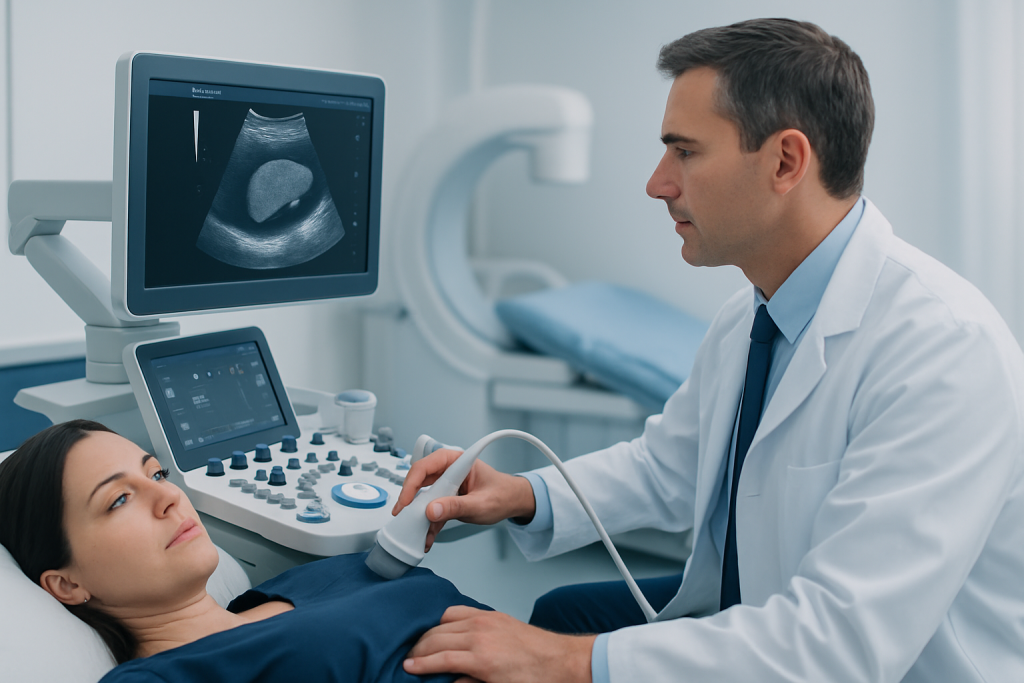
Many liver lesions cause no symptoms at all and are found incidentally during imaging for another reason. This is especially common with small benign lesions. In those cases, the lesion may only become important if it changes over time or if the imaging features are unclear.
When symptoms do occur, they are usually related to the size or location of the lesion, or to the condition causing it. Some people notice discomfort in the upper right abdomen, a feeling of fullness, nausea, reduced appetite, or a vague pressure sensation. More concerning signs such as jaundice, fever, dark urine, pale stools, unexplained weight loss, or swelling of the abdomen deserve prompt medical review.
- Upper abdominal discomfort or fullness
- Unexplained fatigue
- Nausea or reduced appetite
- Jaundice, if bile flow is affected
- Fever, if infection or inflammation is present
Symptoms alone cannot identify the type of lesion. A person may feel completely well and still have a lesion that needs monitoring, while another may have symptoms from an unrelated liver problem. That is why imaging and clinical context matter more than any single symptom.
Causes & Risk Factors
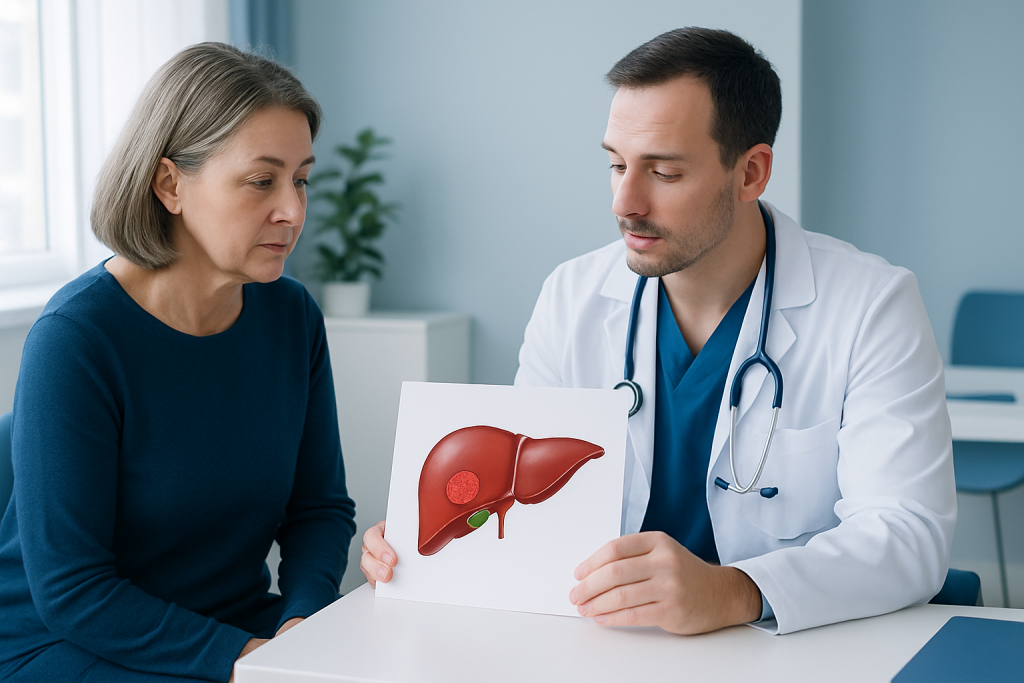
There are several possible reasons for a lesion on the liver. Benign causes include simple cysts, hemangiomas, focal nodular hyperplasia, and areas of fat deposition or fat sparing. Inflammatory causes may include abscesses or changes related to autoimmune or infectious disease. Some lesions represent primary liver tumors, and others are deposits from cancer that started elsewhere in the body.
Risk factors help guide the likely cause, but they do not determine the diagnosis on their own. A person with chronic hepatitis, cirrhosis, heavy alcohol use, metabolic-associated fatty liver disease, or a family history of liver disease may need closer evaluation because these conditions can increase the risk of certain liver lesions, including hepatocellular carcinoma. A history of cancer elsewhere in the body also raises the possibility that a liver lesion could be metastatic.
Travel, recent infection, immune suppression, prior surgery, and certain medications can also matter. For example, a liver abscess may be more likely in someone with a recent infection or biliary problem. A specialist often pieces together these details to decide which lesions can be watched and which require further workup.
Diagnosis
Diagnosis usually begins with a review of the imaging report, not just the word “lesion” itself. The radiology description may mention size, shape, borders, enhancement pattern, density, or whether the lesion looks solid or fluid-filled. These details help narrow the possibilities.
Doctors commonly pair imaging with blood tests to assess liver function and look for signs of inflammation, viral hepatitis, or other conditions that may explain the finding. Depending on the situation, the next study may be a contrast-enhanced CT scan, MRI, or a targeted ultrasound. In some cases, contrast-enhanced liver imaging can characterize a lesion well enough to avoid invasive procedures.
If imaging remains uncertain, a biopsy may be recommended to obtain tissue for analysis. Not every person needs a biopsy. The decision depends on the lesion’s appearance, the person’s overall health, and whether the result would change treatment. For someone coordinating care internationally, bringing prior scans and reports can shorten the diagnostic process and reduce duplicate testing.
Treatment Options
Treatment depends entirely on what the lesion turns out to be. Many benign lesions need no treatment at all once they are confidently identified. A simple cyst, for example, often only needs observation unless it causes symptoms or grows in a way that changes the plan.
Some lesions are monitored with repeat imaging to confirm stability. Others are treated because they are causing pain, bleeding risk, infection, or concern for malignancy. Options may include medication for an underlying infection, drainage of an abscess, surgery for certain benign growths, or cancer-directed treatment when a malignant lesion is diagnosed.
Because liver care is often multidisciplinary, treatment planning may involve gastroenterology, hepatobiliary surgery, oncology, interventional radiology, and pathology. This is especially helpful when a lesion is complex or when a person is deciding whether to travel for a second opinion or definitive care. Acibadem Health Point’s multidisciplinary specialists and JCI-accredited hospitals diagnose and treat liver lesions for international patients with coordinated evaluation and follow-up.
Prevention & Self-care
Not every liver lesion can be prevented, but general liver health steps may lower the risk of some conditions that lead to abnormal findings. Limiting alcohol, maintaining a healthy weight, controlling diabetes, and managing cholesterol can support liver health. Vaccination and screening for hepatitis, when appropriate, also play an important role.
Self-care after a lesion is found is mostly about following the plan carefully. That may include attending repeat imaging, bringing prior reports to appointments, and watching for symptom changes. People should not assume a lesion is harmless simply because they feel well, and they should also not assume it is dangerous before it is fully characterized.
- Keep copies of imaging reports and CDs or digital files
- Ask which findings are reassuring and which need follow-up
- Report new pain, jaundice, fever, or weight loss promptly
- Follow advice on alcohol use, diet, and medication review
For patients recovering away from home, clear written instructions are especially useful. Knowing when to repeat imaging and which specialist should review the results can prevent unnecessary anxiety and missed follow-up.
When to See a Doctor
A doctor should review any new liver lesion, even if it was found by chance. This is particularly important if the imaging report is unclear, the lesion is large, or there is a history of liver disease, cancer, or abnormal liver blood tests. Early review helps sort out whether the lesion needs monitoring, more testing, or treatment.
Prompt medical attention is important if the person develops jaundice, fever, severe abdominal pain, vomiting, confusion, or unexplained swelling. These symptoms do not always mean the lesion itself is dangerous, but they can signal a liver or biliary problem that should not wait.
People traveling from abroad may find it helpful to seek a specialist opinion before making long travel plans for treatment. A focused review of prior imaging and laboratory results can clarify whether care should be arranged locally, monitored over time, or handled by a liver specialist center.
Living With a Liver Lesion
Living with a liver lesion often means living with uncertainty for a short period while the diagnosis is being clarified. Once the lesion is identified, many people discover that the finding is benign or stable and only needs periodic checkups. Others may need a structured treatment plan, but even then, the situation is usually manageable when handled early.
The most helpful approach is to keep communication simple and organized: know the exact name of the lesion if available, understand the follow-up interval, and know which symptoms should trigger a return visit. This reduces stress and makes it easier to coordinate care across appointments or across borders.
If the lesion turns out to be complex, getting care from a team experienced in liver imaging, surgery, and oncology can make the process smoother. The goal is not only to treat the finding but also to preserve liver function and help the person move forward with confidence.
Frequently asked questions
01What does a lesion on the liver mean?
It means an area of the liver looks different from normal tissue on imaging or examination. It is not a final diagnosis, because many different conditions can create that appearance. Further evaluation is usually needed to identify the cause.
02Is a lesion on the liver always cancer?
No. Many liver lesions are benign, such as cysts or hemangiomas. Doctors look at the imaging details, blood tests, and medical history to decide whether the lesion is harmless or needs more testing.
03Can a liver lesion go away on its own?
Some lesions remain stable for years, while others may improve if the underlying cause is treated. Whether it changes depends on the type of lesion. A doctor can advise if follow-up imaging is needed.
04How is a liver lesion found?
It is most often found during an ultrasound, CT scan, or MRI done for another reason. Sometimes it is seen during an evaluation for pain, abnormal blood tests, or liver disease. Imaging usually provides the first clues about what it is.
05Does every liver lesion need a biopsy?
No. Many lesions can be identified with imaging and clinical information alone. A biopsy is considered when the diagnosis is still uncertain and tissue information would change treatment.
06What symptoms should not be ignored?
Jaundice, fever, severe abdominal pain, unexplained weight loss, vomiting, or abdominal swelling should be discussed with a doctor promptly. These symptoms may indicate a liver or biliary problem that needs evaluation.
This article is for general information only and is not a substitute for professional medical advice. Please consult a qualified doctor about your individual situation.
Medical weight-loss options in Turkey — costs & eligibility
JCI-accredited · board-certified surgeons · reply within 24h
Add us as a Preferred Source to see more of our trusted health content across Google Search, AI Overviews and Discover.