What Is Ketamine Used for? Causes, Explanations, and Next Steps
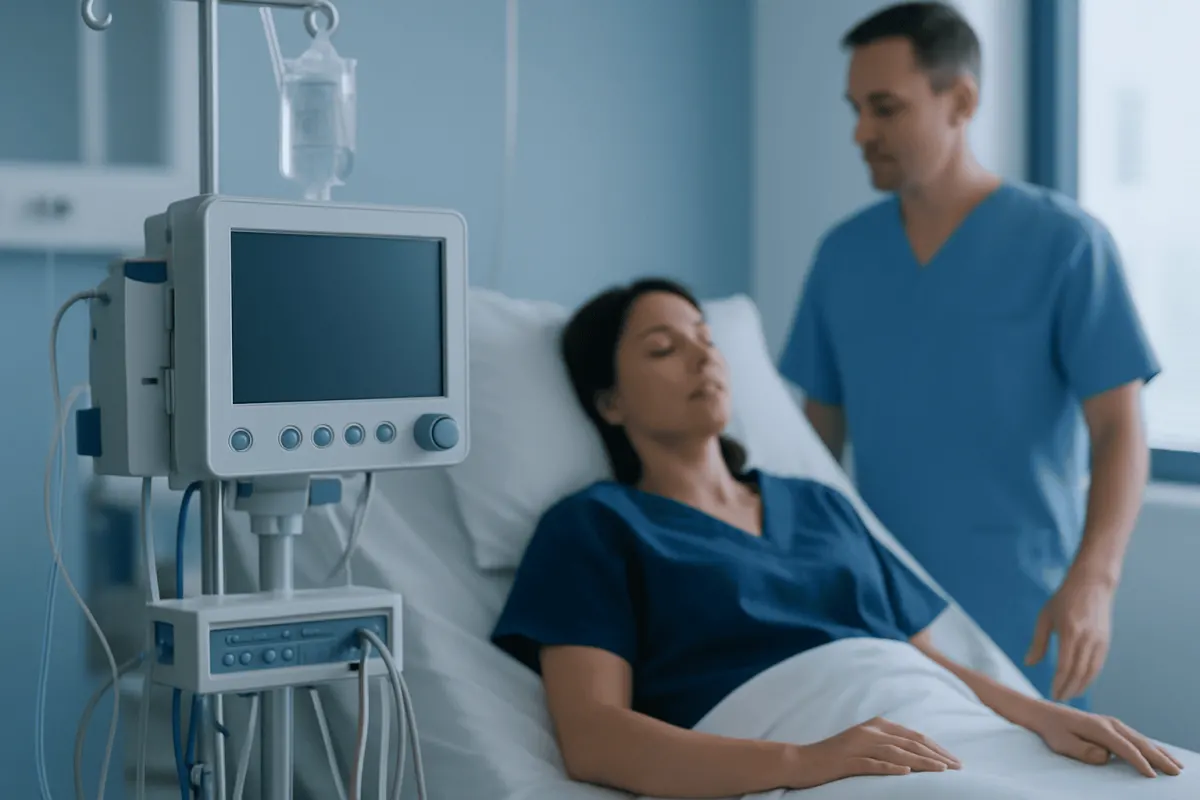
Ketamine is a medicine with established uses in anesthesia and pain management, and in some settings it may also be used for certain severe mental health conditions under specialist care. For many people, questions about ketamine can be answered with reassurance, but unusual symptoms, side effects, or unsupervised use should prompt medical review.
Overview: what ketamine is used for
For most people, ketamine is a legitimate medical drug used safely in controlled settings. The main answer to the question what is ketamine used for is that it is used for anesthesia during procedures, for certain types of pain management, and in selected cases for severe depression when standard treatments have not worked well enough.
Ketamine is not a first-line treatment for every problem, and it is not appropriate for self-treatment. Its effects on the brain and body can be helpful when guided by trained clinicians, but those same effects can also cause side effects or risks if it is used without supervision. That is why medical teams carefully assess who may benefit, how it should be given, and how the person should be monitored.
If someone has troubling symptoms after ketamine, has used it outside medical care, or is wondering whether it may help a difficult health condition, the next step is usually a medical review rather than guesswork. Doctors can clarify whether symptoms are expected and temporary, whether ketamine is suitable, or whether another diagnosis or treatment is more appropriate.
Common medical uses of ketamine
Ketamine has been used for many years as an anesthetic medicine. In hospitals, it may be given before or during surgery and certain procedures because it can provide sedation, pain relief, and dissociation while helping preserve breathing reflexes in some situations. This makes it useful in operating rooms, emergency care, and some short procedures when a clinician decides it is the right option.
It may also be used as part of pain management. Specialists sometimes consider ketamine for severe acute pain, pain during procedures, or complex pain conditions when other approaches have not been enough. In these settings, ketamine is typically just one part of a broader pain plan that may also include other medicines, physical strategies, and treatment of the underlying cause.
Another area of use is mental health care. In carefully selected patients, ketamine or related treatments may be considered for severe or treatment-resistant depression under psychiatric supervision. This does not mean it is suitable for every low mood or anxiety symptom. A specialist usually weighs potential benefits against risks and considers established treatments such as psychotherapy and standard antidepressant medicines first. People being evaluated for persistent low mood may also need assessment for related conditions such as depression.
Less commonly, ketamine may be used in intensive care or specialized settings for sedation or difficult-to-control symptoms. The exact use depends on the patient’s age, general health, diagnosis, and the clinical team’s goals.
How ketamine works and why supervision matters

Ketamine acts on brain signaling pathways, especially the N-methyl-D-aspartate, or NMDA, receptor system. By altering these signals, it can reduce pain perception, create anesthesia, and affect mood-related brain circuits. These actions explain why one medicine can have several different medical uses.
However, ketamine can also affect perception, awareness, blood pressure, heart rate, and coordination. Some people feel detached, dream-like, dizzy, or nauseated. Others may experience temporary confusion or unusual sensory experiences. In a controlled medical setting, staff monitor these effects and can adjust treatment if needed.
Supervision matters because the right dose, route, and monitoring are different for anesthesia, pain treatment, and psychiatric care. A person receiving ketamine in a hospital or clinic is usually assessed beforehand, observed during treatment, and checked afterward for side effects or complications. This is especially important for older adults, people with heart disease, seizure disorders, substance use concerns, or complex mental health conditions.
When ketamine is being considered for mental health treatment, doctors may discuss alternatives such as standard psychiatric care, medication review, and therapies tailored to the person’s diagnosis. In some centers, care may involve specialists in psychiatry working alongside anesthesiology or pain teams.
Possible side effects and warning signs
Many side effects of ketamine are short-lived and settle after the medicine wears off. Common effects can include sleepiness, dizziness, nausea, vomiting, blurred vision, a floating sensation, vivid dreams, and temporary increases in blood pressure or heart rate. In monitored medical use, these effects are usually anticipated and managed by the care team.
More significant reactions need prompt medical attention. Red flags include severe agitation, chest pain, fainting, trouble breathing, persistent confusion, seizures, severe vomiting, or signs of an allergic reaction such as facial swelling or widespread rash. Anyone with these symptoms should seek urgent care rather than wait for them to improve on their own.
Unsupervised or repeated non-medical use can lead to additional concerns. These may include accidents and injuries, memory and concentration problems, worsening mental health symptoms, dependency, and urinary tract problems such as pain with urination or frequent urination. A doctor can help assess whether symptoms are linked to ketamine or another condition affecting the bladder, kidneys, or nervous system.
- Seek urgent help for breathing problems, collapse, seizures, or severe confusion.
- Arrange a medical review for persistent urinary symptoms, mood changes, or memory concerns.
- Tell the clinician about all medicines, alcohol, or recreational drugs taken, as combinations can increase risk.
How doctors assess whether ketamine is appropriate
The diagnostic process starts with the reason ketamine is being considered. For surgery or procedures, the team reviews the planned intervention, previous anesthetic history, allergies, medical conditions, and current medicines. For pain treatment, they look at the type of pain, how long it has been present, what treatments have already been tried, and whether there are signs of a condition that needs specific treatment.
For mental health use, assessment is usually more detailed. A psychiatrist or other qualified clinician will ask about symptoms, past treatments, mood changes, suicidal thoughts, substance use, sleep, trauma history, and other medical illnesses that may affect safety. Some people may need tests such as blood pressure checks, blood tests, or heart rhythm assessment depending on their health background.
Doctors also look for reasons ketamine may not be the best choice. These can include uncontrolled high blood pressure, certain heart conditions, active psychosis, some substance use disorders, or other risks that make side effects more likely. This kind of assessment helps ensure that treatment is individualized rather than routine.
When pain is the main issue, imaging or specialist evaluation may be needed to identify the underlying source. In some cases, a person with nerve-related pain may benefit from broader evaluation in pain management or from review of conditions involving the brain, nerves, or spine.
Treatment pathways and alternatives
If ketamine is used, the treatment plan depends on the medical goal. For anesthesia, it is administered by trained professionals in settings equipped for monitoring. For pain, it may be used as a one-time treatment or as part of a structured plan for acute or complex pain. For psychiatric indications, it is generally delivered in specialist settings with observation before, during, and after treatment.
Ketamine is only one option among many. For pain, alternatives may include non-opioid pain relievers, nerve pain medicines, physical therapy, interventional procedures, or treatment of the root cause. For mental health conditions, standard antidepressants, psychotherapy, lifestyle measures, and combined care approaches remain central and may be tried before ketamine or alongside it.
People sometimes ask whether ketamine “cures” a condition. In most cases, it is better understood as a tool that may relieve symptoms or help stabilize a person long enough for a broader treatment plan to work. Lasting improvement often depends on ongoing follow-up and care of the underlying condition.
If a person has symptoms connected with severe low mood, anxiety, poor sleep, or reduced daily functioning, they may need a wider mental health evaluation. Depending on the pattern of symptoms, clinicians may also assess for related concerns such as anxiety disorder and discuss referrals for neurology or psychiatric review when needed.
Prevention, self-care, and safe next steps
The safest approach to ketamine is to use it only under qualified medical guidance. People should avoid taking ketamine from non-medical sources or using someone else’s prescription or treatment plan. They should also tell their care team about all medications, supplements, alcohol use, and any history of substance misuse or difficult reactions to anesthesia.
After a medically supervised ketamine treatment, rest, hydration, and having a responsible adult available may be advised, depending on the setting. Driving, alcohol, and important decisions are often best avoided until the effects have fully worn off and the treating clinician says it is safe. People should follow aftercare instructions closely and report any symptoms that persist longer than expected.
For those exploring ketamine for depression or pain, self-care also includes keeping realistic expectations. It is helpful to ask what the treatment is intended to do, how improvement will be measured, what side effects to watch for, and what backup plan exists if it does not help. Keeping follow-up appointments is an important part of safe care.
Acıbadem Health Point’s multidisciplinary specialists and JCI-accredited hospitals diagnose and treat patients who may need anesthesia, pain care, or mental health assessment, including international patients seeking coordinated evaluation.
When to seek medical care
Medical review is advisable if a person has persistent or worrying symptoms after ketamine, is considering ketamine for depression or pain, or has used ketamine outside medical supervision. In many cases, concerns turn out to be manageable, but it is still important to check for medication interactions, hidden health conditions, or side effects that need follow-up.
Urgent care is needed for severe breathing difficulty, collapse, chest pain, seizure, extreme agitation, suicidal thoughts, or prolonged confusion. These symptoms are not typical everyday after-effects and should not be ignored. Family members or friends should seek help immediately if the person cannot do so safely themselves.
A planned appointment is appropriate for milder but ongoing issues such as urinary discomfort, frequent urination, memory problems, low mood, anxiety, sleep disruption, or recurrent pain. A clinician can review the full picture, explain whether ketamine played a role, and guide safer next steps.
Frequently asked questions
01Is ketamine mainly used as an anesthetic?
Yes. Ketamine has long been used as an anesthetic medicine for surgery, emergency care, and short procedures. It may also be used for pain control and, in selected specialist settings, for severe depression.
02Can ketamine be used for depression?
In some cases, yes. Specialists may consider ketamine or related treatments for treatment-resistant depression or severe symptoms when standard treatments have not been enough. This is usually done under close psychiatric and medical supervision.
03What side effects can ketamine cause?
Common side effects can include dizziness, nausea, sleepiness, a detached feeling, blurred vision, or temporary changes in blood pressure and heart rate. More serious symptoms such as trouble breathing, severe confusion, chest pain, or seizures need urgent medical attention.
04Is ketamine safe?
Ketamine can be safe when used in the right patient, for the right reason, and in a supervised medical setting. Its safety depends on the dose, route, medical history, and monitoring. It is not safe to assume that medical ketamine and non-medical use carry the same level of risk.
05How do doctors decide whether ketamine is right for someone?
Doctors review the person's symptoms, diagnosis, past treatments, medicines, medical history, and possible risk factors. They also consider alternatives and whether monitoring is available. The goal is to balance likely benefit with safety.
06Can ketamine be addictive?
It can be misused, and repeated unsupervised use may lead to dependency or other harms. Risk is higher outside medical care or in people with a history of substance use problems. Anyone worried about misuse should speak with a healthcare professional promptly and without judgment.
This article is for general information only and is not a substitute for professional medical advice. Please consult a qualified doctor about your individual situation.
Explore treatments in Turkey — costs, top hospitals & a free quote
JCI-accredited · board-certified surgeons · reply within 24h
Add us as a Preferred Source to see more of our trusted health content across Google Search, AI Overviews and Discover.