What Is Gynecomastia and Why Does It Happen?

Gynecomastia is the enlargement of glandular breast tissue in males, usually caused by a shift in the balance between estrogen and androgen effects. It is common at certain life stages, may resolve without treatment, and can be assessed and treated when it causes discomfort or concern.
What Is Gynecomastia?
What is gynecomastia? It is a benign increase in glandular breast tissue in males, usually felt as a firm or rubbery area beneath the nipple and areola. It can affect one or both sides of the chest and may be uneven. Gynecomastia in men is common during life stages when hormone levels naturally change, including infancy, puberty, and later adulthood.
What is gynecomastia made of? It is made mainly of enlarged breast gland tissue, including ducts and supportive tissue, although fat may also be present. This differs from pseudogynecomastia, sometimes called lipomastia, in which chest enlargement is caused mainly by excess fatty tissue rather than growth of the breast gland itself. Both can occur together, particularly when body weight has increased.
The term gynecomastia is specifically used for glandular breast enlargement in males. The phrase gynecomastia in women can be misleading because female breast development is normally driven by hormones and is evaluated differently. Any new, persistent, or unusual breast change in a woman should be discussed with a qualified clinician.
How Do You Know If It's Gynecomastia?
Gynecomastia commonly appears as a rounded or disc-like area of tissue directly behind the nipple. It may feel firmer than surrounding chest fat and can range from a small amount of tissue to more noticeable breast enlargement. In contrast, pseudogynecomastia tends to feel softer and more diffuse across the chest, without a distinct area beneath the nipple.
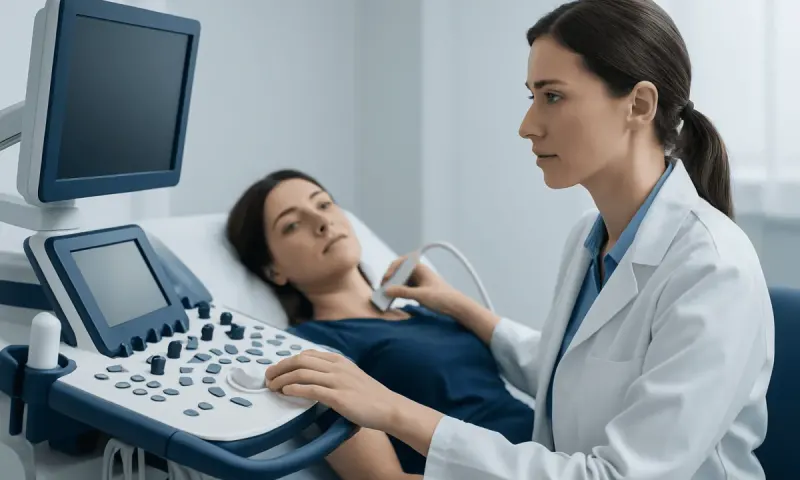
A physical examination is the most useful first step in determining whether breast enlargement is gynecomastia. The clinician will ask when it started, whether it is changing, and whether there are symptoms such as tenderness, nipple discharge, or a testicular lump. They will also review current medicines, supplements, alcohol intake, recreational substances, medical history, and family history.
Blood tests or imaging are not needed in every case. However, a clinician may recommend hormone, liver, kidney, or thyroid testing when the history or examination suggests an underlying condition. Ultrasound or mammography may be used if a breast finding needs closer assessment or if there are features that are not typical of gynecomastia.
Is Gynecomastia Painful to Touch?

Gynecomastia can be painful or tender to touch, particularly while glandular tissue is actively growing. Tenderness may be felt around or behind the nipple and may occur on one or both sides. The discomfort is often mild, but some people notice sensitivity when clothing rubs against the chest or during exercise.
Long-standing gynecomastia is often less tender because the tissue becomes more stable over time. The presence or absence of pain does not confirm the cause, and tenderness alone does not mean that a serious condition is present. Still, new pain, ongoing soreness, or rapidly changing breast tissue deserves medical review.
Supportive clothing, avoiding repeated pressing or checking of the area, and using suitable non-prescription pain relief if a clinician or pharmacist advises it may help with temporary discomfort. Persistent pain should not be managed only at home, especially if it occurs with a hard lump, skin change, nipple discharge, or swelling in the armpit.
What Is the Main Cause of Gynecomastia?
The main cause of gynecomastia is a relative increase in estrogen effect compared with androgen effect in breast tissue. This does not always mean that estrogen levels are high or that testosterone levels are low on a blood test; rather, the balance of hormone signals affecting the breast has changed. Temporary hormone shifts during puberty are among the most frequent reasons for gynecomastia.
When patients ask what gynecomastia is caused by, the answer can also include certain medicines, supplements, and health conditions. Examples include some anti-androgen medicines, spironolactone, some antipsychotic medicines, certain medicines used for HIV, and anabolic-androgenic steroids. Alcohol use, liver or kidney disease, an overactive thyroid, undernutrition followed by refeeding, and conditions that reduce testosterone can also contribute. A clinician should review any possible medicine-related cause before a person changes or stops prescribed treatment.
Less commonly, gynecomastia may be associated with a hormone-producing tumor or a testicular condition, which is why a medical assessment is important when breast growth is sudden, progressive, or unexplained. Weight gain does not directly create glandular gynecomastia, but it can increase chest fat and make breast enlargement more apparent. Chest exercises can strengthen muscle but do not remove breast gland tissue.
How Does Gynecomastia Go Away?
How gynecomastia goes away depends on its cause, duration, and the person’s age. In newborns and many adolescents, it often reduces naturally as hormone levels settle, although this may take months or sometimes longer. When gynecomastia is linked to a reversible trigger, such as a medicine or an underlying hormone condition, treating or correcting that trigger may allow the breast tissue to become smaller.
Long-standing glandular tissue is less likely to disappear completely on its own because it can become more fibrous over time. For mild, stable gynecomastia without concerning findings, a clinician may recommend observation and follow-up. Gynecomastia treatment may also involve managing an underlying endocrine, liver, kidney, or thyroid condition. In selected early and painful cases, a specialist may consider medication, but medication is not appropriate or necessary for everyone.
Healthy weight management can reduce the fatty component of chest enlargement and support overall health, but it may not remove established glandular tissue. Avoiding anabolic steroids and discussing nonessential supplements with a clinician may reduce avoidable hormone-related triggers. There is no proven home remedy, massage technique, or targeted exercise that reliably removes glandular gynecomastia.
What Is Gynecomastia Surgery?
What is gynecomastia surgery? It is a procedure to improve chest contour by removing excess glandular breast tissue, excess fat, or both. It may be considered when gynecomastia persists, causes significant physical or emotional discomfort, or does not improve after an identifiable cause has been addressed. It is not intended as a substitute for weight management or for evaluation of a new breast lump.
People may ask what gynecomastia surgery is called. It is commonly called Breast Reduction: Surgery, Recovery, and Outcomes" class="ahp-ilk">male breast reduction surgery, reduction mammaplasty, or subcutaneous mastectomy, depending on the technique used. A suitable candidate is usually in good general health, has a stable weight, does not have untreated causes of breast enlargement, and has realistic expectations. For adolescents, clinicians often allow time for natural resolution before considering surgery unless there is a compelling reason to intervene.
What is gynecomastia surgery for men likely to involve? The exact plan is individualized after an examination and discussion of chest shape, skin elasticity, and the amount of glandular and fatty tissue. Typical steps include:
- Pre-operative assessment, medication review, and surgical planning.
- Anesthesia chosen according to the procedure and the person’s health needs.
- Liposuction to remove suitable fatty tissue, when needed.
- A small incision, often around the areola, to remove firm glandular tissue.
- Contouring, wound closure, and placement of a compression garment; temporary drains are used in some cases.
Recovery generally involves swelling, bruising, and soreness during the first days and weeks. Many people can return to light daily activities relatively soon, but the surgeon will advise when work, driving, exercise, and upper-body lifting can safely resume. Swelling can take weeks to settle and scars mature gradually over months. Benefits may include a flatter, more proportionate chest and relief from tenderness or self-consciousness. Risks include bleeding, infection, fluid collection, visible scarring, changes in nipple sensation, contour irregularity, asymmetry, anesthesia-related complications, and a possible need for further treatment.
When to Seek Medical Care
A person should arrange a medical appointment for new or enlarging breast tissue, especially if it begins after puberty or later in adulthood. Assessment is particularly important for a hard or fixed lump, enlargement on one side that is clearly different from the other, nipple discharge or bleeding, skin dimpling, nipple retraction, swollen lymph nodes, a testicular lump, unexplained weight loss, or persistent breast pain. These features do not necessarily indicate a serious condition, but they should be checked promptly.
It is also sensible to seek care if breast enlargement is affecting confidence, daily comfort, exercise, or emotional wellbeing. A primary care clinician, endocrinologist, or appropriately qualified breast or plastic surgeon can help identify the cause and discuss options. For Myomectomy Recovery for International Patients: The Usual Travel Timeline" class="ahp-ilk">international patients, Acıbadem Health Point’s multidisciplinary specialists at JCI-accredited hospitals can assess and treat gynecomastia according to individual clinical needs.
Frequently asked questions
01Can gynecomastia affect only one breast?
Yes. Gynecomastia can affect both breasts or only one, and one side may be more noticeable than the other. A new one-sided change should be examined so a clinician can confirm the cause and rule out other breast conditions.
02Can weight loss get rid of gynecomastia?
Weight loss may reduce chest fullness caused by fat, especially in pseudogynecomastia. However, it may not remove established glandular breast tissue. A clinician can help distinguish between mainly fatty and mainly glandular enlargement.
03Does gynecomastia increase the risk of male breast cancer?
Gynecomastia itself is not considered a cause of male breast cancer. However, breast cancer can occur in males, so a hard, fixed, painless lump, nipple bleeding, skin changes, or enlarged underarm nodes should be assessed promptly.
04How long does pubertal gynecomastia last?
Pubertal gynecomastia often improves as hormone levels stabilize, but the timeframe varies from person to person. If it is persistent, worsening, painful, or causing significant distress, a clinician can assess whether further investigation or treatment is appropriate.
05Can gynecomastia come back after surgery?
Surgery removes the tissue present at the time of treatment and can provide lasting contour improvement. However, recurrence can occur if a hormone imbalance, certain medicines, anabolic steroid use, or substantial weight changes continue or develop later. Addressing the underlying cause helps reduce this possibility.
06Should someone stop a medicine if they think it is causing gynecomastia?
No prescribed medicine should be stopped without medical advice. A clinician can review whether the medicine is a possible contributor and decide whether an alternative, dose adjustment, or monitoring plan is safe and appropriate.
This article is for general information only and is not a substitute for professional medical advice. Please consult a qualified doctor about your individual situation.
Explore treatments in Turkey — costs, top hospitals & a free quote
JCI-accredited · board-certified surgeons · reply within 24h
Add us as a Preferred Source to see more of our trusted health content across Google Search, AI Overviews and Discover.