What Is Ganglion Cyst Ankle? A Complete Medical Guide

Key Takeaways
- A ganglion cyst ankle is usually a benign, fluid-filled lump arising from a joint or tendon sheath.
- Symptoms can include a visible bump, tenderness, pressure pain, stiffness, or discomfort from shoes.
- Diagnosis is often clinical, with imaging used when the diagnosis is unclear or another condition must be ruled out.
- Treatment ranges from observation and footwear changes to aspiration or surgical removal in selected cases.
- Recurrence can happen, so treatment decisions should consider symptoms, activity level, and the cyst’s location.
A ganglion cyst ankle is a noncancerous fluid-filled lump that can develop near the ankle joint or tendons. It is often harmless, but it may cause pain, pressure, or shoe irritation and should be assessed if it changes, becomes painful, or limits movement.
Overview
A ganglion cyst ankle is a soft or firm, fluid-filled lump that forms near the ankle joint or along a tendon. It is not cancer and does not spread, but it can be noticeable, uncomfortable, or irritating when walking, exercising, or wearing shoes.
These cysts are connected to joint or tendon tissue and contain a thick, jelly-like fluid. Some appear suddenly, while others grow slowly and are only discovered when a person notices swelling or pressure around the ankle. In many cases, the cyst is more of a nuisance than a danger, but its location can make even a small lump hard to ignore.
For people traveling for care, ankle lumps can be especially frustrating because the problem may affect mobility during flights, sightseeing, or work trips. A clear diagnosis helps distinguish a ganglion cyst from other causes of ankle swelling, such as bursitis, tendon irritation, lipoma, or less commonly infection and other growths.
Symptoms
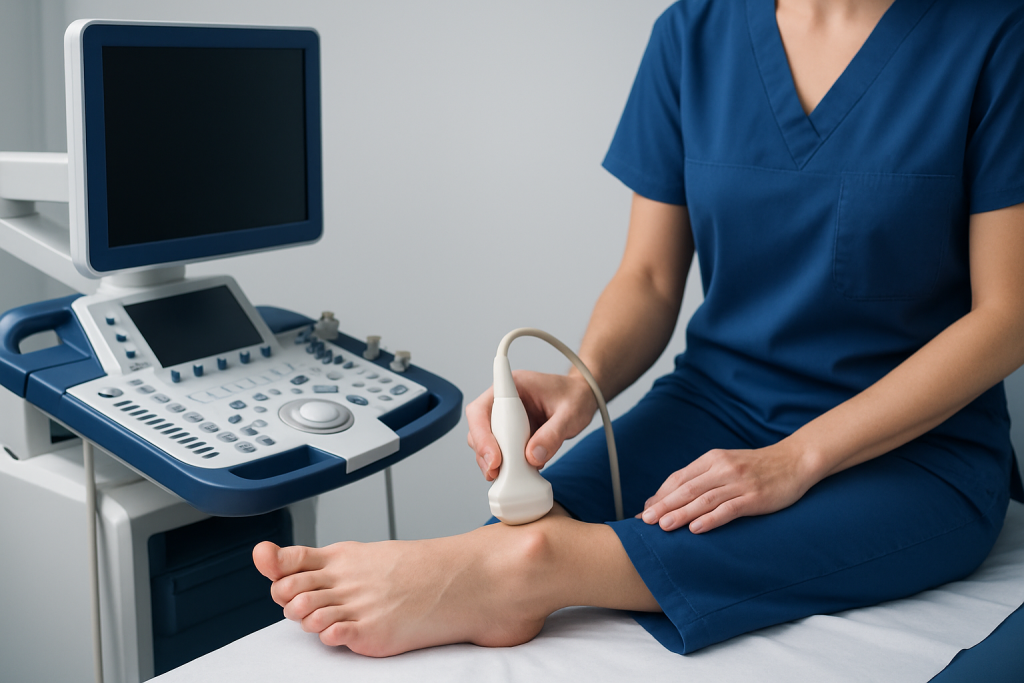
The most common sign is a round or oval lump near the ankle. It may feel smooth, rubbery, or slightly firm, and its size can change over time. Some ganglion cysts stay small and barely noticeable, while others become large enough to press against nearby tissues.
Symptoms depend on where the cyst sits and whether it touches a nerve, tendon, or shoe collar. A person may notice aching pain, tenderness when the area is pressed, stiffness with movement, or a feeling of fullness around the joint. Some cysts are painless but become bothersome because of shoe friction or repeated rubbing during walking.
Less often, the cyst may cause tingling, numbness, or weakness if it presses on a nearby nerve. If the skin becomes red, warm, or increasingly painful, another problem may be present and medical assessment is important.
- Visible or felt lump near the ankle
- Pain with pressure, walking, or footwear
- Stiffness or reduced comfort during movement
- Occasional tingling or numbness
- Change in size over days, weeks, or months
Causes & Risk Factors

Experts do not always know exactly why a ganglion cyst forms, but it is thought to develop when joint fluid collects in a small sac or outpouching near a joint capsule or tendon sheath. Repeated minor stress may contribute, although many people cannot identify a clear trigger.
The ankle is a busy weight-bearing joint, and this constant motion can place stress on the surrounding structures. Activities that involve running, jumping, twisting, or prolonged standing may be associated with symptoms, especially when the cyst sits in a spot that rubs against shoes or nearby tissues.
Risk factors are not as well defined as they are for some other conditions, but ganglion cysts can occur in adults of many ages. A previous joint or tendon irritation, a history of similar cysts elsewhere, or repetitive ankle strain may make them more likely to appear or recur.
It is helpful to remember that a ganglion cyst is usually not caused by poor hygiene, poor circulation, or a serious internal disease. Most cases arise from mechanical and structural factors rather than something a person did “wrong.”
Diagnosis
Diagnosis usually begins with a medical history and a physical examination. A clinician will ask when the lump appeared, whether it changes in size, what it feels like, and whether it causes pain, numbness, or difficulty with shoes and activity.
In many cases, the appearance and feel of the mass strongly suggest a ganglion cyst. A doctor may gently examine the ankle’s movement and location of tenderness to understand whether the lump is connected to a joint or tendon.
Imaging is sometimes used to confirm the diagnosis or rule out other conditions. Ultrasound can help show whether the lump is fluid-filled, while MRI may be recommended if the cyst is deep, unusually placed, painful, or not clearly distinguishable from another mass. In selected situations, a needle procedure may be used to draw off fluid for both relief and confirmation.
When patients seek care from abroad, imaging records and prior reports are especially useful. Bringing previous scans, a medication list, and any notes about how the lump has changed can make the consultation more efficient and reduce unnecessary repeat testing.
Treatment Options
Not every ganglion cyst ankle needs treatment. If the lump is small, not painful, and not interfering with daily life, a clinician may recommend watchful waiting. Some cysts remain stable for long periods or even shrink on their own.
When symptoms are present, treatment is usually chosen based on how much the cyst affects walking, footwear, sports, or sleep. Shoe modifications, padding, activity adjustment, and anti-inflammatory pain relief may help ease discomfort, although they do not always remove the cyst itself.
Needle aspiration may be considered in some cases, especially when the cyst is tense or bothersome. This involves drawing out the fluid, but recurrence is possible because the cyst lining and connection to the joint may remain. Surgical removal may be recommended for recurrent, painful, or persistent cysts, particularly if the mass is pressing on a nerve or interfering with function.
Any procedure should be discussed carefully with a qualified doctor, because the ankle contains important tendons, nerves, and blood vessels. The best option often depends on whether the person’s main concern is pain relief, appearance, mobility, or reducing the chance of recurrence.
- Observation when the cyst is small and symptom-free
- Footwear changes and padding to reduce pressure
- Activity modification during flare-ups
- Aspiration in selected cases
- Surgical excision for persistent or recurrent cysts
Prevention & Self-care
There is no guaranteed way to prevent a ganglion cyst ankle, but some practical steps may reduce irritation and help symptoms stay manageable. Supportive shoes with enough room around the ankle can reduce rubbing, and soft padding may help if the lump is exposed to pressure.
People who notice flares after certain activities may benefit from pacing their movement and avoiding repeated stress until the area settles. Gentle ankle motion, as advised by a clinician, can help maintain comfort and flexibility without overloading the joint.
Self-care should remain simple and safe. It is best not to try to puncture or squeeze the cyst at home, because this can lead to infection, injury, or incomplete drainage. Monitoring the lump for changes in size, pain, skin color, or movement-related symptoms is usually more helpful than frequent manipulation.
If the cyst recurs after treatment, that does not necessarily mean anything dangerous is happening. Recurrence is a known feature of ganglion cysts, and the care plan may need to be adjusted after follow-up assessment.
When to See a Doctor
Medical evaluation is wise if a lump near the ankle is new, painful, growing, or making it harder to walk comfortably. A clinician should also assess the area if the diagnosis is uncertain, because not every ankle mass is a ganglion cyst.
Prompt care is especially important if the skin becomes red or warm, there is fever, the lump appears after an injury, or there is numbness, tingling, or weakness in the foot. These features can suggest another condition that needs a different approach.
People planning travel or who are already away from home should seek assessment before a trip if the cyst is causing increasing pain or limiting mobility. For international patients, a coordinated evaluation can help determine whether conservative care, imaging, aspiration, or surgery is most appropriate before returning home. Acibadem Health Point’s multidisciplinary specialists and JCI-accredited hospitals diagnose and treat this condition for international patients.
In general, a ganglion cyst ankle is not an emergency, but it should not be dismissed if it changes or interferes with daily life. A qualified doctor can confirm the cause and explain whether simple observation or active treatment is the better choice.
Living With a Ganglion Cyst on the Ankle
Many people live with a ganglion cyst ankle without major problems, especially when the lump is small and does not press on surrounding tissue. The main challenge is often practical: shoes may feel tighter, walking may be less comfortable, and the cyst may become more noticeable during active periods.
Following the care plan consistently helps. That may include watching for changes, choosing footwear that avoids pressure, and returning for follow-up if the cyst grows or symptoms increase. If surgery or aspiration is performed, aftercare and monitoring matter because the area may need time to settle and the cyst can return.
For patients who are far from home, the most useful approach is to organize records, imaging, and a clear follow-up plan before leaving. That makes it easier for a local clinician to continue care if needed and helps the patient stay focused on recovery rather than guesswork.
This article is intended for general education and does not replace an individual medical assessment. A doctor or foot-and-ankle specialist can confirm the diagnosis and discuss the safest treatment based on the person’s symptoms and exam findings.
If the ankle lump is new, painful, or changing, an evaluation is the most reliable next step. Even when the cause turns out to be a ganglion cyst, proper assessment helps ensure that the correct condition is identified and managed appropriately.
Frequently asked questions
01What is a ganglion cyst ankle in simple terms?
It is a noncancerous, fluid-filled lump that usually develops near the ankle joint or a tendon. It may be painless or it may cause discomfort because of pressure, walking, or shoe friction.
02Does a ganglion cyst ankle go away on its own?
Some ganglion cysts remain unchanged for a long time, and some shrink without treatment. Others persist or return, so follow-up is useful if symptoms continue or the lump grows.
03Can a ganglion cyst ankle be dangerous?
Most are not dangerous and are considered benign. However, a doctor should evaluate any lump that is painful, rapidly changing, red, warm, or associated with numbness or weakness.
04How is an ankle ganglion cyst usually diagnosed?
A doctor often diagnoses it by examining the lump and asking about symptoms. Ultrasound or MRI may be used if the diagnosis is not clear or if another condition needs to be ruled out.
05Is surgery always needed for a ganglion cyst ankle?
No. Many people do well with observation, shoe changes, or other conservative care. Surgery is usually reserved for cysts that are painful, recurrent, or interfering with function.
06Can I pop or drain it at home?
No, home puncture or squeezing is not recommended. It can cause infection or injury and may not remove the cyst fully.
This article is for general information only and is not a substitute for professional medical advice. Please consult a qualified doctor about your individual situation.
Joint and spine care in Turkey — expert assessment & treatment
JCI-accredited · board-certified surgeons · reply within 24h
Add us as a Preferred Source to see more of our trusted health content across Google Search, AI Overviews and Discover.