What Is Cheekbones Swollen? A Complete Medical Guide

Key Takeaways
- Swelling over the cheekbones is a sign, not a diagnosis, and several different conditions can cause it.
- Pain, fever, redness, trouble opening the mouth, or vision changes may point to a condition that needs prompt evaluation.
- Dental and sinus problems are common reasons for upper cheek swelling, but injury and allergic reactions can also be involved.
- Diagnosis usually starts with a medical history and physical exam, with imaging or blood tests used when needed.
- Treatment depends on the cause and may include allergy care, antibiotics, dental treatment, or measures for injury-related swelling.
Cheekbones swollen usually means there is swelling over the upper cheek area, often from infection, allergy, injury, dental problems, or inflammation. The cause is not always serious, but a medical assessment helps determine whether it is minor, urgent, or related to another condition.
Overview
When someone says their cheekbones are swollen, they are usually describing puffiness or fullness along the upper cheeks, just below the eyes and beside the nose. The medical term may vary depending on the cause, but the important point is that this area has become visibly enlarged, tender, or tight.
Swelling in this part of the face can develop suddenly or slowly. It may affect one side or both sides, and it can appear with redness, discomfort, pressure, warmth, or no pain at all. Because the cheekbone region sits near the sinuses, teeth, salivary glands, eyes, and facial bones, a wide range of conditions can lead to the same outward sign.
For many people, the first question is whether the swelling is harmless or a clue to something that needs treatment. The answer depends on the pattern of the swelling, how quickly it appeared, and what other symptoms are present. A careful evaluation is especially useful when a person is traveling, recovering away from home, or trying to decide whether the issue can wait until routine care.
Symptoms
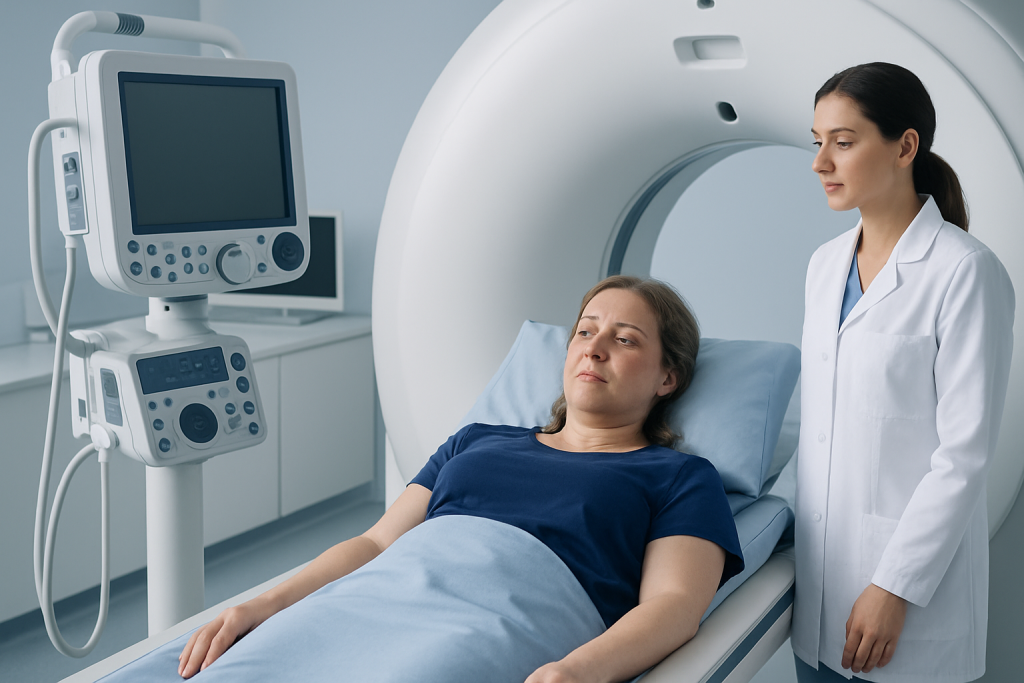
Swelling over the cheekbones may show up as facial fullness, a puffy appearance under the eyes, or a visible difference between the two sides of the face. Some people notice the skin feels stretched or sensitive, while others become aware of pressure when they chew, smile, or bend forward.
Depending on the cause, related symptoms may include:
- Pain or tenderness in the cheek, jaw, or upper teeth
- Redness or warmth of the skin
- Stuffy nose, thick nasal discharge, or sinus pressure
- Fever or a general feeling of being unwell
- Itching, hives, or lip swelling in allergic reactions
- Difficulty opening the mouth fully
- Blurred vision, eye pain, or swelling around the eye
Some causes create only mild puffiness, while others lead to more noticeable and uncomfortable swelling. A sudden change after an injury, dental procedure, insect sting, or exposure to a new food or medicine deserves close attention, especially if breathing or swallowing becomes difficult.
Causes & Risk Factors

There is no single reason for swollen cheekbones. In many cases, the source is inflammation in nearby tissues rather than the cheekbone itself. Common causes include sinus infection or congestion, dental infection, tooth abscess, gum disease, allergic reactions, facial injury, and skin or soft tissue infection.
Sinus-related swelling is often felt as pressure in the upper cheeks and may worsen when bending forward. Dental problems can cause one-sided swelling that is accompanied by tooth pain, sensitivity to heat or cold, or pain when biting. Allergic swelling may appear quickly and can involve the lips, eyelids, or other parts of the face at the same time.
Less common causes include salivary gland inflammation, autoimmune conditions, cysts, benign growths, and fractures of the facial bones after trauma. Risk can be higher in people with poor dental access, recent dental work, seasonal allergies, recurrent sinus infections, facial injury, immune system problems, or untreated skin infections. In international-patient settings, people sometimes seek care after symptoms have already been present for days because they are unsure which specialist to see first; a broad medical review can help narrow the cause efficiently.
Diagnosis
Diagnosis usually begins with a detailed conversation about when the swelling started, whether it is one-sided or both-sided, and what symptoms appeared before or after it. A clinician may ask about recent illness, dental pain, allergies, injury, new medicines, insect stings, fever, sinus symptoms, and any changes in vision or breathing.
A physical examination helps determine whether the swelling seems to come from the skin, the sinuses, the teeth, the salivary glands, or the underlying facial structures. The examiner may look inside the mouth, press over the sinuses, check the eyes, and examine the face for tenderness, redness, or warmth.
When the cause is not obvious, testing may be recommended. This can include imaging such as a dental X-ray, ultrasound, CT scan, or other studies based on the suspected condition. Blood tests may be used if infection, inflammation, or an allergic reaction is being considered. The goal is not simply to confirm that swelling is present, but to identify where it is coming from so treatment can be directed appropriately.
Treatment Options
Treatment depends entirely on the cause. A person with an allergic reaction may need antihistamines or other allergy-directed care, while someone with a bacterial sinus infection or dental abscess may need antibiotics and treatment of the underlying source. If the swelling is related to trauma, rest, cold compresses, and monitoring may be enough in mild cases, but facial fractures or eye-related injuries need specialist assessment.
Dental causes often improve only when the tooth or gum problem is treated. That may involve drainage of an abscess, a root canal, extraction, or periodontal care. Sinus-related swelling may be managed with medicines to reduce inflammation, nasal care, and, in some cases, antibiotics if a bacterial infection is confirmed or strongly suspected.
For inflammatory or autoimmune causes, a doctor may suggest targeted medicines and longer-term follow-up. If the swelling affects breathing, swallowing, vision, or the ability to open the mouth, urgent care is needed. In coordinated care settings, different specialists may work together so that facial swelling is evaluated from both the medical and dental side, which is especially helpful for patients who need answers quickly before returning home.
Prevention & Self-care
Prevention starts with reducing common triggers. Good oral hygiene, regular dental checkups, management of allergies, prompt treatment of sinus infections, and avoiding facial injury when possible can all lower the chance of swelling in the cheek area. For people with recurring episodes, keeping track of triggers can make the pattern easier to recognize.
At home, gentle measures may help while waiting for medical advice. A cool compress can ease discomfort after minor injury or allergic swelling, and resting with the head slightly elevated may reduce puffiness. Staying hydrated and avoiding pressure on the tender area can also improve comfort.
Self-care should remain cautious. It is best not to press hard on the swollen area, use leftover antibiotics, or delay care when symptoms are worsening. If swelling follows a new food, medication, or insect sting, or if there is a history of allergies, the person should pay close attention to any changes in breathing, swallowing, or voice.
When to See a Doctor
Medical evaluation is appropriate when cheekbone swelling lasts more than a short time, keeps returning, or is accompanied by pain, fever, dental symptoms, sinus congestion, or skin changes. A doctor or dentist can help determine whether the problem is coming from the teeth, sinuses, soft tissues, or facial bones.
Prompt care is especially important if the swelling develops quickly, is only on one side, or follows an injury. Red flags include trouble breathing, swallowing, or opening the mouth; swelling around the eye; double vision or blurred vision; high fever; severe headache; or a rapidly spreading rash. These signs can indicate a condition that should be assessed without delay.
For people who are traveling for treatment, a clear diagnosis before departure can make follow-up much easier. Acibadem Health Point notes that its multidisciplinary specialists and JCI-accredited hospitals diagnose and treat conditions that cause facial swelling for international patients, helping coordinate care across specialties when needed.
Recovery and Follow-Up
Recovery time varies because the underlying cause varies. Allergic swelling may improve quickly once the trigger is addressed, while dental infections, sinus infections, or facial injuries may need days to weeks of follow-up. Some conditions require repeat visits to confirm that swelling is decreasing and that the original cause has been controlled.
Follow-up matters when symptoms do not improve as expected, when they return after treatment, or when there is lingering numbness, pain, or facial asymmetry. People who receive care in another country may benefit from written instructions, medication lists, and a clear plan for any needed recheck after they return home.
Good follow-up also helps clinicians confirm that a seemingly simple swelling was not masking a more complex problem. That is one reason persistent cheek swelling should be evaluated rather than watched indefinitely.
Frequently asked questions
01What does it mean if the cheekbones are swollen?
It usually means there is inflammation, fluid buildup, or tissue irritation in the upper cheek area. The cause may be related to the teeth, sinuses, allergies, injury, or another medical condition. A doctor can help identify which one is most likely.
02Can swollen cheekbones be caused by a tooth problem?
Yes. Tooth infections, gum disease, and dental abscesses can cause swelling in the cheek and upper face, sometimes on only one side. Pain when biting or sensitivity in the upper teeth can be useful clues.
03Is cheekbone swelling always an emergency?
No, but some causes need prompt care. Swelling that comes with breathing trouble, eye symptoms, high fever, or rapid worsening should be assessed quickly. Mild swelling without other symptoms may still need a routine medical or dental visit.
04Can sinus problems make the cheekbones look swollen?
Yes. Sinus inflammation can create pressure and puffiness in the upper cheek area, especially if the person also has congestion, facial pressure, or pain that worsens when bending forward. Persistent symptoms should be evaluated if they do not improve.
05What should someone do at home before seeing a doctor?
A cool compress, rest, and head elevation may help with mild discomfort. It is important to avoid squeezing the area or taking leftover medicines without guidance. If symptoms worsen or involve breathing, swallowing, or vision, urgent care is needed.
06Which doctor should be seen for swollen cheekbones?
The best starting point depends on the suspected cause. A general doctor, dentist, ENT specialist, or emergency clinician may be appropriate. If the cause is unclear, a clinician can direct the person to the right specialist.
This article is for general information only and is not a substitute for professional medical advice. Please consult a qualified doctor about your individual situation.
Explore treatments in Turkey — costs, top hospitals & a free quote
JCI-accredited · board-certified surgeons · reply within 24h
Add us as a Preferred Source to see more of our trusted health content across Google Search, AI Overviews and Discover.