What Is Eyebrows Getting Thinner? A Complete Medical Guide

Key Takeaways
- Eyebrow thinning is a symptom, not a diagnosis, and the cause can range from cosmetic habits to medical conditions.
- The pattern of hair loss matters: gradual outer-brow thinning, patchy loss, redness, scaling, or scalp hair changes can point to different causes.
- Common triggers include aging, overplucking, dermatitis, thyroid disorders, iron deficiency, and autoimmune disease.
- Diagnosis may involve a medical history, skin and hair exam, and sometimes blood tests or a skin biopsy.
- Treatment depends on the cause and may include gentle skin care, correcting deficiencies, managing hormone or autoimmune disorders, and targeted dermatology care.
Eyebrows getting thinner can happen for many reasons, from frequent grooming and skin irritation to thyroid disease, nutritional issues, or autoimmune conditions. A careful evaluation helps identify the cause and the most appropriate treatment, especially when the change is new, patchy, or accompanied by other symptoms.
Overview
Eyebrows getting thinner is a common concern, and it usually means the hair on the brow line is shedding, growing more slowly, or failing to regrow as expected. In many people, the change is gradual and linked to everyday factors such as aging, repeated plucking, waxing, or irritation from skin products. In others, it can be an early sign of a health issue that deserves medical attention.
Because eyebrow hair is part of the body’s broader hair-growth cycle, the brows can reflect what is happening elsewhere. Hormone changes, thyroid disorders, nutritional deficiencies, inflammatory skin conditions, and autoimmune disease may all show up as brow thinning before other symptoms become obvious. That is why the most useful approach is not to guess, but to look at the pattern, timing, and any accompanying changes in skin, scalp, or general health.
For international patients, a clear diagnosis matters because the right treatment depends on the cause. A short clinic visit may be enough in some cases, while others may need blood tests or a specialist review before a care plan can be matched to the person’s overall health.
Symptoms
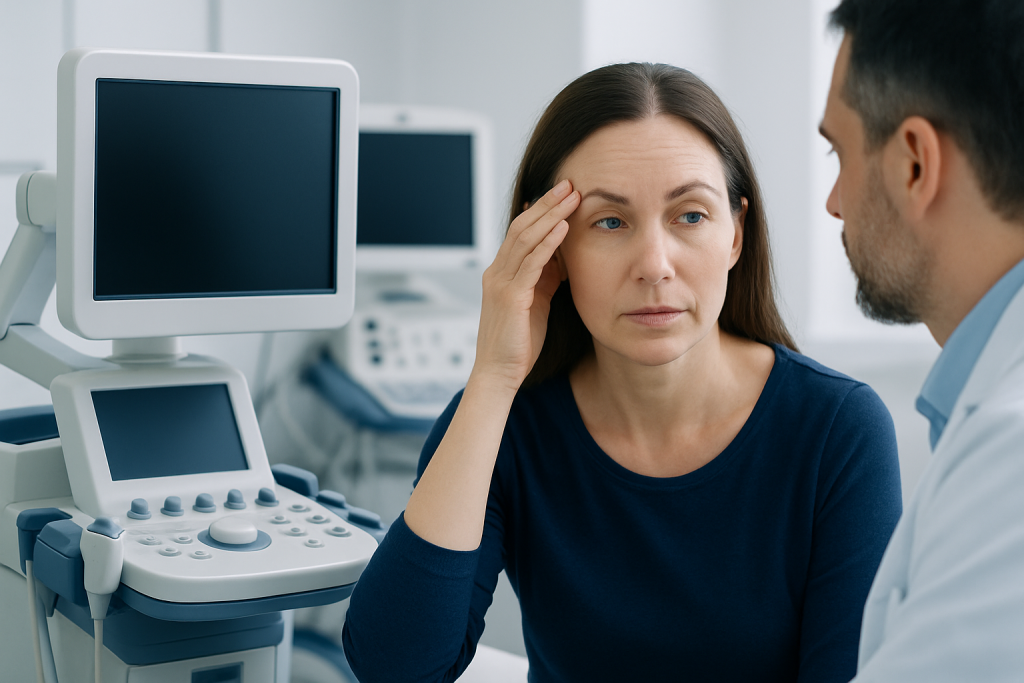
Eyebrow thinning can look different from one person to another. Some notice a soft widening between individual hairs, while others see a more obvious reduction in density, especially at the outer third of the brow. In some cases, one eyebrow thins more than the other, or the loss appears in patches rather than evenly.
Associated features can offer useful clues. Itching, redness, flaking, burning, or tenderness may suggest a skin condition such as eczema, seborrheic dermatitis, contact dermatitis, or psoriasis. If the skin looks smooth and shiny where hairs used to be, a hair-growth disorder or scarring process may be considered. When eyebrow loss occurs together with scalp hair shedding, fatigue, weight changes, dry skin, or menstrual changes, a systemic cause becomes more likely.
- Gradual thinning across both brows
- Patchy or uneven loss
- Outer-brow thinning
- Flaking, scaling, or redness
- Loss of scalp, eyelash, or body hair
- Fatigue, cold intolerance, or other body-wide symptoms
Not every change is serious, but persistent brow thinning should be taken seriously enough to understand why it is happening.
Causes & Risk Factors

There are many possible reasons eyebrows getting thinner. One of the most common is mechanical damage from repeated plucking, threading, waxing, or rubbing. Over time, repeated trauma can weaken follicles and make regrowth slower or incomplete, particularly if the skin becomes inflamed.
Skin conditions are another frequent cause. Eczema, seborrheic dermatitis, allergic contact dermatitis from cosmetics or skincare products, and psoriasis can all interfere with brow growth by irritating the skin where the hairs emerge. Inflammatory or infectious conditions of the eyelid and brow area may also contribute.
Internal medical causes are important to keep in mind. Thyroid imbalance, especially hypothyroidism, can lead to diffuse hair thinning that includes the eyebrows. Iron deficiency, low protein intake, vitamin deficiencies, and other nutritional concerns may affect hair quality and growth. Autoimmune conditions such as alopecia areata can cause patchy eyebrow loss, while some scarring skin disorders can permanently damage follicles if not addressed early.
Risk is higher when brow thinning occurs alongside one or more of the following:
- Frequent grooming or cosmetic irritation
- New skincare, makeup, or hair-removal products
- Known thyroid disease or other hormone disorders
- Restricted diet, malabsorption, or recent weight loss
- Personal or family history of autoimmune disease
- Chronic inflammatory skin disease
Age also matters. As people get older, the hair-growth cycle naturally slows, and brows may become finer or less dense even without a specific disease.
Diagnosis
Diagnosis usually begins with a detailed conversation about when the thinning started, whether it is getting worse, and whether there have been changes in grooming habits, skin products, stress, diet, or medications. The pattern of hair loss is often just as informative as test results. A clinician will also examine the eyebrows, eyelashes, scalp, nails, and nearby skin.
When a systemic cause is suspected, blood tests may be recommended. These can help evaluate thyroid function, iron status, and other nutritional or hormonal concerns depending on the person’s history. If the skin is inflamed or scaly, the clinician may consider dermatitis or another skin disorder. If the pattern suggests an autoimmune or scarring condition, a skin biopsy may sometimes be needed to clarify the diagnosis.
For patients traveling from abroad, it is helpful to bring a list of current products, medications, and any prior lab results or photos showing how the brows used to look. That context can shorten the diagnostic process and help specialists compare changes over time rather than relying on memory alone.
Treatment Options
Treatment depends on the underlying cause, and that is why a correct diagnosis comes first. If repeated grooming is contributing, the solution may be as simple as stopping plucking or waxing and allowing the follicles time to recover. If a skin product is irritating the area, removing the trigger and calming the inflammation can make a meaningful difference.
When a medical condition is involved, treatment should focus on that condition. Thyroid disorders are managed through endocrine care, nutritional deficiencies may require diet review or supplementation under medical supervision, and inflammatory skin conditions are treated with appropriate dermatologic therapies. In autoimmune eyebrow loss, a specialist may recommend targeted treatments to reduce immune activity and support regrowth when possible.
Some people ask about cosmetic options while the medical evaluation is underway. Brow pencils, powders, fibers, and carefully chosen makeup can create the appearance of fullness, provided the skin tolerates them. In selected cases, procedural approaches such as microneedling, regenerative dermatology, or hair restoration techniques may be discussed by a specialist, but these are not appropriate for every cause of brow thinning.
A treatment plan is usually most effective when it is individualized. Brows that have thinned because of temporary shedding may improve with time, while scarring or long-standing autoimmune loss may need earlier specialist input to reduce the risk of permanent change.
Prevention & Self-care
Some causes of eyebrow thinning cannot be prevented, but many day-to-day habits can protect the brow area. Gentle grooming is a good place to start. Avoid overplucking, frequent waxing, and aggressive rubbing, and choose a shape that does not stress the follicles repeatedly. If makeup or skincare products sting, itch, or leave the skin red, they may be contributing to irritation.
Skin care should stay simple around the eyes and brows. Fragrance-free, non-irritating products are often better tolerated, and new products should be introduced one at a time so any reaction can be identified. If there is dandruff, facial flaking, or itchy skin, addressing the underlying dermatitis may reduce brow shedding over time.
General health also supports healthy hair growth. Adequate protein, iron, and overall nutrition matter, as does managing sleep, stress, and chronic illness. If a person has known thyroid disease, autoimmune disease, or a history of hair loss, regular follow-up helps catch changes early. For those arranging care from another country, taking photos of the brows in good light before and after treatment can help the team monitor progress accurately during remote follow-up.
When to See a Doctor
Medical review is sensible when eyebrow thinning is new, persistent, or clearly worsening. It is especially important if the loss is patchy, associated with redness or scaling, or accompanied by hair loss elsewhere on the body. These patterns can point to a condition that benefits from early treatment.
Prompt assessment is also recommended if eyebrow thinning comes with fatigue, weight change, temperature sensitivity, menstrual changes, or other symptoms that suggest a thyroid or hormone problem. Likewise, if there is pain, crusting, pus, or skin breakdown, the area should be examined to rule out infection or a more active inflammatory process.
People who have tried stopping grooming changes and improving skin care but still notice progressive loss should not wait indefinitely. A dermatologist, endocrinologist, or primary care doctor can help decide which tests are useful and whether treatment should begin right away. Acibadem Health Point’s multidisciplinary specialists and JCI-accredited hospitals can diagnose and treat eyebrow thinning for international patients when coordinated specialist care is needed.
Living With Eyebrow Thinning
Eyebrow thinning can affect confidence, but it is often manageable once the cause is understood. Many people improve with a combination of medical treatment, gentler grooming habits, and realistic cosmetic support while the underlying issue is addressed. The main goal is to protect the follicles and treat anything that may be interfering with regrowth.
It also helps to think of eyebrow hair as part of overall health rather than an isolated cosmetic feature. When brow thinning is treated as a clue, it can lead to the discovery of a correctable problem such as thyroid imbalance, dermatitis, or nutritional deficiency. That makes a medical evaluation worthwhile even when the change seems small at first.
For patients traveling internationally, the recovery and follow-up plan should be straightforward and practical, with clear instructions on what to watch for once they return home. That approach supports continuity of care and helps ensure that any improvement is monitored properly over time.
Frequently asked questions
01Is eyebrow thinning always a sign of illness?
No. Eyebrows can thin from normal aging, repeated plucking, or irritation from skin products. However, new or worsening thinning can also be linked to thyroid disease, nutritional deficiency, dermatitis, or autoimmune conditions, so persistent changes deserve evaluation.
02Can eyebrows grow back after thinning?
Sometimes they can, especially when the cause is temporary and the follicles are not permanently damaged. Regrowth depends on what caused the thinning and how long it has been present. A doctor can help estimate the likelihood of improvement after examining the pattern of loss.
03Does thyroid disease cause eyebrow loss?
Yes, thyroid imbalance can affect hair growth, including the eyebrows. Thinning is often more noticeable toward the outer part of the brow in some people. If eyebrow loss occurs with fatigue, dry skin, or weight changes, thyroid testing may be appropriate.
04Should a person stop tweezing if eyebrows are getting thinner?
It is usually wise to reduce or stop plucking, waxing, or threading for a period of time. Repeated trauma can stress the follicles and make regrowth harder. A gentler grooming routine gives the brows a better chance to recover while the cause is being addressed.
05What tests might a doctor order for thinning eyebrows?
The choice depends on the symptoms and exam findings. Common tests may include thyroid studies and iron-related blood work, and in some cases a skin biopsy if the diagnosis is unclear. Not everyone needs extensive testing, but targeted evaluation can be very helpful.
06Which specialist is best for eyebrow thinning?
A dermatologist is often the best starting point because eyebrow thinning frequently involves the skin and hair follicles. If there are signs of thyroid or hormone issues, an endocrinologist may also be involved. Primary care doctors can coordinate referrals when needed.
This article is for general information only and is not a substitute for professional medical advice. Please consult a qualified doctor about your individual situation.
Hair transplant in Turkey — costs, graft counts & a free assessment
JCI-accredited · board-certified surgeons · reply within 24h
Add us as a Preferred Source to see more of our trusted health content across Google Search, AI Overviews and Discover.