

How Many Calories is in 2 Boiled Eggs?

Key Takeaways
- Two large boiled eggs usually provide about 140–160 calories altogether.
- Most of the calories come from the yolk, while the whites contribute much of the protein.
- Boiled eggs are naturally portion-controlled because they are cooked without added oil or butter.
- Their impact on a meal depends on what is served alongside them, such as bread, cheese, sauces, or vegetables.
- People with specific heart, kidney, or cholesterol concerns should ask a clinician or dietitian how eggs fit into their diet.
Two boiled eggs contain about 140–160 calories in total, depending on the size of the eggs. They can be a filling, nutrient-rich choice when included as part of a balanced meal plan.
Overview
If someone is asking how many calories is in 2 boiled eggs, the simplest answer is this: about 140 to 160 calories for two large boiled eggs. The exact number depends mainly on egg size. Small eggs have fewer calories, while extra-large eggs have a little more.
Boiling does not add calories because no oil, butter, or batter is used. That makes boiled eggs easy to estimate and practical for people who want a simple breakfast, a post-workout snack, or a portable source of protein.
For international patients and travelers trying to eat well away from home, boiled eggs can be a reassuring choice because they are familiar, widely available, and usually easy to pair with fruit, vegetables, or whole grains for a more balanced meal.
Calories in 2 boiled eggs: the quick breakdown
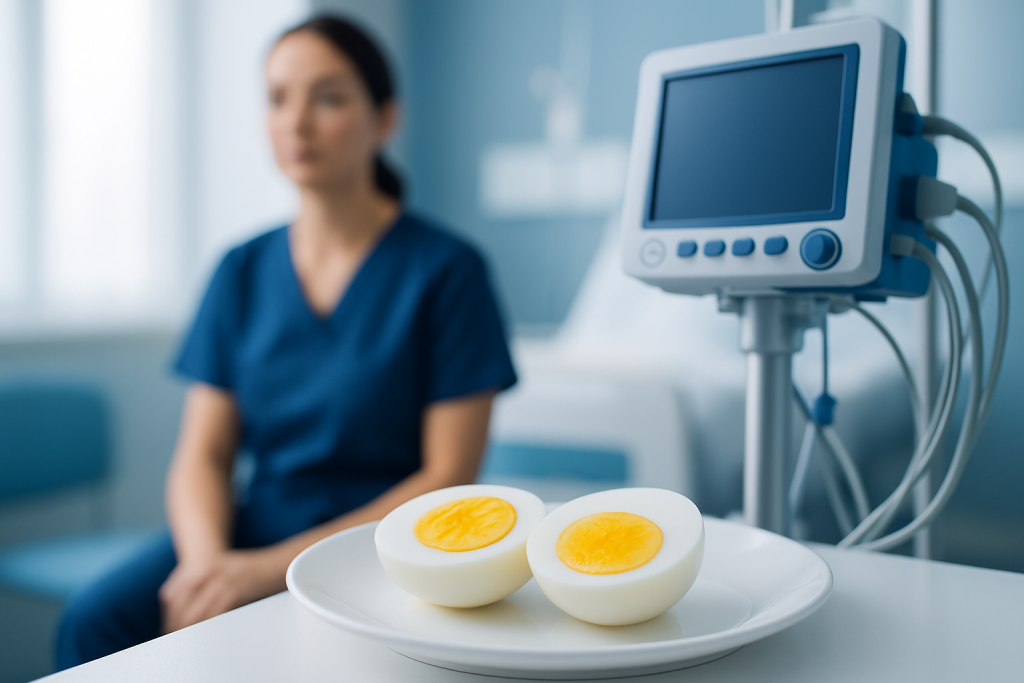
The calorie count in eggs is influenced by size more than by cooking method. A typical large boiled egg contains roughly 70 to 80 calories, so two large eggs generally land around 140 to 160 calories.
Here is a practical guide:
- Small eggs: about 120 calories for 2
- Medium eggs: about 130 calories for 2
- Large eggs: about 140 to 160 calories for 2
- Extra-large eggs: can be slightly higher
The yolk holds more calories than the white because it contains most of the fat, while the white provides protein with very few calories. That is why two boiled eggs can feel satisfying without being especially calorie-dense.
What nutrients do boiled eggs provide?
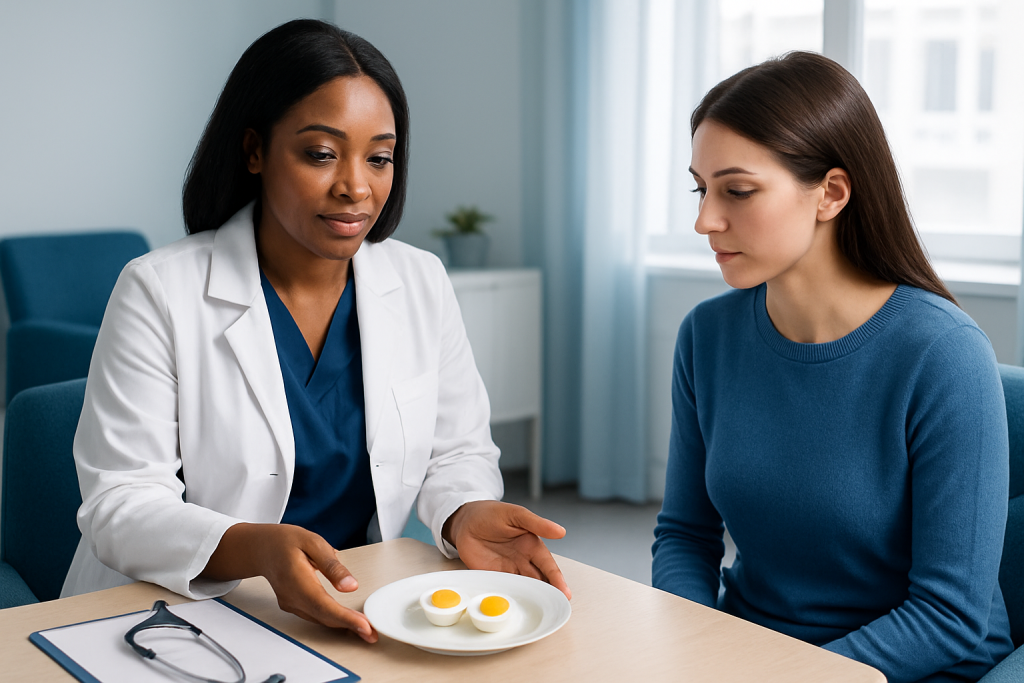
Calories are only one part of the picture. Boiled eggs also provide high-quality protein, which helps the body maintain muscle, supports tissue repair, and contributes to fullness after eating. They also contain nutrients such as vitamin B12, vitamin D, selenium, choline, and small amounts of other vitamins and minerals.
The white of the egg is mostly protein and water. The yolk supplies fat, fat-soluble vitamins, and several important micronutrients. That combination is one reason eggs are often described as nutrient-dense rather than simply high in calories.
For many people, boiled eggs work well because they are compact but satisfying. When paired with fiber-rich foods such as vegetables, oats, or whole-grain toast, they can support steadier appetite and more balanced energy through the morning.
Why boiled eggs are different from fried or scrambled eggs
Eggs cooked in a pan can have very different calorie counts depending on what is added. Butter, oil, cream, or cheese can raise the total calories quickly, even if the egg itself has not changed.
Boiled eggs stay close to their natural calorie content because they are cooked in water only. That makes them easier to track for people who are managing weight, planning meals, or following a structured nutrition plan after illness or surgery.
Scrambled or fried eggs are not automatically “unhealthy,” but their total nutrition depends on preparation. For someone recovering abroad or trying to keep meals simple while traveling, boiling can be one of the most predictable methods.
Do boiled eggs fit into a healthy diet?
For most healthy adults, boiled eggs can fit comfortably into a balanced eating pattern. They are useful when a meal needs more protein without a large calorie increase, and they are convenient for busy mornings, work lunches, or travel days.
The key is to look at the whole meal. Two boiled eggs with vegetables and whole grains are very different from two boiled eggs combined with processed meats and heavy sauces. The eggs themselves are only one piece of the nutrition picture.
People who are monitoring cholesterol, have diabetes, kidney disease, or cardiovascular concerns should not guess based on internet advice alone. Individual needs vary, and a doctor or registered dietitian can help decide how eggs fit into a personal plan.
How to keep boiled eggs a balanced choice
Boiled eggs are easiest to enjoy as part of a meal that includes fiber, fluid, and variety. That may mean serving them with salad, sliced vegetables, fruit, or a modest portion of whole grains rather than combining them with foods high in added salt or saturated fat.
- Choose whole-food sides such as tomatoes, cucumber, leafy greens, or berries.
- Use herbs, pepper, lemon, or yogurt-based spreads instead of heavy sauces.
- Pay attention to portion size if eggs are part of a larger breakfast with other calorie sources.
- Store and refrigerate cooked eggs properly if they are being prepared ahead for travel or work.
For patients recovering from treatment abroad, simple protein foods can make eating less stressful. A boiled egg is easy to transport in some settings, but food safety and local storage conditions still matter, especially in warm climates or during long travel days.
When the calorie count matters more than usual
There are times when a basic question about egg calories becomes more relevant. Someone may be trying to lose weight, gain weight, manage blood sugar, recover from surgery, or follow a medically supervised diet. In those situations, even small changes in food preparation can matter.
It is also useful to remember that appetite, activity level, age, and health conditions all influence daily calorie needs. Two boiled eggs may be a light snack for one person and a meaningful breakfast component for another.
If a meal plan needs to be precise, a clinician can help interpret nutrition labels, portion sizes, and cooking methods in a way that is realistic for daily life, including while traveling for care or continuing follow-up from another country.
When to see a doctor
Most healthy people do not need medical testing just because they eat boiled eggs. However, a doctor should be consulted if eggs seem to trigger digestive symptoms, if there is a known egg allergy, or if a person has been told to restrict protein, fat, or cholesterol for medical reasons.
Anyone with heart disease, diabetes, chronic kidney disease, or a history of high cholesterol may benefit from individualized nutrition advice rather than general internet guidance. The right amount of eggs can differ depending on the rest of the diet and overall health status.
When care is being planned internationally, it can help to discuss nutrition questions during the same visit as treatment planning. Acibadem Health Point’s multidisciplinary specialists and JCI-accredited hospitals help diagnose and treat many conditions for international patients, with diet and recovery needs considered alongside the medical plan.
Frequently asked questions
01How many calories are in 2 boiled eggs?
Two large boiled eggs usually contain about 140 to 160 calories in total. The exact amount varies with egg size, but boiling itself does not add calories.
02Are boiled eggs good for weight loss?
They can be helpful in a weight-management plan because they provide protein and tend to be filling for their calorie content. Weight loss still depends on the full eating pattern, portion sizes, and activity level.
03Do boiled eggs have more calories than fried eggs?
Usually, fried eggs have more calories because oil or butter is often added during cooking. The egg itself has the same basic nutrition, but the cooking fat increases the total.
04How much protein is in 2 boiled eggs?
Two large boiled eggs typically provide around 12 to 13 grams of protein. This can vary slightly with egg size.
05Can people with high cholesterol eat boiled eggs?
Many people with high cholesterol can eat eggs as part of an overall balanced diet, but the right amount depends on the individual. It is best to discuss this with a doctor or dietitian, especially if there is heart disease or other risk factors.
06Are boiled eggs better than scrambled eggs?
Neither is automatically better. Boiled eggs are often lower in calories because they are cooked without added fat, while scrambled eggs can be healthy too if made with minimal oil or butter and served with nutritious sides.
This article is for general information only and is not a substitute for professional medical advice. Please consult a qualified doctor about your individual situation.
Medical weight-loss options in Turkey — costs & eligibility
JCI-accredited · board-certified surgeons · reply within 24h
Add us as a Preferred Source to see more of our trusted health content across Google Search, AI Overviews and Discover.


