What Is Eye Twitch Spasm? A Complete Medical Guide

Key Takeaways
- Most eye twitch spasms are temporary and improve with rest, better sleep, and less eye strain.
- Common triggers include stress, caffeine, dry eyes, screen use, and irritation of the eyelid surface.
- Twitching that lasts for weeks, spreads to other facial muscles, or affects vision should be assessed by a doctor.
- Diagnosis usually starts with a history and eye examination; tests are only needed when another cause is suspected.
- Healthy sleep habits, blinking breaks, and treatment of dry eye can reduce recurrence.
Eye twitch spasm is an involuntary, usually brief contraction of the eyelid muscles. Most cases are harmless and linked to stress, fatigue, or eye strain, but persistent or severe twitching can occasionally signal a condition that needs medical attention.
Overview
An eye twitch spasm is an involuntary, repetitive contraction of the muscles around the eyelid. People often notice a fluttering sensation in the upper or lower lid, usually on one side. In most situations, the twitch is harmless, brief, and related to everyday triggers rather than a serious eye disease.
For many people, the key question is not only what the twitch feels like, but why it keeps happening. The answer is often a mix of fatigue, stress, caffeine intake, dry eyes, or prolonged screen time. Less commonly, twitching may be linked to nerve or muscle disorders, which is why the pattern, duration, and associated symptoms matter.
Understanding the difference between a mild eyelid twitch and a more complex spasm helps patients decide when to simply observe the symptom and when to arrange an eye examination. This is especially useful for international patients who may need to judge whether the problem can wait until after travel or deserves attention before a trip.
Symptoms
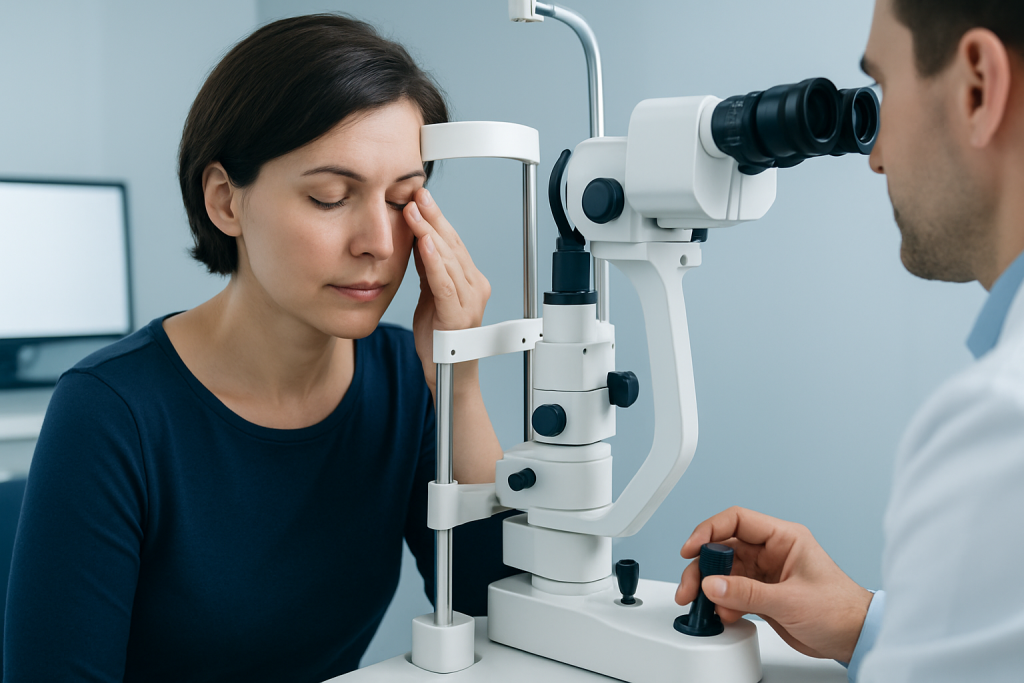
An eye twitch spasm usually feels like a subtle pulsing, fluttering, or pulling in the eyelid. It may come and go for seconds or minutes, then disappear for hours or days before returning. Some people notice it more when they are tired, concentrating, or under emotional strain.
Typical features of a common eyelid twitch include:
- Involuntary movement of the upper or lower eyelid
- Twitching on one side more often than both sides
- No major pain, although the area may feel annoying or tired
- Intermittent episodes that can last days or weeks
Other symptoms suggest a broader issue and should be taken seriously. These include complete eyelid closure, twitching that spreads to the cheek or other facial muscles, eye redness with discharge, light sensitivity, drooping of the eyelid, or changes in vision. In those situations, the symptom is no longer just a simple twitch and needs medical review.
Causes & Risk Factors

Most eye twitch spasms are triggered by factors that increase the irritability of the eyelid muscles or the surrounding nerves. Sleep deprivation is a frequent contributor, as is stress. Many people also notice twitching after long hours of reading, device use, or other tasks that reduce blinking.
Dry eye is another common reason. When the eye surface is irritated, the lids may become more active in response. Contact lens discomfort, eyelid inflammation, allergies, and exposure to wind or air conditioning can all play a role as well.
Some additional factors may raise the chance of twitching:
- High caffeine intake or other stimulants
- Alcohol use in some individuals
- Eye strain from uncorrected vision problems
- Fatigue during illness or travel-related schedule changes
- Medication side effects in selected cases
Less commonly, persistent eyelid spasms can be associated with neurological conditions, such as benign essential blepharospasm or hemifacial spasm. These are not the usual explanation for a brief twitch, but they become more relevant when symptoms are strong, frequent, or progressively involve other facial areas.
Diagnosis
Diagnosis usually begins with a careful history. A doctor or eye specialist will ask when the twitch started, how often it occurs, whether one or both eyes are involved, and whether there are triggers such as stress, screen use, or dry eyes. The pattern of symptoms often gives the first and most useful clues.
An eye examination may follow to check the eyelids, tear film, cornea, and overall eye health. This helps identify irritation, dryness, inflammation, or a vision issue that may be contributing to the twitch. If the twitch is frequent or persistent, the clinician will also look for signs that point beyond a simple eyelid spasm.
Tests are not always needed. When the presentation is unusual, severe, or accompanied by other neurological symptoms, the doctor may recommend additional evaluation. The exact workup depends on the findings, but the goal is always the same: confirm whether the twitch is benign or part of another condition that requires treatment.
Treatment Options
Treatment depends on the cause. For many people, the most effective approach is also the simplest: adequate rest, less caffeine, regular breaks from screens, and treatment of dry eye or eyelid irritation. When the underlying trigger improves, the twitch often settles on its own.
If dry eye is part of the picture, lubricating eye drops, eyelid hygiene, or treatment for meibomian gland dysfunction may help. If allergies or inflammation are contributing, a doctor may suggest targeted eye care measures. When a vision problem is causing strain, updating glasses or contact lens habits can reduce the muscle overactivity.
For more persistent spasms, treatment may be more specialized. In benign essential blepharospasm or hemifacial spasm, doctors may consider therapies such as botulinum toxin injections or other interventions, depending on the diagnosis. These treatments are typically guided by an ophthalmologist or neurologist after a thorough assessment.
Importantly, self-treatment should stay within safe limits. It is reasonable to use simple measures and observe the symptom, but persistent use of unproven remedies or frequent rubbing of the eye can worsen irritation. A clinician can help match the treatment to the actual cause rather than the symptom alone.
Prevention & Self-care
Prevention focuses on reducing the everyday stressors that make eyelid twitching more likely. Sleep is often the first place to start. When rest is irregular, the eyelid muscles may become more prone to small involuntary contractions.
Practical self-care steps include:
- Taking regular screen breaks and consciously blinking more often
- Managing stress with movement, breathing exercises, or other routines that fit daily life
- Limiting caffeine if twitching seems to follow coffee, tea, energy drinks, or pre-workout products
- Using lubricating drops if dry eye has been diagnosed
- Wearing appropriate vision correction if eye strain is part of the problem
Travel can complicate the picture because sleep disruption, dehydration, and long hours of digital use may all overlap. International patients planning treatment or follow-up should try to stabilize routines before the trip and keep any prescribed eye-care plan accessible during travel. If symptoms are recurring during a period of strain, that information is useful to share with the doctor.
When to See a Doctor
Most brief eye twitch spasms do not need urgent care, but some patterns deserve medical evaluation. A doctor should be consulted if the twitch lasts for several weeks, happens many times a day, or starts to interfere with reading, driving, or work. An appointment is also sensible if the eye feels persistently irritated, dry, or inflamed.
It is especially important to seek assessment if the twitch is accompanied by eyelid drooping, facial spasms, weakness, numbness, double vision, new headache, or changes in vision. These symptoms do not necessarily mean something serious, but they call for a proper examination rather than watchful waiting.
Patients who are already traveling for care, or considering a medical trip, may find it helpful to arrange an eye specialist review before departure if the symptom is worsening. Acibadem Health Point’s multidisciplinary specialists and JCI-accredited hospitals diagnose and treat eye conditions for international patients, with care plans tailored to the individual’s needs and follow-up situation.
Living with an Eye Twitch Spasm
When an eye twitch is mild, the most helpful strategy is often patience paired with practical adjustments. Tracking patterns can reveal whether the symptom follows a poor night’s sleep, a stressful day, or prolonged computer use. That information can make the problem feel less mysterious and easier to manage.
If the twitch becomes a recurring nuisance, it is worth treating it as a signal rather than an annoyance to ignore. Dry eye, eyelid inflammation, or vision strain can often be improved, and doing so may reduce the twitching as well. A focused consultation can bring clarity, especially when symptoms are affecting travel plans, work, or recovery after another medical procedure.
For many patients, the reassurance of a proper eye examination is the most valuable part of care. It confirms when the spasm is benign and identifies the few situations where a more specific diagnosis and treatment plan are needed.
Frequently asked questions
01What is an eye twitch spasm?
An eye twitch spasm is an involuntary contraction of the eyelid muscles that causes fluttering or pulsing. It is usually temporary and benign, especially when linked to fatigue, stress, or eye strain.
02How long does an eye twitch spasm usually last?
Many episodes last only a few seconds or minutes, though the symptom can recur over days or weeks. If it continues for a long time or becomes more intense, it should be evaluated by a doctor.
03Can stress cause eye twitching?
Yes, stress is one of the most common triggers. It often works together with poor sleep, caffeine, and screen-related eye strain to make twitching more likely.
04Does an eye twitch mean something serious?
Most of the time, no. However, twitching that spreads to other parts of the face, affects vision, or comes with drooping, weakness, or pain needs medical assessment.
05What helps stop an eye twitch quickly?
There is no guaranteed instant fix, but rest, reducing caffeine, taking screen breaks, and using lubricating drops if the eye is dry may help. The twitch often settles once the trigger is removed.
06Should contact lens wearers worry about eyelid twitching?
Not usually, but contact lens discomfort or dry eye can contribute to eyelid twitching. If the eye is red, painful, or sensitive to light, a doctor should check for irritation or infection.
This article is for general information only and is not a substitute for professional medical advice. Please consult a qualified doctor about your individual situation.
Explore treatments in Turkey — costs, top hospitals & a free quote
JCI-accredited · board-certified surgeons · reply within 24h
Add us as a Preferred Source to see more of our trusted health content across Google Search, AI Overviews and Discover.