Heart Palpitations During Pregnancy: Safety, Risks and Guidance

Key Takeaways
- Many palpitations in pregnancy are caused by normal circulatory and hormonal changes.
- Palpitations that come with chest pain, fainting, or significant shortness of breath need prompt medical attention.
- Common triggers include stress, caffeine, dehydration, anemia, thyroid disorders, and some medications or supplements.
- Doctors may use an exam, ECG, blood tests, or heart monitoring to find the cause.
- Treatment depends on the underlying reason and often starts with simple, pregnancy-safe measures.
Heart palpitations during pregnancy often feel like a racing, fluttering, or skipping heartbeat, and many are related to normal pregnancy changes. They are usually harmless, but persistent, severe, or symptom-linked palpitations deserve medical review to rule out anemia, thyroid issues, dehydration, or a heart rhythm problem.
Overview
Heart palpitations during pregnancy usually describe an awareness of the heartbeat that feels fast, strong, fluttery, irregular, or like a skipped beat. For many pregnant people, this is a temporary and benign response to the body’s changing demands, especially as blood volume rises and the heart works a little harder.
That said, palpitations should not be brushed off automatically. In pregnancy, the same symptom can also reflect anemia, thyroid imbalance, dehydration, anxiety, an electrolyte problem, or a pre-existing heart rhythm condition that becomes more noticeable. The practical question is not whether palpitations can happen in pregnancy—they often do—but whether they fit a reassuring pattern or need assessment.
For someone planning care across borders or while already traveling, the main task is to know what can be watched at home and what should be evaluated without delay. A clear history, basic testing, and timely follow-up usually provide the answer.
Symptoms
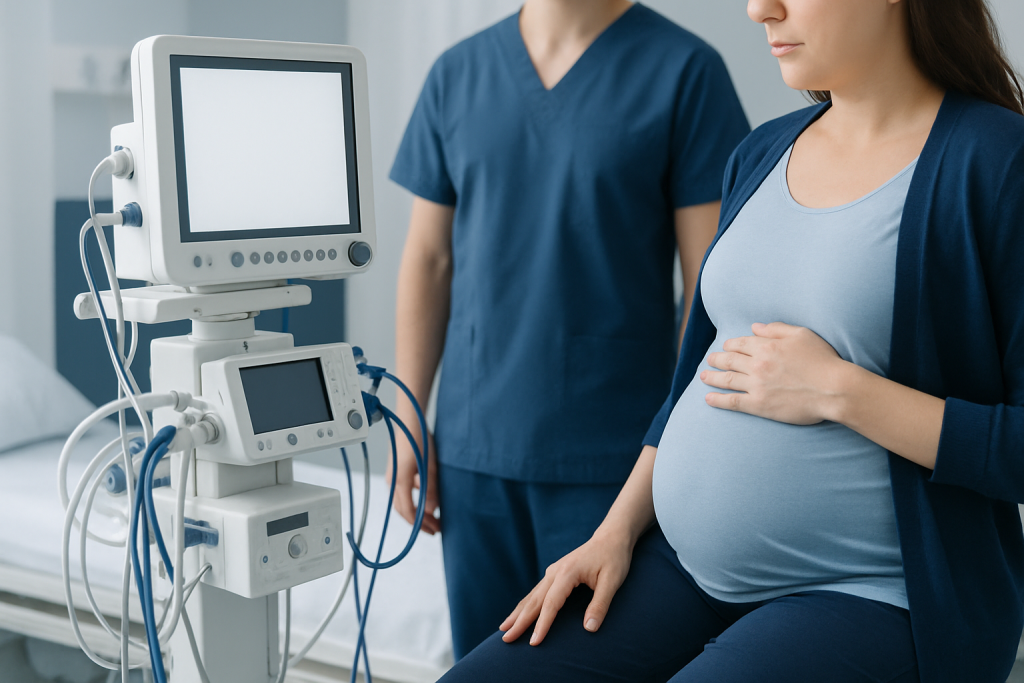
Palpitations may feel different from one person to another. Some notice a sudden burst of rapid heartbeat that lasts seconds or minutes, while others feel a thump after lying down, a brief flutter, or an uneven rhythm during rest.
They can appear alone or alongside other symptoms such as lightheadedness, fatigue, breathlessness, anxiety, or a sense of chest discomfort. In pregnancy, mild shortness of breath can occur for harmless reasons, but when it is new, worsening, or clearly associated with palpitations, it deserves attention.
- Fast heartbeat at rest
- Fluttering or pounding in the chest
- Skipped or extra beats
- Dizziness or near-fainting
- Chest pain or pressure
- Shortness of breath that feels out of proportion
The pattern matters. Brief, infrequent palpitations without other symptoms are often less concerning than episodes that are prolonged, recurrent, or paired with warning signs.
Causes & Risk Factors
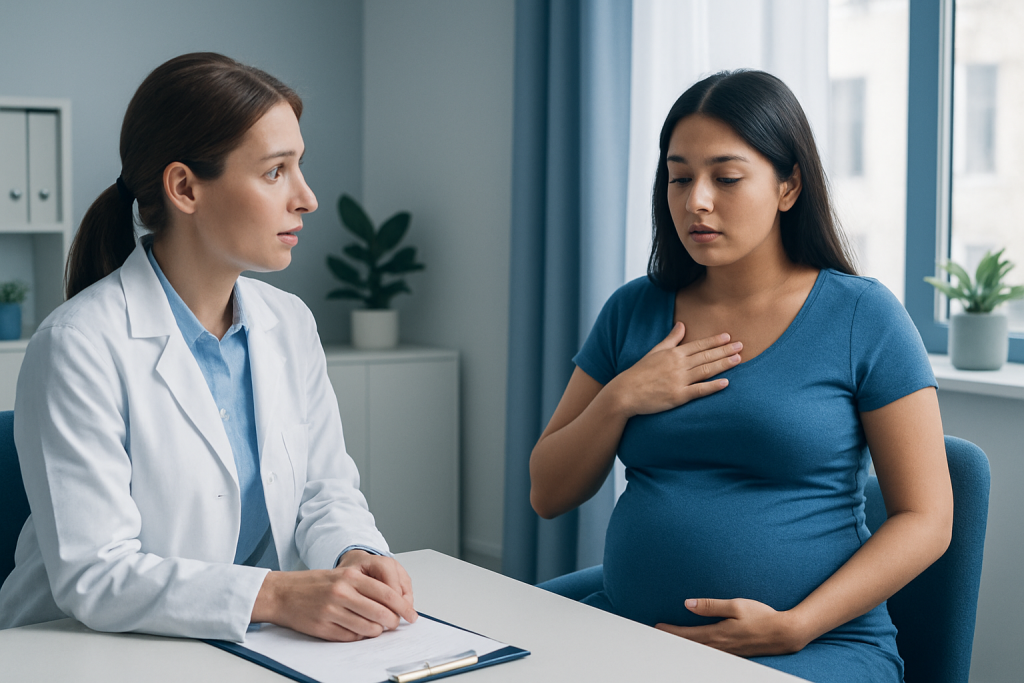
Pregnancy changes the cardiovascular system in ways that can make the heartbeat more noticeable. Blood volume increases, the heart pumps more forcefully, and hormonal shifts may affect how the rhythm is perceived. As a result, even a normal rhythm can feel unusual.
Several common factors can make palpitations more likely. These include dehydration, lack of sleep, emotional stress, caffeine, smoking, over-the-counter cold medicines, and reflux-related discomfort that is mistaken for chest symptoms. Anemia is another frequent contributor because the heart compensates for reduced oxygen-carrying capacity by beating faster.
Less commonly, palpitations are linked to medical conditions that need treatment, such as thyroid disease, infection, low blood sugar, electrolyte imbalance, structural heart disease, or arrhythmias like supraventricular tachycardia. A personal history of palpitations before pregnancy, known heart disease, multiple pregnancy, or prior pregnancy complications may raise the likelihood of evaluation.
Diagnosis
Doctors usually begin with a careful conversation. They ask when the palpitations started, how long they last, what they feel like, and whether they are triggered by activity, rest, stress, or meals. The clinician will also ask about caffeine use, medications, supplements, family history, and any symptoms such as fainting, chest pain, or breathlessness.
An examination often includes checking pulse, blood pressure, oxygen level, and listening to the heart and lungs. A simple electrocardiogram (ECG) can detect rhythm changes at the time of the visit. If episodes come and go, a longer monitor may be recommended so the rhythm can be captured during a typical spell.
Blood tests are commonly used to look for anemia, thyroid problems, infection, electrolyte imbalance, or other conditions that can contribute. In some cases, an echocardiogram is ordered to assess the heart’s structure and pumping function. For patients coordinating care from another country, it helps to bring prior records, medication lists, and any previous ECGs or pregnancy notes.
Treatment Options
Treatment depends on the cause, not just the symptom itself. If the palpitations are due to dehydration, anemia, or caffeine, addressing that trigger may be enough. If a rhythm disorder is found, the doctor will choose a plan that considers both maternal well-being and pregnancy safety.
For many pregnant patients, treatment starts with conservative steps: improving hydration, resting, reducing stimulants, and correcting iron deficiency if present. When a thyroid disorder, infection, or electrolyte issue is identified, treating the underlying condition often improves the heartbeat sensation.
If a true arrhythmia is diagnosed, the care team may discuss observation, vagal maneuvers, medication, or occasional procedures depending on the rhythm and severity. Medication choices during pregnancy are individualized, because the safest option depends on the specific diagnosis, trimester, and the patient’s overall health. The goal is to control symptoms and protect both mother and baby with the least invasive effective approach.
Prevention & Self-care
Not every episode can be prevented, but some habits can make palpitations less frequent or less noticeable. Regular meals, steady hydration, and avoiding large amounts of caffeine can help many pregnant people. Rest matters too, especially when fatigue and nausea make the body more sensitive to stressors.
Simple tracking can also be useful. Recording when palpitations happen, how long they last, what was eaten or drank beforehand, and whether there were associated symptoms can give the doctor valuable clues. This is especially helpful for international patients who may see different clinicians before and after travel.
- Drink fluids regularly unless a doctor has given different instructions
- Limit stimulants such as coffee, energy drinks, and some cold remedies
- Eat balanced meals to avoid blood sugar dips
- Get up slowly from lying or sitting positions
- Prioritize sleep and stress-reduction routines
- Take prescribed prenatal vitamins or iron only as directed
If palpitations feel worse after certain foods, supplements, or medications, it is sensible to discuss them rather than stopping everything on one’s own. During pregnancy, even “natural” products can have effects that matter.
When to See a Doctor
Medical review is appropriate if palpitations are new, persistent, worsening, or troubling enough to interfere with daily life. They also deserve evaluation if the person has a known heart condition, a history of thyroid disease, significant anemia, or a family history of rhythm disorders.
Urgent assessment is important when palpitations occur with chest pain, fainting, severe shortness of breath, sustained rapid heartbeat, confusion, or one-sided weakness. These are not typical “wait and see” symptoms in pregnancy and should be discussed promptly with a clinician or emergency service.
For patients arranging care from abroad, it can be reassuring to know that heart symptoms in pregnancy are commonly assessed with straightforward tests and clear follow-up plans. Acibadem Health Point’s multidisciplinary specialists and JCI-accredited hospitals diagnose and treat this condition for international patients, with attention to both maternal and fetal safety.
Frequently asked questions
01Are heart palpitations during pregnancy normal?
They are common and often related to normal pregnancy changes in blood volume, hormones, and heart workload. Many are harmless, but a doctor should evaluate palpitations that are frequent, prolonged, or linked to other symptoms.
02Can anxiety cause palpitations in pregnancy?
Yes, anxiety and stress can trigger or intensify the sensation of palpitations. Even so, it is best not to assume anxiety is the only cause until a clinician has ruled out anemia, thyroid problems, dehydration, or a rhythm issue.
03When should pregnancy palpitations be treated as urgent?
They should be assessed promptly if they come with chest pain, fainting, severe breathlessness, or a sustained very fast heartbeat. Those symptoms may indicate a condition that needs immediate attention.
04Will palpitations harm the baby?
Most benign palpitations do not harm the baby. The main concern is whether they reflect an underlying maternal condition that needs treatment, because maternal health supports fetal health.
05What tests are usually done for palpitations in pregnancy?
A doctor may order an ECG, blood tests, and sometimes a longer heart monitor or echocardiogram. The exact tests depend on the symptom pattern and whether any warning signs are present.
06Can lifestyle changes help?
Yes, hydration, regular meals, rest, and limiting caffeine often reduce symptoms. These steps are helpful when the cause is mild, but they should not replace medical evaluation if symptoms are frequent or concerning.
This article is for general information only and is not a substitute for professional medical advice. Please consult a qualified doctor about your individual situation.
Explore treatments in Turkey — costs, top hospitals & a free quote
JCI-accredited · board-certified surgeons · reply within 24h
Add us as a Preferred Source to see more of our trusted health content across Google Search, AI Overviews and Discover.