What Is Chondromalacia Runner’s Knee? A Complete Medical Guide

Key Takeaways
- Chondromalacia runner's knee usually causes pain around or behind the kneecap, especially during stairs, squatting, running, or long periods of sitting.
- It is often related to overuse, muscle imbalance, alignment issues, or sudden training changes rather than a single injury.
- Diagnosis is based mainly on medical history and physical examination, with imaging used when needed to rule out other causes.
- Treatment commonly includes rest from aggravating activity, targeted exercises, movement correction, and short-term pain relief measures.
- Many people recover well with conservative care, but persistent swelling, locking, giving way, or worsening pain should be assessed by a doctor.
Chondromalacia runner's knee refers to irritation and softening of the cartilage under the kneecap, often linked to pain at the front of the knee. It can affect runners and non-runners alike, and most cases improve with the right combination of activity changes, rehabilitation, and medical guidance.
Overview
Chondromalacia runner’s knee is a condition in which the cartilage on the underside of the kneecap becomes irritated, softened, or worn. This can lead to pain in the front of the knee, especially when the joint is loaded during running, climbing stairs, kneeling, or standing up after sitting for a while.
Although the term is often used in sports medicine, it does not only affect runners. People who spend long hours on their feet, do repetitive squatting, or have certain leg alignment patterns may also develop symptoms. In medical practice, the picture often overlaps with patellofemoral pain, which is why the exact cause is best confirmed by a clinician rather than by symptoms alone.
For someone considering care abroad, this condition is usually evaluated with a straightforward orthopedic examination. A specialist can determine whether the pain truly comes from the kneecap joint or from another problem such as tendon irritation, meniscus injury, or arthritis, and then guide the safest treatment path.
Symptoms

The most common symptom is a dull, aching pain around the kneecap, often felt behind or beneath it. The discomfort may become more noticeable when running downhill, using stairs, squatting, getting up from a chair, or sitting with the knee bent for long periods, such as during travel.
Some people notice clicking, grinding, or a sense that the knee is not moving smoothly. Mild swelling can occur, but chondromalacia runner’s knee does not usually cause major redness or severe warmth. Symptoms may affect one knee or both, and they may come and go depending on activity levels.
It is helpful to pay attention to what makes the pain worse and what eases it. That pattern gives the doctor useful clues, especially when symptoms developed gradually after a change in exercise, footwear, work demands, or training surface.
Causes & Risk Factors

Chondromalacia runner’s knee often develops when the kneecap does not glide evenly in its track. Repeated stress can irritate the cartilage and nearby tissues, particularly if the hip, thigh, or foot mechanics change how force moves through the knee.
Common contributing factors include overtraining, sudden increases in mileage or intensity, weak quadriceps or hip muscles, tight hamstrings, flat feet, high arches, poor running mechanics, and previous knee injury. In some people, anatomical differences such as a shallow groove for the kneecap or a tendency for the kneecap to drift sideways can increase strain.
Age, body weight, and activity patterns may also play a role, but the condition is not caused by one single factor. It is usually a combination of load, movement pattern, and tissue tolerance, which is why treatment often focuses on both symptom relief and movement correction.
Diagnosis
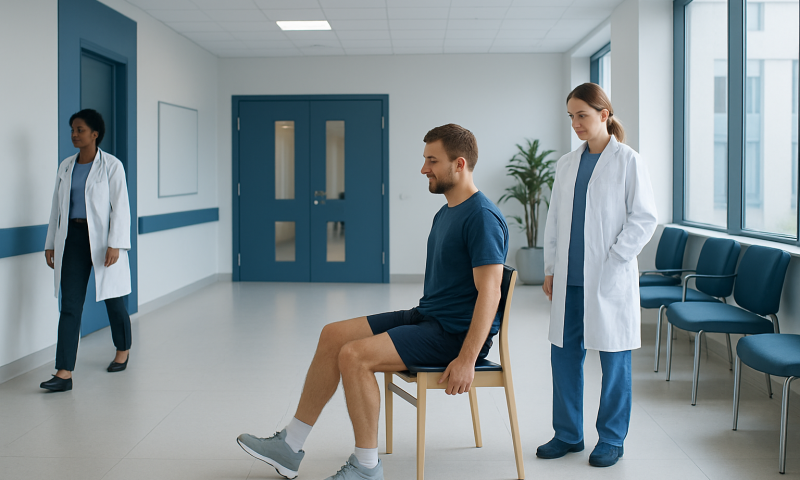
Diagnosis starts with a careful history and physical examination. A doctor will ask where the pain is located, when it started, which activities worsen it, and whether the knee has locked, given way, or swollen significantly. They may also observe walking, squatting, stepping, and leg alignment to understand how the knee is functioning.
Imaging is not always necessary at first. X-rays may be used to rule out arthritis or structural problems, while MRI can help assess cartilage and surrounding tissues when symptoms are persistent, unusual, or suggest another diagnosis. In many cases, the clinical pattern is more important than any single scan result.
For international patients, this step is often efficient because orthopedics, radiology, and rehabilitation can work together. That coordination matters when time is limited and a clear plan is needed before traveling back home.
Treatment Options
Treatment usually begins without surgery. The first goal is to calm irritation by temporarily reducing the activities that trigger pain, especially running hills, deep squats, or repetitive stair work. This does not mean total rest in most cases; it means adjusting load so the knee can settle while staying active in safer ways.
Targeted physical therapy is often the main treatment. Exercises may focus on strengthening the quadriceps, hip muscles, and core, improving flexibility, and correcting movement patterns that place extra stress on the kneecap. A therapist may also suggest taping, bracing, or gait retraining when appropriate.
Pain relief measures such as ice, short-term anti-inflammatory medicine, or topical treatments may be recommended by a doctor, depending on the person’s health profile. Surgery is uncommon and usually reserved for selected cases when conservative care has not helped and another structural problem is identified.
When patients travel for treatment, follow-up planning matters. A good plan should explain how to continue exercises at home, when to return to running, and which symptoms should prompt another review after the trip.
Prevention & Self-care
Many flare-ups can be reduced by matching training to current knee tolerance. Gradual increases in distance or intensity are usually safer than abrupt changes, and alternating running with lower-impact activities can give the joint time to recover.
Supportive self-care includes choosing footwear that fits the individual’s foot mechanics, warming up before exercise, and maintaining flexibility in the thighs and calves. Strength work for the hips and legs is often just as important as stretching, because controlled alignment can reduce stress on the kneecap.
- Increase activity gradually rather than all at once.
- Avoid repeated deep knee bending during a flare.
- Use exercise form that keeps the knee tracking comfortably.
- Schedule rest days and cross-training when needed.
- Seek early advice if pain keeps returning despite adjustments.
People recovering while living abroad may benefit from a written rehabilitation plan they can share with a local physiotherapist once they return home. Consistent follow-through is often what turns short-term improvement into lasting recovery.
When to See a Doctor
Medical evaluation is wise if front-of-knee pain lasts more than a short period, keeps returning, or interferes with daily walking, stairs, work, or sport. A doctor should also assess the knee if pain began after a fall or twist, if swelling is significant, or if the joint feels unstable.
Prompt care is especially important when the knee locks, gives way, becomes visibly deformed, or is difficult to bear weight on. These signs do not automatically mean a serious injury, but they do suggest the need for a proper diagnosis rather than self-treatment alone.
If symptoms are not improving with sensible activity modification, an orthopedic or sports medicine review can help identify the real driver of pain and prevent the problem from becoming long-term.
At Acibadem Health Point, multidisciplinary specialists and JCI-accredited hospitals evaluate and treat chondromalacia runner’s knee for international patients with coordinated orthopedic and rehabilitation care.
Frequently asked questions
01Is chondromalacia runner's knee the same as patellofemoral pain syndrome?
The terms are often used interchangeably in everyday conversation, but they are not always identical. Chondromalacia describes cartilage changes under the kneecap, while patellofemoral pain focuses on the pain pattern and function of the kneecap joint. A doctor can clarify which explanation best fits the person’s case.
02Does chondromalacia runner's knee always mean cartilage is permanently damaged?
Not necessarily. Symptoms can occur from irritation, overload, and movement issues even when cartilage changes are mild. Many people improve significantly with rehabilitation and activity adjustment.
03Can runners keep exercising with chondromalacia runner's knee?
Often they can, but the training plan may need to be modified. Lower-impact exercise, reduced mileage, and guided strengthening are commonly used while the knee calms down. A clinician or physiotherapist can help determine what is safe.
04How long does recovery take?
Recovery time varies because it depends on the severity of symptoms, how long they have been present, and whether movement patterns are corrected. Some people improve in a few weeks, while others need a longer rehabilitation period. Consistency with treatment is usually more important than any single intervention.
05Is surgery usually needed for chondromalacia runner's knee?
Surgery is not common. Most people are treated successfully with non-surgical measures such as physical therapy, load management, and symptom control. Surgery is considered only in selected cases after a specialist review.
06What is the best way to prevent it from coming back?
The most useful approach is to keep the knee strong, avoid sudden increases in training, and pay attention to alignment and footwear. If pain begins to return, reducing load early and reviewing technique can help prevent a bigger flare.
This article is for general information only and is not a substitute for professional medical advice. Please consult a qualified doctor about your individual situation.
Joint and spine care in Turkey — expert assessment & treatment
JCI-accredited · board-certified surgeons · reply within 24h
Add us as a Preferred Source to see more of our trusted health content across Google Search, AI Overviews and Discover.