

What Is Breast Enlargement? A Complete Medical Guide

Key Takeaways
- Breast enlargement is a sign, not a diagnosis, and its cause depends on age, sex, timing, and accompanying symptoms.
- Hormonal changes, pregnancy, weight gain, medicines, and benign breast conditions are common reasons breasts may enlarge.
- A medical assessment usually includes history, physical examination, and sometimes imaging or blood tests.
- Treatment focuses on the underlying cause; many cases need reassurance, monitoring, or simple lifestyle changes.
- New, one-sided, painful, or rapidly changing breast enlargement should be discussed with a clinician.
Breast enlargement is a broad term for breasts becoming larger than expected for a person’s age, body type, or usual pattern. It can reflect normal life stages, hormonal shifts, medications, pregnancy, weight changes, or an underlying medical condition that deserves evaluation.
Overview
Breast enlargement means the breast tissue, the surrounding fat, or both have increased in size. It is not a diagnosis on its own. Instead, it is a physical change that can have many explanations, ranging from normal hormonal milestones to conditions that need medical attention.
In women and girls, breast enlargement often appears during puberty, before a menstrual period, during pregnancy, or with weight changes. It may be temporary or long-lasting, symmetrical or uneven, and it may come with tenderness, fullness, or no discomfort at all. The meaning of the change depends on the person’s age, health history, and whether the enlargement is new, rapid, or persistent.
For Myomectomy Recovery for International Patients: The Usual Travel Timeline" class="ahp-ilk">international patients deciding whether to travel for care, the first step is usually a clear local evaluation. If the cause is not obvious, a specialist may recommend targeted tests before any treatment is planned, which can help avoid unnecessary procedures and make follow-up easier after returning home.
Symptoms
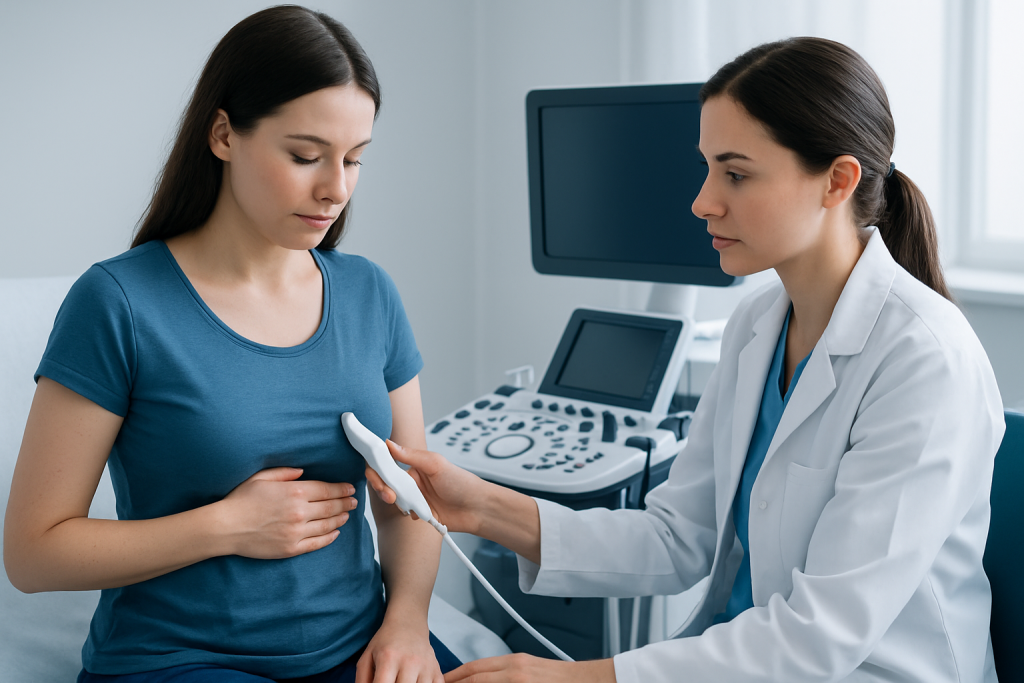
The most obvious sign is an increase in breast size, but the experience can vary widely. Some people notice gradual fullness on both sides, while others discover one breast has become larger, firmer, or more tender than the other.
Breast enlargement may be accompanied by:
- Breast tenderness or sensitivity
- A feeling of heaviness or pressure
- Changes in shape or firmness
- Swelling before menstruation
- Visible asymmetry
- Nipple changes, such as discharge or inversion
Sometimes the enlargement is linked to a broader pattern, such as weight gain, pregnancy symptoms, or signs of a hormonal disorder. A breast lump, skin dimpling, redness, warmth, or persistent pain may point to a separate issue and should be assessed rather than assumed to be simple enlargement.
Causes & Risk Factors

Many different factors can lead to breast enlargement, and more than one may be present at the same time. Hormones are central because breast tissue is responsive to estrogen, progesterone, prolactin, and other endocrine signals.
Common causes include puberty, the menstrual cycle, pregnancy, breastfeeding, perimenopause, and menopause-related hormone shifts. Weight gain can also increase breast size because breasts contain fatty tissue as well as glandular tissue. Certain medicines, including some hormonal treatments and drugs that affect hormone balance, may contribute as well.
Less commonly, enlargement may reflect a benign breast condition such as fibrocystic change, an infection or inflammation, an endocrine disorder such as thyroid or pituitary disease, or rarely a tumor. Risk is influenced by family history, medication exposure, pregnancy history, body weight changes, and underlying hormonal conditions.
Although breast enlargement is often harmless, new enlargement in one breast, rapid growth, or enlargement with a new lump deserves proper medical review. The goal is not to assume the worst, but to understand the cause clearly enough to choose the right next step.
Diagnosis
Diagnosis starts with a careful history. A clinician will usually ask when the enlargement began, whether it affects one or both breasts, whether it changes with the menstrual cycle, and whether there are associated symptoms such as pain, discharge, fever, or a lump. Medication use, pregnancy possibility, and recent weight change are also important.
A physical examination helps determine whether the change feels like normal breast tissue, fluid-related swelling, a localized mass, or inflammation. Depending on age and findings, the clinician may recommend imaging such as breast ultrasound or mammography. In some situations, blood tests may be ordered to look at hormone levels, thyroid function, or other possible causes.
For patients traveling from another country, it is helpful to bring prior imaging reports, medication lists, and any pathology results. This supports continuity of care and reduces the chance of repeating tests unnecessarily. If further evaluation is needed after travel, a clear written plan can make follow-up with the home-country doctor easier.
Treatment Options
Treatment depends entirely on the cause. In many cases, no active treatment is needed beyond reassurance and observation, especially when breast enlargement is linked to puberty, pregnancy, or a predictable hormonal cycle. When a medicine is responsible, a clinician may consider an alternative if it is safe and appropriate.
If the enlargement is related to an underlying condition, treating that condition is the main strategy. For example, thyroid disorders, infection, or hormonal disturbances may improve once the primary problem is addressed. Benign breast conditions may be managed with symptom relief, monitoring, or, in selected cases, a procedure if a mass needs to be removed or examined more closely.
When breast enlargement is part of body contour concerns rather than disease, some people discuss cosmetic options with a specialist. Those decisions should still begin with a medical evaluation, because appearance changes can sometimes overlap with treatable breast or endocrine problems. A careful diagnosis helps ensure that any intervention is matched to the real cause.
Prevention & Self-care
Not all breast enlargement can be prevented, especially when it is driven by normal life stages or genetic factors. Even so, a few practical habits can make changes easier to monitor and more comfortable to live with.
Supportive bras, maintaining a stable healthy weight, and keeping a simple record of timing and symptoms can be helpful. If breasts seem to swell in relation to the menstrual cycle, noting the pattern may help a clinician distinguish hormonal fullness from other causes. People taking new medicines should read the medication information and mention breast changes promptly if they appear.
Self-care should stay within safe limits. It is better to avoid repeated pressing, squeezing, or “testing” a breast lump at home, because that can make soreness worse and may increase worry without providing useful information. If a person is trying to organize care abroad, digital copies of imaging and a short symptom timeline can be especially useful during consultation and after returning home.
When to See a Doctor
Medical evaluation is a good idea when breast enlargement is new, unexplained, one-sided, rapid, or persistent. It is also important to seek care if the change is associated with a lump, nipple discharge, skin redness, warmth, fever, nipple inversion, or dimpling of the skin.
Prompt review is also appropriate if breast enlargement happens alongside missed periods, unexpected milk production, symptoms of thyroid imbalance, or a recent medication change. These clues can point to a hormonal or systemic cause that may be treatable.
If someone is arranging treatment from abroad, a specialist consultation can help determine whether the issue can be managed with local follow-up or whether further testing or a procedure is advisable during the visit. Acibadem Health Point’s multidisciplinary specialists and JCI-accredited hospitals diagnose and treat this condition for international patients in a coordinated setting.
Frequently asked questions
01Is breast enlargement always a sign of a serious problem?
No. Breast enlargement is often related to normal hormonal changes, pregnancy, breastfeeding, weight change, or certain medicines. It becomes more important to evaluate when it is new, one-sided, painful, or associated with a lump or nipple changes.
02Can breast enlargement happen before a period?
Yes. Many people notice temporary breast fullness or tenderness before menstruation because of normal hormone fluctuations. This usually settles after the period begins.
03What tests are used to find the cause of breast enlargement?
A clinician may start with a physical examination and history, then order imaging such as ultrasound or mammography if needed. Blood tests may be used when a hormonal or endocrine cause is suspected.
04Does weight gain affect breast size?
Yes. Breasts contain both glandular and fatty tissue, so weight gain can make them larger. Weight changes may also alter breast shape and firmness.
05When should breast enlargement be checked urgently?
Urgent assessment is sensible if the enlargement is rapid, one-sided, very painful, red, hot, or linked with fever or nipple discharge. Those features may suggest infection or another condition that needs prompt medical attention.
06Can breast enlargement be treated without surgery?
Often, yes. Many causes are managed by treating the underlying condition, changing a medication when appropriate, or simply monitoring the breast over time.
This article is for general information only and is not a substitute for professional medical advice. Please consult a qualified doctor about your individual situation.
Medical weight-loss options in Turkey — costs & eligibility
JCI-accredited · board-certified surgeons · reply within 24h
Add us as a Preferred Source to see more of our trusted health content across Google Search, AI Overviews and Discover.


