

What Is Blood Pressure Chart? A Complete Medical Guide
- 9 min read
- Published November 13, 2026
Key Takeaways
- A blood pressure chart compares systolic and diastolic numbers with standard ranges.
- One reading does not define a person’s blood pressure pattern; repeated measurements matter.
- High blood pressure often has no symptoms, which is why routine checking is important.
- Home monitoring can help doctors understand day-to-day blood pressure changes.
- Lifestyle measures and medical treatment can both play a role in managing blood pressure.
A blood pressure chart is a simple reference that helps people understand whether a reading is in a normal, elevated, high, or low range. It is useful for spotting patterns over time, but it should always be interpreted together with age, symptoms, medical history, and a clinician’s advice.
Overview
A blood pressure chart is a quick reference that shows where a person’s reading falls on the spectrum from low to normal to high. It is built around two numbers: systolic pressure, which is the force when the heart contracts, and diastolic pressure, which is the force when the heart relaxes.
For many adults, a reading around 120/80 mmHg is often used as a practical benchmark for normal blood pressure, but the interpretation is not always identical for every person. Age, pregnancy, existing heart disease, kidney disease, diabetes, and the reason for testing can all affect how a clinician reads the numbers.
In day-to-day care, the chart is less about labeling a single measurement and more about identifying a pattern. That is why doctors often look at several readings taken at different times, sometimes both in a clinic and at home, before giving advice or starting treatment.
How to Read a Blood Pressure Chart

A blood pressure chart usually lists ranges for systolic and diastolic values. The top number appears first and the bottom number second; both matter, because either one can be too high or too low. A reading is typically written as 118/76 mmHg, with the unit mmHg standing for millimeters of mercury.
Broadly speaking, lower readings may suggest low blood pressure, normal readings sit in the healthy range, and higher readings move through elevated and hypertensive categories. Some charts also include caution zones that prompt follow-up rather than immediate concern, especially when a person feels well and the result is only slightly above target.
What matters most is consistency. A person with several borderline readings over weeks may need closer review than someone with one high reading after stress, pain, caffeine, or rushing into the appointment. The chart is a guide, not a diagnosis on its own.
- Systolic: pressure during heartbeats
- Diastolic: pressure between heartbeats
- Pulse pressure: the difference between the two numbers
- Trends: repeated readings over time
What the Numbers Usually Mean

Blood pressure categories can vary slightly by guideline, but the basic idea is consistent: lower numbers are generally safer up to a point, while sustained higher numbers can strain the arteries, heart, brain, and kidneys. A normal reading suggests the circulation is working efficiently and the vessel walls are not under excessive pressure.
Elevated or high readings do not always cause immediate symptoms, which is why they can go unnoticed for years. Persistent hypertension may quietly increase the risk of heart attack, stroke, heart failure, kidney disease, and vision problems. On the other end, low blood pressure may be harmless in some people but can sometimes cause dizziness, fainting, or weakness if it reduces blood flow to the brain and other organs.
Because the meaning of a number depends on the whole clinical picture, doctors consider medications, hydration, recent illness, exercise, pregnancy, and long-term conditions. This is especially important for international patients who may arrive with readings taken in different settings, on different devices, or by different methods.
Symptoms and Why Blood Pressure Can Be Missed
High blood pressure is often called a silent condition because many people feel completely normal even when their readings are repeatedly above the healthy range. That is one reason a blood pressure chart is such a useful tool: it can reveal a problem before symptoms appear.
When symptoms do occur, they are usually not specific. Headache, shortness of breath, chest discomfort, blurred vision, or nosebleeds may happen for many reasons and should not be used alone to judge blood pressure. Low blood pressure can cause lightheadedness, fatigue, fainting, or a sense of being unsteady, especially when standing up quickly.
Any sudden severe symptoms deserve prompt medical attention, particularly chest pain, weakness on one side of the body, trouble speaking, or shortness of breath. A chart is helpful for context, but it should never replace a proper assessment if a person feels unwell.
Causes and Risk Factors
There is no single cause for every blood pressure change. Temporary factors such as pain, anxiety, poor sleep, dehydration, alcohol, caffeine, smoking, and some medicines can influence a reading. Even the way a reading is taken matters; an arm positioned incorrectly, a cuff that does not fit well, or talking during measurement can distort the result.
Long-term high blood pressure is more likely when a person has a family history of hypertension, excess body weight, low physical activity, high salt intake, kidney disease, diabetes, sleep apnea, or advancing age. Some hormonal conditions and certain medications can also affect blood pressure.
Low blood pressure may be related to dehydration, blood loss, infection, heart rhythm problems, endocrine disorders, or side effects of treatment. In travelers, jet lag, fluid changes, and missed medication doses can add another layer of variability that should be considered during review.
Diagnosis and Monitoring
Diagnosis usually begins with accurate measurement, and a doctor may repeat readings on different days before drawing conclusions. If clinic numbers are inconsistent or suspected to be affected by stress, home blood pressure monitoring or ambulatory monitoring over 24 hours may be recommended.
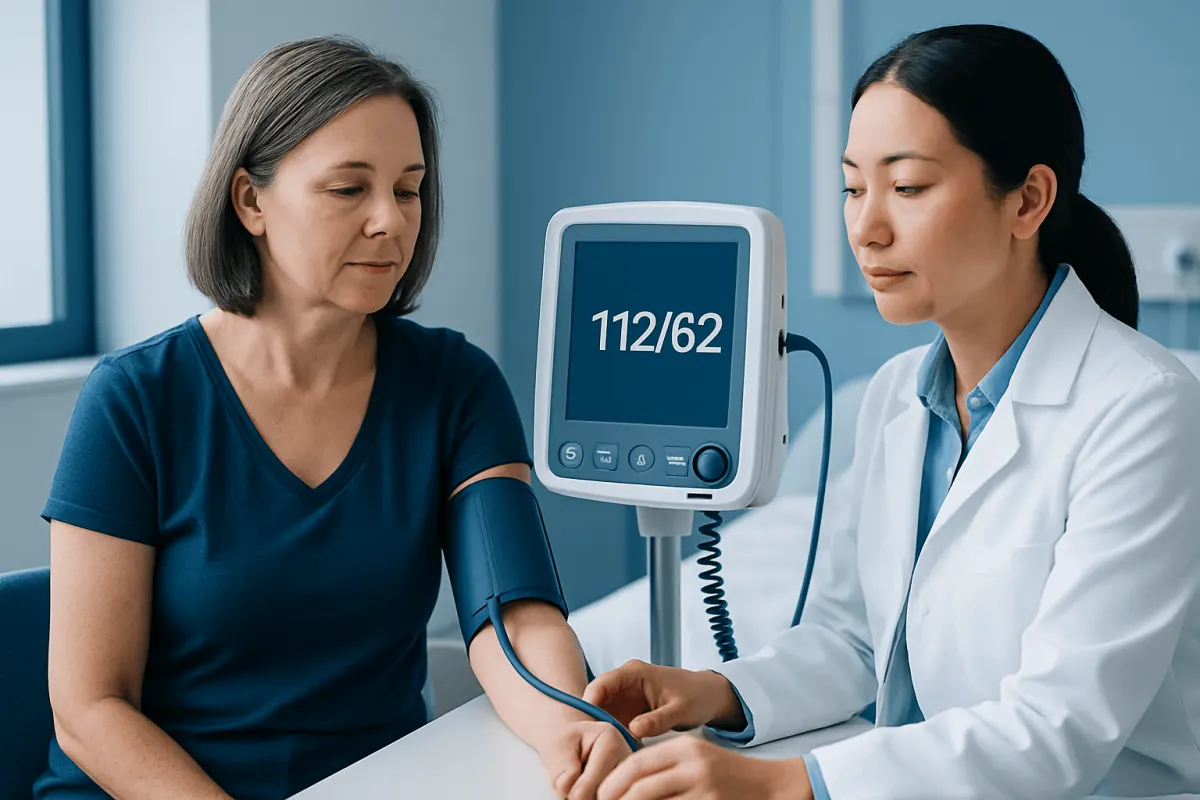
A reliable measurement follows a simple routine: rest quietly for several minutes, avoid smoking or exercise beforehand, sit with the back supported, keep the feet on the floor, and place the arm at heart level. Using the right cuff size is essential, because cuffs that are too small or too large can give misleading results.
For many patients, the most useful information is not a single value but a log. A written or digital record of morning and evening readings, along with notes about symptoms, medications, travel, and sleep, helps clinicians identify patterns and personalize care. This is especially valuable when follow-up is planned across borders and time zones.
Treatment Options, Prevention & Self-care
Treatment depends on whether the concern is high blood pressure, low blood pressure, or variable readings that need clarification. For hypertension, clinicians often start with lifestyle changes and may add medication when needed. For low blood pressure, the plan may focus on hydration, review of medicines, identifying underlying causes, and helping the person avoid triggers such as sudden standing.
Everyday habits can make a meaningful difference. A heart-friendly eating pattern, reduced salt intake when advised, regular physical activity, adequate sleep, limiting alcohol, and not smoking all support healthier blood pressure. People who already take medication should not change or stop it on their own, because blood pressure can rise or fall unpredictably.
Self-care also includes practical monitoring. Keeping a home cuff, measuring at consistent times, and bringing the log to appointments can make consultations more precise. For people traveling for care, clinicians may suggest scheduling follow-up before departure, carrying a medication list, and planning how blood pressure will be checked after returning home.
- Measure under similar conditions each day
- Track readings with notes on symptoms or triggers
- Follow the prescribed treatment plan consistently
- Seek guidance before making major diet or medication changes
When to See a Doctor
A doctor should review blood pressure when readings are repeatedly outside the expected range, when a person has symptoms, or when there is uncertainty about how to interpret the chart. New onset high readings, low readings with dizziness, or large swings from one measurement to another deserve clinical attention.
Medical review is also important for anyone with diabetes, kidney disease, known heart disease, pregnancy, or a family history of stroke or early cardiovascular disease. In these situations, even modest changes in blood pressure can matter more, and home monitoring may be especially helpful.
If a person is traveling for care, a coordinated team can help interpret prior records, confirm the diagnosis with reliable measurements, and plan follow-up after return home. Acibadem Health Point’s multidisciplinary specialists and JCI-accredited hospitals diagnose and treat blood pressure-related conditions for international patients in a coordinated way.
Frequently asked questions
01What is a blood pressure chart used for?
A blood pressure chart helps a person understand whether a reading falls into a normal, elevated, high, or low range. It is mainly used as a guide for tracking patterns and deciding when professional review is needed.
02Is 120/80 always considered normal?
It is commonly used as a benchmark for normal adult blood pressure, but the full context matters. Age, symptoms, pregnancy, and other medical conditions can change how a clinician interprets the number.
03Can one high reading mean hypertension?
Not usually. Stress, pain, caffeine, exercise, or a poor measurement technique can temporarily raise blood pressure, so doctors often look for repeated elevated readings before diagnosing hypertension.
04Why do home and clinic readings differ?
Readings can differ because of activity, stress, device type, cuff size, or timing of the measurement. Home monitoring is often useful because it shows what blood pressure looks like in daily life.
05What should someone do before taking a blood pressure reading?
They should rest quietly, avoid exercise or smoking beforehand, sit with the back supported, and keep the arm at heart level. It also helps to use the same device and take readings at similar times each day.
06When is low blood pressure a concern?
Low blood pressure may be normal for some people, especially if they feel well. It becomes more important when it causes dizziness, fainting, weakness, or other symptoms that could signal poor circulation.
This article is for general information only and is not a substitute for professional medical advice. Please consult a qualified doctor about your individual situation.
Heart care in Turkey — expert evaluation and treatment
JCI-accredited · board-certified surgeons · reply within 24h
Add us as a Preferred Source to see more of our trusted health content across Google Search, AI Overviews and Discover.


How can we help you today?
Meet an Acibadem specialist by secure video, before you travel.
Book a video visit