What Is Bimaxillary Osteotomy? A Complete Medical Guide

Key Takeaways
- Bimaxillary osteotomy repositions both jaws to correct bite and jaw alignment problems.
- It may be recommended for chewing difficulties, speech concerns, facial asymmetry, or jaw-related breathing issues.
- Treatment planning usually involves orthodontics, imaging, and close coordination between specialists.
- Recovery takes time and includes soft foods, swelling control, oral hygiene, and follow-up visits.
- Most people need continued orthodontic care after surgery to refine the bite.
- A qualified surgeon and orthodontic team can help determine whether this treatment is appropriate.
Bimaxillary osteotomy is a form of orthognathic surgery that repositions both the upper and lower jaws to improve how the teeth fit, how the bite functions, and sometimes how the face is balanced. It is typically planned for people whose jaw relationship cannot be corrected with braces alone.
Overview
Bimaxillary osteotomy is a surgical procedure that moves both the upper jaw (maxilla) and the lower jaw (mandible) into a new, more balanced position. In everyday language, it is often called double jaw surgery. The goal is to improve how the teeth meet, support better jaw function, and, in many cases, create a more harmonious facial profile.
This operation is part of orthognathic surgery, which means surgery designed to correct problems in jaw growth and alignment. It is usually considered when braces or aligners alone cannot fix the bite because the issue is not only with the teeth, but also with the position of the jaws themselves. For people traveling for treatment, planning often starts well before the operation, with imaging, orthodontic preparation, and discussions about timing, recovery, and follow-up in their home country.
Bimaxillary osteotomy is a highly individualized procedure. The exact surgical plan depends on the bite problem, facial structure, airway considerations, and the person’s goals. Because the operation affects both form and function, it is best understood as a reconstructive treatment rather than a cosmetic shortcut.
Symptoms and Problems It May Address
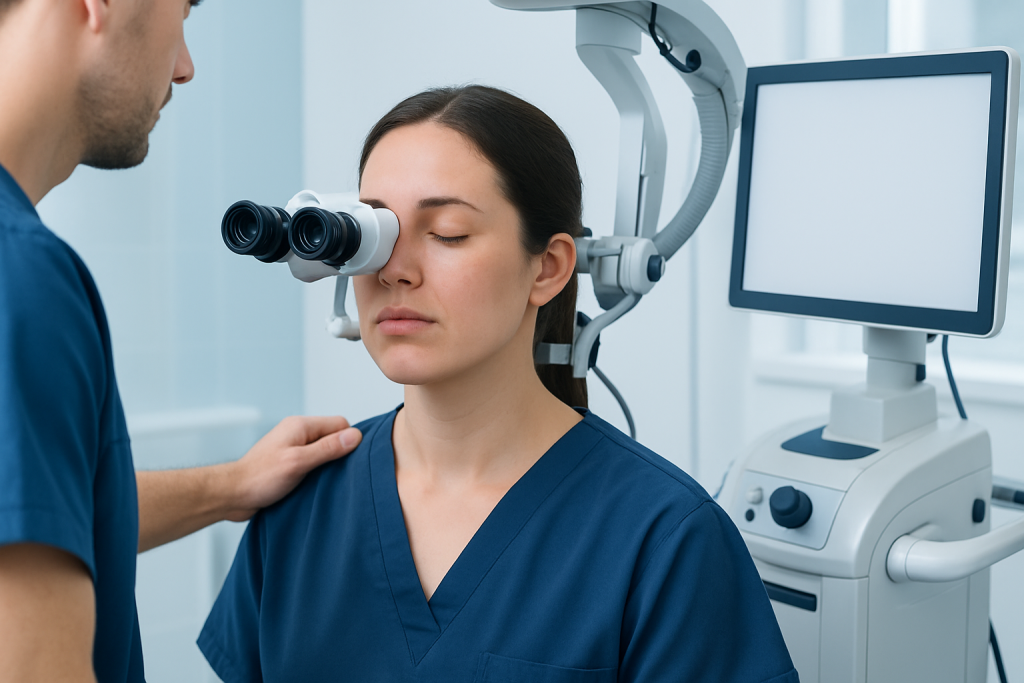
People do not choose bimaxillary osteotomy for one single symptom. Instead, the surgery is usually recommended when several problems are linked to jaw position. Common concerns include an overbite, underbite, open bite, crossbite, or a bite that feels unstable even after orthodontic treatment.
Some people notice that they have difficulty chewing certain foods, biting into food evenly, or speaking clearly because the jaws do not meet in a stable way. Others may feel that the upper and lower teeth do not match when the mouth closes, or that the chin, midface, or jawline appear noticeably out of balance. In some cases, jaw misalignment can also contribute to mouth breathing, snoring, or sleep-disordered breathing, although surgery is only one part of evaluating those issues.
The symptoms are not always dramatic. For some patients, the main clue is repeated orthodontic frustration: teeth can be moved, but the bite still does not function well. For others, the concern is pain or strain in the jaw muscles, difficulty closing the lips comfortably, or frequent biting of the cheeks or tongue.
Causes and Risk Factors
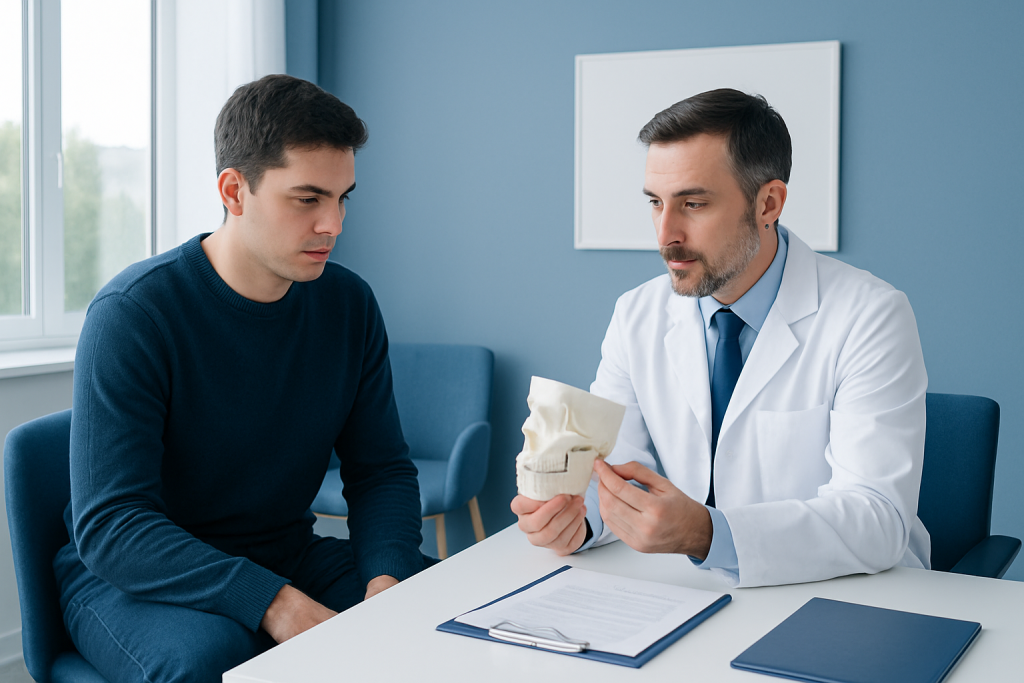
Bimaxillary osteotomy is usually recommended to correct problems that began with how the jaws developed. Jaw size, shape, and position are influenced by genetics, childhood growth patterns, and sometimes early injury or congenital conditions. If the upper and lower jaws grow at different rates or angles, the teeth may no longer fit together in a stable way.
Several factors may make jaw surgery more likely to be considered. These include severe bite discrepancies, facial asymmetry, jaw deformities present from birth, growth-related imbalance after injury, and certain syndromic or developmental conditions. In adults, the issue is often longstanding and becomes more noticeable once growth is complete.
It is important to understand that bimaxillary osteotomy is not performed just because someone wants a different facial shape. Surgeons typically recommend it when there is a clear functional or structural reason, and when the benefits are likely to outweigh the risks. That careful selection process is one reason pre-surgical planning matters so much.
Diagnosis and Treatment Planning
The workup usually begins with a detailed examination by a surgical team and an orthodontist. They assess the bite, facial symmetry, jaw movement, and how the teeth contact each other. Photographs, dental models or digital scans, and imaging such as X-rays or cone-beam CT may be used to map the jaw relationship in detail.
Planning is often collaborative. The orthodontist may need to prepare the teeth before surgery so they can fit properly once the jaws are moved. The surgeon then uses measurements and imaging to determine how far each jaw should be repositioned. In many centers, computer-based planning helps the team visualize the intended result and coordinate the orthodontic and surgical steps.
For international patients, this stage is especially important. Questions about the length of preoperative orthodontic treatment, the hospital stay, the need for a companion, and the timing of follow-up visits should be addressed early. A clear plan helps the person decide whether to have care locally, travel for surgery, or combine surgery with orthodontic support in more than one location.
Treatment Options and the Surgical Procedure
Bimaxillary osteotomy involves cutting and repositioning both jaws so they can be aligned more precisely. The exact technique varies according to the problem being corrected. The upper jaw may be moved forward, backward, upward, or rotated; the lower jaw may also be adjusted to achieve a better bite and facial balance. In some cases, small additional procedures are performed at the same time to refine the chin or correct asymmetry.
The operation is done under general anesthesia. Surgeons typically work inside the mouth, which helps avoid visible external scars. Once the jaws are repositioned, they are secured with plates and screws. The bite is then checked carefully so the teeth meet as planned. Depending on the case, elastic bands may be used during healing to support the new jaw relationship without fully immobilizing the jaw.
After surgery, swelling and temporary changes in sensation are common. Many people stay in the hospital for observation during the early recovery period. Pain control, oral hygiene guidance, and a staged diet are part of standard postoperative care. Over time, orthodontic adjustments are usually continued to fine-tune the bite once the bones have begun to heal.
Recovery and What to Expect
Recovery from bimaxillary osteotomy happens in stages. The first days are usually focused on rest, swelling management, hydration, and gentle oral care. Eating is generally limited to soft or liquid foods at first, and the diet progresses gradually as healing advances. Speaking, chewing, and facial movement may feel awkward early on, but this improves as swelling settles and the muscles adapt.
Swelling can last for several weeks and may take longer to fully resolve. Temporary numbness or altered sensation in the lips, cheeks, chin, or teeth is also possible because the nerves around the jaws need time to recover. Follow-up visits are essential so the surgeon can monitor healing, check the bite, and make any needed adjustments to the recovery plan.
People traveling from abroad should plan for enough time near the surgical center before returning home. They may need in-person reviews, coordination with their orthodontist, and clear instructions for remote follow-up. Recovery is usually easier when the person knows whom to contact if questions arise after discharge and has practical support arranged for the first few weeks.
- Keep the mouth clean using the method recommended by the care team.
- Follow the prescribed diet progression rather than advancing food too quickly.
- Avoid heavy exercise or contact activities until cleared by the surgeon.
- Attend all scheduled reviews, even if recovery seems to be going well.
Benefits, Limitations, and Possible Risks
When successful, bimaxillary osteotomy can improve bite function, make chewing more efficient, and help the jaws fit together in a more stable way. It may also support clearer speech in some people and reduce strain caused by chronic jaw imbalance. Many patients also appreciate the facial changes that come from correcting skeletal asymmetry, although appearance is only one part of the benefit.
As with any surgery, there are limitations. Healing takes time, orthodontic care often continues after the operation, and the final result may not be immediately visible because swelling can mask the outcome for weeks or months. The operation also does not guarantee the complete resolution of every concern, especially if symptoms are influenced by multiple factors.
Possible risks include infection, bleeding, swelling, temporary or sometimes prolonged numbness, bite changes that need refinement, and the general risks associated with anesthesia and surgery. Serious complications are uncommon in appropriately selected patients, but they can occur, which is why specialist assessment and careful postoperative monitoring are essential.
Prevention, Self-Care, and When to See a Doctor
Bimaxillary osteotomy itself is not a preventive procedure, but some of the problems that lead to it can be identified early. Children and teenagers with crowding, bite changes, mouth breathing, jaw asymmetry, or difficulty chewing may benefit from orthodontic evaluation before growth ends. Early assessment does not always mean early surgery, but it can clarify whether watchful waiting, orthodontics, or future surgical planning is needed.
After surgery, self-care focuses on protecting the healing bones and maintaining oral health. That includes following dietary instructions, taking medications exactly as prescribed, keeping follow-up appointments, and avoiding smoking or other habits that can interfere with healing. Good hydration and a calm, structured recovery environment also make a difference, especially for patients recovering away from home.
A doctor or oral and maxillofacial surgeon should be consulted if a person has a severe bite problem, jaw pain linked to malocclusion, worsening facial asymmetry, difficulty chewing that affects nutrition, or concerns about snoring or breathing that may be related to jaw position. After surgery, medical review is important for fever, increasing pain, unusual bleeding, worsening swelling, persistent numbness that feels concerning, or any change in the bite that seems sudden. Acibadem Health Point’s multidisciplinary specialists and JCI-accredited hospitals diagnose and treat this condition for international patients with coordinated surgical and orthodontic care.
Frequently asked questions
01What is bimaxillary osteotomy used for?
It is used to correct significant jaw alignment problems involving both the upper and lower jaws. The procedure helps improve the bite, chewing function, and sometimes facial balance. It is usually considered when orthodontic treatment alone cannot solve the underlying skeletal issue.
02Is bimaxillary osteotomy the same as double jaw surgery?
Yes, those terms are commonly used for the same general procedure. Both refer to surgery that repositions the upper jaw and lower jaw in one treatment plan. The exact surgical steps vary depending on the person’s anatomy and the correction needed.
03How long does recovery usually take?
Initial recovery often takes several weeks, but full healing and orthodontic refinement can take much longer. Swelling, dietary changes, and activity limits are most noticeable early on. The final bite and facial soft-tissue changes continue to settle over time.
04Will there be visible scars after the surgery?
In many cases, the operation is done through incisions inside the mouth, so there are no visible external scars from the jaw cuts. If any additional procedure is performed, the surgeon will explain whether it involves external incisions. The plan depends on the specific correction needed.
05Does everyone need braces before and after the surgery?
Many patients do, because orthodontics helps position the teeth so they fit properly once the jaws are moved. Some treatment plans also include orthodontic care after surgery to finalize the bite. The sequence depends on the individual case and the team’s treatment strategy.
06Can bimaxillary osteotomy help with breathing problems?
In some people, changing the jaw position can improve airway space and help with breathing-related concerns. However, breathing issues have multiple possible causes, so a proper evaluation is needed before assuming surgery will help. A specialist can determine whether jaw surgery is part of an appropriate treatment plan.
This article is for general information only and is not a substitute for professional medical advice. Please consult a qualified doctor about your individual situation.
Explore treatments in Turkey — costs, top hospitals & a free quote
JCI-accredited · board-certified surgeons · reply within 24h
Add us as a Preferred Source to see more of our trusted health content across Google Search, AI Overviews and Discover.