What Is Bike Cycling Exercise? A Complete Medical Guide
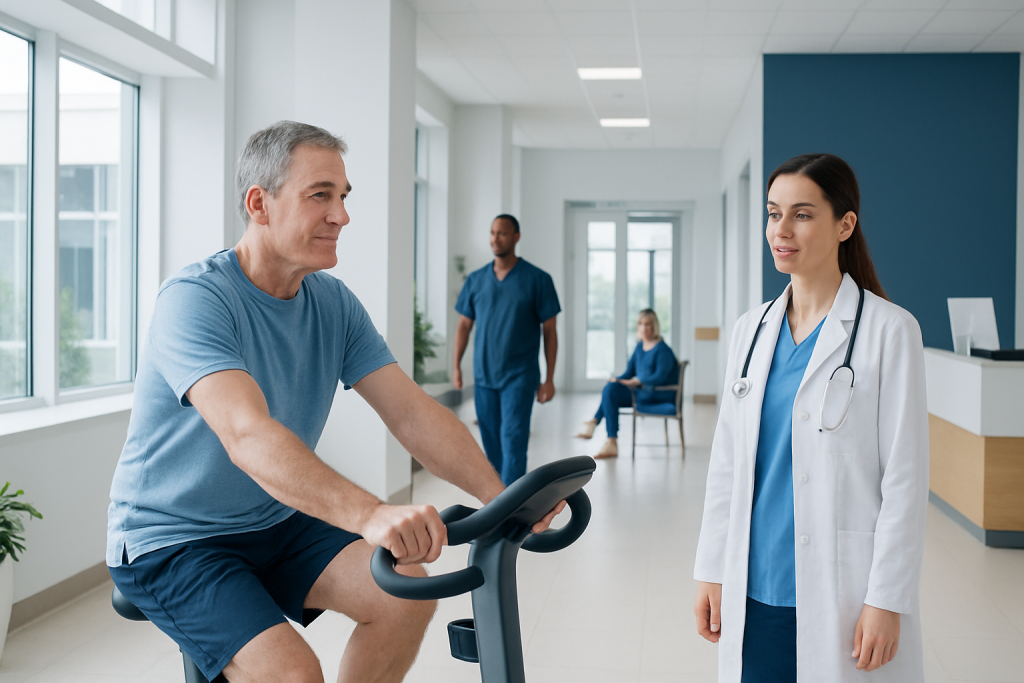
Key Takeaways
- Bike cycling exercise is a form of aerobic training that can be adapted for beginners, older adults, and many people with joint sensitivity.
- It supports cardiovascular fitness, leg strength, stamina, and general calorie expenditure when done consistently.
- Proper bike setup, posture, and pacing matter because poor technique can lead to avoidable discomfort or overuse strain.
- People with heart, balance, knee, hip, or nerve concerns should ask a clinician before beginning a new exercise plan.
- A gradual approach is usually the safest way to build fitness and make cycling sustainable over time.
Bike cycling exercise is a low-impact aerobic activity performed on an outdoor bicycle or a stationary bike to support heart health, muscle endurance, weight management, and joint-friendly fitness. This guide explains how it works, who may benefit, and how to start safely with realistic, medically informed advice.
Overview
Bike cycling exercise is a structured way of using a bicycle or stationary bike to improve fitness, support cardiovascular health, and build endurance. In simple terms, it is aerobic exercise that can be adjusted from an easy recovery ride to a demanding training session, which is one reason it fits so many different lifestyles and health goals.
For many people, cycling is appealing because it places less impact on the joints than running or jumping-based workouts. That lower-impact quality does not make it “easy” by default; instead, it makes the activity flexible. The resistance, speed, duration, and terrain can all be changed to match a person’s current condition and long-term goals.
In medical and wellness settings, cycling is often discussed as part of a broader plan for heart health, weight management, rehabilitation, and general conditioning. A clinician or exercise professional may recommend it for someone who needs a predictable, measurable workout that can be scaled up gradually and monitored more closely than many other forms of exercise.
Because people may start cycling for very different reasons — returning to exercise after a long break, cross-training for sport, or simply wanting a practical routine — the best approach is one that fits the person rather than forcing the person to fit the workout. That is especially important for anyone traveling for care or managing a condition from another country, where continuity and realistic follow-up matter just as much as the exercise itself.
Symptoms and what people usually notice
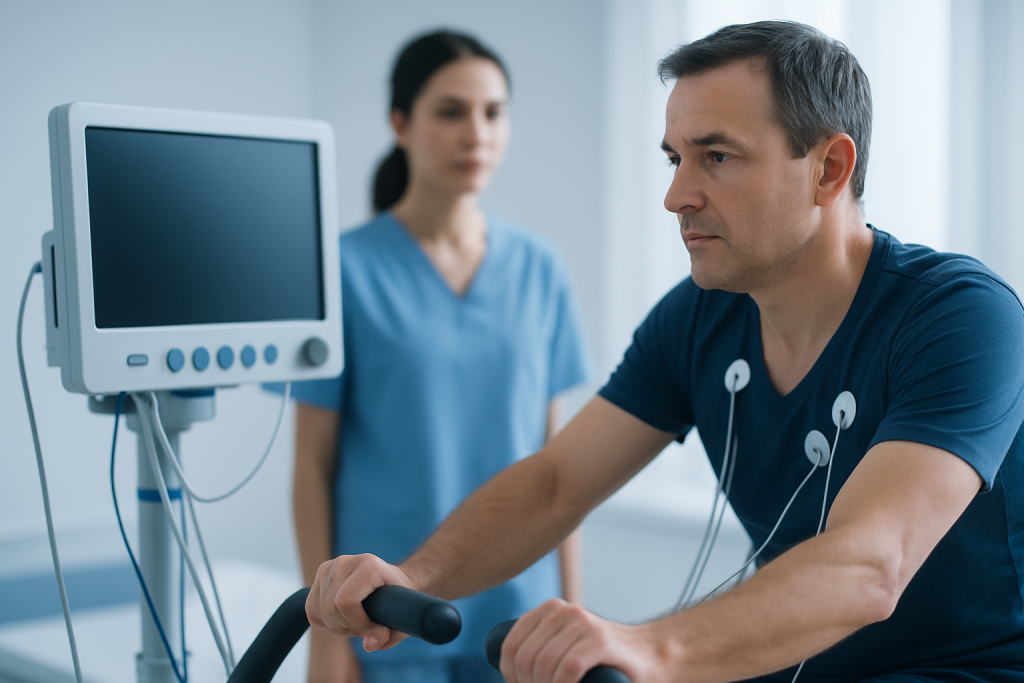
Bike cycling exercise does not cause “symptoms” in the usual medical sense, but people often notice how their body responds during and after a ride. A comfortable session typically creates mild breathlessness, a warmer body temperature, and gradual fatigue in the legs. Those changes are expected and often indicate that the workout is challenging the body in a useful way.
Some people also notice areas that become sensitive if bike setup or technique is off. Common trouble spots include the knees, lower back, neck, wrists, and saddle area. These are not rare and do not always mean the person should stop cycling, but they often signal that the bicycle fit, posture, resistance level, or ride duration needs adjustment.
Warning signs deserve more attention. Chest pain, faintness, unusual shortness of breath, palpitations that do not settle, or severe joint pain are not part of normal exercise discomfort. The same is true for numbness, repeated falls, or pain that becomes worse with each session rather than improving as fitness builds.
People who are new to cycling may also notice delayed muscle soreness in the thighs and hips. Mild soreness can be normal after starting or increasing activity, especially when the body is adapting to a new pattern of movement. If soreness is severe, lasts unusually long, or interferes with walking and daily tasks, a clinician should evaluate it.
Causes and risk factors

Bike cycling exercise itself is simply a method of movement, but the reasons people choose it often shape how beneficial or difficult it becomes. Someone recovering from inactivity may use cycling because it is manageable and measurable, while an experienced athlete may use it to improve performance. The body’s response depends on current fitness, health conditions, and how the bike is used.
Several factors can increase the chance of discomfort or injury. An improperly adjusted seat height can overload the knees or hips. Handlebars that are too low or too far away may strain the neck, shoulders, or wrists. Riding with too much resistance too early can make the workout feel punishing and may increase the risk of overuse pain.
Individual health conditions also matter. People with arthritis, previous fractures, back problems, poor balance, neuropathy, obesity, or cardiovascular disease may still benefit from cycling, but they may need a more careful start. Pregnancy, recent surgery, and certain neurological conditions may also require tailored advice before beginning.
Environmental and practical factors can influence risk too. Outdoor cycling adds traffic, weather, visibility, and road-surface concerns, while indoor cycling may involve longer periods in a fixed posture. For international patients who are balancing treatment, rehabilitation, and travel, a stationary bike may sometimes be the more predictable option because it is easier to control intensity and monitor symptoms.
How doctors assess whether cycling is a good fit
Most people do not need complex testing before starting gentle to moderate cycling, but medical review becomes important when symptoms, chronic disease, or recent injury are part of the picture. A clinician will usually ask about current activity level, pain patterns, medications, prior surgeries, and any episodes of dizziness, chest discomfort, or breathlessness.
If needed, assessment may include a physical examination of posture, joint movement, balance, and muscle strength. In some situations, a doctor may recommend heart evaluation, imaging, or rehabilitation input before someone starts a more vigorous plan. This is especially relevant for people returning to exercise after a cardiac event, orthopedic procedure, or prolonged illness.
Bicycle fit assessment can be just as important as medical assessment. Small adjustments to saddle height, seat position, handlebar reach, and pedal mechanics can significantly improve comfort and reduce strain. In rehabilitation settings, therapists often use cycling precisely because these variables can be controlled.
For patients receiving care abroad, a thoughtful assessment also helps bridge the gap between the treatment plan and what can realistically be done at home. Clear instructions about intensity, duration, and warning signs make it easier to continue safely after travel, rather than guessing what the body is ready for.
Benefits of bike cycling exercise
One of the biggest advantages of bike cycling exercise is that it strengthens the cardiovascular system while remaining adaptable. Regular cycling can improve stamina, make daily walking or climbing stairs feel easier, and support a healthier exercise routine overall. Because the effort can be measured by speed, resistance, or heart rate, it is often easier to track than less structured activities.
Cycling also engages the muscles of the legs and hips, especially the quadriceps, hamstrings, gluteal muscles, and calves. Over time, this can support better endurance and functional movement. Core muscles also help stabilize the body, particularly during longer or more intense sessions.
Many people value cycling because it is generally kinder to joints than high-impact exercise. That makes it a practical option for some people with arthritis or those who are overweight and want to begin moving more without excessive stress on the knees or ankles. It can also be a useful stepping stone for people building confidence after illness or inactivity.
Other potential benefits include mood support, better daily energy, and a structured routine that is easier to sustain. When cycling is part of a broader wellness plan that includes nutrition, sleep, and medical follow-up, it can contribute to long-term health in a realistic and manageable way.
Treatment options and exercise planning
There is no “treatment” for bike cycling exercise itself, but there is a sensible way to prescribe it to the body: start with a level that can be repeated, then progress gradually. A beginner might start with short sessions at low resistance and increase either time or intensity in small steps, not both at once. That approach helps the body adapt and lowers the chance of irritation or burnout.
For people using cycling as part of rehabilitation or chronic disease management, the plan should be individualized. Some may do better with short, frequent sessions; others with longer but less intense rides. The exact plan should reflect the person’s symptoms, goals, and medical history rather than a one-size-fits-all template.
Correct bike setup is part of treatment planning in a practical sense. The seat should usually allow the leg to extend comfortably without locking the knee, and the rider should be able to maintain a stable, upright or slightly forward posture without excessive strain. If pain develops, the first response is often to check fit and technique before assuming the exercise is unsuitable.
In more complex cases, clinicians may combine cycling with physical therapy, strength work, flexibility training, or balance training. That combination can be especially helpful for people recovering from injury or trying to regain independence after a medical event. The goal is not simply to exercise more, but to move in a way that can be maintained safely over time.
Prevention and self-care
Good self-care makes cycling more comfortable and more effective. A proper warm-up helps the muscles and joints prepare for movement, while a cool-down can reduce abrupt changes in heart rate and leave the body feeling less tense afterward. Hydration, sensible clothing, and reasonable pacing also matter, especially during longer rides or in warm weather.
Bike fit deserves special attention. Saddle height, seat distance, handlebar reach, and pedal position all influence where stress is felt. If a rider repeatedly develops knee, back, or wrist pain, a professional bike fit or a medical review may be worthwhile rather than simply “pushing through.”
It also helps to respect recovery. Rest days, lighter sessions, and variation in intensity allow the body to adapt. People often improve more reliably when they build consistency first and intensity later. For those cycling while recovering from treatment, following the clinician’s instructions closely is more valuable than trying to keep up with a general fitness trend.
- Start with short, manageable sessions.
- Increase one variable at a time, such as duration or resistance.
- Use supportive footwear and safe equipment.
- Watch for pain that changes the way the body moves.
- Choose indoor cycling if balance, weather, or traffic are concerns.
When to see a doctor
Medical advice is appropriate if cycling causes chest discomfort, fainting, significant shortness of breath, or palpitations that do not resolve quickly. It is also important to seek evaluation for severe joint pain, swelling, numbness, repeated falls, or pain that keeps worsening instead of settling with rest and adjustment.
Anyone with known heart disease, diabetes, arthritis, a recent operation, spine problems, or a history of injury should ask a doctor before beginning a new cycling routine. The same is true for people who have been inactive for a long time or who are returning to exercise after illness. A short conversation can prevent unnecessary setbacks and help match the workout to the person’s current condition.
For people who travel for care, this discussion is especially valuable because the exercise plan needs to remain realistic after they return home. Acibadem Health Point’s multidisciplinary specialists and JCI-accredited hospitals diagnose and treat conditions related to exercise tolerance, rehabilitation, and musculoskeletal health for international patients, helping patients move from assessment to follow-up with continuity in mind.
If a person is unsure whether a symptom is normal, it is generally better to pause and ask than to guess. Cycling should support health, not create uncertainty about whether the body is coping well.
Frequently asked questions
01Is bike cycling exercise good for beginners?
Yes. Cycling is often a good starting point because it can be low-impact and easy to adjust in speed and resistance. Beginners usually do best with short, comfortable sessions and gradual increases over time.
02Is stationary cycling better than outdoor cycling?
Neither is universally better. Stationary cycling offers more control and fewer environmental risks, while outdoor cycling adds variety and may feel more engaging for some people. The better choice is the one that fits a person’s health, safety, and routine.
03Can bike cycling exercise help with weight management?
It can support weight management as part of an overall plan that includes nutrition and regular activity. Consistency matters more than occasional very hard sessions, and sustainable habits are usually the most effective approach.
04Why do my knees hurt when I cycle?
Knee pain can happen if the seat is too low, the resistance is too high, or the ride is too intense too soon. If pain persists, it is worth having the bike setup and the knee checked by a clinician or physiotherapist.
05Is cycling safe for people with arthritis?
Many people with arthritis can cycle safely because it is lower-impact than many other forms of exercise. The key is to start gently, use good bike fit, and stop if a joint becomes swollen or pain increases significantly.
06How often should someone do bike cycling exercise?
That depends on current fitness, goals, and medical condition. A doctor or exercise professional can help set a realistic schedule, but most people benefit more from regular, moderate activity than from sporadic intense workouts.
This article is for general information only and is not a substitute for professional medical advice. Please consult a qualified doctor about your individual situation.
Joint and spine care in Turkey — expert assessment & treatment
JCI-accredited · board-certified surgeons · reply within 24h
Add us as a Preferred Source to see more of our trusted health content across Google Search, AI Overviews and Discover.