Seborrheic Eczema Hair Loss: What You Need to Know

Key Takeaways
- Seborrheic eczema can cause temporary hair shedding, but it does not usually destroy hair follicles permanently.
- It often affects oily areas such as the scalp, eyebrows, sides of the nose, and chest.
- Itching, flaking, redness, and irritation may worsen shedding by increasing scratching and breakage.
- Treatment focuses on calming inflammation, controlling yeast overgrowth, and reducing scalp irritation.
- A doctor should evaluate persistent hair loss, sudden shedding, or scalp symptoms that do not improve with basic care.
Seborrheic eczema, also called seborrheic dermatitis, can be linked to temporary hair shedding when scalp inflammation, scratching, or buildup affects the hair and scalp environment. With the right diagnosis and care, symptoms can usually be managed and hair often regains its normal growth cycle.
Overview
Seborrheic eczema hair loss usually refers to shedding that happens when seborrheic dermatitis affects the scalp. The condition is common, and the hair loss it causes is typically temporary rather than permanent. In many people, the hair thins or sheds because the scalp becomes inflamed, itchy, and irritated, not because the follicles are permanently damaged.
Seborrheic dermatitis is a chronic inflammatory skin condition that often appears in areas rich in oil glands. On the scalp, it may show up as dandruff-like flaking, greasy scale, redness, or soreness. When the scalp is uncomfortable, people may scratch more often or wash their hair less effectively, and both can contribute to extra shedding.
For someone already trying to manage symptoms from another country, this can be frustrating: the problem may look cosmetic, but it can affect confidence, sleep, and daily routines. The encouraging part is that most cases improve with a plan that combines the right shampoo or topical treatment, gentle scalp care, and evaluation for other causes if the shedding is more than expected.
Symptoms
The scalp changes linked to seborrheic eczema often come before the hair loss itself. People may notice itching, burning, tenderness, or a sense that the scalp feels “tight.” Flakes can be dry and white or yellow and greasy, and the skin beneath may look pink, red, or irritated.
Hair shedding may present in a few different ways. Some people see more strands in the shower, on the brush, or on their pillow. Others notice a broader decrease in density, especially where inflammation is strongest. Hair breakage can also happen if scratching is frequent or if the scalp is handled roughly.
- Itchy, flaky, or greasy scalp
- Red or inflamed patches
- Hair shedding during washing or brushing
- Breakage from scratching or picking at scale
- Symptoms that come and go in flare-ups
Seborrheic dermatitis can also affect the eyebrows, hairline, behind the ears, and facial folds. When these areas are involved, the overall skin irritation may be a clue that the scalp symptoms are part of the same condition.
Causes & Risk Factors

The exact cause of seborrheic dermatitis is not fully understood, but it appears to involve a mix of skin sensitivity, oil production, and an overreaction to a normal skin yeast called Malassezia. The immune system and the skin barrier both seem to play a role, which is why the condition can flare and settle over time.
Not everyone with seborrheic dermatitis develops hair shedding. When it does occur, the main contributors are usually inflammation, frequent scratching, scalp buildup, and sometimes changes in hair care that make the scalp more irritated. In some people, another condition is also present, such as psoriasis, eczema, thyroid disease, or nutritional deficiency, and the combined effect can make hair loss more noticeable.
Risk may be higher during periods of stress, sleep disruption, illness, or hormonal changes. The condition is also more likely to be troublesome in people with oily skin, certain neurologic conditions, or weakened immune function. Because several causes can overlap, it is important not to assume every case of shedding is from seborrheic dermatitis alone.
Diagnosis
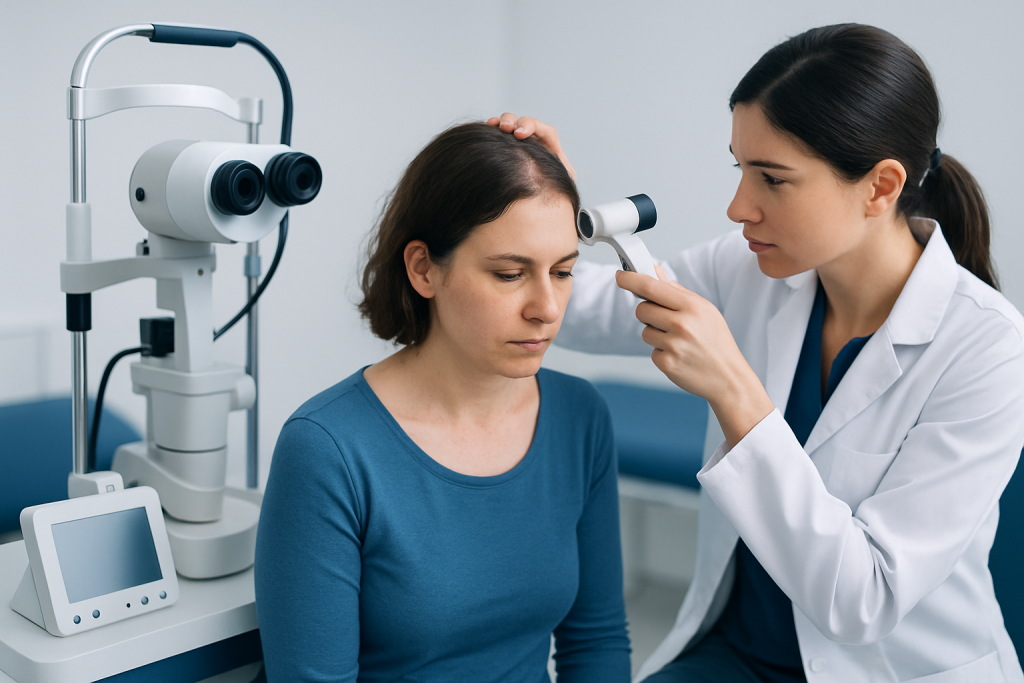
Diagnosis usually starts with a careful look at the scalp and a conversation about the pattern of symptoms. A clinician will want to know when the flaking started, whether the scalp itches or burns, how much shedding is occurring, and whether there are triggers such as stress, new products, or seasonal changes.
In many cases, the appearance of the skin is enough to suggest seborrheic dermatitis. If the diagnosis is unclear, a doctor may look for other explanations such as tinea capitis, psoriasis, contact dermatitis, telogen effluvium, or androgenetic hair loss. They may also check whether the scalp is infected or whether scratching has caused secondary irritation.
Testing is not always needed, but it may be considered if the hair loss is patchy, severe, or not responding to treatment. Depending on the situation, a dermatologist might recommend a scalp exam with dermoscopy, a fungal test, blood tests for underlying contributors, or rarely a skin biopsy. For international patients, this step can be especially useful before travel is planned, since it helps make sure the care plan is focused and efficient.
Treatment Options
Treatment aims to calm inflammation, reduce yeast overgrowth, and remove scale without further irritating the scalp. Medicated shampoos are often the starting point. Depending on the case, a clinician may suggest shampoos containing antifungal ingredients, selenium sulfide, zinc pyrithione, salicylic acid, or coal tar. These are usually used regularly for a period of time, then adjusted to maintenance use once symptoms improve.
When the scalp is very inflamed or itchy, a doctor may also prescribe a topical anti-inflammatory treatment for short-term use. In some cases, antifungal creams or solutions are added if the hairline, ears, or facial folds are involved. The best choice depends on how active the flare is, the person’s skin sensitivity, and whether the symptoms are limited to the scalp or appear in several areas.
If hair shedding is significant, treatment may also focus on protecting the hair cycle. That means addressing any coexisting causes of loss, avoiding harsh styling, and allowing time for regrowth once inflammation settles. Most people do better with a combined approach rather than relying on one product alone.
People managing the condition from abroad often benefit from a treatment plan that is simple enough to continue at home. A specialist may recommend a step-by-step routine that can be followed consistently after travel, along with a clear follow-up plan if symptoms return.
Prevention & Self-care
Daily habits can make a real difference in keeping seborrheic eczema calmer. Gentle cleansing is usually better than aggressive scrubbing, because the goal is to remove scale and buildup without stripping the scalp. Hair products that are heavily fragranced or irritating may make symptoms worse in sensitive people.
It can also help to handle the scalp carefully during flares. Scratching tends to prolong inflammation and can lead to more shedding or breakage, so keeping nails short and using calming treatment instead of picking at scale may reduce damage. Some people find that washing more regularly during flare-ups helps prevent buildup, while others need a simpler routine with fewer products.
- Use medicated shampoos as directed rather than only when symptoms are severe
- Choose gentle, fragrance-light hair care products
- Avoid tight hairstyles that pull on inflamed areas
- Limit scratching, picking, and vigorous towel rubbing
- Watch for triggers such as stress, sleep loss, or seasonal changes
Good self-care also means paying attention to the whole picture. If the scalp is improving but hair loss continues, another cause may be present and should be checked. A practical, well-tolerated routine is often more successful than switching products repeatedly.
When to See a Doctor
Medical evaluation is a good idea when scalp symptoms are persistent, severe, or unclear. A doctor should also assess the situation if hair loss is sudden, patchy, associated with pain, or coming with signs of infection such as crusting, swelling, or oozing.
It is especially important to seek assessment if over-the-counter dandruff care has not helped after a reasonable trial, or if shedding is continuing even when the scalp looks calmer. That may suggest another diagnosis or a second problem happening at the same time. A dermatologist can help separate seborrheic dermatitis from other common causes of hair loss and choose treatment that fits the person’s needs.
People traveling for care may want an evaluation before an upcoming trip if symptoms have been worsening or if they have had repeated flares. In that setting, a multidisciplinary team can coordinate diagnosis, treatment, and follow-up; Acibadem Health Point’s multidisciplinary specialists and JCI-accredited hospitals diagnose and treat this condition for international patients.
Hair often recovers best when the underlying inflammation is treated early. Even when the shedding looks worrying, seborrheic eczema hair loss is commonly manageable once the cause is identified and the scalp has a chance to settle.
Frequently asked questions
01Can seborrheic eczema really cause hair loss?
Yes, it can contribute to temporary hair shedding, especially when the scalp is inflamed or scratched often. The condition usually does not destroy hair follicles, so hair often grows back once the scalp is controlled.
02Is the hair loss from seborrheic dermatitis permanent?
Most of the time, no. The hair loss is usually temporary and related to inflammation, breakage, or shedding from an irritated scalp rather than permanent follicle damage.
03What is the best shampoo for seborrheic eczema hair loss?
The best option depends on the scalp pattern and how sensitive the skin is. Doctors commonly recommend medicated shampoos with antifungal or anti-scale ingredients, used consistently and then adjusted for maintenance.
04How can someone tell the difference between dandruff and hair loss from another cause?
Dandruff from seborrheic dermatitis often comes with itching, redness, greasy or flaky scale, and symptoms that improve and flare over time. If shedding is patchy, sudden, or severe, another cause may be involved and should be checked by a clinician.
05Should someone stop washing their hair if the scalp is irritated?
Usually not. Gentle cleansing is often helpful because it reduces buildup and helps medicated treatments work better. The key is using a mild routine and avoiding harsh scrubbing or irritating products.
06When does seborrheic dermatitis need prescription treatment?
Prescription treatment may be needed when symptoms are persistent, widespread, very itchy, or not improving with over-the-counter care. A doctor can choose the safest option based on the person’s skin and the severity of the flare.
This article is for general information only and is not a substitute for professional medical advice. Please consult a qualified doctor about your individual situation.
Hair transplant in Turkey — costs, graft counts & a free assessment
JCI-accredited · board-certified surgeons · reply within 24h
Add us as a Preferred Source to see more of our trusted health content across Google Search, AI Overviews and Discover.