What Is Beard Implantation? A Complete Medical Guide

Key Takeaways
- Beard implantation uses transplanted hair follicles to improve beard density or shape.
- A careful consultation is important to check hair quality, skin health, and realistic goals.
- Recovery is usually gradual, with early shedding followed by new growth over time.
- Risks include temporary swelling, infection, scarring, and uneven growth if planning is poor.
- Good aftercare and follow-up help protect the grafts and support a natural-looking result.
Beard implantation is a hair restoration procedure that uses hair follicles, usually taken from the scalp, to create or improve facial hair. It may help people with patchy, sparse, or absent beard growth when medical evaluation shows they are a suitable candidate.
Overview
Beard implantation is a cosmetic hair restoration procedure designed to add hair to areas of the face where beard growth is sparse, patchy, or absent. In most cases, a surgeon transfers healthy hair follicles from another part of the body, commonly the back or sides of the scalp, into the beard area so the facial hair can grow more naturally over time.
People consider beard implantation for many reasons. Some want to fill in thin areas, while others seek a fuller beard line or wish to restore hair loss caused by scarring, burns, illness, or genetics. The best candidates are usually those with stable donor hair, healthy skin, and a clear understanding that the result develops gradually rather than immediately.
For international patients, beard implantation is often part of a broader decision-making process: evaluating whether the pattern of hair loss is suitable, planning travel around the procedure and early follow-up, and arranging time for recovery before returning home. A good consultation should address all of these practical details, not only the appearance goal.
Symptoms and Common Reasons People Seek Treatment
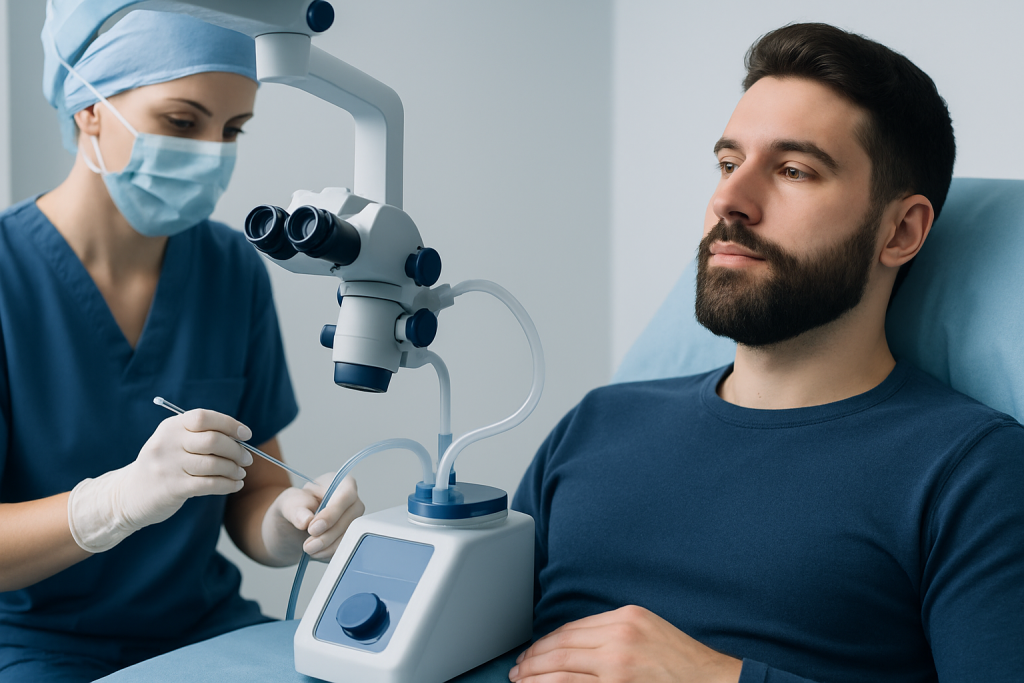
There is no medical “symptom” in the usual sense because beard implantation is an elective procedure. Instead, people typically seek it because they notice limited facial hair growth, irregular patches, or a beard pattern that does not match their personal preference or grooming style.
Some patients have always had light or uneven beard growth due to heredity. Others develop reduced facial hair after injury, surgery, acne scarring, skin inflammation, or certain medical conditions that affect hair follicles. In some cases, the issue is not complete absence of beard hair but asymmetry, such as thin cheeks, a weak moustache line, or a beard that does not connect evenly.
Common reasons for considering the procedure include:
- Patchy or sparse beard growth
- Facial scars that interrupt hair growth
- Desire for a denser or more defined beard line
- Need to camouflage areas of stable hair loss
- Personal or cultural preference for fuller facial hair
A specialist will usually assess whether the concern is related to natural variation, skin disease, scarring, hormonal issues, or another cause that may need treatment before transplantation is considered.
Causes and Risk Factors
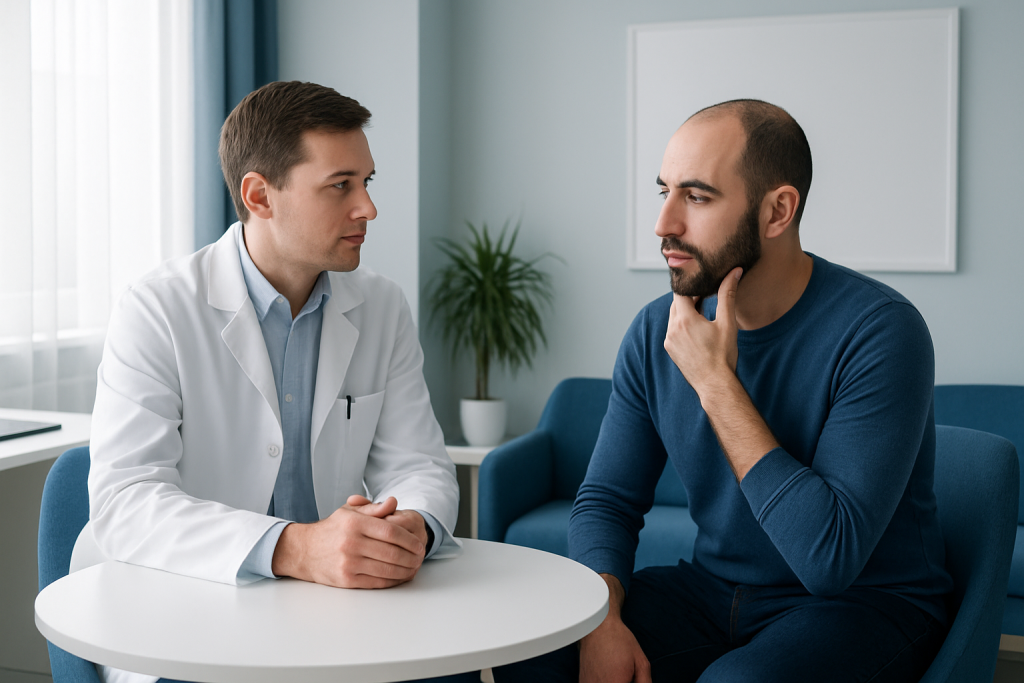
The most common reason for poor beard growth is genetics. Some people simply have fewer active hair follicles in the facial area, and this pattern may run in families. Beard density can also vary with age, and growth may continue to change into the late twenties for some men.
Other causes may include scarring from acne, trauma, burns, surgery, or past skin infections. Less commonly, hair loss disorders such as alopecia areata can affect the beard. Hormonal conditions, nutritional problems, and certain medications can also influence facial hair growth, so they should be reviewed during assessment.
Factors that can affect candidacy for beard implantation include:
- Available donor hair quality and density
- Skin health in the beard area
- Presence of active hair loss or autoimmune disease
- Smoking, which may affect healing
- Unrealistic expectations about thickness or style
A thorough medical history matters because the procedure depends on healthy follicles being moved to a stable receiving area. If the underlying cause is still active, the surgeon may recommend delaying the procedure or treating the cause first.
Diagnosis and Pre-Procedure Assessment
Beard implantation starts with a clinical evaluation rather than a test or scan in most cases. The surgeon examines facial hair patterns, donor hair quality, skin texture, and any scarring or inflammation that could affect the outcome. Photos may be taken to map the planned design and compare progress later.
During the consultation, the doctor may ask about past hair loss, skin conditions, medications, allergies, smoking habits, and previous cosmetic procedures. This is also the time to discuss beard shape, density goals, and whether the result should look natural, sculpted, or intentionally light. Planning is especially important because facial hair grows in a specific direction, and the angle of each graft affects the final appearance.
For patients traveling from another country, pre-procedure assessment often includes reviewing medical records remotely, confirming donor area suitability, and explaining what can realistically be achieved during a limited stay. Clear communication before travel helps reduce surprises and supports a smoother recovery plan.
Treatment Options and How the Procedure Works
Beard implantation is usually performed using hair transplant techniques such as follicular unit extraction (FUE). In this approach, individual hair follicles are removed from the donor area and placed into tiny sites created in the beard region. Because the grafts are chosen to resemble natural hair growth, the result can blend with existing facial hair when healing is complete.
In some cases, surgeons may adjust the transplant plan to match the patient’s beard style goals. For example, they may focus on the jawline, cheeks, chin, moustache, or sideburn area depending on where density is needed. The angle, spacing, and direction of placement are crucial, since facial hair lies differently from scalp hair.
The procedure generally follows these steps:
- Local anesthesia is used to keep the patient comfortable
- Donor follicles are collected from a suitable area
- Small recipient sites are prepared in the beard area
- Follicles are placed one by one to match natural growth direction
- Aftercare instructions are provided before the patient leaves
Some clinics may discuss other hair restoration options, but true beard implantation refers to follicle transplantation rather than cosmetic makeup or topical thickening products. A careful surgeon will explain the difference and help the patient choose the most appropriate approach.
Recovery, Aftercare, and What to Expect
Recovery after beard implantation is usually manageable, but it does require patience. Early redness, swelling, mild crusting, and tenderness are common and typically improve gradually. The transplanted hairs may shed during the first weeks, which can be unsettling if not expected, but this is often a normal part of the growth cycle.
New hair growth usually appears slowly over the following months. The beard may look uneven at first, then become fuller as more follicles enter the active growth phase. Because facial hair grows and is shaped over time, final assessment is not immediate; it is better viewed as a process rather than a single event.
General aftercare usually includes:
- Keeping the area clean as instructed by the clinical team
- Avoiding rubbing, scratching, or shaving too early
- Protecting the face from direct sun and unnecessary friction
- Following any guidance about washing, sleeping position, or activity limits
- Attending follow-up appointments if available
International patients should plan for a recovery window that allows for early checks before flying home when possible. If in-person follow-up will be difficult, it helps to ask about photo updates, teleconsultation, and a clear contact plan for questions after returning home.
Risks, Limitations, and Safety Considerations
Beard implantation is generally considered safe when performed by a qualified specialist in an appropriate setting, but no procedure is risk-free. Possible complications include infection, swelling, temporary numbness, poor growth of some grafts, uneven density, or small scars in the donor or recipient areas.
The final appearance can also be affected by hair texture, skin characteristics, and the way grafts heal. In some cases, transplanted facial hair may grow with a slightly different texture or direction than native beard hair. This is one reason detailed planning and experienced placement are so important.
Safety depends on choosing the right candidate and avoiding shortcuts. It is wise to be cautious about any clinic that promises instant results, guarantees exact density, or discourages medical questions. A responsible consultation should include discussion of limitations, the number of grafts realistically possible, and whether more than one session might be needed.
Prevention and Self-care
Not all beard thinning can be prevented because genetics and natural follicle patterns play a major role. Still, people who want to support facial hair health can reduce avoidable strain on the skin and hair follicles by caring for the skin barrier, avoiding smoking, and seeking treatment for skin conditions early.
If beard loss is caused by acne scarring, eczema, alopecia areata, or another medical issue, treating the underlying condition may improve the overall plan and sometimes reduce the need for surgery. Good nutrition and general health also support healing, although they do not create donor hair where follicles are absent.
After beard implantation, self-care becomes especially important. Following the surgeon’s instructions, avoiding trauma to the area, and protecting the skin during the first healing period can help the grafts settle. Later, gentle grooming habits and routine skin care may help maintain a neat appearance and support long-term comfort.
When to See a Doctor
A doctor should be consulted if beard hair loss is sudden, patchy, associated with redness or itching, or linked to other symptoms such as scalp shedding or changes in skin texture. These signs may point to a medical condition that needs evaluation before any cosmetic procedure is considered.
People who are thinking about beard implantation should also seek medical advice if they have diabetes, clotting problems, autoimmune disease, poor wound healing, or a history of keloid scarring. These factors do not always rule out treatment, but they do make careful planning more important.
It is also sensible to speak with a qualified specialist when comparing clinics across countries. A good team should explain candidacy, donor hair limits, recovery expectations, and follow-up options in plain language. Acibadem Health Point’s multidisciplinary specialists and JCI-accredited hospitals diagnose and treat this condition for international patients, which can be helpful for those organizing care from abroad.
Frequently asked questions
01What is beard implantation in simple terms?
Beard implantation is a hair transplant procedure that moves healthy follicles, usually from the scalp, into areas of the face where beard growth is thin or absent. Over time, the transplanted hair can grow like facial hair and be trimmed or shaped as part of a normal beard routine.
02Who is a good candidate for beard implantation?
Good candidates usually have stable donor hair, healthy facial skin, and a clear reason for wanting more beard density. A specialist will also check for scarring, active skin disease, or medical conditions that could affect healing or growth.
03How long does it take to see results?
Results appear gradually. The transplanted hairs may shed early on, then new growth usually begins over the following months, with the final look taking time to mature.
04Is beard implantation painful?
The procedure is usually done with local anesthesia, so most patients feel pressure rather than significant pain during treatment. Mild soreness, tightness, or swelling can occur afterward, but these effects are generally temporary.
05Can beard implantation look natural?
Yes, natural-looking results are possible when the surgeon places each follicle at the correct angle and direction. The final look depends on planning, donor hair quality, and how closely the design matches the person’s face and grooming style.
06What are the main risks after the procedure?
Common risks include swelling, redness, temporary crusting, and uneven early growth. Less commonly, infection, scarring, or poor graft survival can occur, which is why aftercare and experienced surgical planning matter.
This article is for general information only and is not a substitute for professional medical advice. Please consult a qualified doctor about your individual situation.
Hair transplant in Turkey — costs, graft counts & a free assessment
JCI-accredited · board-certified surgeons · reply within 24h
Add us as a Preferred Source to see more of our trusted health content across Google Search, AI Overviews and Discover.