

What Is Bald Eyebrows? A Complete Medical Guide
- 9 min read
- Published November 27, 2026
Key Takeaways
- Bald eyebrows is a descriptive term for eyebrow hair loss, not a diagnosis on its own.
- Common causes include skin disorders, autoimmune conditions, thyroid problems, nutritional deficiencies, and hair-pulling habits.
- A clinician may use history, examination, and sometimes blood tests or skin evaluation to find the cause.
- Treatment depends on the reason for hair loss and may include treating the underlying condition, protecting the skin, and allowing time for regrowth.
- Medical review is especially important if eyebrow loss is sudden, patchy, one-sided, or accompanied by skin changes or other symptoms.
Bald eyebrows describe partial or complete loss of eyebrow hair, also called eyebrow hair loss or madarosis. The cause is not always cosmetic; it can reflect skin irritation, autoimmune disease, hormonal changes, nutritional issues, or other medical conditions that can often be identified and treated.
Overview
Bald eyebrows refer to noticeable thinning or complete loss of eyebrow hair. In medical language, this is often called madarosis or eyebrow alopecia. The term describes what is happening, but it does not explain why it is happening, which is why a proper evaluation matters.
For some people, eyebrow loss develops slowly and mainly affects appearance. For others, it appears together with scalp shedding, skin irritation, eyelid inflammation, fatigue, or changes in the nails, skin, or weight. Because eyebrow hair sits at the intersection of skin health, hormones, immunity, and grooming habits, the cause can range from temporary irritation to a broader medical condition.
People seeking care internationally often want two things at once: a clear explanation and a practical plan. A good assessment looks beyond the eyebrow itself and considers the whole picture, including medications, recent illness, stress, travel, diet changes, and family history. That wider view is often what helps the cause become clear.
Symptoms and how eyebrow loss may appear
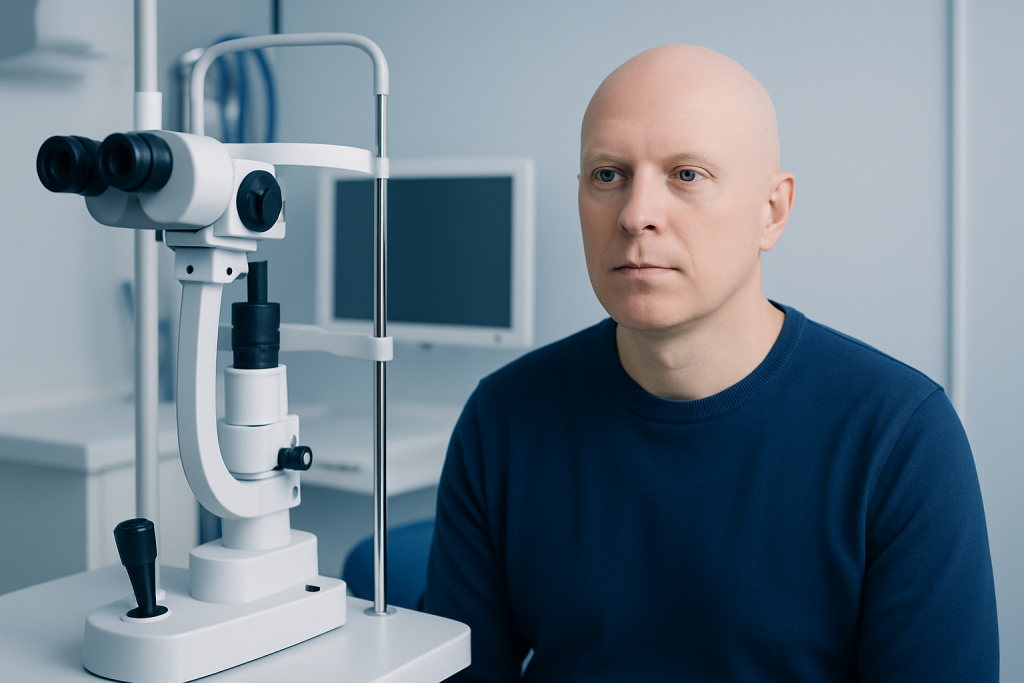
Eyebrow hair loss can look different from person to person. Some notice a gradual thinning from the outer edges, while others see patchy bald spots, broken hairs, or near-complete loss of the brows. The skin may look normal, or it may appear red, flaky, shiny, irritated, or scarred.
Other clues can help narrow the cause. Itching, burning, or crusting may suggest a skin condition or infection. Sudden patchy loss can point toward alopecia areata. If the brows are missing along with scalp hair and eyelashes, or if there are changes in weight, energy, menstrual patterns, or temperature tolerance, an underlying hormonal or systemic issue may be involved.
- Pattern: diffuse thinning, patchy loss, or one-sided loss
- Skin changes: scaling, redness, pustules, scarring, or dryness
- Associated signs: scalp hair loss, eyelash loss, nail changes, fatigue, or itch
- Timing: sudden, gradual, temporary, or recurrent
Because the eyebrows are visible and emotionally important, even mild loss can feel significant. That impact is real, and it is one reason clinicians treat eyebrow thinning as a medical concern rather than a purely cosmetic one.
Causes and risk factors

There is no single cause of bald eyebrows. One of the most common explanations is a skin disorder affecting the brow area, such as eczema, seborrheic dermatitis, psoriasis, contact dermatitis from cosmetics, or repeated rubbing. In these cases, inflammation can interrupt hair growth or cause hairs to break and fall out.
Autoimmune conditions are another important category. In alopecia areata, the immune system targets hair follicles and can cause sudden patchy loss of eyebrows, eyelashes, or scalp hair. Thyroid disease, especially hypothyroidism, may also contribute to eyebrow thinning, often alongside dry skin, fatigue, or hair shedding elsewhere.
Other causes include nutritional deficiencies, particularly low iron or insufficient protein intake; medication side effects; chronic stress or major illness; infections; and scarring conditions that damage follicles. A habitual pulling or rubbing pattern, sometimes associated with trichotillomania or anxiety, can also thin the brows over time.
Risk is higher when there is a personal or family history of autoimmune disease, thyroid disorders, atopic dermatitis, or other inflammatory skin conditions. Aging, overplucking, repeated waxing, harsh makeup removal, and frequent use of irritating cosmetic products can make eyebrow loss more likely or make regrowth slower.
How doctors diagnose bald eyebrows
Diagnosis usually begins with a detailed history and a careful look at the eyebrows, eyelashes, scalp, and surrounding skin. A clinician may ask when the loss started, whether it is patchy or diffuse, what products are used near the eyes, whether there has been recent illness or stress, and whether there are symptoms elsewhere in the body.
Depending on the findings, the evaluation may include blood tests to check thyroid function, iron status, vitamin levels, inflammation markers, or other indicators of general health. If a skin disorder is suspected, the doctor may use dermoscopy, take a skin sample, or refer the person to a dermatologist for closer examination.
In some cases, the diagnosis is straightforward because the pattern is typical. In others, more than one factor is involved, such as eczema plus overplucking or thyroid disease plus nutritional deficiency. That is why an experienced clinician often looks for combined causes rather than trying to force a single explanation too early.
Treatment options
Treatment depends on the cause, and the most effective plan usually begins with correcting the underlying problem. If eyebrow loss is related to dermatitis, treating inflammation and avoiding irritants may allow hair to regrow. If a thyroid disorder or nutrient deficiency is found, medical treatment of that condition is often the central step.
For autoimmune eyebrow loss such as alopecia areata, a specialist may discuss options that calm inflammation and support regrowth. Some people are candidates for topical or injectable treatments, while others may need observation because hair can sometimes regrow on its own. When scarring has damaged the follicles, regrowth may be limited, so early assessment becomes especially important.
Supportive measures can also help the brows recover and protect the skin while healing is underway. These may include gentle cleansing, stopping plucking or waxing, avoiding harsh makeup removers, and using fragrance-free products around the eye area. Cosmetic camouflage, eyebrow pencils, powders, or microblading may be considered later, but these should be approached carefully and only when the skin is stable.
Common treatment directions may include:
- Managing eczema, psoriasis, seborrheic dermatitis, or contact dermatitis
- Addressing thyroid disease, iron deficiency, or other nutritional concerns
- Evaluating and treating alopecia areata or other autoimmune causes
- Reducing traction, rubbing, overplucking, or hair-pulling behaviors
- Reviewing medications with a doctor if hair loss began after a new prescription
Prevention and self-care
Not every case of bald eyebrows can be prevented, but the brows can be protected from avoidable stress. Gentle skin care is a good starting point: use non-irritating cleansers, remove eye makeup softly, and avoid products that sting, burn, or leave the skin dry and inflamed. If a new cosmetic or cream seems to cause itching or redness, stopping it early can prevent further loss.
Self-care also means giving the follicles time. Repeated plucking, waxing, threading, or aggressive brushing can interfere with regrowth. If eyebrow loss is linked to stress or compulsive pulling, support from a clinician or mental health professional may be helpful and is part of medical care, not a sign of failure.
General health matters too. Balanced nutrition, adequate protein, iron if recommended by a doctor, sleep, and control of chronic illnesses can all support normal hair cycling. For people traveling for evaluation or treatment, bringing a list of products, medications, prior test results, and photos showing how the brows changed over time can make a remote or in-person consultation much more efficient.
When to see a doctor
Medical review is sensible whenever eyebrow loss is new, persistent, or unexplained. It is especially important if the loss is rapid, patchy, one-sided, associated with redness or scaling, or happening alongside scalp hair loss, eyelash loss, fatigue, weight changes, menstrual changes, or changes in skin texture.
People should not wait if they notice scarring, pain, pus, crusting, or signs of infection around the eyebrows. These findings may need prompt treatment to reduce the chance of lasting follicle damage.
For international patients arranging care abroad, a structured consultation can be helpful because the doctor can coordinate testing, diagnosis, and follow-up planning in one pathway. Acibadem Health Point’s multidisciplinary specialists and JCI-accredited hospitals diagnose and treat conditions causing eyebrow hair loss for international patients, with care plans tailored to the person’s medical needs and travel circumstances.
Frequently asked questions
01What does bald eyebrows mean medically?
Bald eyebrows is a plain-language way to describe eyebrow hair loss. In medical terms, it may be called madarosis or eyebrow alopecia. The term does not identify the cause by itself, so a doctor usually looks for an underlying skin, hormonal, autoimmune, nutritional, or grooming-related reason.
02Is eyebrow hair loss always permanent?
No, it is not always permanent. Hair can often regrow if the cause is temporary, such as dermatitis, a nutrient deficiency, or a reversible illness. If a scarring condition has damaged the follicles, regrowth may be limited, which is why early assessment matters.
03Can stress cause bald eyebrows?
Stress can contribute to hair shedding in some people, and it may also trigger habits like rubbing or pulling the brows. Stress alone is not always the only cause, so clinicians usually look for other medical or behavioral factors too. A thorough evaluation is helpful when the pattern is new or persistent.
04Should someone use eyebrow growth products without seeing a doctor?
It is better not to assume a cosmetic product will solve the problem, especially if the loss is sudden or patchy. Some products can irritate the skin and worsen the issue. A clinician can help identify the cause first and then suggest safe options if regrowth support is appropriate.
05What tests might be done for eyebrow thinning?
Common tests may include thyroid function tests, iron studies, and other blood tests based on the person’s symptoms. If a skin disorder or autoimmune cause is suspected, a dermatologist may use close examination or a biopsy. The exact testing depends on the pattern of hair loss and the overall clinical picture.
06When is eyebrow loss a sign of a bigger health problem?
Eyebrow loss may signal a broader issue when it appears with scalp hair loss, eyelash loss, fatigue, skin changes, weight changes, or menstrual changes. It can also be more concerning if there is redness, scarring, pain, or infection. In those situations, medical evaluation is the safest next step.
This article is for general information only and is not a substitute for professional medical advice. Please consult a qualified doctor about your individual situation.
Hair transplant in Turkey — costs, graft counts & a free assessment
JCI-accredited · board-certified surgeons · reply within 24h
Add us as a Preferred Source to see more of our trusted health content across Google Search, AI Overviews and Discover.


How can we help you today?
Meet an Acibadem specialist by secure video, before you travel.
Book a video visit