Pain in the Ribs While Pregnant: Causes, Relief and When to Worry
Key Takeaways
- Rib pain in pregnancy is commonly caused by the growing baby, posture changes, and stretching of muscles and ligaments.
- Simple measures such as changing position, using supportive pillows, and gentle movement may ease discomfort.
- Some causes need medical attention, especially if pain is severe, sudden, constant, or paired with other symptoms.
- Right-sided upper pain, headache, swelling, fever, or breathing difficulty should not be ignored.
- A doctor can help distinguish ordinary pregnancy discomfort from gallbladder, lung, liver, or pregnancy-related complications.
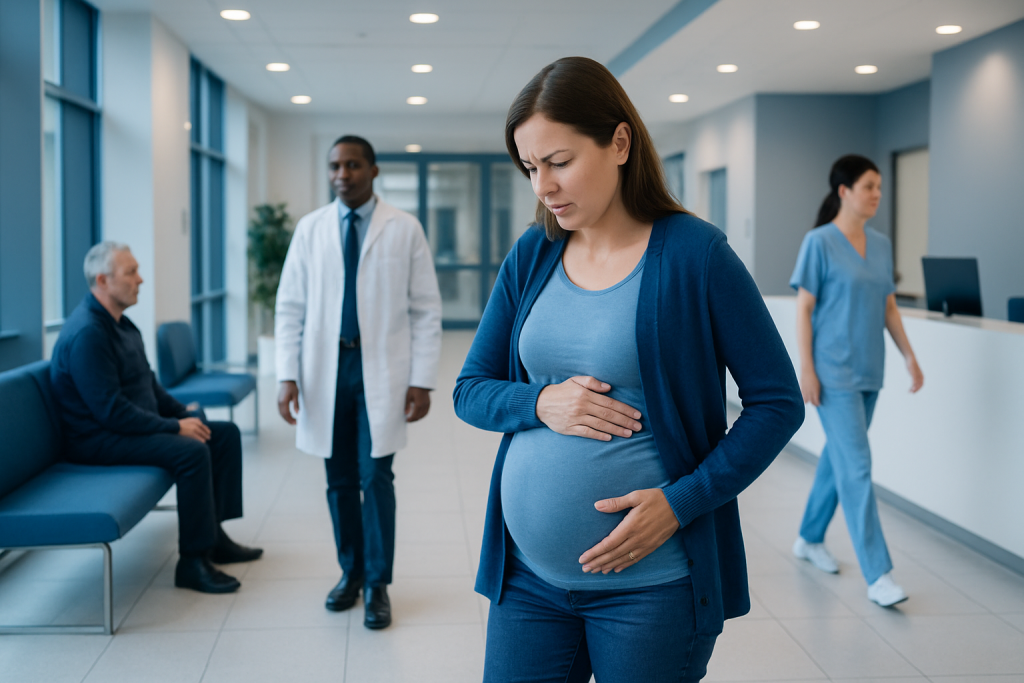
Pain in the ribs while pregnant is often linked to normal changes such as a growing uterus, posture shifts, and pressure from the baby. It can also come from less common causes, so new, severe, or one-sided pain should always be discussed with a clinician.
Overview
Pain in the ribs while pregnant is a common complaint, especially in the second and third trimesters. For many people, it is related to the normal physical changes of pregnancy: the uterus expands, the ribs and abdominal muscles are under more pressure, and posture often changes as the body adapts.
That said, rib pain is not a single diagnosis. It may feel sharp, dull, burning, tight, or achy, and it can come from the muscles, the ribs themselves, the upper abdomen, or organs such as the gallbladder. The key question is not only where the pain is felt, but also what it is doing over time and whether any other symptoms are present.
For someone planning care from another country or traveling while pregnant, it helps to think of rib pain as a symptom to sort, not to guess at. A clear description of when it started, where it sits, and what makes it better or worse can help a clinician decide whether reassurance, testing, or urgent care is needed.
What Rib Pain Can Feel Like During Pregnancy

Pregnancy rib pain can show up in different ways. Some people notice a brief stab under one or both ribs when the baby moves, laughs, coughs, or changes position. Others feel a steady pressure under the breastbone or along the lower ribs that becomes more noticeable when sitting, bending, or lying down.
The location can offer clues. Pain on the right side may be linked to the liver area, gallbladder, or the baby’s position, while pain on the left can sometimes be related to stomach bloating, gas, or muscle strain. Pain that wraps around the chest or worsens with deep breathing may come from the chest wall or, less commonly, the lungs.
It is also helpful to notice related symptoms. Heartburn, shortness of breath, nausea, fever, a rash, swelling, or headache can point to a different source than simple rib pressure. A careful symptom pattern often tells more than the word “rib pain” alone.
Causes and Risk Factors

The most common reason for pain in the ribs while pregnant is straightforward mechanical pressure. As the uterus grows, it can push upward against the diaphragm and ribs, especially later in pregnancy. Babies who lie high, kick strongly, or settle under the rib cage may add to the discomfort.
Muscle strain is another frequent cause. The muscles between the ribs, along the chest wall, and in the upper abdomen can become sore as posture changes and the body carries more weight. Long periods of sitting, sleeping in one position, or twisting suddenly may make the pain more noticeable.
Other pregnancy-related and non-pregnancy causes can also play a role:
- Heartburn or reflux: burning discomfort can be felt in the lower chest or under the ribs.
- Gallbladder problems: pain after fatty meals, especially on the right side, may suggest biliary colic or gallstones.
- Constipation and gas: trapped gas can create pressure in the upper abdomen and rib area.
- Costochondritis: inflammation where the ribs meet the breastbone can cause tenderness and sharp pain.
- Preeclampsia or HELLP syndrome: right upper abdominal pain with headache, swelling, or visual symptoms needs prompt medical assessment.
Risk is higher when pregnancy is advanced, the baby is positioned high, there is a history of reflux or gallstones, or the person spends long hours sitting without support. Multiple pregnancies can also create more crowding in the upper abdomen.
How Doctors Evaluate It
A doctor usually starts by asking when the pain began, exactly where it is located, and whether it changes with movement, meals, breathing, or the baby’s kicks. They may ask about fever, nausea, vomiting, headache, swelling, urinary symptoms, shortness of breath, or contractions because these details help separate common discomfort from conditions that need treatment.
The physical exam may include checking the abdomen, ribs, chest wall, blood pressure, and sometimes the baby’s heartbeat and movement. If the pattern suggests a digestive or gallbladder issue, blood tests or an ultrasound may be recommended. If breathing-related symptoms are present, the clinician may also consider a chest evaluation.
Pregnancy-safe testing is often chosen carefully so that both the pregnant person and baby are protected. For international patients, bringing any previous scans, blood results, medication lists, and a pregnancy timeline can make evaluation faster and more accurate, especially if care is being continued in a different country.
Treatment Options
Treatment depends on the cause. When rib pain is due to pressure, posture, or mild muscle strain, the focus is usually on comfort and reducing strain. Many people improve with rest breaks, position changes, gentle stretching approved by their clinician, and support from pillows when sitting or sleeping.
For heartburn or reflux, clinicians may suggest diet adjustments and pregnancy-safe options if needed. If gallbladder disease, infection, or another organ-related problem is suspected, treatment may involve monitoring, medication, or further procedures based on how far along the pregnancy is and how severe the symptoms are.
Practical comfort measures often include:
- Using a firm pillow or pregnancy support cushion under the side or back
- Sitting upright after meals rather than lying flat
- Wearing loose clothing that does not press on the upper abdomen
- Taking frequent short walks if approved by the obstetric team
- Applying gentle heat only if the clinician says it is safe
Medication choices in pregnancy should always be guided by a doctor or pharmacist who knows the pregnancy stage and medical history. It is best not to self-treat persistent rib pain with pain relievers or herbal remedies without advice.
Prevention and Self-care
Not all rib pain can be prevented, but many episodes can be eased by reducing mechanical pressure. A person may find that changing positions often, avoiding slouched sitting, and sleeping with support under the belly and between the knees helps the rib cage feel less crowded.
Small meal changes can also make a difference if reflux or bloating is part of the picture. Eating smaller meals, avoiding lying down soon after eating, and identifying foods that trigger heartburn may reduce pressure under the ribs. Staying hydrated and moving regularly may also help prevent constipation and gas.
Self-care is most useful when it is paired with awareness. Keeping track of the pain’s timing, location, and triggers can reveal a pattern that is useful at the next prenatal visit. This is especially valuable for patients receiving care while traveling, because a clear symptom log can bridge gaps between providers.
When to See a Doctor
Rib pain during pregnancy deserves medical review if it is severe, sudden, constant, worsening, or different from what was expected. It should also be checked if it comes with fever, vomiting, trouble breathing, chest pain, a rash, painful urination, or reduced fetal movement.
Some symptoms need prompt attention because they may signal a pregnancy complication or a non-pregnancy emergency. Seek urgent care for right upper abdominal pain with headache, visual changes, swelling, or high blood pressure; pain after a fall or injury; or pain that does not settle with rest and position changes.
If the pain is mild but persistent, a planned appointment is still worthwhile. A clinician can confirm whether the cause is likely to be musculoskeletal, digestive, or pregnancy-related and can recommend the safest next steps. Acibadem Health Point’s multidisciplinary specialists and JCI-accredited hospitals support international patients with diagnosis and treatment when further evaluation is needed.
Living With Rib Pain During Pregnancy
For many pregnant people, rib pain is unpleasant but temporary. It often becomes more manageable once the baby changes position, posture is adjusted, or the underlying trigger is identified. The goal is not to “push through” the pain, but to understand it well enough to stay comfortable and safe.
Support from a trusted obstetric team can be especially reassuring when symptoms appear far from home. That support may include checking whether the pain fits an expected pregnancy pattern, arranging ultrasound or lab testing, or helping coordinate follow-up after travel. Clear communication often prevents small concerns from becoming larger ones.
With the right evaluation, most causes of rib pain in pregnancy can be addressed calmly and appropriately. Paying attention to the pattern, using simple comfort measures, and asking for help when symptoms change are the most practical ways to protect both comfort and health.
Frequently asked questions
01Is pain in the ribs while pregnant normal?
It can be normal, especially later in pregnancy when the uterus and baby take up more space. Pressure, posture changes, and muscle strain are common reasons. Still, persistent or severe pain should be assessed to rule out other causes.
02Why does my right rib hurt more than my left?
Right-sided rib pain can happen because of the baby’s position, but it can also be linked to the gallbladder, liver area, or reflux. If it is paired with nausea, fever, headache, or swelling, a doctor should review it promptly.
03What can I do at home to relieve rib pain?
Changing position, using pillows for support, avoiding heavy meals, and taking gentle walks if approved by a clinician may help. Some people also feel better with upright sitting and loose clothing that does not press on the upper abdomen.
04Can the baby kicking cause rib pain?
Yes. Strong kicks or the baby lying high under the rib cage can cause brief sharp pain or pressure. This is usually harmless, but ongoing pain or pain with other symptoms should still be mentioned at a prenatal visit.
05When is rib pain in pregnancy an emergency?
Emergency care is important if the pain is sudden, severe, or comes with shortness of breath, chest pain, fainting, fever, heavy bleeding, or reduced fetal movement. Right upper abdominal pain with headache, swelling, or visual changes also needs urgent review.
06Should I take pain medicine for rib pain while pregnant?
Medication choices in pregnancy should be guided by a doctor, because safety depends on the cause and the stage of pregnancy. It is best to avoid self-medicating until a clinician confirms what is causing the pain.
This article is for general information only and is not a substitute for professional medical advice. Please consult a qualified doctor about your individual situation.
Persistent digestive symptoms? Get evaluated in Turkey
JCI-accredited · board-certified surgeons · reply within 24h
Add us as a Preferred Source to see more of our trusted health content across Google Search, AI Overviews and Discover.