

What Is Antrum of Stomach? A Complete Medical Guide
- 9 min read
- Published November 27, 2026
Key Takeaways
- The antrum of the stomach is the lower stomach chamber near the pylorus, where food is mixed and prepared for emptying into the small intestine.
- Problems in the antrum can be linked to gastritis, peptic ulcers, H. pylori infection, bile reflux, or less commonly polyps and growths.
- Diagnosis often involves medical history, examination, blood tests, stool testing, breath testing, and upper endoscopy when needed.
- Treatment depends on the cause and may include acid-reducing medication, antibiotics for H. pylori, dietary adjustments, or endoscopic/surgical care in selected cases.
- Ongoing or worsening symptoms, vomiting, black stools, weight loss, or anemia deserve prompt medical review.
- Good follow-up matters, especially for patients traveling from abroad, because stomach conditions often need coordinated testing and repeat assessment.
The antrum of the stomach is the lower part of the stomach that helps grind food, regulate release into the small intestine, and support normal digestion. When it becomes inflamed or narrowed, people may notice upper abdominal discomfort, nausea, bloating, or symptoms related to ulcer disease.
Overview
The antrum of the stomach is the lower, wider portion of the stomach that sits just above the pylorus, the muscular gateway leading into the small intestine. In simple terms, it is the stomach’s mixing and “grinding” zone, helping break food into smaller particles before it moves onward for digestion.
This area also plays a role in regulating how quickly the stomach empties. That matters because the antrum does more than store food; it helps coordinate the timing of digestion, acid activity, and movement into the duodenum. When clinicians talk about “antral” problems, they are usually referring to inflammation, ulcers, narrowing, or other changes in this region.
For many people, the phrase sounds technical only because it comes from anatomy. Yet understanding the antrum is useful when reading endoscopy reports, biopsy results, or imaging summaries, especially if a person is trying to make informed decisions about care at home or while planning treatment abroad.
Symptoms
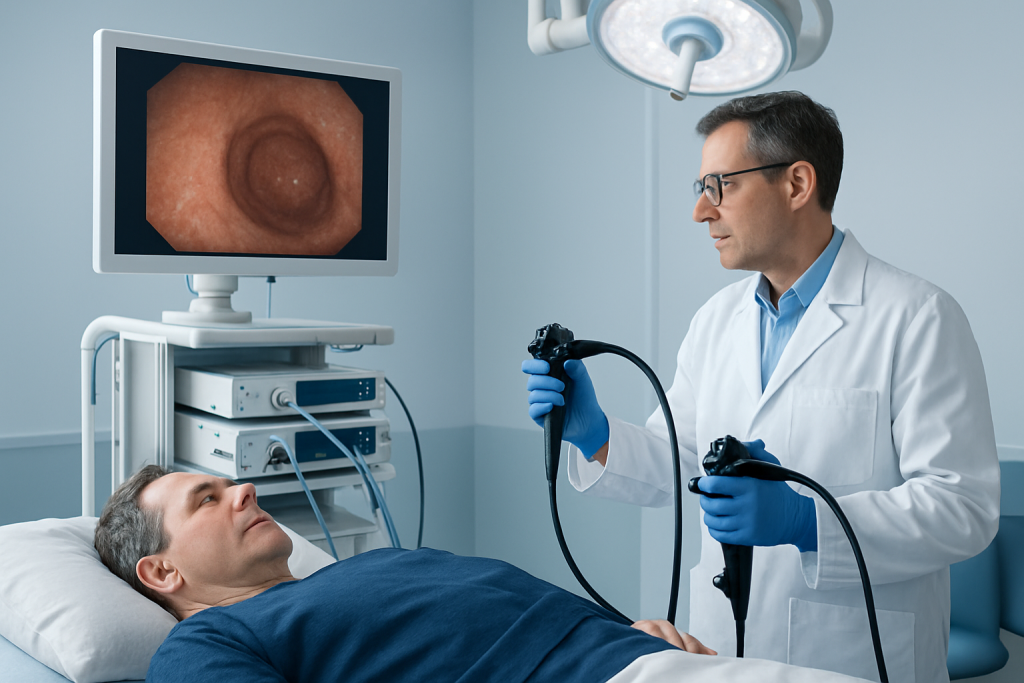
Issues affecting the stomach antrum do not always cause obvious symptoms, and some people learn about them only after an endoscopy. When symptoms do appear, they often resemble other upper digestive conditions, which is why careful evaluation matters.
Common complaints may include:
- Burning or aching pain in the upper abdomen
- Nausea or early fullness while eating
- Bloating or a sense of pressure after meals
- Loss of appetite
- Burping, indigestion, or reflux-like discomfort
More concerning signs can occur if there is an ulcer, bleeding, or significant inflammation. These may include vomiting, black stools, vomiting blood, unexplained fatigue, or a feeling of weakness from anemia. Symptoms that persist, recur, or gradually intensify deserve a medical review rather than self-treatment alone.
Causes & Risk Factors

There is no single disease called “antrum of the stomach problem.” Instead, the antrum can be affected by several conditions. The most common are antral gastritis and peptic ulcer disease, both of which may be associated with irritation of the stomach lining.
One important cause is Helicobacter pylori, a bacterium that can live in the stomach and contribute to inflammation and ulcer formation. Other contributors include frequent use of nonsteroidal anti-inflammatory drugs (NSAIDs), smoking, heavy alcohol use, bile reflux, and certain autoimmune or chronic inflammatory conditions.
Risk can also rise in people with a history of ulcers, untreated H. pylori infection, older age, or ongoing use of medications that irritate the stomach lining. Less commonly, the antrum may be involved by polyps, thickening, scarring, or tumors, which is why persistent symptoms should not be ignored.
Diagnosis
Diagnosis begins with a detailed history and physical examination. A clinician will usually ask about pain location, meal-related symptoms, reflux, medication use, prior ulcers, and any signs of bleeding or weight change. This helps narrow the list of possible causes before testing begins.
Tests are chosen according to the suspected problem. Common options include blood tests to check for anemia or inflammation, stool testing for hidden blood or H. pylori, and breath testing for H. pylori in some settings. If symptoms are ongoing, severe, or unexplained, an upper endoscopy allows direct viewing of the stomach lining and can also provide biopsies.
Biopsy results can clarify whether inflammation is present, whether H. pylori is involved, and whether there are precancerous or other abnormal changes. In international-patient care, this step is especially valuable because it creates a clear roadmap for treatment and follow-up, even when the person will continue recovery in another country.
Treatment Options
Treatment depends on what is causing the antral problem. If H. pylori is found, clinicians usually prescribe a combination approach to eliminate the infection. If the issue is related to acid injury or a peptic ulcer, therapy often centers on reducing acid and allowing the lining to heal.
Common treatment paths may include:
- Acid-suppressing medicines to calm irritation and support healing
- Antibiotic treatment when H. pylori is confirmed
- Stopping or modifying medications that irritate the stomach, when medically appropriate
- Treatment of bleeding, strictures, or other complications through endoscopy
- Surgery in uncommon cases such as obstruction, uncontrolled bleeding, or suspicious masses
For many people, symptom improvement begins with the correct diagnosis rather than with trial-and-error treatment. That is why the goal is not just to reduce pain, but to identify the exact reason the antrum is inflamed or narrowed and to treat it in a way that lowers the chance of recurrence.
Prevention & Self-care
Not every antral condition can be prevented, but some practical habits may reduce irritation and support recovery. Gentle, consistent routines often help more than dramatic dietary restrictions. People usually do best when they follow a plan tailored to the specific diagnosis rather than making broad assumptions about “stomach-friendly” foods.
Helpful self-care measures may include:
- Taking prescribed medicines exactly as directed and completing H. pylori treatment fully if given
- Limiting NSAID use unless a clinician says they are safe
- Avoiding smoking and keeping alcohol intake modest or none, if advised
- Eating smaller meals if large meals worsen symptoms
- Keeping a symptom diary to spot triggers such as certain foods, late meals, or stress
Recovery often improves when follow-up is built into the plan. For patients returning home after care abroad, it helps to leave with written results, biopsy findings, medication instructions, and a clear schedule for repeat testing if needed. That kind of continuity reduces confusion and makes it easier for the next clinician to step in.
When to See a Doctor
Medical evaluation is appropriate if upper abdominal symptoms last more than a short time, return repeatedly, or interfere with eating and daily life. A person should also seek care if symptoms begin after starting a new medicine that can irritate the stomach, such as NSAIDs, because the timing may be an important clue.
Prompt assessment is especially important for warning signs such as black stools, vomiting blood, persistent vomiting, unexplained weight loss, trouble swallowing, marked fatigue, or signs of anemia. These do not automatically mean a serious disease, but they do need timely attention.
When symptoms are complex or previous treatment has not helped, specialist evaluation is worthwhile. At Acibadem Health Point, multidisciplinary specialists and JCI-accredited hospitals diagnose and treat stomach conditions for international patients, with coordinated testing and follow-up that can support care before and after travel.
Living With Antral Conditions: What Patients Often Ask
People are often told they have “antral gastritis” or “antral erosions” without a full explanation, which can make the finding sound more alarming than it is. In many cases, these are treatable changes in the stomach lining that improve once the underlying cause is identified and addressed.
Healing is usually measured not just by symptom relief, but by whether the cause has been controlled. For example, a person with H. pylori may feel better after treatment, yet still need a follow-up test to confirm the infection is gone. Someone with ongoing reflux, NSAID use, or bile exposure may need a different long-term plan.
Clear communication matters, particularly when travel is involved. Patients do best when they understand what was found, why it matters, what the next steps are, and which symptoms should prompt a return visit or emergency review.
Frequently Used Terms in Reports
Endoscopy or biopsy reports may use terms that sound interchangeable, but they are not always identical. “Antrum,” “antral,” and “pyloric antrum” all point to the same general lower part of the stomach. “Gastritis” means inflammation of the stomach lining, while “erosion” refers to a more superficial break in that lining.
If a report mentions thickening, nodularity, ulceration, or narrowing, the wording may indicate a need for follow-up rather than a diagnosis by itself. The meaning depends on the full picture, including symptoms, test results, and what the endoscopist saw directly.
For patients reading reports on their own, it is usually best to look at the conclusion section and then review the details with a gastroenterologist. That approach prevents unnecessary worry and helps the findings translate into a practical plan.
Frequently asked questions
01What is the antrum of the stomach in simple terms?
The antrum is the lower part of the stomach near the exit to the small intestine. It helps mix and grind food and regulate how quickly the stomach empties.
02Is antral gastritis the same as a stomach ulcer?
No, they are related but not the same. Gastritis means inflammation of the stomach lining, while an ulcer is a deeper break in the lining that can sometimes develop in the antrum or nearby areas.
03Can antrum problems cause nausea and bloating?
Yes. Inflammation or ulcer disease in the antrum can lead to nausea, fullness, bloating, and upper abdominal discomfort, especially after meals.
04How is an antrum problem usually diagnosed?
Doctors may use history, examination, blood tests, stool or breath testing for H. pylori, and upper endoscopy if needed. Endoscopy is especially useful when symptoms persist or there are warning signs.
05Does H. pylori affect the antrum?
It can. H. pylori is a common cause of antral gastritis and peptic ulcers, and treating it can help the stomach lining heal and lower the chance of recurrence.
06When should a person seek urgent care for stomach symptoms?
Urgent evaluation is wise for vomiting blood, black stools, persistent vomiting, severe weakness, or sudden worsening pain. These symptoms may suggest bleeding or another complication that needs prompt medical attention.
This article is for general information only and is not a substitute for professional medical advice. Please consult a qualified doctor about your individual situation.
Persistent digestive symptoms? Get evaluated in Turkey
JCI-accredited · board-certified surgeons · reply within 24h
Add us as a Preferred Source to see more of our trusted health content across Google Search, AI Overviews and Discover.



How can we help you today?
Meet an Acibadem specialist by secure video, before you travel.
Book a video visit