What Is Anembryonic Pregnancy? A Complete Medical Guide

Key Takeaways
- Anembryonic pregnancy is a form of early pregnancy loss, often called a blighted ovum.
- It usually cannot be confirmed by symptoms alone; ultrasound and follow-up testing are important.
- Common signs may include bleeding, cramping, or a pregnancy test that becomes less clearly positive over time.
- Treatment options may include expectant care, medication, or a procedure to remove pregnancy tissue.
- Most cases are caused by random chromosomal problems and do not mean there is a problem with future fertility.
Anembryonic pregnancy is an early pregnancy loss in which a gestational sac develops but an embryo does not form or stops developing very early. It is usually diagnosed by ultrasound and can be managed safely with a doctor’s guidance.
Overview
Anembryonic pregnancy is a type of early pregnancy loss in which a fertilized egg implants in the uterus and a gestational sac begins to develop, but an embryo does not form or stops developing so early that it cannot be seen on ultrasound. It is also commonly called a “blighted ovum,” although many clinicians prefer the more descriptive term anembryonic pregnancy.
This diagnosis often comes as a surprise because the early pregnancy test may be positive and symptoms of pregnancy may still be present. For many people, the hardest part is that the body may not recognize the loss immediately, so the pregnancy can seem normal for a time before a scan shows that development has not progressed.
In medical care, the main goal is to confirm the diagnosis carefully and avoid treating a pregnancy that may still be developing normally. That is why follow-up ultrasound and, in some cases, repeat blood tests are used before any decision about treatment is made.
Symptoms
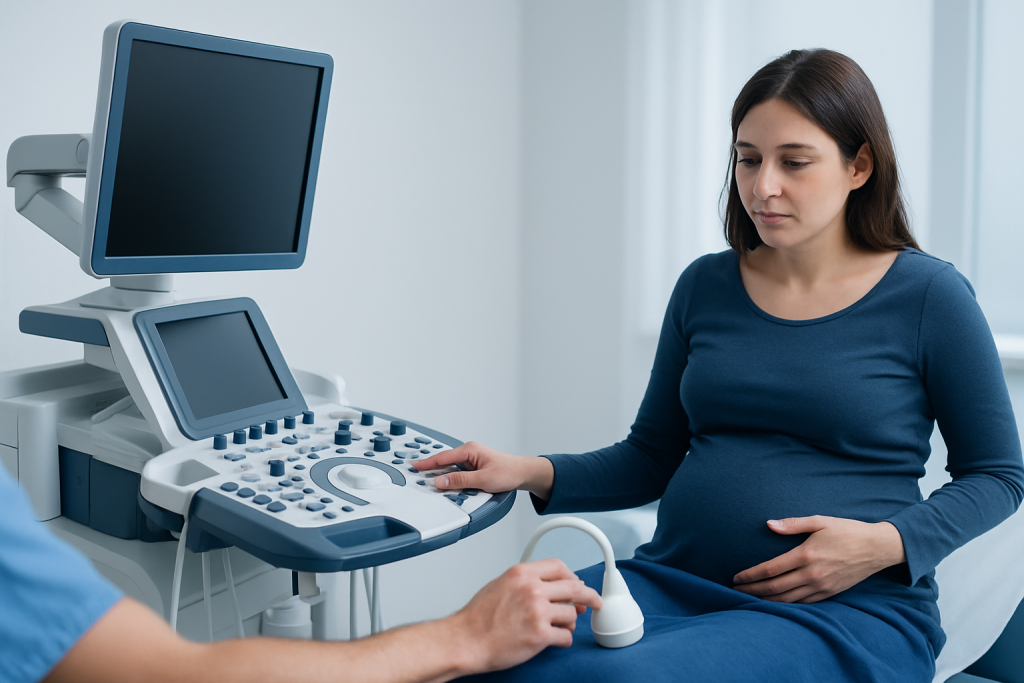
Some people with anembryonic pregnancy have no warning signs at first. Others notice that pregnancy symptoms such as breast tenderness, nausea, or fatigue start to ease earlier than expected. This change alone does not confirm a problem, but it can prompt a medical review.
Common symptoms of an early pregnancy loss can include vaginal spotting or bleeding, menstrual-like cramping, pelvic discomfort, and passing clots or tissue. A pregnancy test may remain positive for a while because pregnancy hormone levels can take time to fall.
Symptoms do not reliably tell the full story. A person may bleed and still have a viable pregnancy, or feel well and still have an early loss that only appears on ultrasound. For that reason, evaluation by a clinician is the safest way to understand what is happening.
Causes & Risk Factors

In most cases, anembryonic pregnancy happens because the early embryo had a chromosomal problem that prevented normal development. These chromosome changes usually occur by chance at conception and are not caused by ordinary activities, stress, exercise, or something the pregnant person did or did not do.
Age can influence the risk of early pregnancy loss because chromosomal errors become more common as egg quality changes over time. A history of prior miscarriage may also be relevant, though a single early loss is common and does not automatically suggest an ongoing fertility problem.
Other factors that can be associated with early pregnancy loss more broadly include some uterine abnormalities, uncontrolled medical conditions, certain infections, smoking, and poorly managed diabetes or thyroid disease. Even so, many people with no clear risk factors experience an anembryonic pregnancy, and the cause may never be identified in a specific case.
Diagnosis
Diagnosis is usually made with transvaginal ultrasound. In anembryonic pregnancy, the scan shows a gestational sac without a visible embryo, and the measurements must meet specific criteria before the finding is considered definitive. This cautious approach helps prevent a mistaken diagnosis in a pregnancy that is simply earlier than expected.
Clinicians may repeat the ultrasound after a short interval if the findings are uncertain. Blood tests that measure human chorionic gonadotropin (hCG) may also be used to see whether hormone levels are rising in a pattern that matches a healthy pregnancy, but hCG alone cannot confirm viability.
Sometimes the pregnancy dates are less certain than expected because ovulation occurred later than usual, conception happened later, or the menstrual cycle was irregular. In international-patient settings, doctors often review any prior scans, blood work, and cycle history carefully before making a final diagnosis, especially when a person has traveled for care and wants a clear plan as soon as possible.
Treatment Options
Once anembryonic pregnancy is confirmed, treatment is focused on completing the pregnancy loss safely and supporting physical and emotional recovery. There is no treatment that can restart embryo development in this situation, but there are several medically accepted ways to manage the process.
Expectant management means waiting for the body to pass the pregnancy tissue naturally. Medication management uses prescribed medicines to help the uterus empty more predictably. Surgical management, often done with suction aspiration, may be recommended if there is heavy bleeding, signs of infection, significant pain, or a strong preference for a faster and more controlled approach.
The best option depends on medical stability, ultrasound findings, personal preferences, the amount of bleeding, and whether the person is recovering at home or needs care coordinated around travel. A doctor can explain what to expect with each approach, including follow-up visits or scans to confirm that the uterus is empty.
Prevention & Self-care
Anembryonic pregnancy cannot usually be prevented because its most common cause is a random chromosomal error. Focusing on overall preconception and early pregnancy health can still be helpful, especially for people planning another pregnancy after recovery.
General self-care includes attending follow-up appointments, using pain relief only as advised by a clinician, and monitoring bleeding so that changes are noticed early. It can also help to rest, stay hydrated, and accept practical support while the body recovers.
Emotional care matters as well. Some people feel sadness, numbness, guilt, or relief mixed with grief. Speaking with a trusted clinician, counselor, or support person can make the experience easier to process, especially if pregnancy loss occurs while away from home or while trying to coordinate treatment across countries.
- Ask whether the pregnancy tissue needs to be rechecked after treatment.
- Discuss when it is safe to try again if another pregnancy is desired.
- Review medications, chronic conditions, and prenatal vitamins before the next conception.
- Seek help if recovery feels physically or emotionally overwhelming.
When to See a Doctor
A doctor should be contacted promptly if there is vaginal bleeding in pregnancy, worsening cramping, uncertainty about an ultrasound result, or a sudden change in pregnancy symptoms. Early assessment is important because bleeding can have more than one cause, and only a medical exam can clarify whether the pregnancy is ongoing or has ended.
Urgent medical attention is needed for heavy bleeding, severe one-sided pain, fainting, fever, foul-smelling discharge, or shoulder pain, as these symptoms may suggest complications that require immediate care. Even when symptoms are mild, follow-up is important if an ultrasound has shown an empty gestational sac or if hCG levels are not rising as expected.
After a diagnosis, patients who are traveling or considering treatment abroad may benefit from centers that can provide coordinated imaging, obstetric care, and recovery follow-up in one pathway. Acibadem Health Point’s multidisciplinary specialists and JCI-accredited hospitals diagnose and treat this condition for Myomectomy Recovery for International Patients: The Usual Travel Timeline" class="ahp-ilk">international patients, with care plans designed to be medically clear and easy to follow across visits.
Recovery and Future Pregnancies
Physical recovery after anembryonic pregnancy is usually gradual and depends on the management approach used. Bleeding and cramping often lessen over days to a few weeks, though follow-up may be needed to make sure the uterus has fully emptied and hormone levels are falling appropriately.
Future fertility is often unaffected after a single early loss, and many people go on to have healthy pregnancies later. A doctor may suggest waiting until bleeding has stopped and the body has recovered before trying again, but the timing should be individualized rather than based on a one-size-fits-all rule.
If pregnancy losses recur, or if there are other health concerns such as irregular cycles, thyroid disease, or uterine symptoms, additional evaluation may be useful. That assessment can help identify treatable factors and reduce uncertainty before the next pregnancy.
Frequently asked questions
01What is anembryonic pregnancy in simple terms?
Anembryonic pregnancy is an early pregnancy loss where a gestational sac forms, but an embryo does not develop or is no longer visible very early on. It may be diagnosed during an ultrasound after a positive pregnancy test.
02Is anembryonic pregnancy the same as a miscarriage?
Yes, it is considered a form of miscarriage, specifically an early pregnancy loss. The term describes the ultrasound finding rather than the cause of the loss.
03Can symptoms alone confirm anembryonic pregnancy?
No, symptoms are not enough to confirm it. Bleeding, cramping, or reduced pregnancy symptoms can happen in both normal and abnormal pregnancies, so ultrasound and sometimes repeat tests are needed.
04Did something the person did cause it?
Usually, no. Most cases happen because of a random chromosomal problem in the earliest stages of development, not because of exercise, stress, or routine activities.
05How is it treated?
Treatment may involve waiting for the body to pass the tissue naturally, using medication, or having a small procedure to remove it. The safest option depends on symptoms, ultrasound findings, and the person’s preferences.
06Can someone get pregnant again after anembryonic pregnancy?
Many people can conceive again and go on to have healthy pregnancies. A doctor may recommend follow-up and, if needed, a review of any recurrent losses or other medical concerns before trying again.
This article is for general information only and is not a substitute for professional medical advice. Please consult a qualified doctor about your individual situation.
Persistent digestive symptoms? Get evaluated in Turkey
JCI-accredited · board-certified surgeons · reply within 24h
Add us as a Preferred Source to see more of our trusted health content across Google Search, AI Overviews and Discover.