What Is Chevre Cheese Pregnancy? A Complete Medical Guide

Key Takeaways
- Chevre cheese is a soft goat cheese that may be safe during pregnancy if it is made from pasteurized milk.
- Unpasteurized soft cheeses carry a higher foodborne infection risk and are generally best avoided in pregnancy.
- Checking the label, storing cheese correctly, and eating it fresh can reduce risk.
- If pregnancy exposure to unpasteurized cheese is suspected, a doctor should be contacted for individualized advice.
- Food safety matters throughout pregnancy, especially for people traveling or eating away from home.
Chevre cheese can be safe in pregnancy when it is made with pasteurized milk and handled properly. The main concern is unpasteurized soft cheese, which may carry a higher risk of foodborne infection such as listeriosis.
Overview
Chevre cheese pregnancy questions usually come down to one practical issue: whether the cheese is pasteurized. Chevre is a soft goat cheese, and soft cheeses need a closer look in pregnancy because some can carry harmful bacteria if they are made from unpasteurized milk or stored improperly.
For most pregnant people, pasteurized chevre can be part of a balanced diet when it is fresh, properly refrigerated, and eaten within its safe use period. The concern is not goat cheese itself, but the possibility of contamination in certain soft cheeses, especially those made with raw milk or served in settings where the source is unclear.
That distinction matters for patients who are shopping, dining out, or traveling internationally. In those situations, ingredient labels may be missing or translated differently, so a careful question to the server or retailer can make a real difference.
Symptoms and Why It Matters
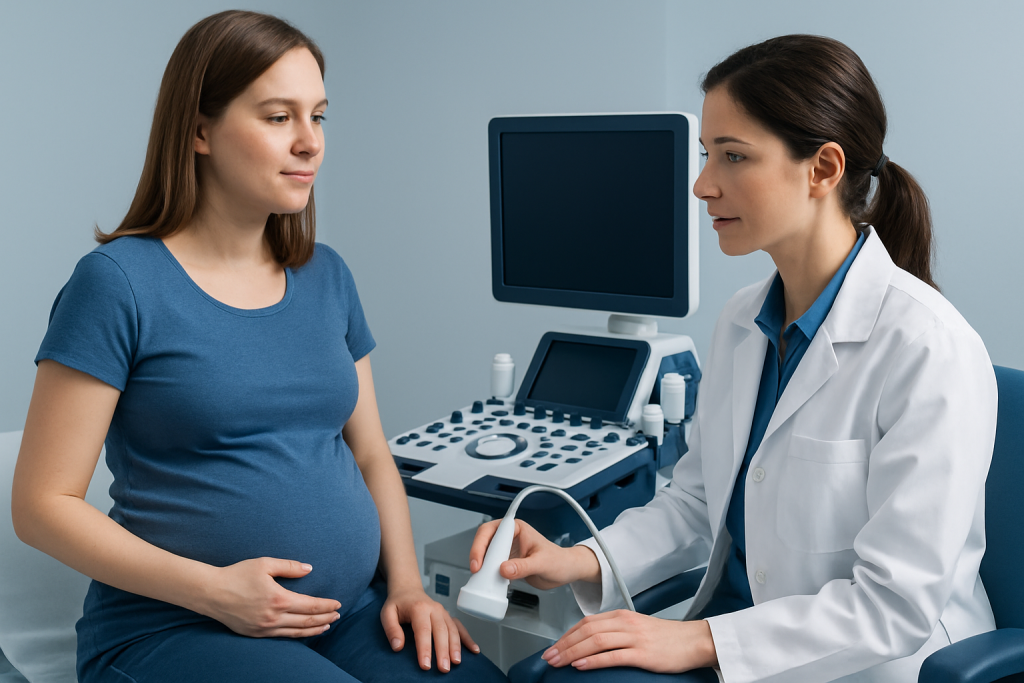
Chevre cheese itself does not cause symptoms unless it has become contaminated or triggers an individual intolerance. When pregnancy food safety is the issue, the main condition clinicians worry about is listeriosis, a foodborne infection that can affect both the pregnant person and the baby.
Symptoms of foodborne illness are not specific, which is one reason prevention is emphasized. They may include fever, muscle aches, nausea, vomiting, diarrhea, or feeling generally unwell. In pregnancy, even mild symptoms deserve attention because some infections can progress quietly or look like a routine stomach upset at first.
Many pregnant people also have questions because soft cheeses have a different texture and moisture content than hard cheeses. That higher moisture can allow bacteria to survive more easily if the cheese is contaminated, which is why the pasteurization status matters so much.
Causes and Risk Factors
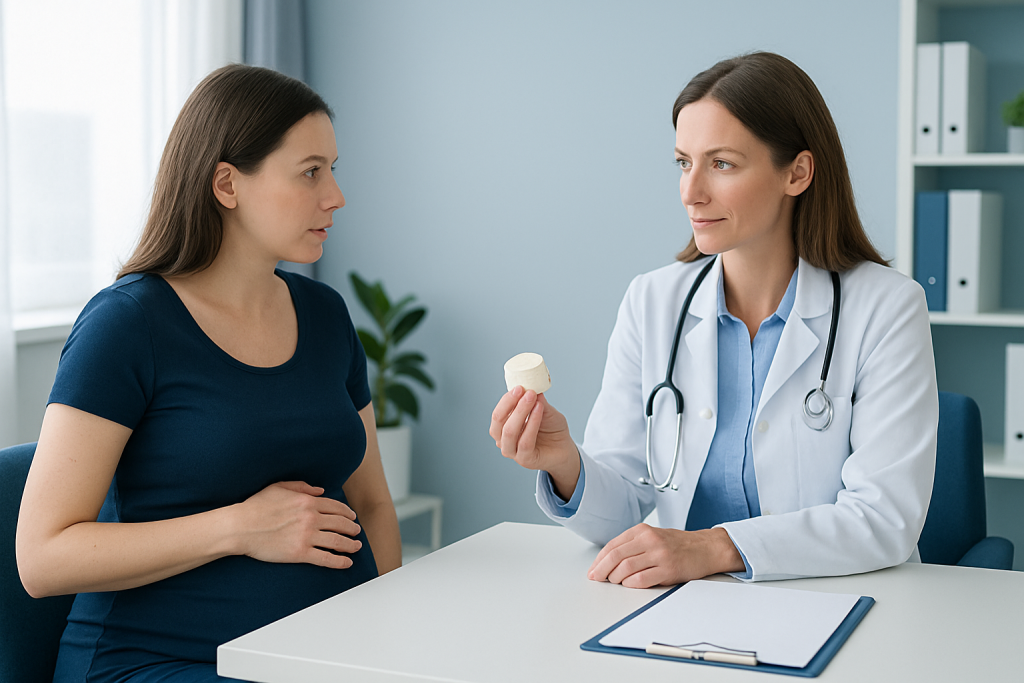
The concern with chevre cheese pregnancy is mainly related to possible exposure to bacteria such as Listeria monocytogenes. This organism can sometimes grow in refrigerated foods, which makes certain ready-to-eat items more important to assess carefully.
Risk is higher when the cheese is made from unpasteurized milk, sold loose without clear labeling, stored for too long, or left at room temperature. Imported cheeses and products purchased while traveling may also be harder to verify, especially if food labels differ from country to country.
Pregnancy itself increases the importance of caution because the immune system changes during this time. That does not mean every exposure leads to illness, but it does mean clinicians advise a lower threshold for avoiding uncertain foods and seeking guidance if exposure occurs.
- Unpasteurized or raw-milk chevre
- Soft goat cheese with unclear labeling
- Cheese from buffet-style or room-temperature service
- Improper storage after opening
- Eating cheese from uncertain sources while traveling
Diagnosis
There is no diagnosis for simply eating chevre during pregnancy. The relevant question is whether the cheese was safe, and if not, whether any signs of infection develop afterward.
If a pregnant person has symptoms after eating a risky food, a clinician may review the timing of the exposure, current symptoms, and pregnancy stage. Depending on the situation, testing may include blood work or other evaluation for suspected infection.
When there is no illness and the cheese was pasteurized, no testing is usually needed. If the label is missing or uncertain, a doctor can help assess whether any follow-up is appropriate based on the amount eaten, the type of cheese, and the person’s overall health.
Treatment Options
There is no treatment needed for safe, pasteurized chevre consumed as part of normal meals. The practical approach is reassurance, label checking, and continued food safety habits.
If a foodborne infection is suspected, treatment depends on the cause and symptoms. A clinician may recommend observation, hydration, or antibiotics in confirmed or strongly suspected bacterial infections. In pregnancy, prompt medical evaluation matters because treatment decisions are made with both maternal and fetal safety in mind.
For patients receiving care from abroad, specialist teams can help coordinate diagnosis and follow-up so that recommendations remain clear even after returning home. Acibadem Health Point’s multidisciplinary specialists and JCI-accredited hospitals diagnose and treat this condition for Myomectomy Recovery: Healing Time, Activity Limits, and Fertility Planning" class="ahp-ilk">Myomectomy Recovery for International Patients: The Usual Travel Timeline" class="ahp-ilk">international patients, with communication aimed at making the process easier to follow across borders.
Prevention and Self-care
Prevention starts with the label. In pregnancy, chevre is generally the safer choice when it is clearly marked as pasteurized and kept cold from purchase to serving.
At home, store cheese in the refrigerator, respect expiration dates, and avoid eating soft cheese that has been left out for long periods. When dining out, ask whether the chevre is pasteurized, and if the answer is uncertain, choose another option. If traveling, especially internationally, be extra cautious with cheese from markets, small restaurants, or buffets where ingredient details may be limited.
Helpful habits include:
- Reading the ingredient panel for “pasteurized milk”
- Avoiding raw-milk soft cheeses during pregnancy
- Keeping cheese refrigerated until serving
- Choosing freshly prepared, well-handled foods
- Contacting a doctor if any illness follows a questionable exposure
When to See a Doctor
A doctor should be contacted if a pregnant person eats unpasteurized chevre, has unclear cheese exposure, or develops symptoms such as fever, muscle aches, vomiting, or diarrhea after eating soft cheese. It is better to ask early than to wait, especially if the pregnancy is in a higher-risk stage or if the person feels unwell.
Medical advice is also important if the person has a weakened immune system, cannot keep fluids down, or is concerned about a foodborne infection after international travel. Clinicians can decide whether monitoring, testing, or treatment is needed.
Even when the risk turns out to be low, the conversation can bring clarity. Pregnancy food rules can feel inconsistent across countries and restaurants, so a qualified doctor or prenatal team can help interpret the specific exposure rather than relying on general internet advice.
Practical Bottom Line for Pregnancy
Chevre cheese does not need to be off the table in every pregnancy. The safest approach is to choose pasteurized chevre, keep it properly refrigerated, and avoid any soft cheese made from raw or unverified milk.
For many patients, the question comes up while planning meals at home, ordering in a new city, or navigating food choices during travel. In those settings, a simple habit of asking about pasteurization can remove much of the uncertainty.
When the source is unclear, it is reasonable to choose another snack or meal instead. That small tradeoff often gives the greatest peace of mind during pregnancy, which is when food safety should be straightforward, not stressful.
Frequently asked questions
01Can pregnant people eat chevre cheese?
Yes, if the chevre is made with pasteurized milk and has been stored and served safely. The main concern is unpasteurized soft cheese, which is usually best avoided during pregnancy.
02How can someone tell if chevre is pasteurized?
The label should say pasteurized milk or pasteurized goat milk. If the product is served in a restaurant or bought loose, it is reasonable to ask directly before eating it.
03Is all goat cheese unsafe in pregnancy?
No. Goat cheese is not automatically unsafe, but soft goat cheeses deserve extra caution because some may be made from unpasteurized milk. Pasteurized versions are generally considered the safer choice.
04What if unpasteurized chevre was eaten by mistake?
One accidental exposure does not mean an infection will occur. A doctor should be contacted for guidance, especially if any symptoms develop or if the exposure was recent and the pregnancy is higher risk.
05What symptoms after eating cheese should be taken seriously?
Fever, muscle aches, vomiting, diarrhea, or feeling suddenly unwell should be discussed with a doctor in pregnancy. These symptoms can have many causes, but they should not be ignored after a questionable food exposure.
06Can chevre be eaten if it is heated?
Heating can reduce some food safety concerns, but pregnancy guidance still depends on the product and how it was handled. If the cheese was made from unpasteurized milk or its source is uncertain, it is safer to avoid it unless a clinician advises otherwise.
This article is for general information only and is not a substitute for professional medical advice. Please consult a qualified doctor about your individual situation.
Persistent digestive symptoms? Get evaluated in Turkey
JCI-accredited · board-certified surgeons · reply within 24h
Add us as a Preferred Source to see more of our trusted health content across Google Search, AI Overviews and Discover.