

What Is an Aneurysm and When Is It Serious?
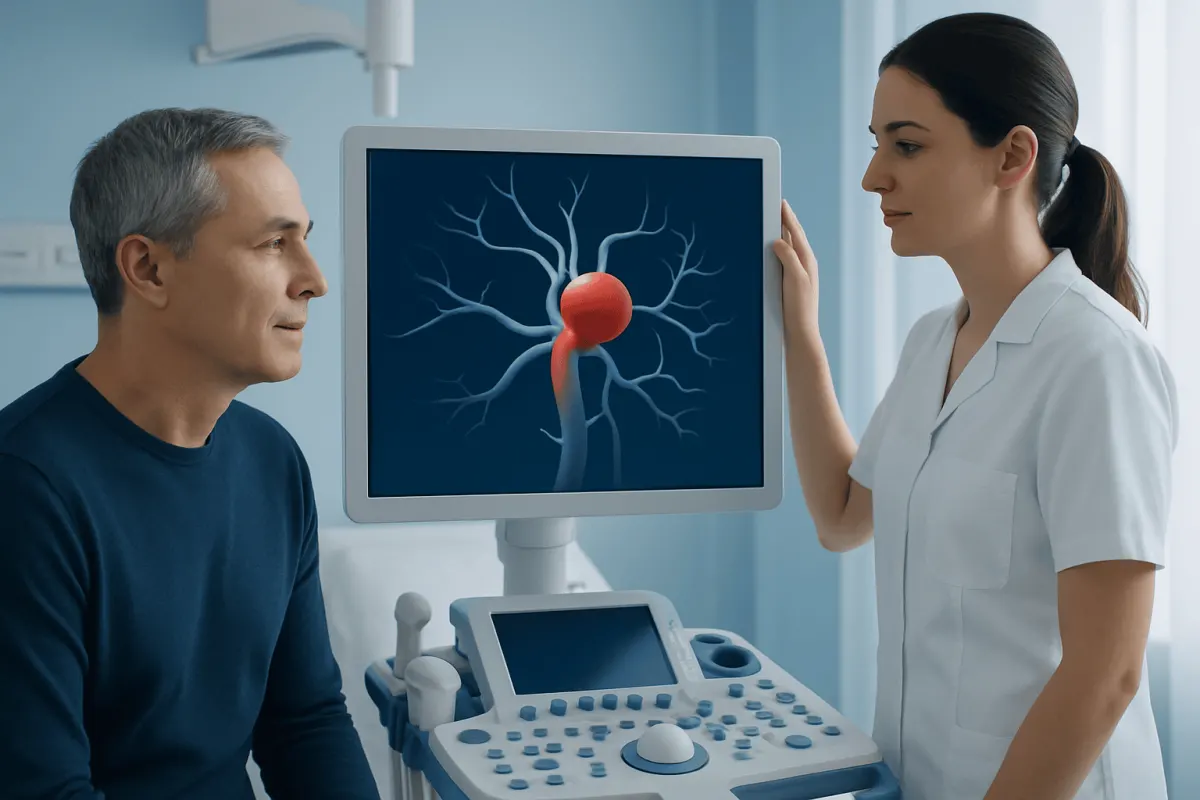
An aneurysm is a bulge that develops in a weakened part of a blood vessel wall. Many aneurysms cause no symptoms and can be monitored, but a rupture can be life-threatening and requires emergency medical care.
What is an aneurysm in simple terms?
An aneurysm is a weak spot in the wall of a blood vessel that stretches outward, forming a bulge. In simple terms, it can be compared with a small area of a hose that has become thinner and balloons under pressure. Most aneurysms occur in arteries, the blood vessels that carry blood away from the heart.
In medical terms, an aneurysm is a localized, abnormal dilation of an artery caused by weakness of the vessel wall. This is the meaning of “what is an aneurysm” in medical terminology: a structural change in a blood vessel, rather than a blood clot or blockage. The main concern is that an aneurysm may grow over time or, less commonly, tear or rupture.
Aneurysms can develop in several areas of the body. Common examples include a brain aneurysm, also called a cerebral aneurysm, and an aortic aneurysm, which affects the body’s largest artery. Aortic aneurysms may occur in the chest or abdomen. The location strongly influences symptoms, monitoring, and treatment decisions.
Is an aneurysm a serious condition?
An aneurysm can be serious, but its level of risk varies widely. A small, stable aneurysm found during imaging for another reason may never cause symptoms or require a procedure. Doctors consider its location, size, shape, rate of growth, symptoms, and the person’s overall health when estimating risk.
The most serious complication is rupture, when blood escapes through a tear in the vessel wall. A ruptured brain aneurysm can cause bleeding around the brain, while a ruptured aortic aneurysm can cause internal bleeding. Both are medical emergencies. Some aneurysms can also leak slowly, press on nearby structures, or allow blood clots to form.
Finding an aneurysm before it ruptures offers an opportunity for planned monitoring and, when appropriate, preventive treatment. Regular follow-up is important because the safest approach may change if an aneurysm grows or new symptoms appear.
Where do aneurysms occur and what symptoms can they cause?
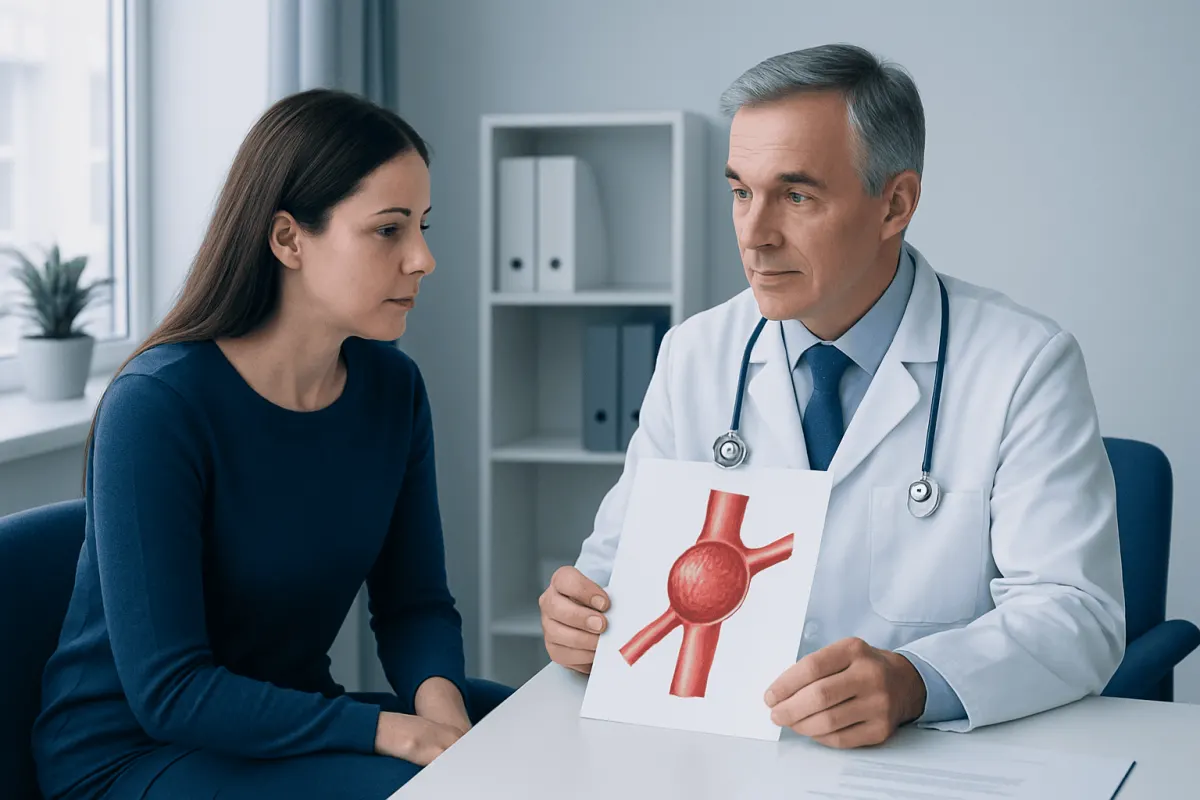
Many aneurysms do not cause noticeable symptoms, particularly when they are small. They may be discovered incidentally during an ultrasound, CT scan, MRI scan, or other imaging test performed for a different health concern. Symptoms are more likely if an aneurysm becomes larger, affects blood flow, presses on nearby tissues, leaks, or ruptures.
A brain aneurysm may cause no symptoms until it ruptures. In some cases, an unruptured aneurysm can cause pain above or behind one eye, changes in vision, a drooping eyelid, facial weakness, or a new localized headache. A ruptured brain aneurysm commonly causes a sudden, severe headache that reaches maximum intensity quickly, sometimes described as the worst headache of a person’s life. Brain aneurysm information can help explain the condition and its evaluation in more detail.
An abdominal aortic aneurysm may cause a persistent abdominal, back, or side pain, a pulsating sensation in the abdomen, or no symptoms at all. A thoracic aortic aneurysm may lead to chest or back pain, hoarseness, cough, shortness of breath, or difficulty swallowing when it places pressure on nearby structures.
- Sudden severe headache, neck stiffness, confusion, seizure, or loss of consciousness may indicate bleeding around the brain.
- Sudden intense chest, back, abdominal, or flank pain may indicate a tear or rupture in the aorta.
- Fainting, cold or clammy skin, severe weakness, or symptoms of shock require emergency care.
- Face drooping, arm weakness, speech difficulty, vision loss, or sudden balance problems require immediate stroke assessment.
What is the number one cause of an aneurysm?
There is not one single cause of every aneurysm. The underlying problem is weakness in the artery wall, which can result from a combination of aging, long-term pressure on the blood vessel, inflammation, injury, and inherited factors. For many aortic aneurysms, atherosclerosis and the effects of aging are important contributors, while high blood pressure and smoking are major modifiable risk factors.
Smoking is one of the strongest preventable risk factors for abdominal aortic aneurysm. It can damage blood vessel walls and contributes to atherosclerosis. High blood pressure can increase stress on artery walls and is particularly important in conditions affecting the aorta and brain blood vessels.
Some people have an inherited tendency toward aneurysms or disorders that affect connective tissue, such as Marfan syndrome, vascular Ehlers-Danlos syndrome, or Loeys-Dietz syndrome. A family history of aneurysm, especially in close relatives, may be relevant. Less commonly, infection, trauma, or prior damage to an artery can lead to an aneurysm.
Risk factors do not mean that an aneurysm will definitely develop. However, discussing smoking history, blood pressure, family history, and known genetic conditions with a doctor can help determine whether screening or closer follow-up is appropriate.
How is an aneurysm diagnosed and monitored?
Diagnosis usually begins with a medical history and physical examination, followed by imaging. The choice of test depends on the suspected location and whether the situation is urgent. Ultrasound is commonly used to detect and monitor abdominal aortic aneurysms. CT angiography and MR angiography provide detailed images of blood vessels and can help plan treatment.
For suspected brain aneurysm, doctors may use CT angiography, MR angiography, or catheter angiography. If symptoms suggest a ruptured aneurysm, emergency imaging is needed promptly. In some situations, further tests are used to look for blood in the fluid surrounding the brain.
Once an unruptured aneurysm is identified, follow-up imaging may be recommended at intervals chosen by the treating team. Monitoring checks whether the aneurysm remains stable or has increased in size. Blood pressure management, stopping smoking, and treatment of other cardiovascular risk factors are often part of the overall care plan.
Screening is not recommended for everyone. It may be advised for selected groups based on age, smoking history, sex, family history, or certain inherited conditions. A clinician can explain whether screening for an aortic or brain aneurysm is suitable for an individual situation.
Do all aneurysms need to be removed?
No. Not all aneurysms need to be removed or repaired. Small aneurysms with a low estimated risk of rupture may be watched with scheduled imaging and risk-factor management. This approach is often called surveillance or watchful monitoring, and it allows treatment to be considered if the aneurysm grows, changes shape, or causes symptoms.
A procedure may be recommended when the expected risk of rupture or other complications is greater than the risks of treatment. The decision is individualized. Important factors include the aneurysm’s size, location, appearance, growth rate, symptoms, age, other medical conditions, and personal or family history.
Some aneurysms can be treated with minimally invasive, catheter-based techniques. For example, endovascular repair may be used for certain aortic aneurysms, while coil embolization or flow-diverting devices may be options for selected brain aneurysms. Others require open surgery to repair or replace the affected section of blood vessel. Aneurysm treatment options are planned by specialists after detailed imaging and discussion.
The aim of treatment is usually to prevent rupture while preserving healthy blood flow. The care team should explain the benefits, possible complications, recovery expectations, and alternatives so that the patient can make an informed decision.
Reducing risk and living with an aneurysm
Although not every aneurysm can be prevented, several steps can support blood vessel health. Avoiding tobacco is especially important. People who smoke can benefit from evidence-based stop-smoking support, medications when appropriate, and guidance from a healthcare professional.
Managing blood pressure, cholesterol, diabetes, and other cardiovascular risks can reduce strain on arteries. Regular physical activity, a balanced eating pattern, sleep, and maintaining a weight that supports overall health may also be helpful. The appropriate level of activity may differ for someone with a known aneurysm, so strenuous exercise plans should be discussed with the treating clinician.
People being monitored for an aneurysm should attend scheduled scans and appointments, even if they feel well. They should also ask which symptoms should prompt urgent contact and whether relatives may need risk assessment. Medications should not be started, stopped, or changed without medical advice.
Acıbadem Health Point’s multidisciplinary specialists and JCI-accredited hospitals evaluate and treat aneurysm conditions for international patients, using imaging findings and individual risk factors to guide care.
When to seek medical care
Emergency medical care is needed for a sudden severe headache, sudden chest, back, or abdominal pain, fainting, new confusion, seizure, severe dizziness, or symptoms of stroke. These symptoms can have several causes, but they should be assessed urgently because an aneurysm rupture or arterial tear must be ruled out quickly.
A non-emergency medical appointment is appropriate for persistent unexplained pain in the abdomen, chest, back, or side; a pulsating abdominal sensation; new neurological symptoms; or a family history of aneurysm. A doctor can assess the symptoms and decide whether imaging or referral is needed.
Anyone already diagnosed with an aneurysm should seek advice sooner than planned if symptoms change, new pain develops, or they have concerns about exercise, travel, pregnancy, or medication use. Planned follow-up remains important even when there are no symptoms.
Frequently asked questions
01What is an aneurysm medical definition?
An aneurysm is a localized enlargement or bulge in a blood vessel caused by weakening of its wall. It most often affects an artery and can occur in the brain, aorta, or other parts of the body. The risk depends on the aneurysm’s location, size, growth, and overall health factors.
02Can an aneurysm heal on its own?
Aneurysms generally do not shrink or heal on their own. Some remain stable for years and can be safely monitored with regular imaging. A doctor can advise whether surveillance, lifestyle measures, medication for risk factors, or a procedure is appropriate.
03Can stress cause an aneurysm?
Stress alone is not considered a direct cause of most aneurysms. However, long-term high blood pressure can place added strain on artery walls, and stress may affect blood pressure in some people. Managing blood pressure and avoiding smoking are more established ways to reduce vascular risk.
04What does an unruptured aneurysm feel like?
Many unruptured aneurysms cause no symptoms. When symptoms occur, they depend on location and may include persistent pain, pressure on nearby tissues, vision changes, or neurological symptoms. New or concerning symptoms should be assessed by a healthcare professional.
05What happens if an aneurysm ruptures?
A rupture causes bleeding from the damaged blood vessel and is a medical emergency. A ruptured brain aneurysm can cause bleeding around the brain, while a ruptured aortic aneurysm can cause severe internal bleeding. Immediate emergency services should be contacted for sudden severe symptoms.
06Can lifestyle changes prevent aneurysm growth?
Lifestyle changes cannot remove an existing aneurysm, but they may help reduce strain on blood vessels and support overall cardiovascular health. Avoiding tobacco, controlling blood pressure, and following medical advice about cholesterol, diabetes, activity, and imaging follow-up are important. These measures should complement, not replace, specialist monitoring.
This article is for general information only and is not a substitute for professional medical advice. Please consult a qualified doctor about your individual situation.
Explore treatments in Turkey — costs, top hospitals & a free quote
JCI-accredited · board-certified surgeons · reply within 24h
Add us as a Preferred Source to see more of our trusted health content across Google Search, AI Overviews and Discover.


