How to Raise Blood Pressure? Here Is What the Evidence Says
How to raise blood pressure usually starts with simple, evidence-based steps such as drinking more fluids, standing up slowly, and addressing triggers like heat, dehydration, or missed meals. Low blood pressure is often harmless, but fainting, chest pain, shortness of breath, confusion, or persistent symptoms should be assessed by a doctor.
Overview: What helps raise blood pressure?
For many people, low blood pressure is not dangerous and may cause no symptoms at all. When it does cause dizziness, weakness, or lightheadedness, the most effective approach is usually to correct the trigger: drinking fluids, treating dehydration, eating regularly, and standing up more gradually can all help raise blood pressure in a safe way.
The key point is that there is no single best method for everyone asking how to raise blood pressure. A person who is dehydrated needs different support from someone whose symptoms are related to medication side effects, prolonged bed rest, pregnancy, nerve disorders, or heart problems. That is why the goal is not simply to “push the number up,” but to improve blood flow and reduce symptoms safely.
Short-term measures may help many adults feel better. These can include water intake, smaller more frequent meals, avoiding long periods of standing, and using compression stockings when advised. However, sudden or severe low blood pressure can sometimes signal an urgent problem, especially if it comes with fainting, chest pain, shortness of breath, a fast pulse, or confusion.
What low blood pressure means and when it matters
Blood pressure is the force of blood moving through the arteries. It naturally changes throughout the day and can vary with age, body position, hydration, temperature, exercise, and medications. A reading that is considered low for one person may be normal for another, especially if there are no symptoms.
Doctors generally become more concerned when low blood pressure causes reduced blood flow to the brain or other organs. This is more likely if symptoms occur after standing up, after meals, during illness, or during heat exposure. A common pattern is orthostatic hypotension, in which blood pressure drops when moving from lying or sitting to standing.
It is also helpful to separate a one-time episode from an ongoing pattern. Temporary low blood pressure can happen after dehydration, a stomach illness, blood donation, or skipping meals. Persistent symptoms deserve a closer look because they may reflect medicine effects, anemia, endocrine conditions, heart rhythm problems, or another underlying issue.
Symptoms and warning signs

Low blood pressure can feel different from person to person. Some people only notice brief lightheadedness when they stand, while others may feel generally weak or “washed out.” Symptoms can come and go, especially during hot weather, after exercise, after meals, or when fluid intake has been low.
Common symptoms include:
- Dizziness or lightheadedness
- Blurred vision
- Feeling faint or actually fainting
- Nausea
- Weakness or unusual fatigue
- Trouble concentrating
- Cold, clammy skin in more serious cases
Some symptoms are more urgent and should not be ignored. Chest pain, shortness of breath, severe dehydration, confusion, new trouble walking, black or bloody stools, or fainting with injury can point to a more serious cause. In these situations, prompt medical assessment is important rather than trying home measures alone.
Common causes and risk factors
Dehydration is one of the most common and correctable causes of low blood pressure. Not drinking enough fluids, vomiting, diarrhea, fever, heavy sweating, or using certain diuretics can all reduce circulating blood volume. Alcohol can also contribute by worsening dehydration and making symptoms more likely.
Medicines are another common reason. Blood pressure medicines, some antidepressants, diuretics, drugs for Parkinson’s disease, and medications that relax blood vessels can all lower blood pressure too much in some people. Doctors often review all prescription drugs, over-the-counter products, and supplements when evaluating symptoms.
Other causes include prolonged bed rest, pregnancy, anemia, severe infection, allergic reactions, blood loss, and endocrine disorders such as adrenal or thyroid disease. Some people have low blood pressure after meals, especially older adults, while others have symptoms linked to autonomic nervous system conditions that affect how blood vessels and heart rate respond to standing. In less common cases, heart conditions may contribute, which is why persistent symptoms sometimes lead to a heart evaluation such as cardiology assessment.
Evidence-based ways to raise blood pressure safely
The safest first steps depend on the cause, but several measures are commonly recommended because they improve blood volume or reduce sudden drops in pressure. Drinking water is often the simplest and most effective short-term step, especially when symptoms are linked to dehydration. Regular meals also help, since low blood sugar and long gaps without eating can make dizziness worse in some people.
Many people benefit from practical measures such as standing up slowly, sitting at the edge of the bed before rising, and avoiding prolonged standing in hot environments. If symptoms happen after meals, smaller and more frequent meals may reduce post-meal drops in blood pressure. Some people are advised to increase salt intake, but this should only be done with a clinician’s guidance because it is not appropriate for everyone, especially those with heart, kidney, or liver disease.
Compression stockings or abdominal binders can help reduce blood pooling in the legs and abdomen, which may improve symptoms in orthostatic hypotension. Physical counter-maneuvers, such as crossing the legs while standing or tensing the leg muscles, may also help briefly during a dizzy spell. When lifestyle measures are not enough, a doctor may consider prescription treatment aimed at blood pressure regulation, but medication choice depends on the specific cause and the person’s overall health.
What usually does not help is treating every episode the same way without understanding the reason. For example, using excess caffeine, salt, or supplements without guidance can be unhelpful or risky in some situations. A symptom diary that tracks readings, meals, fluid intake, and when dizziness occurs can be very useful for guiding treatment.
How doctors diagnose the cause
Medical evaluation starts with the story behind the symptoms. A doctor will ask when the dizziness happens, how long it lasts, what medicines are being taken, how much fluid is usually consumed, and whether there has been fever, vomiting, diarrhea, blood loss, or weight change. They will also want to know if there has been fainting, falls, palpitations, shortness of breath, or exercise intolerance.
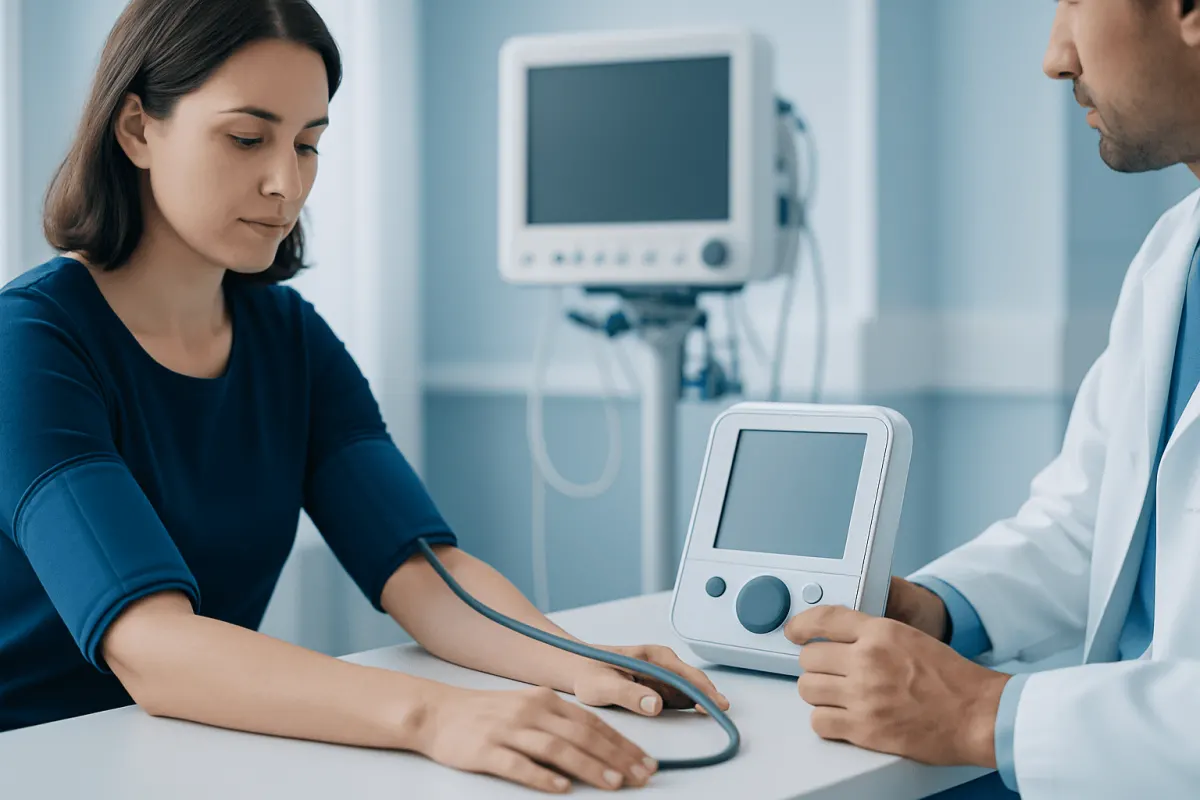
A physical examination often includes checking blood pressure and pulse while lying down, sitting, and standing. This can help identify orthostatic hypotension and show whether the body is compensating properly. The doctor may also look for signs of dehydration, anemia, infection, heart disease, or nerve dysfunction.
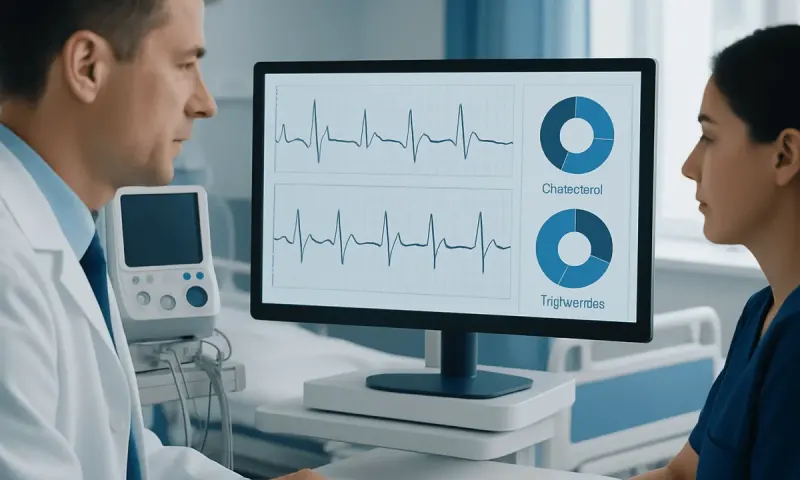
Further tests depend on the situation. Blood tests may check for anemia, infection, electrolyte changes, thyroid problems, kidney function, or hormonal causes. An electrocardiogram may be used to look for rhythm issues, and some people may need echocardiography or a broader medical check-up if symptoms are persistent or unexplained. If the pattern suggests another condition, doctors may also assess for related problems such as anemia.
Treatment, prevention, and self-care
Treatment focuses on the underlying cause and the person’s symptoms. If a medication is contributing, a doctor may adjust the dose, timing, or type of medicine. If dehydration is part of the problem, increasing fluids and replacing losses becomes the priority. When low blood pressure relates to illness, blood loss, infection, or an endocrine problem, treating that condition is the main way to improve the blood pressure safely.
For day-to-day prevention, it often helps to drink fluids regularly, avoid suddenly standing up, and recognize personal triggers such as heat, long showers, skipped meals, or prolonged standing. Some people are advised to elevate the head of the bed slightly, especially if morning symptoms are prominent. Others benefit from compression garments or guided salt adjustment.
Self-care is most useful when it is personalized. A person with occasional mild lightheadedness after standing may only need hydration and slower position changes. Someone with recurrent fainting or low blood pressure due to another illness may need a more structured treatment plan with close follow-up. Near the end of the care pathway, if specialist input is needed, Acıbadem Health Point’s multidisciplinary specialists and JCI-accredited hospitals diagnose and treat low blood pressure causes for international patients.
When to seek medical care
Medical review is important if low blood pressure is new, recurring, or causing symptoms that interfere with normal life. This includes repeated dizziness, near-fainting, falls, weakness, or symptoms that happen every time a person stands up. It is also wise to seek care if home readings are low and there has been recent illness, dehydration, medication changes, or poor oral intake.
Urgent medical care is needed for fainting, chest pain, shortness of breath, severe weakness, confusion, blue lips, signs of stroke, or symptoms of shock such as cold clammy skin and extreme drowsiness. Heavy bleeding, black stools, vomiting blood, or severe dehydration also require prompt attention.
People who are older, pregnant, living with heart disease, diabetes, nerve disorders, or taking multiple medicines should be especially cautious. In these groups, even seemingly mild symptoms can have several possible causes and may need targeted evaluation rather than self-treatment alone.
Frequently asked questions
01What is the fastest safe way to raise blood pressure at home?
For mild symptoms, drinking water, sitting or lying down, and rising slowly often help the quickest. If symptoms are linked to standing, crossing the legs or tightening the leg muscles may also help briefly. If there is fainting, chest pain, severe weakness, or confusion, home treatment is not enough and urgent care is needed.
02Can eating salt raise blood pressure?
Salt can raise blood pressure in some people by helping the body retain fluid, but it is not the right solution for everyone. People with heart, kidney, or liver disease may need to avoid extra salt. A clinician can advise whether salt adjustment is safe and appropriate.
03Does caffeine help low blood pressure?
Caffeine may raise blood pressure temporarily in some people, but the effect is unpredictable and usually short-lived. It can also worsen dehydration or cause palpitations in some individuals. It should not replace proper evaluation if symptoms are frequent or severe.
04Why do I feel dizzy when I stand up?
This often happens because blood pressure falls briefly when changing position, especially if a person is dehydrated, has been resting for a long time, or takes certain medications. This pattern is called orthostatic hypotension. Recurrent or severe episodes should be assessed by a doctor.
05Is low blood pressure always a problem?
No. Many healthy people naturally have lower blood pressure and feel completely well. It becomes more important when it causes symptoms such as fainting, weakness, blurred vision, or trouble concentrating, or when it appears suddenly.
06What tests might a doctor order for low blood pressure?
A doctor may repeat blood pressure checks in different positions, review medications, and order blood tests for anemia, dehydration, infection, thyroid problems, or other causes. Depending on symptoms, they may also arrange a heart tracing or imaging. The exact work-up depends on the person’s history and risk factors.
This article is for general information only and is not a substitute for professional medical advice. Please consult a qualified doctor about your individual situation.
Explore treatments in Turkey — costs, top hospitals & a free quote
JCI-accredited · board-certified surgeons · reply within 24h
Add us as a Preferred Source to see more of our trusted health content across Google Search, AI Overviews and Discover.