What Is Alopecia Seborrheic? A Complete Medical Guide

Key Takeaways
- Alopecia seborrheic refers to hair loss associated with seborrheic dermatitis, not usually permanent baldness.
- Scalp inflammation, scratching, and excess scale can contribute to temporary shedding.
- Diagnosis is based on the appearance of the scalp and, when needed, tests to rule out other causes of hair loss.
- Treatment focuses on calming inflammation, reducing yeast overgrowth on the scalp, and protecting hair follicles.
- Gentle hair care and early treatment can help the scalp recover and may limit further shedding.
Alopecia seborrheic is a term used for hair shedding or thinning that occurs alongside seborrheic dermatitis, a common inflammatory scalp condition marked by flaking, redness, and itch. It is usually manageable once the underlying scalp inflammation is identified and treated.
Overview
Alopecia seborrheic is a descriptive term for hair thinning or shedding that appears in the setting of seborrheic dermatitis, a common condition that causes oily scale, flaking, redness, and itching on the scalp. In plain terms, the scalp becomes irritated and inflamed, and the hair may shed more than usual while that irritation is active.
This is not usually a separate disease with a single cause. It is more often a pattern seen when seborrheic dermatitis affects the scalp for a period of time. The hair loss is often temporary, especially when the inflammation is treated early and the scalp is allowed to recover.
For international patients who are comparing treatment options from abroad, it can help to think of alopecia seborrheic as a problem that needs two questions answered at once: what is causing the scalp inflammation, and whether another type of hair loss is also present. A careful evaluation helps distinguish these possibilities.
Symptoms
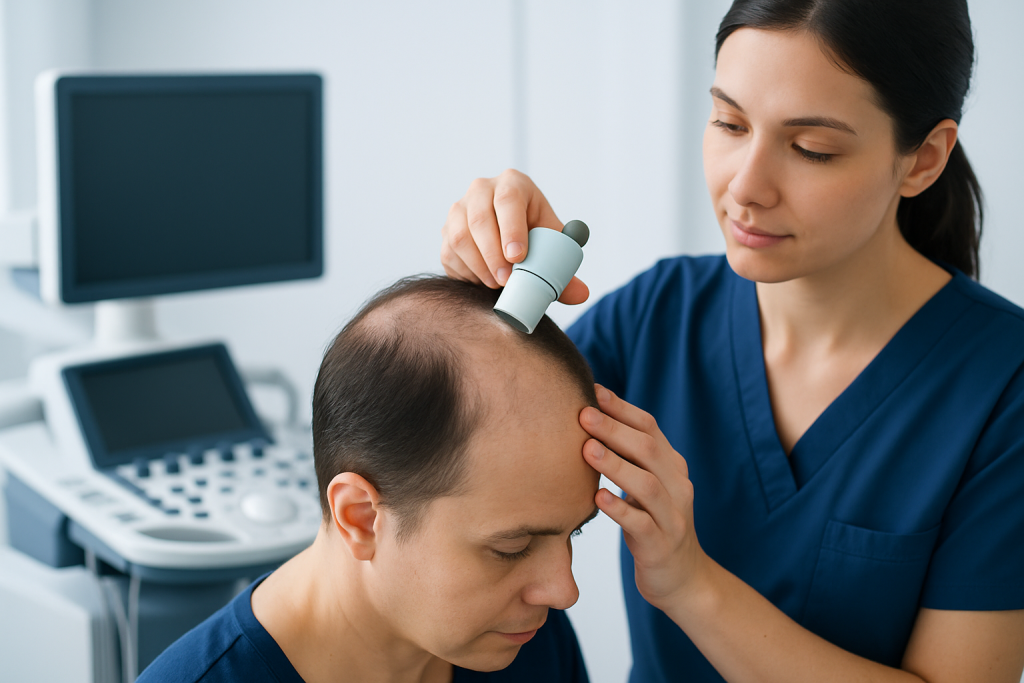
The scalp symptoms usually come first. People may notice loose white or yellowish flakes on the hair or shoulders, a greasy or waxy scalp surface, and patches of redness. Itching is common, and some people also describe a burning or tender sensation, especially after scratching or frequent washing.
Hair changes may develop gradually. The hair can seem thinner in affected areas, more strands may collect in the shower drain or hairbrush, and the scalp may become easier to see through the hair. In many cases, the shedding is diffuse rather than forming a sharply defined bald patch.
Symptoms can come and go. Flares may be more noticeable during stress, in dry or cold weather, after illness, or when scalp care products irritate the skin. Because hair loss can have several causes, the presence of dandruff-like scaling does not automatically prove seborrheic dermatitis is the only issue.
Causes & Risk Factors

Seborrheic dermatitis is thought to develop from a mix of factors rather than a single trigger. One important contributor is an inflammatory reaction in areas with many oil glands, especially the scalp. A naturally occurring yeast called Malassezia is often involved, and in some people it may help drive irritation and flaking.
Several factors can make symptoms more likely or more noticeable. These include oily skin, certain skin conditions such as Parkinson’s disease or neurologic disorders, higher stress levels, climate changes, and a family tendency toward inflammatory skin problems. Flare-ups may also be more persistent in people with weakened immune systems.
Hair shedding in this setting may be worsened by repeated scratching, harsh cleansing, tight hairstyles, heat styling, or chemical treatments that further irritate the scalp. In some people, another hair disorder such as telogen effluvium, androgenetic alopecia, psoriasis, or fungal infection may be present at the same time, which is why assessment matters.
Diagnosis
Diagnosis usually begins with a clinician examining the scalp, hair pattern, eyebrows, beard area, ears, and other skin folds where seborrheic dermatitis sometimes appears. The appearance of greasy scale and mild inflammation often provides important clues. The clinician will also ask when the shedding began, whether the scalp itches or burns, and whether there are triggers such as recent illness or new hair products.
If the diagnosis is not fully clear, additional steps may be used to rule out other conditions. These may include checking for fungal infection, looking for signs of psoriasis or contact dermatitis, or, in selected cases, performing a scalp biopsy. Blood tests are not always needed, but they may be considered if the pattern of hair loss suggests another medical cause.
Because hair loss can be emotionally stressful, a thorough consultation should also address expectations. Many patients want to know whether hair will grow back. In alopecia seborrheic, the answer is often encouraging if the underlying scalp inflammation is controlled and follicle damage has not become longstanding.
Treatment Options
Treatment aims to calm the scalp, reduce flaking, and ease itching so the hair can cycle more normally again. Medicated shampoos are often the first step. Depending on the case, a clinician may recommend anti-fungal shampoos, anti-inflammatory treatments, or products that help soften and remove scale so they can reach the skin more effectively.
When inflammation is more pronounced, short-term prescription scalp treatments may be used to settle redness and itching. The exact choice depends on the severity of symptoms, the person’s age, and whether there are other scalp conditions to consider. Treatment is usually tailored rather than one-size-fits-all.
If hair shedding is significant, the clinician may also look for coexisting causes of hair loss and treat those separately. This matters because not every person with dandruff and thinning hair has the same underlying problem. Clear diagnosis helps avoid unnecessary products and makes follow-up more useful, especially for patients coordinating care across countries and time zones.
- Medicated shampoos to reduce flaking and yeast overgrowth
- Short courses of anti-inflammatory scalp treatments when needed
- Gentle removal of scale without aggressive scrubbing
- Management of any additional hair loss condition found on examination
Prevention & Self-care
Self-care can make a meaningful difference, particularly when symptoms are mild or are improving after treatment. Washing the scalp regularly with a gentle routine helps keep scale from building up, and using a medicated shampoo as advised can reduce flare-ups. It is usually better to be consistent than to scrub harder or use more products.
Hair care choices also matter. People may do better with mild, fragrance-free cleansers, minimal heat styling, and looser hairstyles that do not pull on the hairline. If a product stings, worsens flaking, or makes the scalp feel tight, it is sensible to stop it and discuss alternatives with a clinician.
Stress management, sleep, and general health support the scalp indirectly. While they do not cure seborrheic dermatitis, they may help reduce flare frequency in some people. For patients traveling for treatment, a practical plan for follow-up care at home is important, including understanding which shampoo to continue, how long to use it, and when to seek reassessment.
When to See a Doctor
Medical evaluation is worthwhile when flaking and itching are persistent, when hair shedding is increasing, or when the scalp becomes painful, swollen, or unusually red. A doctor should also be consulted if there are round patches of hair loss, broken hairs, crusting, oozing, or signs of infection, because these features may point to a different diagnosis.
It is especially helpful to seek care if over-the-counter dandruff products have not improved symptoms after a reasonable trial, or if the hair loss is causing concern about permanent thinning. Early assessment can reduce confusion between seborrheic dermatitis, psoriasis, fungal infection, traction-related hair loss, and other common causes of scalp shedding.
For international patients, a specialist visit can also be useful when the diagnosis has been uncertain for a long time or when several scalp treatments have already been tried without lasting benefit. Acibadem Health Point’s multidisciplinary specialists and JCI-accredited hospitals diagnose and treat this condition for international patients with coordinated, individualized care.
Frequently asked questions
01What does alopecia seborrheic mean?
It refers to hair loss or thinning that happens along with seborrheic dermatitis of the scalp. The term is descriptive rather than a separate diagnosis. The main issue is usually scalp inflammation, flaking, and itching that may lead to increased shedding.
02Is alopecia seborrheic permanent?
It is often temporary, especially when the scalp inflammation is treated early. Hair commonly improves once the irritation settles and shedding slows. If hair loss is long-lasting, another condition may also be present and should be evaluated.
03Can dandruff cause hair loss?
Dandruff itself does not directly destroy hair follicles, but the inflammation and scratching linked with seborrheic dermatitis can increase shedding. Harsh products and repeated rubbing may also make the scalp more irritated. Treating the scalp often helps the hair recover over time.
04How is seborrheic dermatitis hair loss diagnosed?
A clinician usually diagnoses it by examining the scalp and asking about symptoms, timing, and triggers. If the appearance is not typical, they may consider fungal infection, psoriasis, contact dermatitis, or another form of hair loss. Tests are used when needed to clarify the cause.
05What shampoos help with seborrheic alopecia?
Medicated shampoos are commonly used, especially those that target scale and yeast on the scalp. The best choice depends on the individual’s symptoms and skin sensitivity, so a doctor’s guidance is helpful. Regular, correct use matters more than switching products frequently.
06Should someone avoid hair dye or styling products during a flare?
It is often sensible to limit products that sting, dry, or irritate the scalp during a flare. Hair dye, strong fragrances, and frequent heat styling can make symptoms harder to settle in some people. A gentle routine is usually easier on the scalp until it improves.
This article is for general information only and is not a substitute for professional medical advice. Please consult a qualified doctor about your individual situation.
Hair transplant in Turkey — costs, graft counts & a free assessment
JCI-accredited · board-certified surgeons · reply within 24h
Add us as a Preferred Source to see more of our trusted health content across Google Search, AI Overviews and Discover.