Dry Skin Removal for Feet: What You Need to Know

Key Takeaways
- Dry skin on the feet often improves with regular moisturizing and gentle exfoliation rather than aggressive scraping.
- Cracked heels, pain, redness, or itching may point to a skin condition, infection, or another medical issue.
- People with diabetes or reduced circulation should be especially cautious with home foot care.
- A consistent routine matters more than one-time treatment when managing rough, flaky feet.
- Professional assessment can help if home care does not work or the skin changes are persistent.
Dry skin removal for feet is usually best approached gently: soften, moisturize, and remove only loose buildup after the skin has been prepared. This guide explains what causes dry, rough feet, how to care for them safely, and when professional evaluation is important.
Overview
Dry skin removal for feet works best when the skin is first softened and then treated gently. The goal is not to “strip” the skin, but to reduce thick, flaky buildup while protecting the skin barrier so the feet can stay comfortable and less likely to crack.
The feet are prone to dryness because they have fewer oil glands than many other areas of the body, and they also face constant pressure from walking, shoes, heat, and friction. For many people, rough heels or flaky soles are a routine skin concern; for others, dry skin can be a clue to eczema, athlete’s foot, psoriasis, diabetes-related nerve changes, or circulation problems.
In practice, safe foot care is usually simple: gentle cleansing, brief soaking or showering to soften the skin, careful exfoliation only when needed, and regular use of a thick moisturizer. For international patients who are deciding whether to seek care abroad, the key question is often whether the issue is ordinary dryness or a skin problem that needs a dermatologist’s assessment.
Symptoms
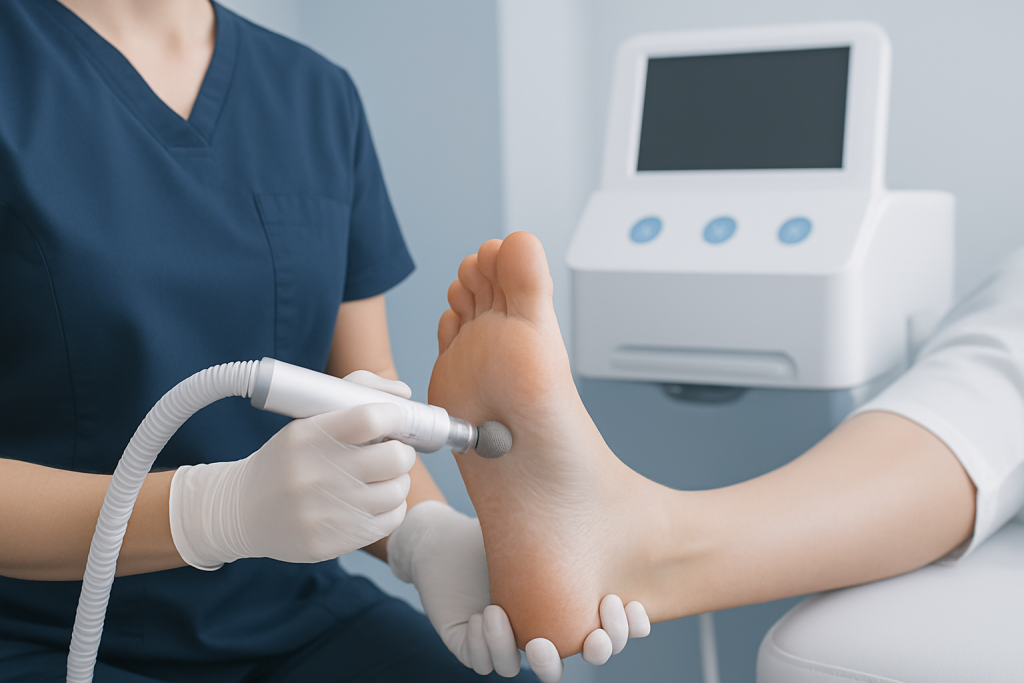
Dry feet can look and feel different from person to person. Some people notice fine white flakes or a dull, ashy surface; others develop thicker, rough patches on the heels or balls of the feet. The skin may feel tight, itchy, or uncomfortable in shoes.
When dryness becomes more pronounced, the skin can split. Small cracks may sting, while deeper fissures can bleed or make walking painful. If the skin around the heels becomes very hard and raised, it may be more likely to split during everyday pressure from standing and walking.
Symptoms that suggest more than simple dryness include:
- Persistent itching or burning
- Redness, scaling, or a rash between the toes
- Oozing, crusting, or a bad odor
- Deep fissures or bleeding
- One foot being much worse than the other
These features may point to fungal infection, dermatitis, psoriasis, or another condition that benefits from medical treatment rather than home exfoliation alone.
Causes & Risk Factors

Dry skin on the feet usually develops when the outer skin barrier loses moisture faster than it can be replaced. Frequent hot showers, harsh soaps, dry indoor air, and repeated rubbing from shoes can all contribute. Walking barefoot on rough surfaces may also thicken the skin as a protective response, which can then look dry and rough.
Several medical factors can make dry feet more likely. Eczema, psoriasis, athlete’s foot, thyroid disorders, and diabetes may affect the skin in different ways. Age is another factor, as skin often becomes drier and less elastic over time.
Risk can also increase with lifestyle and environmental habits such as:
- Long periods in open-backed sandals or ill-fitting shoes
- Very low humidity or frequent air travel
- Prolonged standing or walking
- Limited fluid intake, especially in hot climates
- Not moisturizing after washing
For some travelers, dry feet become worse during long flights, hotel stays, or changing climates. In those cases, the problem may improve quickly once the skin is cared for consistently, but ongoing or severe dryness still deserves attention.
Diagnosis
Most dry feet are diagnosed by a clinical examination. A dermatologist or primary care doctor will usually look at the pattern of dryness, the location of thickened skin, and whether there are signs of fungal infection, inflammation, or skin cracking. The history matters too: how long the problem has been present, which products have been used, and whether symptoms improve or worsen with particular shoes or seasons.
In some cases, the doctor may gently scrape or examine the skin to check for fungus, especially if the scaling is more prominent between the toes or if there is itching. If the skin changes are persistent, unusual, or linked to other symptoms, additional evaluation may be recommended to look for eczema, psoriasis, diabetes-related changes, or circulation issues.
For international patients, this step can be especially helpful when home remedies have not worked and travel plans are being considered. A clear diagnosis helps avoid unnecessary treatments and supports a more focused care plan, whether treatment is done locally or during a planned medical visit.
Treatment Options
Most treatment plans begin with softening the skin and restoring moisture. A brief lukewarm soak or shower can help loosen dead skin, but very hot water may make dryness worse. After drying the feet well, a thick moisturizer is usually applied right away to help trap water in the skin.
For dry, rough skin, creams or ointments with ingredients such as urea, lactic acid, glycerin, ceramides, or petrolatum are often used because they support both hydration and smoothing. Exfoliation can help, but it should be gentle. A pumice stone or foot file may be used lightly on softened skin a few times a week, never on raw, painful, or bleeding areas.
When the skin is inflamed, itchy, or infected, treatment may need to address the underlying cause. A doctor may recommend antifungal therapy for athlete’s foot, anti-inflammatory treatment for eczema or psoriasis, or wound care for fissures. Very thick calluses sometimes require professional debridement in a clinic rather than home scraping.
Useful treatment principles include:
- Moisturize every day, especially after bathing
- Use gentle, not aggressive, exfoliation
- Avoid cutting calluses or using blades at home
- Choose breathable shoes and clean, dry socks
- Treat the cause, not only the surface dryness
Prevention & Self-care
Prevention is usually built on small habits repeated over time. The most effective routine is often simple: wash the feet gently, dry them well, apply moisturizer, and wear shoes that reduce friction. Even when the skin looks better, continuing the routine helps prevent the dryness from returning.
People who are prone to rough heels may benefit from applying a richer ointment at night and covering the feet with clean cotton socks. This can help the moisturizer stay in place and improve comfort by morning. During the day, choosing socks that wick moisture and shoes that fit properly can reduce rubbing and pressure.
Self-care is also about avoiding common mistakes. Scrubbing too hard, using sharp tools, or peeling skin manually can create micro-injuries and raise the risk of infection. For anyone with diabetes, numbness, poor circulation, or a history of foot ulcers, home foot care should be especially cautious, and even minor skin breaks should be checked promptly.
Helpful habits include:
- Inspecting the feet regularly, including the heels and between toes
- Using fragrance-free cleansers and moisturizers when possible
- Keeping the skin dry between the toes while moisturizing the tops and soles
- Protecting feet from very dry air and extreme heat
- Seeking early care for recurring cracks or scaling
When to See a Doctor
Medical evaluation is a good idea when dry skin does not improve after a few weeks of consistent home care or when the skin becomes painful, deeply cracked, red, or swollen. A doctor should also be consulted if there is drainage, warmth, fever, or a rapidly worsening rash, as these can suggest infection or a more active inflammatory condition.
People with diabetes, poor circulation, nerve problems, or immune suppression should not wait for a foot crack to become severe. In these groups, small skin changes can progress more quickly and may be harder to notice. A clinician can advise on safe care and determine whether specialist treatment is needed.
If the concern is persistent, a dermatologist can help distinguish simple dryness from eczema, psoriasis, fungal disease, or thick calluses that need professional treatment. For international patients, Acibadem Health Point can connect individuals with multidisciplinary specialists in JCI-accredited hospitals for diagnosis and treatment, with careful planning for those traveling from abroad.
Living With Dry, Rough Feet During Travel
Travel can make dry skin on the feet more noticeable because routines change. Flights, hotel air conditioning, long walking days, and different climates can all reduce skin moisture or increase friction. Packing a small foot-care kit—gentle cleanser, moisturizer, socks, and comfortable footwear—can help keep the routine consistent.
It also helps to avoid experimenting with strong exfoliating products right before travel or before a planned medical appointment. Skin that is irritated during a trip can become harder to assess and more uncomfortable in closed shoes. A calm, predictable routine is usually the safest approach.
For patients planning care in another country, it is useful to bring a list of products already tried, any skin photographs showing flare-ups, and a summary of medical conditions such as diabetes or eczema. That information can help the doctor tailor care quickly and reduce the need for guesswork.
Frequently asked questions
01What is the safest way to remove dry skin from feet at home?
The safest approach is to soften the skin first, then use gentle exfoliation only on loose, thickened areas. Afterward, applying a thick moisturizer helps protect the skin barrier and reduce further buildup. Cutting, peeling, or scraping too hard can injure the skin.
02How often should dry feet be exfoliated?
For many people, gentle exfoliation a few times a week is enough, but it depends on how thick or rough the skin is. If the skin becomes sore, red, or sensitive, exfoliation should be reduced or paused. Moisturizing daily is usually more important than frequent scrubbing.
03Why do heels get so dry and cracked?
Heels take a lot of pressure and have fewer oil glands, so they dry out easily. Thickened skin can also form as a response to friction or pressure, and that thicker skin may then split. Regular moisturizing and better-fitting footwear can help.
04Can dry skin on the feet be a sign of a medical condition?
Yes. Eczema, psoriasis, fungal infections, thyroid problems, and diabetes-related foot changes can all cause dryness or scaling. If the pattern is unusual, persistent, or associated with pain, redness, or itching, a doctor should evaluate it.
05When should someone with diabetes worry about dry feet?
People with diabetes should be cautious because small cracks can become more serious if circulation or sensation is reduced. Any open area, redness, warmth, swelling, or drainage should be checked promptly. Routine foot inspection and gentle care are especially important.
06Do foot peels work for dry skin removal?
Some peels may remove dead skin, but they are not suitable for everyone and can irritate sensitive or cracked skin. They should be used carefully and only when the skin is intact and the product is appropriate for the person’s skin type. A clinician can advise if a peel is a good idea.
This article is for general information only and is not a substitute for professional medical advice. Please consult a qualified doctor about your individual situation.
Explore treatments in Turkey — costs, top hospitals & a free quote
JCI-accredited · board-certified surgeons · reply within 24h
Add us as a Preferred Source to see more of our trusted health content across Google Search, AI Overviews and Discover.