

What is a Uterus Rupture?
- 8 min read
- Published November 27, 2026
Key Takeaways
- Uterine rupture is a tear in the uterine wall and is most often an obstetric emergency.
- It is more likely during labor, especially in people with a previous uterine scar.
- Symptoms can include sudden severe abdominal pain, abnormal bleeding, and changes in the baby’s heart rate.
- Rapid diagnosis and emergency delivery are often needed to reduce complications.
- Future pregnancy planning may require careful monitoring and individualized delivery advice.
What is a uterus rupture? It is a rare but serious tear in the wall of the uterus, usually during labor or pregnancy, that needs immediate medical attention. Understanding the warning signs, risk factors, and Uterine fibroids Treatment Options: From Medication to Surgery" class="ahp-ilk">treatment options can help patients act quickly and protect both mother and baby.
Overview
What is a uterus rupture? It is a tear through the muscular wall of the uterus, the organ where a baby grows during pregnancy. Because this tear can place both the pregnant person and the baby at immediate risk, it is treated as a medical emergency.
Most uterine ruptures happen during labor, though they can occur before labor begins in some pregnancies. The condition is uncommon, but it matters because the warning signs can develop quickly and the safest response is usually urgent hospital care.
For patients traveling from another country or planning birth care away from home, it is especially helpful to know the history of any uterine surgery, such as a previous cesarean delivery or fibroid procedure. That information can guide the birth plan and reduce delays if emergency treatment is needed.
Symptoms
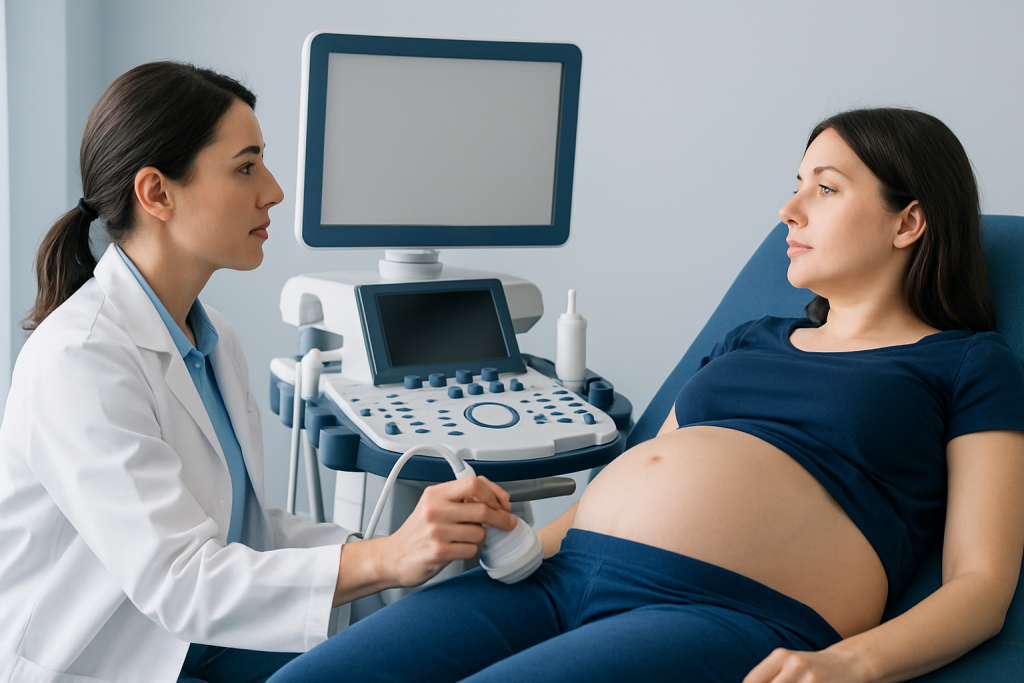
The symptoms of uterine rupture can vary, and not every person experiences the same warning pattern. In many cases, the first clue is an unexpected change during labor rather than a single dramatic symptom.
Common signs may include sudden severe abdominal pain, persistent pain between contractions, vaginal bleeding, loss of the baby’s station in the pelvis, or a change in contraction pattern. Healthcare teams may also notice changes in the baby’s heart rate, which can be one of the earliest and most important warning signs.
Some people feel dizziness, faintness, shoulder pain, or a sense that “something is wrong.” In a hospital setting, these symptoms are assessed alongside fetal monitoring and the person’s medical history, because the right response depends on the whole picture.
- Sudden or worsening abdominal pain
- Vaginal bleeding
- Baby’s heart rate abnormalities
- Stopping of labor progress or loss of contractions
- Symptoms of shock, such as weakness or fainting
Causes & Risk Factors
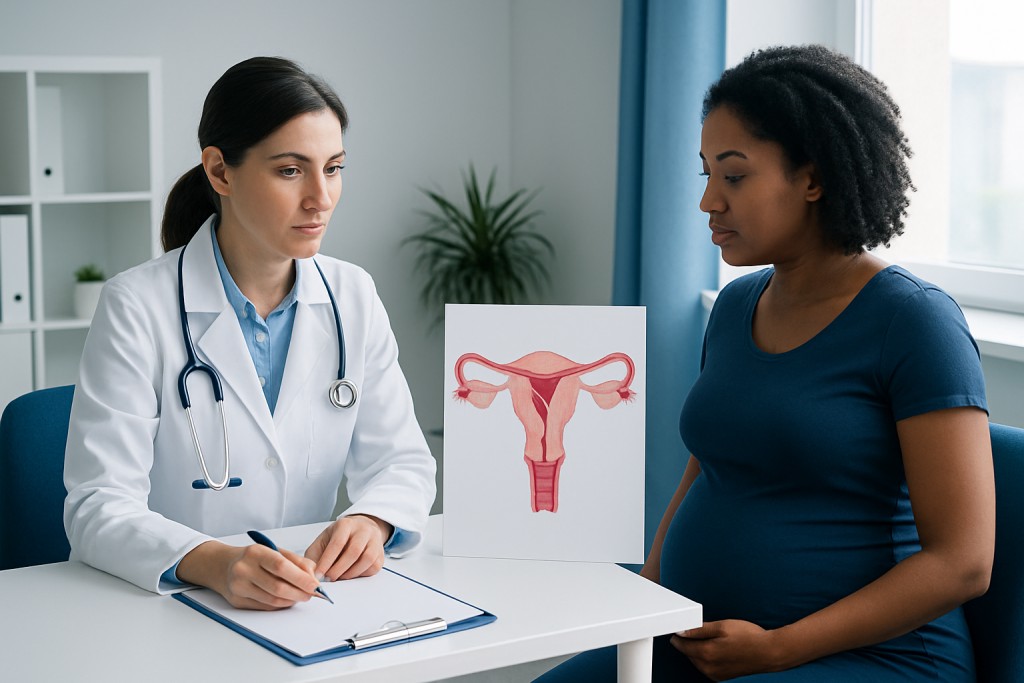
Uterine rupture is most often linked to a scar or weakness in the uterine wall. A previous cesarean birth is one of the best-known risk factors, but it does not mean rupture will happen. Many people with a scarred uterus deliver safely with careful obstetric oversight.
Other possible risk factors include previous surgery on the uterus, such as myomectomy, a prior uterine rupture, a very high number of previous births, labor induction or augmentation in selected circumstances, and rare uterine abnormalities. A long or difficult labor may also increase concern in some settings.
Risk is not determined by one factor alone. Doctors usually review the full obstetric history, the type of uterine incision if there was a prior cesarean, the spacing between pregnancies, and how labor is progressing before deciding on the safest plan.
For Myomectomy Recovery for International Patients: The Usual Travel Timeline" class="ahp-ilk">international patients, carrying records of prior surgeries and birth reports can be valuable. Even small details about earlier procedures may influence recommendations for labor monitoring and delivery timing.
Diagnosis
Uterine rupture is usually diagnosed based on the clinical situation, not by waiting for lengthy tests. In labor, the care team relies on symptoms, examination, and continuous fetal heart monitoring to spot signs that the uterus may have torn.
An ultrasound may be used in some cases, but it cannot always confirm the diagnosis quickly enough to delay treatment. If rupture is strongly suspected, the priority is emergency response rather than prolonged investigation.
Doctors assess the person’s blood pressure, pulse, pain level, bleeding, and the baby’s condition. If the suspicion is high, the next step is often an immediate cesarean delivery and surgical repair, sometimes even before every detail is fully confirmed.
Treatment Options
Treatment depends on the timing and severity of the rupture, but the main goal is urgent stabilization of the pregnant person and rapid delivery of the baby when the pregnancy is still ongoing. This often means emergency surgery.
During surgery, doctors may repair the tear in the uterus if the tissue is suitable and bleeding can be controlled. In some situations, more extensive surgery is required if the damage or bleeding is severe. Blood transfusion and intensive monitoring may also be needed.
The baby may need immediate newborn support, depending on how long the uterus was compromised. After surgery, the person is observed closely for bleeding, infection, pain control, and recovery of vital signs.
Future pregnancy advice is individualized. Some patients may be advised to avoid labor in later pregnancies, while others need a detailed review of the surgical findings before a new plan is made.
Prevention & Self-care
There is no way to prevent every uterine rupture, but risk can often be reduced through planning and close obstetric follow-up. The most useful step is to make sure the care team knows about every prior uterine surgery, including the type and date if available.
People with a previous cesarean or uterine operation may need a personalized discussion about delivery options, labor monitoring, and the safest place to give birth. In some cases, planned hospital delivery is recommended so that surgical support is available if needed.
Self-care also includes paying attention to symptoms during pregnancy and labor rather than trying to “wait it out.” If pain changes suddenly, bleeding starts, or labor feels different from expected, the safest approach is prompt assessment.
- Keep copies of prior operative and birth records
- Attend all prenatal visits
- Discuss all previous uterine procedures early in pregnancy
- Follow the delivery plan recommended by the obstetric team
- Seek urgent help if warning signs appear
When to See a Doctor
Any suspected uterine rupture needs emergency medical care. A person should seek immediate help if they are pregnant or in labor and develop sudden abdominal pain, heavy bleeding, fainting, or a rapid change in the baby’s movement or heartbeat.
Even if the symptoms turn out to have another cause, they should not be checked at home or delayed until the next appointment. In maternity care, time matters, and fast evaluation is the safest choice for both mother and baby.
After recovery from a uterine rupture, follow-up visits are important to review healing, emotional wellbeing, and future pregnancy plans. If care is being arranged from abroad, a multidisciplinary team and a clear follow-up pathway can make a significant difference; Acibadem Health Point’s specialists and JCI-accredited hospitals provide diagnosis and treatment for international patients.
Recovery and Future Pregnancy Planning
Recovery after uterine rupture depends on how much bleeding occurred, whether the uterus was repaired, and whether any additional procedures were needed. Some patients recover in the hospital over several days, while others need a longer period of observation and support.
Physical recovery usually includes wound care, pain control, monitoring for infection, and gradual return to normal activities. Emotional recovery is also important, because an emergency birth experience can be distressing even when the outcome is good.
Before a future pregnancy, many patients benefit from a preconception visit with an obstetric specialist. That review can clarify whether labor should be avoided, when delivery should be planned, and what level of monitoring will be safest in a later pregnancy.
Living With the Aftermath
Learning that a uterus rupture occurred can leave people with questions about long-term health, fertility, and future childbirth. Clear follow-up with a trusted gynecology or maternal-fetal medicine team helps turn those questions into a practical plan.
Some people may experience anxiety about future pregnancies or hospital birth. Supportive counseling, written medical records, and a detailed discussion of the previous surgery can help reduce uncertainty and make future care more predictable.
When there is time to plan, the focus shifts from crisis response to informed decision-making. That approach helps patients understand their options and feel more prepared for what comes next.
Frequently asked questions
01What is a uterus rupture in simple terms?
A uterus rupture is a tear in the wall of the uterus. It is uncommon but serious because it can endanger both the pregnant person and the baby, especially during labor. Emergency hospital care is usually needed.
02Who is more likely to have a uterine rupture?
The risk is higher in people who have had a previous cesarean birth or other uterine surgery. It can also be more likely in certain labor situations, which is why obstetric history matters so much in pregnancy planning.
03Can uterine rupture happen before labor starts?
Yes, although it is more common during labor. When it happens before labor, the symptoms may still be sudden pain, bleeding, or signs that need urgent assessment.
04Is a previous C-section always dangerous in pregnancy?
No. Many people with a previous cesarean have safe pregnancies and births. The important part is reviewing the type of scar, the overall pregnancy history, and the best delivery plan with a doctor.
05How is uterine rupture treated?
Treatment is usually emergency surgery, often with rapid delivery of the baby and repair of the uterus if possible. Blood transfusion and close monitoring may also be part of care depending on the situation.
06Can someone get pregnant again after a uterine rupture?
Sometimes yes, but the next pregnancy needs careful specialist guidance. Future plans depend on how the uterus healed, what surgery was needed, and the person’s individual risk profile.
This article is for general information only and is not a substitute for professional medical advice. Please consult a qualified doctor about your individual situation.
Joint and spine care in Turkey — expert assessment & treatment
JCI-accredited · board-certified surgeons · reply within 24h
Add us as a Preferred Source to see more of our trusted health content across Google Search, AI Overviews and Discover.



How can we help you today?
Meet an Acibadem specialist by secure video, before you travel.
Book a video visit