What Is a Foot Care Doctor Called?
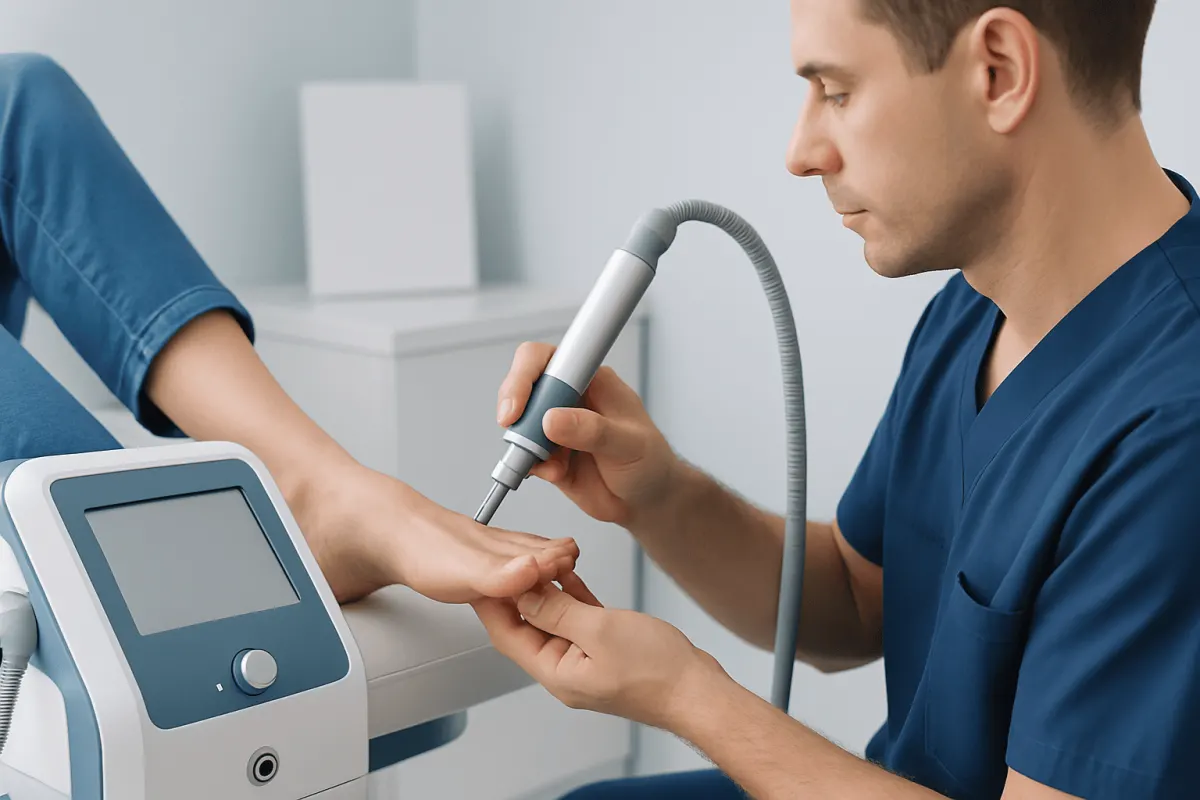
A foot care doctor is most commonly called a podiatrist, a clinician trained to diagnose and treat conditions affecting the feet and ankles. Depending on the concern, care may also involve an orthopedic foot and ankle surgeon, dermatologist, vascular specialist or diabetes team.
Overview: What Is a Foot Care Doctor Called?
A foot care doctor is usually called a podiatrist. Podiatrists diagnose, prevent and treat conditions of the feet and ankles, including pain, skin and nail concerns, sports injuries, deformities and complications related to diabetes. Their exact training and scope of practice can vary by country, so the most appropriate specialist depends on the local healthcare system and the person’s condition.
Some foot problems are treated by an orthopedic foot and ankle surgeon, particularly when they involve bones, joints, ligaments, tendons, severe trauma or reconstructive surgery. Other specialists may contribute when there is an underlying cause, such as a dermatologist for a persistent skin disorder, a vascular specialist for circulation problems, or an endocrinology team for diabetes-related foot risks.
Many foot symptoms improve with assessment, suitable footwear, activity adjustments and targeted treatment. A timely evaluation is important because the feet carry body weight, and untreated pain or wounds can affect mobility and, in some situations, overall health.
What Are the Typical Procedures Performed by a Foot Doctor?
Foot doctors provide both conservative and procedural care. The first goal is usually to identify the source of symptoms and use the least invasive effective approach. This may include footwear advice, padding or bracing, custom or prefabricated orthotics, stretching and strengthening plans, physical therapy referral, and medicines recommended by a qualified clinician.
Common in-office procedures include careful treatment of corns and calluses, management of ingrown toenails, drainage of certain blisters or collections of fluid when clinically appropriate, wound cleaning and dressing, and removal or sampling of abnormal skin or nail tissue for laboratory assessment. Some conditions may be treated with an injection, such as corticosteroid medication for selected inflammatory problems; this is not suitable for every diagnosis and should be individualized.
Foot doctors may also arrange or interpret diagnostic imaging, such as X-rays, ultrasound, MRI or CT scans. Examples of conditions that can require specialist assessment include diabetic foot problems, plantar fasciitis, Achilles tendon disorders, bunions, arthritis, stress fractures and nerve compression syndromes.
When non-surgical care is not enough, surgery may be considered for problems such as a severe bunion, painful hammertoe, persistent ingrown toenail, tendon tear, fracture, unstable joint or advanced arthritis. The procedure is chosen according to the diagnosis, foot structure, symptoms, health status and personal activity goals.
What Are the Steps Involved in a Foot Care Procedure?

The steps depend on whether the procedure is simple office care or an operation, but they usually begin with a focused assessment. The clinician asks about symptoms, injury history, footwear, work or sport demands, medical conditions and medicines. They examine the skin, nails, alignment, range of motion, sensation, pulses and walking pattern when relevant.
If testing is needed, it may include imaging, blood tests, wound cultures or vascular and nerve assessments. The clinician then explains the likely diagnosis, options, expected benefits, possible risks and alternatives. Shared decision-making is important, particularly if a procedure could change weight-bearing, work routines or footwear choices during recovery.
For many office procedures, the area is cleaned and local anesthesia may be used. Treatment is performed using sterile techniques, followed by a dressing and clear instructions on Infection Signs" class="ahp-ilk">wound care, activity, pain control and signs that need review. Follow-up may be needed to monitor healing or adjust treatment.
For surgery, preparation can include preoperative health checks, anesthesia planning and instructions about eating, medicines and transport home. After surgery, the care plan may involve a protective shoe, boot, cast, crutches or another mobility aid. Some people need rehabilitation or physical therapy and rehabilitation to restore strength, balance and safe movement.
What Is a Surgical Foot Doctor Called?
A surgical foot doctor may be a podiatric surgeon or an orthopedic foot and ankle surgeon. Both may perform foot surgery, but their professional training routes, credentials and permitted scope of practice vary between countries and healthcare systems. It is reasonable to ask a clinician about their specialist training and experience with the specific procedure being considered.
Orthopedic foot and ankle surgeons are orthopedic surgeons who have additional focused expertise in conditions affecting the foot and ankle. They often treat complex fractures, tendon and ligament injuries, arthritis, deformity, failed prior surgery and reconstructive needs. Podiatric surgeons may perform many forefoot and rearfoot procedures, including treatment for nail disorders, deformities and selected injuries, depending on local regulations.
The right referral is based on the problem rather than the title alone. A person with a simple ingrown toenail may need a minor procedure, while someone with severe deformity, a fracture, a deep infection, loss of sensation or poor circulation may need coordinated care from surgical and medical specialists.
Before elective surgery, patients should understand the expected recovery period, whether weight-bearing will be restricted, how long swelling may last, the need for follow-up visits and the realistic goals of treatment. Surgery can be valuable for selected conditions, but it is generally considered after a careful discussion of non-surgical choices and individual risks.
Recovery and Results After Foot Treatment
Recovery varies widely. After routine skin, nail or callus care, many people can return to usual activities quickly, although the treated area may need protection and monitoring. An ingrown toenail procedure may require regular dressing changes and temporary avoidance of activities that place pressure on the toe. Following any procedure, the clinician’s wound-care instructions should take priority over general advice.
After foot surgery, swelling and stiffness can last longer than expected because the foot is below heart level and is used for standing and walking. Resting with the foot elevated when advised, keeping dressings dry, using prescribed or recommended pain relief safely, and attending follow-up appointments can support healing. Smoking or nicotine use can impair healing and should be discussed with the care team.
Some operations permit early protected walking in a surgical shoe or boot; others require a period without weight-bearing. Returning to driving, work, exercise and regular shoes should be guided by the operating clinician. Attempting to progress too quickly can increase pain or compromise healing.
Results are best judged against the original treatment goal, such as less pain, a healed wound, improved ability to walk, correction of a deformity or safer footwear fit. It is important to contact the treating team for increasing pain, fever, worsening redness, drainage, numbness, blue or pale toes, a tight cast or dressing, or a wound that is not improving.
What Are 5 Symptoms Foot Doctors Say You Should Never Ignore?
Five symptoms that should not be ignored are: 1) a non-healing sore or ulcer; 2) sudden severe pain or inability to bear weight; 3) increasing redness, warmth, swelling or drainage; 4) new numbness, burning or weakness; and 5) a foot or toe that becomes pale, blue, cold or markedly discolored. These symptoms do not always indicate a serious condition, but they require professional assessment because they can be associated with infection, fracture, nerve injury or circulation problems.
A wound, blister or cut that does not heal is particularly important for people with diabetes, reduced sensation, kidney disease or known circulation disease. Reduced feeling can make injuries less noticeable, while reduced blood supply can slow healing. Regular checks and early assessment are central parts of diabetic foot care.
Persistent swelling, a new lump, pain that wakes a person from sleep, repeated ankle instability, or symptoms that fail to improve with reasonable self-care also warrant a clinical review. A foot doctor can determine whether imaging, offloading, rehabilitation, medication or referral to another specialty is needed.
Home measures such as comfortable shoes, avoiding high-impact activity for a short time after a minor strain, and not cutting into painful skin or nails may be helpful while arranging care. However, people should not attempt to drain a suspected infection or remove deeply embedded material themselves.
When to Seek Medical Care
Medical care should be sought promptly for a deep cut, puncture wound, suspected broken bone, spreading redness, pus, fever with a foot wound, severe pain after injury, or new changes in color or temperature of the foot. Urgent assessment is also appropriate for a wound that is black, foul-smelling or rapidly worsening, or for signs of severe infection such as confusion or feeling very unwell.
People with diabetes, peripheral neuropathy, peripheral artery disease, immune suppression or a previous foot ulcer should contact a healthcare professional early for any new wound, blister, nail injury or unexplained swelling. They should avoid walking barefoot and inspect both feet regularly, including the soles and spaces between toes.
For less urgent concerns, arrange an appointment if pain lasts more than a few weeks, footwear becomes difficult to tolerate, nail changes persist, or foot shape gradually changes. Early care may prevent symptoms from limiting daily activities and can help identify contributing issues such as joint disease, circulation changes or poorly fitting shoes.
Acıbadem Health Point’s multidisciplinary specialists and JCI-accredited hospitals assess and treat foot and ankle conditions for international patients, with referrals coordinated according to the person’s diagnosis and care needs.
Frequently asked questions
01What is the proper foot care doctor name?
The most common foot care doctor name is podiatrist. A podiatrist diagnoses and treats many conditions involving the feet and ankles, including pain, nail concerns, skin problems, deformities and some injuries. Depending on the condition and country, an orthopedic foot and ankle surgeon may also provide care.
02Do foot doctors treat ankle problems too?
Yes. Podiatrists and orthopedic foot and ankle specialists commonly assess ankle sprains, tendon disorders, arthritis, instability and fractures. The appropriate specialist depends on the severity and cause of the ankle problem.
03Do all foot problems need surgery?
No. Most foot concerns are initially managed without surgery, using measures such as supportive footwear, orthotics, activity modification, rehabilitation and treatment of the underlying condition. Surgery is considered when symptoms remain significant or when there is a structural problem, serious injury or complication that is unlikely to improve otherwise.
04How long does it take to recover from foot surgery?
Recovery depends on the operation, the area treated, overall health and whether weight-bearing is restricted. Minor procedures may heal in weeks, while bone, tendon or reconstructive surgery can require several months for fuller recovery. Swelling may persist for some time even as function improves.
05Should a person see a foot doctor for an ingrown toenail?
A foot doctor can assess recurrent, painful or infected ingrown toenails and recommend safe treatment. Urgent review is advisable if there is spreading redness, drainage, fever, severe pain, or if the person has diabetes, poor circulation or reduced sensation. Cutting deeply into the nail at home can worsen the problem.
06When should a person with diabetes see a foot doctor?
A person with diabetes should seek advice promptly for any new cut, blister, sore, redness, swelling, discoloration or change in sensation in the foot. Regular preventive foot assessments may also be recommended, especially when there is neuropathy, circulation disease or a history of ulcers. Early care can help prevent complications.
This article is for general information only and is not a substitute for professional medical advice. Please consult a qualified doctor about your individual situation.
Joint and spine care in Turkey — expert assessment & treatment
JCI-accredited · board-certified surgeons · reply within 24h
Add us as a Preferred Source to see more of our trusted health content across Google Search, AI Overviews and Discover.