Am I a Candidate for Rotator Cuff Surgery?

A person may be a candidate for rotator cuff surgery when a repairable tendon tear causes ongoing pain, weakness, loss of shoulder function, or limits daily activities despite suitable nonsurgical treatment. Eligibility depends on the tear, symptoms, overall health, activity goals, and ability to take part in rehabilitation after surgery.
Overview: Who May Be a Candidate?
Am I a candidate for rotator cuff surgery? A person may be a candidate when a rotator cuff tear is repairable and continues to cause meaningful pain, weakness, or loss of function despite appropriate nonsurgical care. Surgery may also be recommended sooner after a recent injury if there is a full-thickness tear, marked weakness, or a high risk that delaying repair could make the tendon harder to restore.
The rotator cuff is a group of muscles and tendons that helps lift, rotate, and stabilize the shoulder. Tears can develop gradually from age-related tendon changes and repeated overhead activity, or suddenly after a fall, lifting injury, or shoulder dislocation. Not all tears cause symptoms, and an imaging result alone does not determine whether an operation is needed.
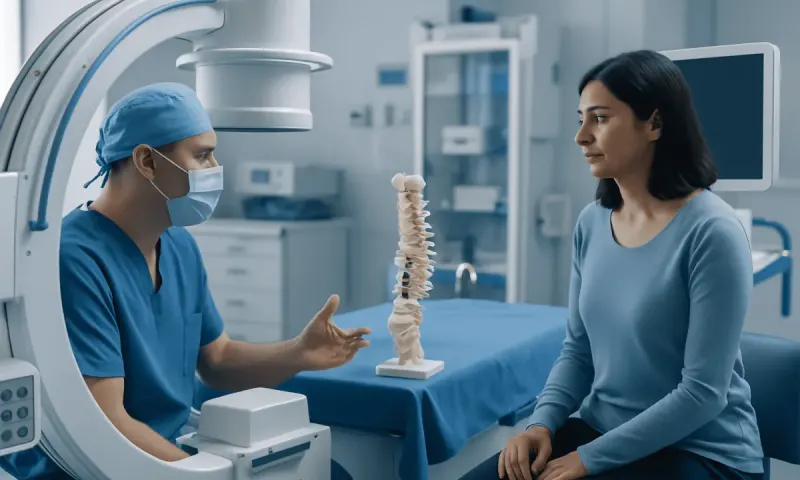
The decision is individualized. An orthopedic surgeon considers the person’s symptoms, shoulder demands, tear pattern, tendon and muscle quality, medical fitness for anesthesia, and willingness to follow a rehabilitation program. For a broader description of the procedure, rotator cuff surgery information can help patients understand the treatment pathway.
Symptoms and Tear Features That May Support Surgery
Persistent shoulder pain is a common reason to seek advice, particularly if it disrupts sleep, dressing, reaching, work, sports, or independent daily activities. Weakness when lifting the arm, reaching overhead, rotating the arm outward, or carrying objects can be more important than pain alone when assessing the impact of a tear.
Surgery may be considered when a person has tried an appropriate period of nonsurgical treatment without sufficient improvement. This commonly includes guided physiotherapy, temporary activity modification, and suitable pain-relief strategies discussed with a clinician. The aim is not simply to treat an image finding, but to improve symptoms and function that remain limiting.
Certain tear characteristics may make earlier surgical discussion more appropriate. These include an acute tear after injury, a full-thickness tear, a tear with significant loss of strength, or a tear that is becoming larger. However, a small or partial tear can still be important if it causes major disability, while some larger tears can be managed without surgery when symptoms are mild and function is acceptable.
- Ongoing pain affecting sleep or daily life
- Measurable weakness or inability to perform needed activities
- A recent traumatic tear, especially with sudden loss of function
- Symptoms that do not improve adequately with a well-planned conservative program
- Imaging suggesting a repairable tear with reasonable tendon and muscle quality
Eligibility Assessment and Preoperative Evaluation
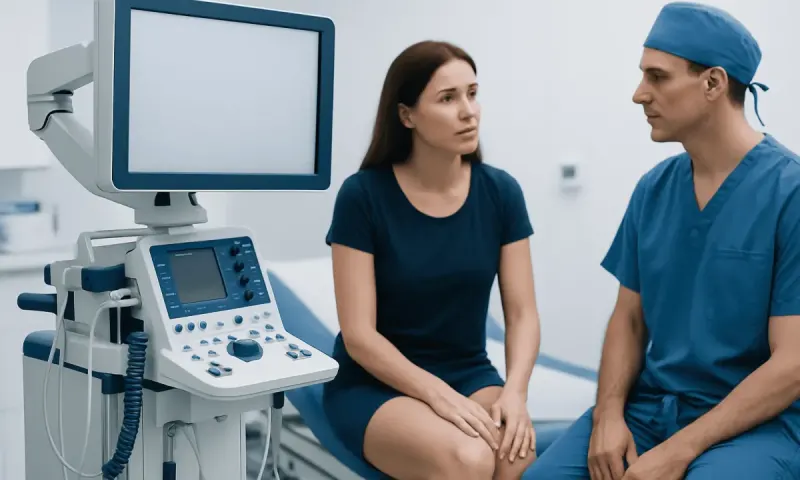
An orthopedic specialist begins by asking how symptoms started, what movements are difficult, and how the shoulder affects work, caregiving, recreation, and sleep. The examination checks range of motion, strength, tenderness, shoulder stability, and whether pain may be coming from the neck, arthritis, nerve conditions, or another cause.
Imaging helps clarify the diagnosis and plan treatment. X-rays can identify arthritis, bone spurs, or changes around the shoulder joint. Ultrasound or magnetic resonance imaging (MRI) can show the tendons, the size and location of a tear, tendon retraction, and changes in the rotator cuff muscles. These findings help estimate whether a repair is technically feasible and likely to heal.
Overall health is also part of candidacy. The care team reviews medications, smoking or nicotine use, diabetes control, heart or lung conditions, infection risk, and previous shoulder operations. These factors do not automatically rule out surgery, but they can affect surgical timing, anesthesia planning, wound healing, and the chance of a successful tendon repair.
People considering surgery should also think about practical readiness. The arm is usually protected in a sling initially, driving and work may be restricted, and regular rehabilitation is essential. A pre-assessment appointment is an opportunity to discuss personal goals, ask questions, and complete the necessary medical evaluation before deciding whether surgery is appropriate.
How Rotator Cuff Repair Works
Rotator cuff repair aims to reattach a torn tendon to its normal position on the upper arm bone. Most repairs are performed arthroscopically through small skin incisions using a camera and specialized instruments. In some cases, an open or mini-open approach is used, depending on the tear and the surgeon’s assessment.
During the operation, the surgeon examines the joint and surrounding tissues, removes inflamed or damaged tissue when needed, and prepares the bone where the tendon will be secured. Small anchors placed in the bone hold strong sutures, which are used to bring the tendon back to its attachment site. Additional procedures may be performed only when clinically indicated, such as treatment of the biceps tendon or removal of bone that contributes to tendon irritation.
The operation is usually performed under general anesthesia, often with a regional nerve block to support pain control after surgery. The exact technique, surgical duration, and expected restrictions vary according to the size and pattern of the tear, tissue quality, and any other shoulder problems present.
Repair may not be suitable for every chronic or massive tear. If a tendon is severely retracted or the muscle has advanced fatty change, it may not be possible to restore it fully. In these situations, a specialist may discuss continued nonsurgical care or other reconstructive options tailored to the person’s symptoms and shoulder anatomy.
What Happens Before, During, and After the Procedure
Before surgery, patients usually have a review of their health history, current medicines, allergies, and anesthesia needs. The surgeon explains the intended repair, alternatives, expected recovery, and possible complications. Patients may be asked to pause or adjust certain medicines under medical guidance and to arrange assistance at home for the first days after surgery.
On the day of the procedure, the surgical team confirms the planned shoulder and completes safety checks. After anesthesia, the shoulder is positioned carefully, the repair is performed, and small incisions are closed and covered. Many people can return home the same day, while others may need observation depending on their health and the complexity of surgery.
Afterward, the shoulder is generally supported in a sling or immobilizer to protect the repair. Pain management may include prescribed medicines, ice, and instructions for sleeping and gentle hand, wrist, and elbow movement. Follow-up visits allow the team to check wound healing, review pain and mobility, and progress rehabilitation safely.
Clear communication with the surgical team is important. New severe pain, fever, increasing redness or drainage from the wound, breathing difficulties, chest pain, or sudden swelling in an arm or leg should be assessed promptly rather than managed at home.
Recovery Timeline, Rehabilitation, Benefits and Risks
Recovery is gradual because the repaired tendon needs time to heal into the bone. In the early phase, usually the first several weeks, the priority is protecting the repair while maintaining safe movement in nearby joints. Physiotherapy often begins with guided passive motion, meaning the therapist or the unaffected arm helps move the shoulder without actively contracting the repaired muscles.
As healing progresses, exercises are advanced to active movement and later strengthening. The timing differs between individuals and may be slower for larger tears or more complex repairs. Many people return to lighter daily tasks over the first months, but heavy lifting, repetitive overhead work, and sports usually require a longer, clinician-guided return. Improvement may continue for many months.
Potential benefits include reduced pain, improved strength, better sleep, and a greater ability to use the arm for daily life, work, or recreation. Results depend on factors such as the original tear, muscle and tendon quality, age, health conditions, smoking status, rehabilitation participation, and avoiding activities that overload the healing repair too early.
Possible risks include pain, stiffness or frozen shoulder, bleeding, infection, blood clots, nerve or blood vessel injury, anesthesia-related complications, and failure of the tendon to heal or a recurrent tear. These complications are not inevitable, but they are important to discuss. A surgeon can explain the personal balance of likely benefits and risks after reviewing the individual shoulder and health profile.
When to Seek Medical Care
Medical assessment is advisable for shoulder pain that persists, interferes with sleep or normal activities, or is accompanied by weakness. A timely review is particularly important after an injury followed by sudden inability to lift the arm, a noticeable loss of strength, deformity, significant swelling, or a sensation that the shoulder has dislocated.
Urgent medical care is needed for severe pain after major trauma, an obviously deformed shoulder, new numbness or a cold or pale hand, chest pain, breathing difficulty, or signs of infection such as fever with worsening redness and drainage after an injection or operation. These symptoms may have causes beyond a rotator cuff tear and should not be delayed.
For patients exploring whether repair is appropriate, Acıbadem Health Point’s multidisciplinary orthopedic specialists at JCI-accredited hospitals can assess rotator cuff injuries and discuss treatment options for international patients. An orthopedic pre-assessment form or consultation can help organize imaging, medical history, activity needs, and questions about surgical eligibility.
Frequently asked questions
01Does every rotator cuff tear need surgery?
No. Many rotator cuff tears can be managed without surgery, especially when pain is manageable and shoulder function is satisfactory. Physiotherapy, activity adjustments, and clinician-guided pain management may improve symptoms. Surgery is considered when symptoms, weakness, or functional limitations remain significant or when the tear pattern makes early repair advisable.
02Can I be a candidate for surgery if I am older?
Age alone does not decide eligibility. The surgeon considers general health, activity goals, the tear’s repairability, tendon and muscle quality, and the person’s ability to participate in rehabilitation. Some older adults benefit from repair, while others may be better served by nonsurgical treatment or another procedure.
03How is a rotator cuff tear diagnosed before surgery?
Diagnosis combines a medical history, physical examination, and imaging. X-rays may assess bones and arthritis, while ultrasound or MRI can show the tendons and describe the tear. Imaging findings are interpreted alongside symptoms because some tears do not cause substantial problems.
04How long does it take to recover from rotator cuff surgery?
Recovery varies with the size of the tear and the type of repair. The shoulder is commonly protected in a sling for an initial period, followed by progressive physiotherapy. Many people need several months before returning to demanding activities, and strength and function can continue improving over a longer period.
05What can make rotator cuff surgery less likely to succeed?
Very large or chronic tears, tendon retraction, poor muscle quality, smoking or nicotine use, poorly controlled medical conditions, and difficulty following rehabilitation can affect healing. These factors do not always prevent surgery, but they may change the expected result or the recommended treatment plan. A surgeon can discuss ways to reduce modifiable risks.
06What questions should I ask at a rotator cuff surgery consultation?
Useful questions include whether the tear is repairable, what nonsurgical options remain, what technique is proposed, and what recovery restrictions are expected. It is also reasonable to ask about likely benefits, relevant risks, rehabilitation requirements, return-to-work expectations, and how personal health conditions may affect healing.
This article is for general information only and is not a substitute for professional medical advice. Please consult a qualified doctor about your individual situation.
Joint and spine care in Turkey — expert assessment & treatment
JCI-accredited · board-certified surgeons · reply within 24h
Add us as a Preferred Source to see more of our trusted health content across Google Search, AI Overviews and Discover.