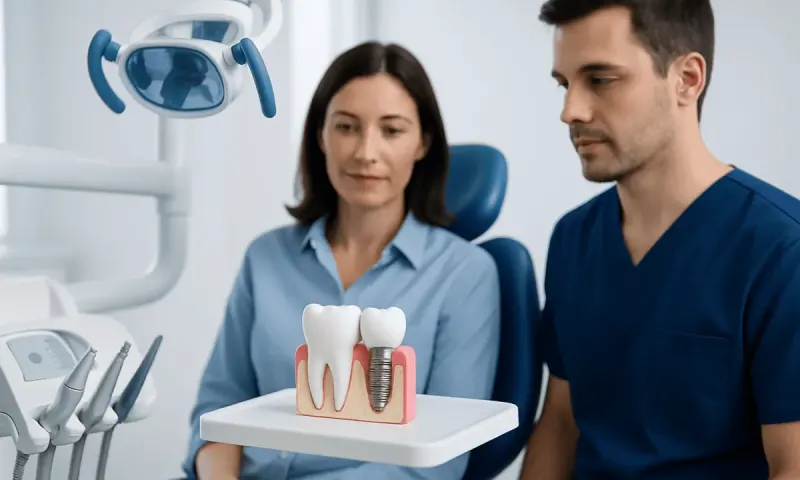
What Is a Dental Crown Made Of? Comparing Ceramic, Zirconia, and Metal Options
Dental crown materials vary in strength, appearance, durability, and how much tooth preparation they need. Ceramic, zirconia, metal, and porcelain-fused-to-metal crowns each have advantages, and the best choice depends on the tooth, bite forces, cosmetic goals, and budget.
Overview of Dental Crown Materials
A dental crown is a custom-made cap that covers a damaged, weakened, heavily filled, or root canal-treated tooth. Its purpose is to restore the tooth’s shape, strength, and function while also improving appearance. Crowns may also be used to support other dental work, such as after root canal treatment or as part of broader restorative care.
Several materials are used to make crowns. The most common are all-ceramic, zirconia, metal alloys, and porcelain fused to metal. Each material behaves differently in the mouth. Some are valued for a lifelike appearance, while others are preferred for durability, resistance to wear, or long-term performance under heavy chewing pressure.
There is no single “best” crown material for every person. Dentists choose a material by looking at the tooth’s position, how much natural tooth remains, bite strength, whether a person grinds their teeth, and the desired cosmetic result. A crown on a front tooth may call for different properties than a crown on a molar.
Modern dentistry also uses digital tools to improve fit and planning. In some cases, digital dentistry can help design crowns with more precise bite and contour, which may improve comfort and long-term function.
Ceramic Crowns: Natural-Looking and Metal-Free
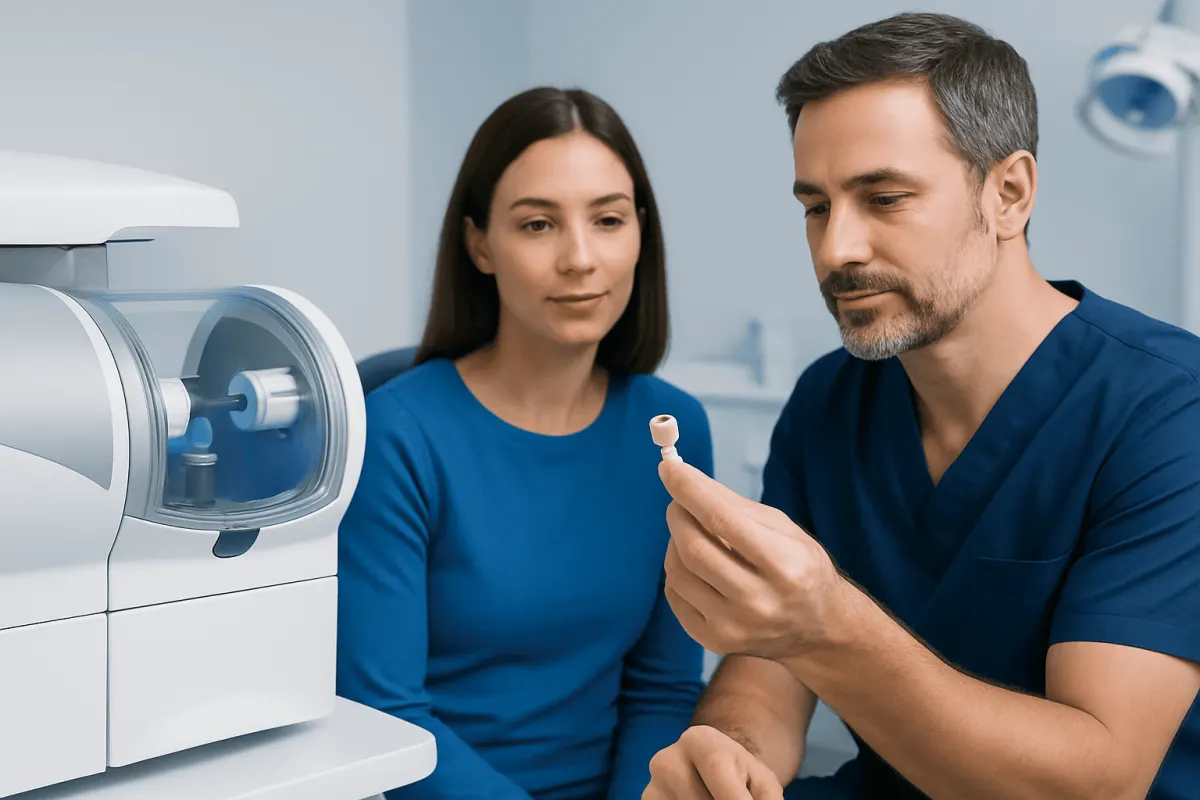
All-ceramic crowns are made from tooth-colored dental ceramics and are often chosen for their natural appearance. They can closely match the translucency, color, and light reflection of natural enamel, which makes them especially suitable for front teeth and other visible areas of the smile.
One of the main benefits of ceramic crowns is aesthetics. Because they do not contain metal, there is no dark line at the gum margin, and they are often a good option for people with metal sensitivities. Ceramic materials can also be shaped and shaded carefully, which may be helpful in cosmetic treatment planning alongside cosmetic dentistry.
However, ceramic crowns are not ideal in every situation. Depending on the specific ceramic used, they may be more prone to chipping than stronger materials if placed in areas with very heavy bite forces. They may also require careful handling in people who clench or grind. The dentist may recommend a night guard if tooth grinding is a concern.
Today, several types of ceramics are available, and their strength can differ. Some are designed mainly for beauty, while others offer a balance between appearance and durability. A dentist helps select the most suitable ceramic based on the location of the tooth and the patient’s bite.
Zirconia Crowns: Strong and Versatile
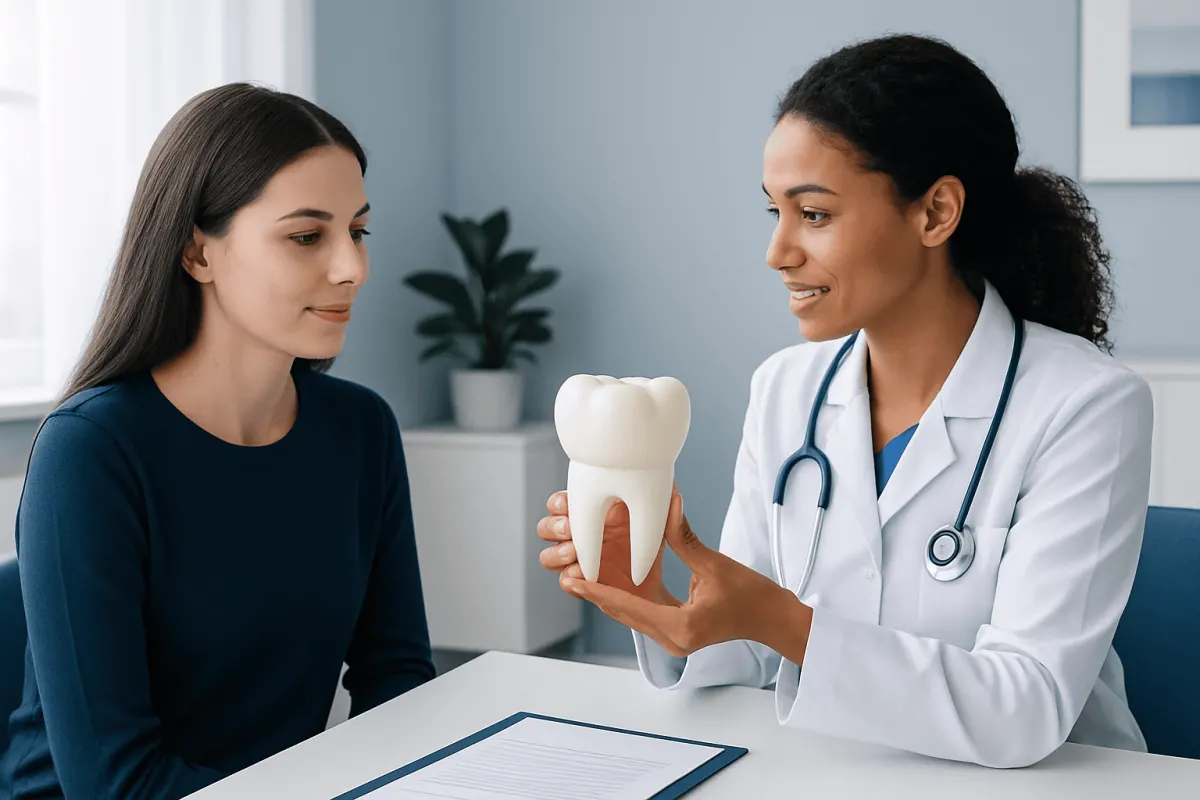
Zirconia crowns are made from a very strong ceramic material called zirconium dioxide. They have become increasingly popular because they combine metal-free construction with excellent durability. Zirconia is often used for molars and premolars, where chewing forces are greater, but it can also be used in visible areas depending on the type of zirconia and the desired esthetic outcome.
The main advantage of zirconia is strength. It tends to resist fracture well and can be a good option for people who bite hard or have habits such as teeth grinding. Some zirconia crowns also require less tooth reduction than certain other crown types, which may help preserve more natural tooth structure in selected cases.
Earlier zirconia crowns were sometimes considered more opaque than other ceramics. Newer formulations are often more translucent and more natural-looking, but appearance can still vary. For a front tooth where perfect blending is essential, the dentist may compare zirconia with other ceramic choices before making a recommendation.
Zirconia can be a practical middle ground for many patients: stronger than some cosmetic ceramics and more natural-looking than metal. Even so, the final decision depends on factors such as bite alignment, available space, gum position, and whether the crown will be seen when speaking or smiling.
Metal and Porcelain-Fused-to-Metal Crowns
Metal crowns are usually made from dental alloys that may include gold-colored or silver-colored metals. These crowns have been used for many years and are known for their strength, long service life, and ability to withstand chewing forces. They are often considered particularly reliable for back teeth that are not easily visible.
A major benefit of metal crowns is that they are less likely to chip or break than more brittle materials. They also tend to wear slowly and often require less removal of natural tooth structure. For patients who prioritize function and durability over appearance, a metal crown can still be an excellent choice.
The main drawback is cosmetic appearance. Because the crown looks metallic, it is usually not preferred for front teeth or areas visible during smiling. In some people, there may also be sensitivity or concern about specific metal components, although dental alloys are selected with biocompatibility in mind.
Porcelain-fused-to-metal crowns, often called PFM crowns, combine a metal base for strength with a tooth-colored porcelain outer layer. They can provide a balance between appearance and durability. However, the porcelain layer may chip over time, and a dark line at the gum margin can sometimes become visible, especially if the gums recede.
How Dentists Choose the Best Crown Material
Choosing among dental crown materials starts with the location of the tooth. Front teeth usually demand the best color match and lifelike appearance, while back teeth often need greater resistance to chewing pressure. This is why ceramic may be favored for front teeth, while zirconia or metal may be considered for molars in certain cases.
The patient’s bite is another important factor. People who clench or grind place extra force on crowns, and that can influence material selection. The amount of healthy tooth left also matters. If a tooth is heavily damaged, the crown must not only look acceptable but also protect the remaining structure and function reliably.
Cosmetic priorities, gum line visibility, and budget also play a role. Some materials are more expensive because of laboratory techniques or esthetic customization. In addition, the dentist may discuss whether a crown is the best restoration or whether another option, such as dental fillings or a different type of restoration, could be suitable for a smaller defect.
Patients benefit most from an individualized discussion rather than choosing based on material names alone. Shade matching, bite design, edge fit, and oral habits can influence the result just as much as the material itself. A well-planned and well-made crown in the right material usually performs better than a poorly chosen one, regardless of brand or type.
How Long Crown Materials Last and How to Care for Them
Dental crowns can last many years, but longevity depends on both the material and daily habits. In general, zirconia and metal crowns are known for excellent durability, while ceramic crowns may offer superior aesthetics. Porcelain-fused-to-metal crowns can also last well, but the porcelain surface may be more vulnerable to chipping in some situations.
No crown material is completely maintenance-free. Crowns cannot decay themselves, but the natural tooth underneath can still develop decay at the margin where the crown meets the tooth. Gum disease, plaque buildup, and poor oral hygiene can also shorten the life of a crown by affecting the supporting tissues around it.
Good care includes twice-daily brushing with fluoride toothpaste, daily cleaning between the teeth, and regular dental checkups. Many dentists also recommend professional cleaning and monitoring through dental hygiene visits to help keep the crown and surrounding gum tissue healthy.
People with clenching or grinding may need a custom night guard to protect the crown and nearby teeth. Avoiding habits such as chewing ice, biting pens, or opening packages with the teeth can also reduce the chance of crown damage. If a crown feels loose, high when biting, or sensitive, it should be checked promptly.
The Crown Procedure and What to Expect
Getting a dental crown usually involves assessment, tooth preparation, impressions or digital scanning, and placement of the final crown. The dentist removes a small amount of tooth structure to create space for the material, then records the tooth’s shape so a custom crown can be made. A temporary crown may be used until the permanent one is ready.
The amount of tooth reduction can vary depending on the crown material. Some materials need more thickness to achieve strength or aesthetics, while others may work with less reduction. The dentist will also check the bite, contour, and contact points to make sure the crown feels natural and functions well.
When the permanent crown is placed, the dentist checks color, fit, gum response, and how the upper and lower teeth meet. Mild sensitivity for a short time can occur, especially after tooth preparation, but persistent pain, pressure, or difficulty chewing should be evaluated.
At centers offering comprehensive dental crown treatment, planning may involve restorative dentists, endodontists, and cosmetic dentistry specialists. Near the end of the care journey, patients who travel for treatment may also wish to know that Acıbadem Health Point’s multidisciplinary specialists and JCI-accredited hospitals diagnose and treat dental conditions for international patients.
When to Ask a Dentist About Crown Materials
It is helpful to ask about crown material options whenever a dentist recommends a crown for a broken tooth, large filling, severe wear, or after root canal treatment. Patients should feel comfortable discussing the pros and cons of ceramic, zirconia, metal, and porcelain-fused-to-metal in relation to their own mouth rather than in general terms alone.
Important questions include how visible the tooth is, how strong the bite is in that area, how much healthy tooth remains, and whether grinding is present. A person with front tooth concerns may prioritize shade and translucency, while someone restoring a back molar may place more value on strength and longevity.
Professional advice is also important if there is recurrent sensitivity, a cracked tooth, or an old crown that feels loose or worn. These symptoms do not always mean the crown needs replacing, but they do deserve examination. Early assessment may help prevent more complex treatment later.
Anyone unsure about the right restoration can seek a second opinion from a qualified dentist or prosthodontic specialist. The most suitable crown material is the one that safely supports the tooth, matches the patient’s priorities, and can be maintained well over time.
Frequently asked questions
01What is the best material for a dental crown?
There is no single best material for every dental crown. Ceramic may be best for natural appearance, zirconia for strength and versatility, and metal for long-term durability in less visible teeth. The best option depends on tooth location, bite force, cosmetic goals, and the dentist’s assessment.
02Are zirconia crowns better than ceramic crowns?
Zirconia crowns are often stronger than many traditional ceramic crowns, which makes them useful for back teeth and heavy biting forces. Ceramic crowns may still offer a more lifelike appearance in some front-tooth situations. Neither is universally better; each has advantages in different clinical settings.
03How long do dental crowns usually last?
Dental crowns often last many years when they fit well and are cared for properly. Their lifespan depends on the material, oral hygiene, bite habits, and whether the person grinds their teeth. Regular dental checkups help detect early problems before they affect the crown or the tooth underneath.
04Do metal crowns last longer than tooth-colored crowns?
Metal crowns are known for excellent durability and resistance to chipping, so they can perform very well over time. However, modern zirconia and other well-made tooth-colored crowns can also last a long time. Longevity depends not just on material, but also on crown design, bite, and oral care.
05Can a person be allergic to crown materials?
Some people may have sensitivities or concerns related to certain metals used in dental alloys, although this is not common. Metal-free options such as ceramic or zirconia may be considered if there is a known allergy history. Patients should tell their dentist about any previous reactions to metals or dental materials.
06Is a ceramic crown strong enough for a molar?
In some cases, yes, but it depends on the specific ceramic material and the patient’s bite forces. For molars, dentists often consider stronger materials such as zirconia if the tooth experiences heavy chewing pressure. The final choice should be based on a clinical examination and treatment planning.
This article is for general information only and is not a substitute for professional medical advice. Please consult a qualified doctor about your individual situation.
Explore treatments in Turkey — costs, top hospitals & a free quote
JCI-accredited · board-certified surgeons · reply within 24h
Add us as a Preferred Source to see more of our trusted health content across Google Search, AI Overviews and Discover.