What Happens During a Dental Exam?
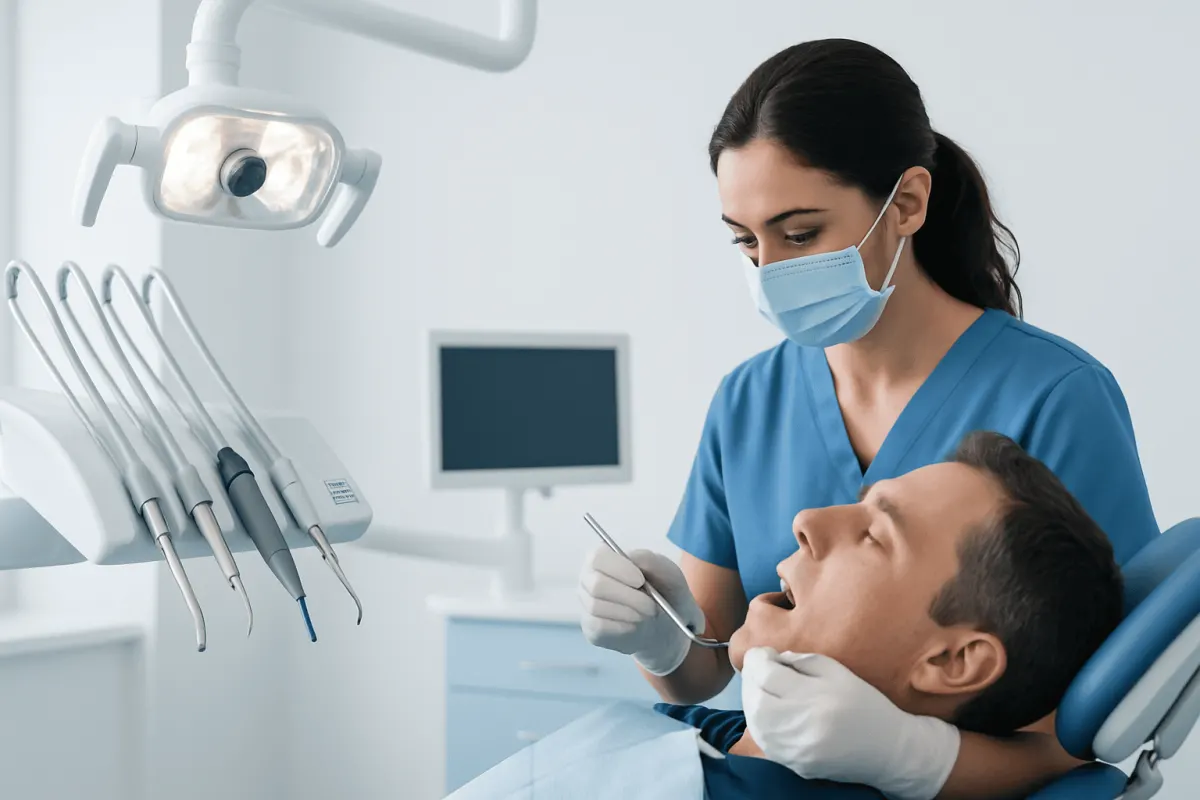
A dental exam is a routine assessment of the teeth, gums, bite and tissues of the mouth. It helps a dental professional detect cavities, gum disease, oral cancer signs and other concerns early, often before they cause pain.
What Is a Dental Exam?
A dental exam, sometimes called a dental checkup or oral health examination, is a preventive visit with a dentist or another qualified dental professional. It involves looking closely at the teeth, gums, bite, jaw and soft tissues inside the mouth. The purpose is to assess current oral health, identify early changes and discuss practical ways to reduce future problems.
Many dental conditions develop gradually and may not cause noticeable symptoms at first. Tooth decay can begin in areas that are difficult to see or clean, while gum disease may progress with little discomfort. A regular dental exam can help find these concerns while care may be simpler and more conservative.
The appointment may also include a professional cleaning, although an exam and a cleaning are not exactly the same service. A hygienist or dentist may remove hardened plaque, called tartar or calculus, and polish the teeth. The dentist then reviews findings, explains any recommendations and answers questions about oral hygiene or treatment.
What Happens During a Dental Checkup?
A dental visit commonly begins with an update of the patient’s medical and dental history. It is useful to mention new diagnoses, medicines, allergies, pregnancy, dry mouth, smoking or vaping, and changes in symptoms. Some medical conditions and medications can affect gum health, saliva production, infection risk or the planning of dental procedures.
During the examination, the dentist checks each tooth for signs of decay, cracks, wear, loose restorations and sensitivity-related concerns. The gums are assessed for redness, swelling, bleeding, recession and periodontal pockets, which are spaces that can form between the gums and teeth when gum disease is present.
The dentist also examines the tongue, cheeks, lips, palate, throat area and floor of the mouth. This oral soft-tissue examination can identify irritation, infections or unusual patches and lumps that may need monitoring or further assessment. The jaw joints, chewing muscles and bite may be evaluated when a person has jaw pain, tooth grinding, headaches or difficulty opening the mouth.
- Review of medical history and oral health concerns
- Visual examination of teeth, gums and existing fillings, crowns or implants
- Assessment of bite, jaw function and signs of tooth wear
- Oral cancer screening through examination of mouth tissues
- Professional cleaning when appropriate
- Discussion of prevention, follow-up and any recommended treatment
Why Dental Exams Are Important

Regular dental exams support prevention and early diagnosis. They can reveal tooth decay before it reaches the inner tooth tissue, when pain or infection may develop. Early identification may allow the dentist to recommend improved home care, fluoride-based prevention or a small restoration rather than more extensive treatment.
Exams are also important for identifying gum disease. Gingivitis is an early form of gum inflammation that can often improve with effective plaque control and professional care. Untreated periodontal disease can damage the tissues and bone that support the teeth, potentially leading to tooth mobility or tooth loss.
Oral health is closely connected with day-to-day comfort and function. Problems with teeth or gums can affect eating, speaking, sleep, confidence and quality of life. A dentist can also identify signs of clenching or grinding, dry mouth, poorly fitting dental appliances and other factors that may increase the risk of damage.
Dental professionals do not diagnose every health condition through an oral examination, but changes in the mouth can sometimes be associated with nutritional issues, infections, immune conditions or medication effects. Any concerning finding is assessed in context, and the dentist may advise a medical evaluation where appropriate.
Dental X-Rays and Other Tests
Dental X-rays, also called radiographs, provide information that cannot always be seen during a visual exam. They may help identify decay between teeth, infections near tooth roots, bone changes associated with gum disease, impacted teeth, cysts or concerns beneath existing restorations. They may also assist with planning treatment.
Not every patient needs X-rays at every appointment. The dentist decides whether imaging is appropriate based on the person’s age, symptoms, oral health history, risk of decay, previous images and clinical findings. Children, adults with frequent cavities, people with gum disease and those with new symptoms may have different imaging needs.
Modern dental imaging uses low radiation doses, and dental teams follow radiation safety principles to use the lowest exposure reasonably needed for diagnosis. Patients should tell the dental team if they are pregnant or might be pregnant, although necessary dental care can often still be planned safely with appropriate precautions.
Additional tests are used only when indicated. For example, gum measurements may be recorded to monitor periodontal health, and photographs or digital scans may document tooth wear, bite changes or areas requiring observation. A biopsy or specialist referral may be considered if an unusual mouth lesion does not resolve or has concerning features.
How Often Should Someone Have a Dental Exam?
There is no single schedule that fits everyone. Many people benefit from routine dental examinations at intervals recommended by their dentist, often based on the likelihood of developing cavities, gum disease or other oral health concerns. A person with stable oral health may need fewer visits than someone with active disease or higher risk.
More frequent monitoring may be advised for people with gum disease, repeated tooth decay, dry mouth, diabetes, tobacco use, pregnancy-related gum changes, orthodontic appliances, dental implants or a history of extensive dental treatment. Children also need individualized recall schedules as their teeth and jaws develop and their cavity risk changes.
It is best not to wait for pain before arranging a checkup. Pain may indicate that a problem has progressed, though painless issues can also require attention. If a person has not seen a dentist for some time, booking an exam is a positive first step; the dental team can assess needs without judgement and help create a manageable plan.
Preparing for a Dental Exam and Caring for Oral Health
Before the appointment, patients can write down questions, symptoms and changes they have noticed, such as bleeding gums, sensitivity, bad breath, jaw clicking or a sore area in the mouth. Bringing a current medication list and information about medical conditions can help the dentist provide safer, more coordinated care.
Routine home care remains the foundation of oral health. Most people are advised to brush twice daily with fluoride toothpaste, using a soft-bristled toothbrush and a gentle technique. Cleaning between teeth once daily with floss, interdental brushes or another suitable device helps remove plaque from areas a toothbrush may not reach.
Limiting frequent sugary foods and drinks, drinking water regularly and avoiding tobacco products can reduce the risk of tooth decay, gum disease and oral cancer. For people with dry mouth, a dentist or physician can review possible causes and suggest strategies to protect teeth. Dentures, retainers, mouthguards and other appliances should also be cleaned and checked regularly.
Professional recommendations should be personalized. A dentist may suggest fluoride treatments, sealants, a night guard for grinding, periodontal care or restorative treatment depending on the examination results. Asking why a recommendation is made, what alternatives exist and what to expect can support informed decisions.
When to See a Dentist Sooner
A routine exam is valuable, but some symptoms should prompt an earlier dental appointment. These include persistent toothache, facial or gum swelling, a broken tooth, a loose tooth, bleeding that does not improve, pus near a tooth or gum, trouble chewing, or pain in the jaw. Prompt assessment can help identify the cause and prevent complications.
A mouth ulcer, white or red patch, lump, numb area, hoarseness or difficulty swallowing that lasts longer than about two weeks should be evaluated by a dentist or doctor. Most mouth changes are not serious, but persistent changes deserve professional assessment, particularly for people who use tobacco or drink alcohol heavily.
Urgent medical or dental care is needed for severe swelling, difficulty breathing or swallowing, uncontrolled bleeding, major facial injury, or signs of a spreading infection such as fever with facial swelling. These symptoms should not be managed only with home remedies.
Acıbadem Health Point’s multidisciplinary specialists and JCI-accredited hospitals provide dental assessment and treatment planning for international patients when more comprehensive care is needed. A qualified dentist can recommend the most appropriate next step after an individual examination.
Frequently asked questions
01Is a dental exam painful?
A routine dental exam is usually not painful. The dentist may gently probe the gums or test sensitive teeth, which can feel briefly uncomfortable for some people. Patients should tell the dental team about anxiety, pain or sensitivity so the examination can be adapted.
02What is the difference between a dental exam and a cleaning?
A dental exam is an assessment of oral health, usually performed by a dentist. A cleaning removes plaque and hardened tartar from teeth and may be provided by a dental hygienist or dentist. Many routine visits include both, but the exact services depend on the patient’s needs.
03Do adults need dental X-rays every year?
Not necessarily. The need for dental X-rays depends on an individual’s risk factors, symptoms, history and findings from the examination. A dentist should recommend imaging only when it is likely to provide useful diagnostic information.
04Can gum disease be present without pain?
Yes. Gum disease may cause bleeding during brushing, swelling, bad breath or gum recession, but it can also progress with few noticeable symptoms. This is one reason regular dental examinations and gum assessments are important.
05Should a person see a dentist if their gums bleed when brushing?
Bleeding gums are commonly linked with inflammation caused by plaque buildup, although other factors can contribute. Improving cleaning habits may help, but persistent or frequent bleeding should be checked by a dentist. The dentist can assess for gingivitis, periodontal disease and other possible causes.
06How should someone prepare for their first dental exam in years?
They can simply book an appointment and share any concerns openly with the dental team. It helps to bring medication details, medical history information and a list of symptoms or questions. The dentist can explain findings clearly and work with the patient to prioritize care.
This article is for general information only and is not a substitute for professional medical advice. Please consult a qualified doctor about your individual situation.
Oncology care in Turkey — second opinion and treatment plan
JCI-accredited · board-certified surgeons · reply within 24h
Add us as a Preferred Source to see more of our trusted health content across Google Search, AI Overviews and Discover.