What Foods Are Best After Gallbladder Removal?
The best foods to eat after gallbladder removal are small, lower-fat meals built around lean protein, gentle carbohydrates, cooked vegetables and fruit. Most people can gradually return to a varied diet, while learning which richer foods or portion sizes trigger digestive symptoms.
Overview: the best foods after gallbladder removal
What are the best foods to eat after gallbladder removal? In the first days and weeks, the most suitable choices are usually small, lower-fat meals containing lean protein, easy-to-digest carbohydrates, cooked vegetables and fruit. Examples include porridge, toast, rice, potatoes, broth-based soups, skinless chicken, fish, eggs prepared with little added fat, low-fat yogurt, bananas and stewed fruit.
The gallbladder stores bile, a fluid made by the liver that helps digest dietary fat. After surgery, called cholecystectomy, bile still reaches the intestine but flows more continuously rather than being released in a concentrated amount with a meal. This change is generally manageable, but large or very fatty meals can temporarily lead to loose stools, urgency, bloating, wind or indigestion.
There is no single permanent diet for everyone after surgery. Recovery guidance may differ slightly between surgical teams, including advice about what are the best foods to eat after gallbladder surgery in Australia or elsewhere, but the central principle is consistent: begin gently, eat slowly and increase variety as symptoms settle. A surgeon or dietitian can give advice tailored to the person’s operation, medical history and nutritional needs.
A practical eating plan for the first weeks
Immediately after surgery, fluids and light foods may be easiest, particularly if nausea is present from anesthesia or pain medicines. What are the best foods to eat right after gallbladder surgery often depends on the discharge plan, but clear fluids, water, tea, broth, crackers, toast, plain rice, applesauce and simple soups are common starting choices. People should follow the instructions provided by their surgical team, especially if they have another digestive condition.
As appetite returns, what are good foods to eat after gallbladder removal include smaller portions of low-fat protein and starch. Useful meal ideas include oatmeal with banana, toast with a poached egg, baked potato with cottage cheese, rice with grilled fish and cooked carrots, or a vegetable-and-lentil soup prepared without a large amount of oil or cream.
What are the best soft foods to eat after gallbladder surgery? Soft options can include porridge, mashed potatoes, scrambled or poached eggs, plain yogurt, blended soups, ripe banana, stewed apple, well-cooked vegetables and tender fish. These foods are not medically required for every person, but they may feel more comfortable while appetite and bowel habits are returning to normal.
- Eat four to six smaller meals rather than one or two large meals.
- Choose baked, grilled, steamed, poached or air-cooked foods instead of fried foods.
- Introduce foods one at a time when possible, so personal triggers are easier to identify.
- Drink enough water, especially if loose stools occur.
Can you eat bananas if you don't have a gallbladder?
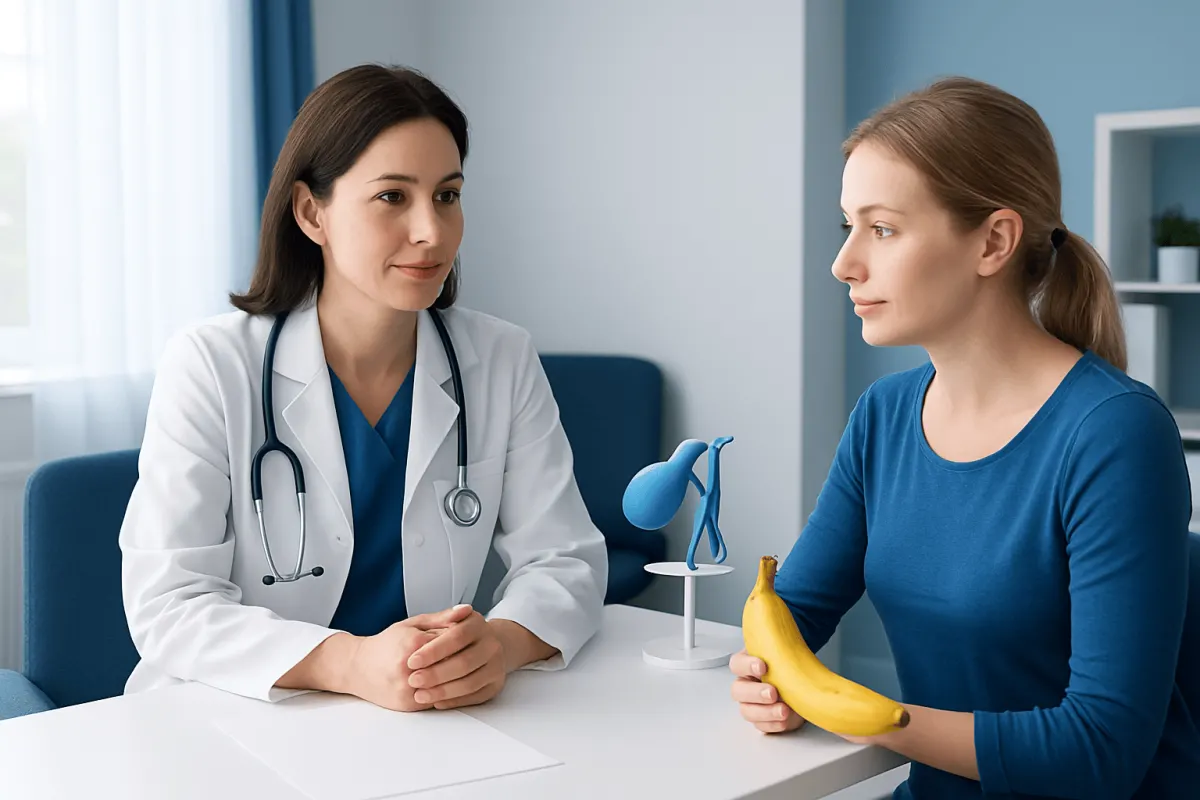
Yes. Most people can eat bananas if they do not have a gallbladder. Bananas are naturally very low in fat, are soft when ripe and provide carbohydrate, potassium and some soluble fiber, which may be easier to tolerate than high-fat snack foods during early recovery.
Bananas can be eaten alone or added to oatmeal, low-fat yogurt or a smoothie made without high-fat ingredients. They are often included among the best fruits to eat after gallbladder surgery, alongside applesauce or peeled, stewed apples, melon, berries and ripe pears. Individual tolerance still matters: a person who develops bloating or diarrhea after any food should reduce the portion and try it again later.
Fruit contains fiber, and a rapid increase in fiber can cause gas or abdominal discomfort in some people. It is sensible to start with modest servings and increase gradually. Choosing cooked, peeled or ripe fruit can be a comfortable first step if raw fruit feels difficult to digest.
What nutrient is hard to digest without a gallbladder?
Fat is the nutrient most likely to be harder to digest after gallbladder removal, particularly when it is eaten in a large amount at one time. The liver continues to make bile, so the body can still digest and absorb fat. However, without the gallbladder’s storage function, a very rich meal may overwhelm the available bile in the intestine and cause cramping, bloating, nausea or diarrhea.
This does not mean that all fat must be avoided long term. The body needs dietary fat for energy, cell function and absorption of vitamins A, D, E and K. Instead, it is usually helpful to use smaller quantities of unsaturated fats, such as olive oil, avocado, nuts, seeds and oily fish, and to introduce them slowly after surgery.
Fiber deserves attention too. Soluble fiber, found in oats, barley, bananas, beans, apples and some vegetables, may help some people manage loose stools. In contrast, suddenly eating large quantities of bran, beans, raw vegetables or whole grains may increase gas. Gradual changes are usually better tolerated than an abrupt switch to a very high-fiber diet.
What foods should you avoid if you have no gallbladder?
There is rarely a universal list of forbidden foods after gallbladder removal. During recovery, however, it is sensible to limit foods that are high in fat, heavily fried, very spicy or eaten in large portions, particularly if they repeatedly cause symptoms. The aim is comfort and adequate nutrition, not unnecessary long-term restriction.
Foods that commonly trigger symptoms include fried chicken, chips, fatty cuts of meat, sausages, bacon, full-fat cheese, cream sauces, pastries, butter-heavy dishes, pizza with extra cheese or processed meats, fast food and rich desserts. Alcohol, strong coffee and very sugary foods may also aggravate diarrhea or indigestion for some people, especially soon after surgery.
Reading labels can help identify hidden fats in packaged foods. A food diary is often more useful than avoiding broad food groups indefinitely: note the food, portion size, timing and symptoms. If ongoing digestive symptoms are troublesome, a clinician can assess whether they relate to diet, medication, bile acid diarrhea or another condition. People undergoing gallbladder surgery should also ask their surgical team about the expected recovery diet and activity plan.
Can I ever eat pizza again after gallbladder removal?
Yes, many people can eat pizza again after gallbladder removal once they have recovered and their digestion has settled. Pizza can be high in fat because of cheese, processed meats and oily toppings, so it is best reintroduced gradually rather than being one of the first meals after surgery.
A practical approach is to begin with a small portion of a thinner-crust pizza with vegetable toppings, modest cheese and a lean protein if desired. Avoiding extra cheese, pepperoni, sausage, creamy dips and a very large serving may reduce the chance of symptoms. Eating slowly and pairing it with a salad or cooked vegetables may also help with portion control.
If pizza repeatedly causes urgent diarrhea, pain or marked bloating, it may be better to wait longer before trying it again or choose a lighter version. Tolerance often improves over time, but persistent reactions deserve discussion with a healthcare professional rather than simply accepting ongoing discomfort.
Building balanced meals for long-term health
After the initial recovery period, most people can work toward a balanced pattern of eating rather than a highly restrictive gallbladder-free diet. What are the best meals to eat after gallbladder surgery in the longer term? A helpful plate may include a lean protein, a high-fiber carbohydrate that is tolerated well, vegetables or fruit, and a small amount of healthy fat.
Examples include grilled chicken with brown rice and roasted vegetables, lentil soup with whole-grain bread, baked fish with potatoes and green beans, or a bean-and-vegetable bowl with a small drizzle of olive oil. People who find beans or whole grains uncomfortable should start with smaller portions and increase them gradually. Adequate protein supports healing, while regular meals can reduce the tendency to overeat at one sitting.
Weight loss diets, fasting patterns and major dietary changes should be discussed with a clinician when recovery is recent or when there are other health concerns, such as diabetes, Ulcerative Colitis, and Flares" class="ahp-ilk">inflammatory bowel disease or pancreatic disease. Acıbadem Health Point’s multidisciplinary specialists and JCI-accredited hospitals support international patients requiring assessment and treatment for gallbladder-related concerns.
When to seek medical care
Mild bloating, temporary diarrhea and a reduced appetite can occur after gallbladder removal and often improve as the body adjusts. However, a person should contact their surgeon or doctor if digestive symptoms are persistent, worsening or preventing normal eating and drinking. Medical assessment can identify treatable causes and help prevent dehydration or nutritional problems.
Urgent medical advice is important for severe or increasing abdominal pain, fever, repeated vomiting, yellowing of the skin or eyes, dark urine, pale stools, swelling or redness around an incision, pus-like drainage, chest pain, shortness of breath or fainting. These symptoms do not always indicate a serious complication, but they should not be managed through diet alone.
People who continue to have frequent watery stools after recovery may benefit from clinical evaluation. A doctor may review diet, medicines and possible bile acid-related diarrhea, and may recommend appropriate tests or treatment. Follow-up is also important if symptoms similar to prior gallbladder pain return.
Frequently asked questions
01How long should a low-fat diet be followed after gallbladder removal?
The exact timeframe varies between people and surgical teams. Many people use a lower-fat approach for the first few weeks, then gradually reintroduce a wider range of foods as symptoms improve. If fatty foods still cause diarrhea or pain, it is sensible to reduce portions and seek advice from a clinician or dietitian.
02Can I eat eggs after gallbladder removal?
Yes, eggs are often well tolerated, particularly when poached, boiled or scrambled with little added butter or oil. Egg yolks contain fat, so starting with a modest portion may be more comfortable during early recovery. Tolerance differs, and the cooking method can make a significant difference.
03Is diarrhea normal after gallbladder surgery?
Temporary loose stools can happen after gallbladder surgery because bile enters the intestine more continuously. Smaller meals, lower-fat choices and gradual fiber intake may help. Diarrhea that is severe, persistent, associated with dehydration or accompanied by fever or pain should be assessed by a doctor.
04Can I drink coffee without a gallbladder?
Some people can drink coffee without problems, while others find that caffeine worsens urgency, diarrhea or indigestion after surgery. It may be helpful to wait until early recovery has progressed, begin with a small amount and avoid adding high-fat cream. Decaffeinated coffee may be an alternative for people who are sensitive to caffeine.
05Do I need digestive enzymes after gallbladder removal?
Most people do not need digestive enzyme supplements after gallbladder removal because the liver continues to produce bile and the pancreas produces digestive enzymes. Persistent symptoms should be evaluated rather than self-treated with supplements. A clinician can determine whether another digestive condition or a bile acid-related problem is present.
06Can I eat normally after my gallbladder is removed?
Most people can eventually eat a broad, normal diet after gallbladder removal. They may need to moderate very fatty meals and identify personal triggers, especially in the weeks after surgery. A balanced diet with regular meals, fiber introduced gradually and moderate portions of healthy fats is a practical long-term goal.
This article is for general information only and is not a substitute for professional medical advice. Please consult a qualified doctor about your individual situation.
Persistent digestive symptoms? Get evaluated in Turkey
JCI-accredited · board-certified surgeons · reply within 24h
Add us as a Preferred Source to see more of our trusted health content across Google Search, AI Overviews and Discover.