What Foods Are Best After Colon Surgery?

The best foods to eat after colon surgery are usually easy-to-digest liquids and soft, lower-fiber foods introduced gradually, followed by a balanced diet as bowel function recovers. Individual advice varies according to the operation, reason for surgery, presence of a stoma, symptoms, and the surgeon’s instructions.
Overview: what are the best foods to eat after colon surgery?
What are the best foods to eat after colon surgery? In the first days, the most suitable choices are typically clear fluids followed by soft, low-fiber foods that are gentle on the healing bowel. As appetite and bowel movements return, most people can gradually add a wider range of nutritious foods under guidance from their surgical team.
Colon surgery may involve removing, reconnecting, or repairing part of the large bowel. It may be performed for cancer, diverticular disease, Ulcerative Colitis, and Flares" class="ahp-ilk">inflammatory bowel disease, bowel obstruction, injury, or other conditions. Recovery eating plans differ depending on the type and extent of surgery, whether the bowel was reconnected, and whether a temporary or permanent stoma was created.
The central goal is not a restrictive diet forever. It is to provide fluids, energy, and protein while avoiding foods that may be difficult to tolerate during early healing. The surgeon, nurse, and dietitian should always take priority over general advice, particularly for people with diabetes, kidney disease, swallowing problems, malnutrition, or a stoma.
Why eating changes after a colon operation
During abdominal surgery, the bowel is handled and temporarily slowed by anesthesia, pain medicines, inflammation, and the operation itself. This short-term reduction in bowel activity can cause bloating, nausea, gas, constipation, or loose stools. The care team usually waits for signs that the digestive tract is working again, such as passing gas, bowel sounds, or tolerance of fluids, before advancing the diet.
After a colon resection, the remaining bowel also needs time to adjust to changes in length and function. Some people notice more frequent stools or urgency at first, especially after surgery involving the lower colon or rectum. Others may have constipation due to reduced activity, opioid pain medicine, dehydration, or changes in eating.
For these reasons, what are the best foods to eat after bowel surgery depends on the recovery stage rather than one fixed food list. A gradual approach helps the person identify foods that are comfortable and maintain adequate nutrition without overwhelming the digestive system.
A practical food progression after colon surgery
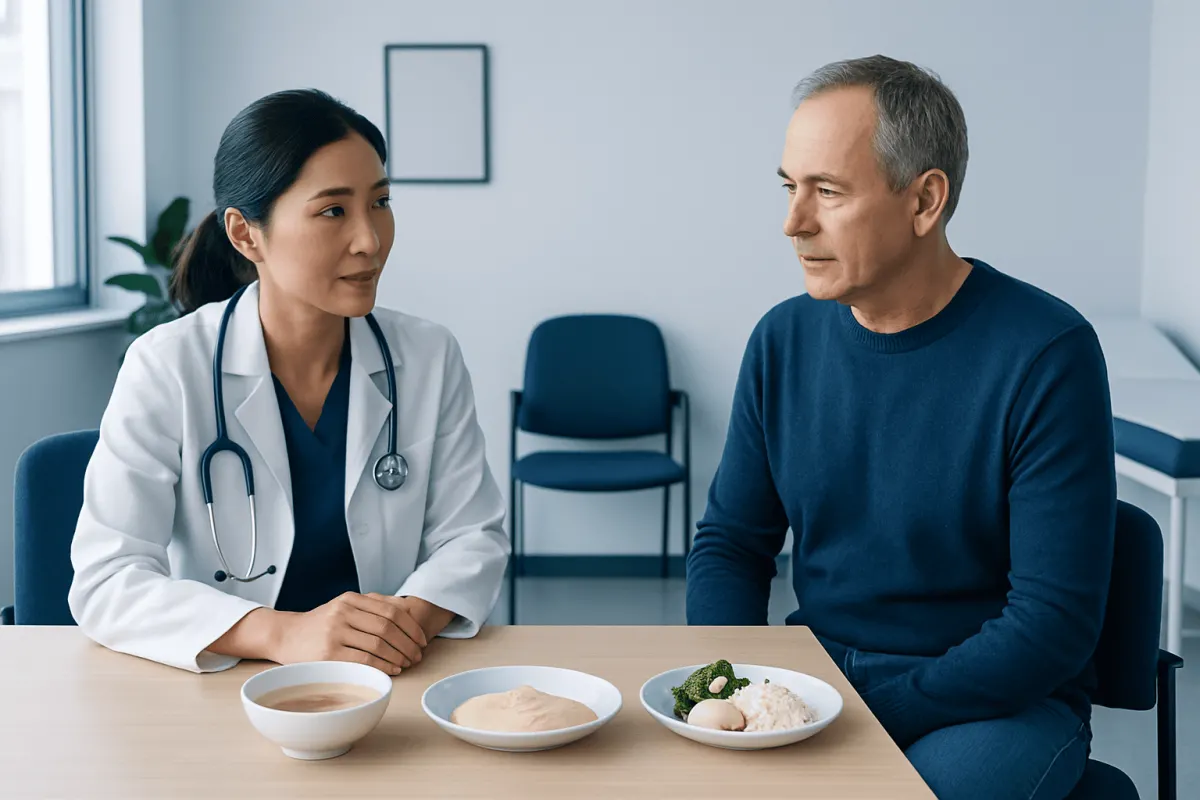
In hospital, the diet is often advanced in stages. The timing is individualized: some people can begin oral intake early after surgery, while others need longer depending on symptoms and clinical findings. Clear liquids may include water, broth, weak tea, oral rehydration drinks, clear juices without pulp, and gelatin. These are usually followed by full liquids or soft foods if tolerated.
Good foods to eat after colon surgery during the early soft-food stage often include white toast, plain crackers, rice, pasta, mashed or boiled potatoes without skins, oatmeal or refined cereal, eggs, yogurt if tolerated, tender chicken or fish, smooth soups, and well-cooked vegetables without skins or seeds. Protein foods are important because healing requires protein; options may include eggs, fish, poultry, tofu, yogurt, or smooth nut butter when approved.
When choosing what fruits to eat after colon surgery, low-fiber options are often easier at first. Examples can include ripe banana, applesauce, canned peaches or pears in juice, and melon without seeds. Raw fruit skins, dried fruit, berries with many seeds, and large amounts of fruit juice may be introduced later if they trigger cramping, gas, or loose stools.
- Eat small portions every few hours rather than large meals.
- Chew thoroughly and eat slowly.
- Drink fluids regularly, taking small sips if nausea is present.
- Add only one or two new foods at a time to identify individual triggers.
- Keep a simple food and symptom record if bowel habits are unpredictable.
These principles also apply when considering what are the best foods to eat after bowel obstruction surgery, although the surgeon may recommend a more prolonged low-fiber plan in some cases. People should not advance their diet after obstruction surgery without personalized advice.
How to heal faster after colon surgery?
Healing is supported by steady nutrition, hydration, safe movement, rest, and following the postoperative plan. There is no single food that speeds healing on its own. Instead, regular small meals containing protein and enough calories help the body repair tissue, maintain muscle, and regain strength.
Protein-rich foods that are often well tolerated include eggs, yogurt, cottage cheese, soft fish, tender poultry, tofu, and smooth soups enriched with protein when recommended. If appetite is poor, a clinician or dietitian may suggest nutrition drinks. Adequate fluid intake is equally important, especially with frequent loose stools or an ileostomy, because dehydration can develop more easily.
Short, regular walks are commonly encouraged once the surgical team says they are safe. Gentle activity can support circulation, lung function, bowel movement, and confidence during recovery. Pain control also matters: unmanaged pain may make it harder to breathe deeply, move, sleep, and eat. Medicines should be taken exactly as prescribed, and the team should be told if nausea, constipation, or diarrhea is difficult to manage.
Smoking and alcohol can interfere with recovery and medication safety. Avoiding them during healing, attending follow-up appointments, and seeking dietitian advice when weight loss or poor intake occurs are practical steps toward a smoother recovery.
What not to do after colon resection?
After colon resection, people should not rush back to a normal diet simply because they feel hungry. High-fiber foods such as raw salads, vegetable skins, whole grains, bran, nuts, seeds, popcorn, and legumes can be difficult to digest early on. The surgical team will explain when and how to reintroduce them; many people do so gradually over the following weeks.
It is also sensible to avoid large meals, carbonated drinks, chewing gum, and foods known to cause gas if bloating is troublesome. Fried or high-fat meals, strongly spicy foods, caffeine, alcohol, and very sweet drinks may worsen diarrhea, cramping, reflux, or nausea in some people. Lactose-containing foods may temporarily cause symptoms after surgery, even in people who previously tolerated them.
Recovery includes more than food choices. Patients should avoid heavy lifting, strenuous exercise, driving while taking sedating pain medicine, and returning to work before their surgeon considers it safe. They should not ignore worsening symptoms or make major medication changes, including laxatives or anti-diarrheal medicines, without consulting the clinical team.
How long after colon surgery can you eat normally?
Many people can move beyond liquids and soft foods within days after an uncomplicated operation, but eating normally may take several weeks. The exact timeline depends on the procedure, the reason for surgery, preoperative nutritional status, complications, bowel symptoms, and the person’s ability to tolerate different foods.
A low-fiber or low-residue approach is sometimes recommended for a few weeks after discharge, particularly following a bowel resection or surgery for obstruction. Once the bowel has adapted, fiber-rich foods are often reintroduced slowly because they support long-term digestive and cardiovascular health. However, people with a stoma, ongoing narrowing, active bowel disease, or recurrent obstruction risk may require more individualized restrictions.
Warning signs that food advancement may be too fast include increasing bloating, severe cramps, repeated vomiting, watery diarrhea, or inability to tolerate fluids. Rather than stopping all food independently, the person should contact the surgical team for advice. A dietitian can create a tailored plan for weight maintenance, symptom control, and gradual return to preferred foods.
Is pasta good after bowel surgery?
Plain pasta is often a suitable early food after bowel surgery because it is soft, low in fiber, and generally easy to digest. It may be especially useful after clear liquids have been tolerated and the person is ready for more substantial foods. White pasta is usually chosen before whole-wheat pasta because whole-wheat varieties contain more fiber.
Portion size and preparation matter. A small serving with a mild sauce, a little olive oil, or a tolerated protein such as soft chicken, fish, egg, or tofu may be easier than a large pasta meal with rich cream sauce, spicy seasoning, large amounts of cheese, or high-fiber vegetables. Each person should assess how they feel afterward.
As recovery progresses, pasta can become part of a varied pattern that includes adequate protein, cooked vegetables, fruit, and eventually whole grains if tolerated. For people asking what are the best foods to eat after a colon resection, pasta can be one practical option, but it should be part of a staged eating plan rather than the only food eaten.
When to seek medical care
It is important to contact the surgical team promptly for repeated vomiting, inability to keep down liquids, increasing abdominal swelling, severe or worsening abdominal pain, fever, chills, or a wound that becomes increasingly red, swollen, painful, or drains pus. These symptoms do not always indicate a serious problem, but they need timely assessment after abdominal surgery.
Urgent medical care is appropriate for fainting, confusion, severe weakness, signs of dehydration such as very little urine or dizziness, chest pain, shortness of breath, or heavy rectal bleeding. The person should also seek advice if they cannot pass gas or stool with worsening pain and bloating, particularly if surgery was performed for obstruction.
Acıbadem Health Point’s multidisciplinary specialists and JCI-accredited hospitals provide assessment and treatment for international patients recovering from colorectal surgery. Follow-up care should be coordinated with the operating surgeon and local healthcare professionals when travel or ongoing support is needed.
Frequently asked questions
01What are the best foods to eat after colon resection surgery?
Early choices are usually clear liquids, then soft, low-fiber foods such as rice, white pasta, potatoes without skins, eggs, yogurt if tolerated, tender fish or chicken, and cooked vegetables without skins or seeds. The best plan depends on the operation and symptoms, so the surgeon’s discharge instructions should guide food progression.
02What are good foods to eat after colon surgery if diarrhea occurs?
Small meals, regular fluids, and gentle foods such as white rice, bananas, applesauce, toast, potatoes, and lean protein may be easier to tolerate. Greasy foods, alcohol, caffeine, very sweet drinks, and high-fiber foods can worsen diarrhea for some people. Persistent diarrhea, dizziness, or reduced urine output should be discussed with the care team.
03Can a person eat fruit after colon surgery?
Yes, but soft or canned fruit without skins and seeds is often introduced first. Ripe bananas, applesauce, melon, and canned peaches or pears may be better tolerated than raw apples, berries, dried fruit, or fruit with tough skins early in recovery. Fruit can be expanded gradually as symptoms settle.
04Should fiber be avoided after colon surgery?
A temporary low-fiber diet is commonly used after some colon operations, especially when the bowel needs time to heal or adjust. Fiber is not necessarily harmful long term, and it is often reintroduced gradually once approved by the surgeon or dietitian. The timing varies based on the surgery and individual bowel function.
05Can a person drink coffee after bowel surgery?
Coffee may stimulate the bowel and can contribute to urgency, cramps, reflux, or diarrhea in some people after surgery. It is usually best to wait until liquids and soft foods are tolerated, then discuss reintroducing small amounts with the care team. Decaffeinated drinks may be easier for some people.
06What if appetite is low after colon surgery?
Low appetite is common during early recovery. Small, frequent meals and snacks with protein are often more manageable than three large meals, and nutrition drinks may help when recommended by a clinician. Ongoing poor intake, weight loss, vomiting, or difficulty swallowing should be assessed by the surgical team or dietitian.
This article is for general information only and is not a substitute for professional medical advice. Please consult a qualified doctor about your individual situation.
Persistent digestive symptoms? Get evaluated in Turkey
JCI-accredited · board-certified surgeons · reply within 24h
Add us as a Preferred Source to see more of our trusted health content across Google Search, AI Overviews and Discover.