Best Country for Hernia Surgery: Key Safety Factors
The best country for hernia surgery is not defined by location alone. A safe choice depends on the hospital’s accreditation, the surgeon’s hernia experience, access to modern anesthesia and imaging, transparent communication, and a realistic plan for recovery and follow-up after travel.
Overview: choosing the best country for hernia surgery
The best country for hernia surgery is the one where a patient can receive appropriate assessment, evidence-based repair, safe anesthesia, and reliable follow-up from a qualified surgical team. Rather than selecting a destination based on reputation alone, patients should compare hospital accreditation, the surgeon’s experience with their specific hernia, infection-prevention practices, language support, and arrangements for care after returning home.
A hernia occurs when tissue, often part of the intestine or fatty tissue, pushes through a weak area in muscle or connective tissue. Common types include inguinal hernias in the groin, umbilical hernias near the navel, incisional hernias at a previous surgical scar, and hiatal hernias affecting the upper stomach. This article focuses mainly on abdominal-wall hernias, which are commonly treated with surgery.
Not every hernia needs immediate repair. A surgeon may recommend monitoring selected small, minimally symptomatic hernias, while others benefit from planned surgery to improve discomfort, daily function, or the risk of complications. A full evaluation should clarify the diagnosis and help a person understand the most suitable timing and technique for repair.
Which countries are the best for hernia surgery?
No country can be called the best for hernia surgery for every patient. Countries with well-regulated healthcare systems, recognized hospital accreditation pathways, specialist surgical training, and established perioperative safety standards can be reasonable options. However, the quality of an individual hospital and surgeon is more important than a country label.
For someone comparing the best country to get hernia surgery, useful indicators include whether the hospital is accredited by a recognized international or national body, whether it has experienced general and minimally invasive surgeons, and whether it can provide imaging, anesthesiology, intensive care, and emergency services if needed. Patients should also ask how infections, blood clots, and unexpected findings are managed.
Travel distance matters. Long flights and limited mobility can increase discomfort and may contribute to blood-clot risk after an operation. Before choosing the best country to have a surgery, patients should discuss travel timing with the treating surgeon, ensure medical records can be shared with their local doctor, and confirm who will provide follow-up if a wound concern or other problem develops at home.
- Verify hospital and surgeon credentials independently.
- Ask whether the surgeon regularly treats the same hernia type.
- Request a written care plan, including expected recovery and follow-up.
- Check the availability of interpretation services and access to records in English or another preferred language.
- Ensure travel insurance and medical documentation meet the destination’s requirements.
How hernia surgery works and who may be a candidate

Hernia repair returns the protruding tissue to its usual position and strengthens the weak area in the abdominal wall. Depending on the hernia, the repair may use stitches alone or a surgical mesh. Mesh is commonly used in many adult abdominal-wall repairs because it can reinforce the tissue and reduce recurrence in appropriate situations, but the choice should be individualized.
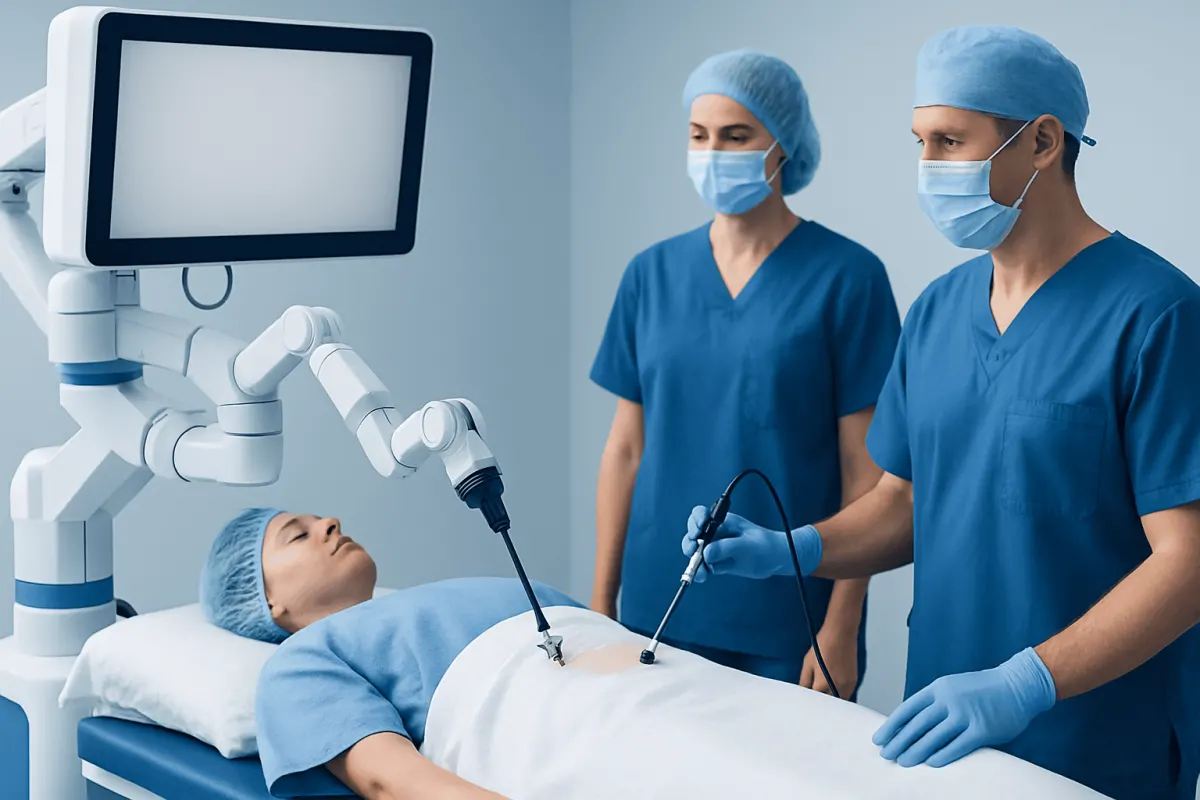
Repair may be performed through an open incision, laparoscopically through several small incisions, or with robotic assistance in selected centers. During minimally invasive repair, a camera and specialized instruments are used to view and repair the hernia from inside the abdominal wall. Robotic technology may improve instrument movement for certain complex repairs, but it is not automatically better for every person or hernia.
Candidates for surgery may include people with pain, enlarging bulges, limitations in work or exercise, recurrent hernias, or hernias at risk of trapping tissue. The surgeon considers the hernia’s location and size, previous abdominal operations, weight, smoking status, diabetes control, heart and lung health, medicines that affect bleeding, and personal goals. A careful consultation is especially important for complex incisional or recurrent hernias.
Patients can learn more about assessment and repair approaches through hernia surgery.
Which hernia surgery is safest?
The safest hernia surgery is the approach that best matches the patient’s hernia and overall health when performed by an appropriately trained surgeon in a properly equipped setting. There is no universally safest method. Open repair is often effective and may be suitable for smaller or straightforward hernias, while laparoscopic or robotic repair can be useful for some groin, recurrent, bilateral, or abdominal-wall hernias.
Safety is influenced by more than incision size. Important factors include correct diagnosis, anesthesia assessment, surgical expertise, sterile technique, thoughtful mesh selection when indicated, prevention of blood clots, and clear postoperative instructions. A surgeon should explain why a particular method is recommended and discuss reasonable alternatives.
Most operations are planned procedures, but an emergency repair may be needed if a hernia becomes incarcerated or strangulated. Incarceration means the contents cannot be pushed back into place; strangulation means blood supply may be compromised. Emergency surgery can carry greater risk than planned surgery, which is one reason persistent or worsening symptoms should be assessed promptly.
Step by step: what happens before, during, and after repair
Before surgery, the clinical team reviews symptoms, medical history, medications, allergies, and previous operations. Examination is often sufficient to identify a groin or abdominal-wall hernia, although ultrasound, CT, or other imaging may be used when the diagnosis is unclear or the hernia is complex. Patients may be advised to stop smoking, optimize blood sugar, manage constipation or cough, and discuss blood-thinning medicines well in advance.
On the day of surgery, anesthesia is selected according to the procedure and patient needs. The surgeon makes one incision for open repair or several small incisions for minimally invasive repair, returns the hernia contents to the correct position, and closes or reinforces the weakness. The operation length varies with the type of hernia, whether it has recurred, and whether other repairs are needed.
Afterward, the care team monitors pain, nausea, breathing, urination, mobility, and wound condition. Many uncomplicated repairs are day procedures, while larger incisional or complex repairs may require a longer hospital stay. Before discharge, patients should receive written instructions about wound care, activity, medicines, diet, driving, follow-up, and symptoms that require urgent attention.
Benefits, risks, failure rates, and recovery timeline
Potential benefits of repair include relief of a visible bulge or discomfort, improved ability to move and exercise, and reduced concern about a hernia becoming trapped. The result depends on the hernia type, the patient’s health, surgical technique, and healing. Surgery does not remove every possible cause of abdominal-wall weakness, so healthy recovery habits remain important.
Like all surgery, hernia repair has risks. These may include bruising, swelling, fluid collection, bleeding, wound infection, urinary difficulty, ongoing discomfort, numbness, injury to nearby structures, anesthesia-related problems, blood clots, and hernia recurrence. The likelihood of each issue varies; a surgeon can give context based on the individual procedure and health history.
What percentage of hernia surgeries fail? “Failure” usually refers to recurrence, meaning the hernia returns after repair. Recurrence rates differ substantially by hernia type, size, whether it is a first or repeat repair, mesh use, surgical technique, wound complications, and patient factors such as smoking or obesity. For straightforward modern repairs, recurrence is often uncommon, but it is not zero; complex incisional and recurrent hernias generally have a higher chance of recurrence. A surgeon should discuss results relevant to the specific repair rather than quote one number for all hernias.
Recovery also varies. Walking is commonly encouraged soon after surgery, with gradual return to normal daily activities as comfort allows. Desk work may be possible within days to a few weeks for some people, whereas heavy lifting, strenuous exercise, and physically demanding work may need longer restriction. Patients traveling internationally should remain near the surgical team until they are clinically fit to travel and should follow individualized advice about flying.
How to pick a hernia surgeon
When choosing a hernia surgeon, patients should look for professional qualifications, current licensing, and experience in the particular repair they need. A general surgeon may be highly experienced in routine groin hernia repair, while a surgeon with dedicated abdominal-wall reconstruction experience may be appropriate for a large incisional, recurrent, or complex hernia.
A useful consultation should be two-way and unhurried. The surgeon should explain the diagnosis in understandable terms, review open and minimally invasive options when relevant, discuss the possible use of mesh, describe likely recovery, and address risks without promising a guaranteed result. Patients should feel able to ask for a second opinion, particularly before complex or repeat surgery.
- How many repairs of this hernia type does the surgeon perform regularly?
- Which approach is recommended, and why is it suitable in this case?
- Will mesh be used, and what are its expected benefits and potential concerns?
- Who provides anesthesia and postoperative care?
- How are complications handled, including after a patient returns home?
- What follow-up appointments, records, and emergency contact options are available?
Acıbadem Health Point’s multidisciplinary specialists and JCI-accredited hospitals diagnose and treat hernias for international patients, with Cirrhosis Care Planning: When Medication, Procedures, or Transplant Referral Enter the Picture" class="ahp-ilk">care planning that can include assessment, surgery, and follow-up guidance.
When to seek medical care
Anyone who notices a new groin, abdominal, or scar-related bulge should arrange a medical assessment, especially if it grows, causes discomfort, or affects usual activities. A clinician can determine whether the lump is a hernia and whether observation, lifestyle measures, or a planned repair is appropriate.
Urgent medical care is needed for a painful hernia that cannot be gently reduced, sudden worsening pain, redness or darkening of the skin over the bulge, abdominal swelling, fever, nausea, vomiting, or inability to pass stool or gas. These symptoms may indicate obstruction or impaired blood supply and should not be managed at home.
While waiting for medical advice, patients should avoid heavy straining and should not force a painful lump back into place. Support garments may improve comfort for some people but do not repair a hernia and should not delay assessment when symptoms are new or worsening.
Frequently asked questions
01Is it safe to travel abroad for hernia surgery?
It can be safe when surgery is planned at a properly accredited hospital with an experienced surgeon and a clear follow-up plan. Patients should allow adequate time before travel home, carry their medical records, and discuss flight timing and blood-clot prevention with their surgeon.
02Can a hernia heal without surgery?
Adult abdominal-wall hernias do not usually close on their own. Some small hernias with few or no symptoms can be monitored under medical guidance, but surgery is the definitive way to repair the opening.
03Is mesh always needed for hernia repair?
No. Mesh is frequently used for many adult hernia repairs because it can strengthen the abdominal wall and lower recurrence in appropriate cases. The need for mesh depends on the hernia type, size, location, tissue quality, contamination risk, and the person’s circumstances.
04How long should someone stay in the country after hernia surgery?
The appropriate stay depends on the operation, recovery progress, travel distance, and risk of complications. The operating surgeon should confirm fitness for travel after reviewing wound healing, pain control, mobility, and any individual risks.
05Can a hernia come back after surgery?
Yes, recurrence is possible even after a technically successful repair. Its likelihood varies with the type and complexity of the hernia, surgical method, wound healing, smoking, weight, chronic cough, constipation, and other factors that increase abdominal pressure.
06What symptoms suggest an emergency hernia problem?
A painful bulge that cannot be pushed back, worsening abdominal pain, vomiting, fever, skin color changes over the hernia, or inability to pass stool or gas needs urgent medical assessment. These symptoms can occur when hernia contents become trapped or their blood supply is affected.
This article is for general information only and is not a substitute for professional medical advice. Please consult a qualified doctor about your individual situation.
Persistent digestive symptoms? Get evaluated in Turkey
JCI-accredited · board-certified surgeons · reply within 24h
Add us as a Preferred Source to see more of our trusted health content across Google Search, AI Overviews and Discover.