What Does the Inside of a Vagina Look Like?
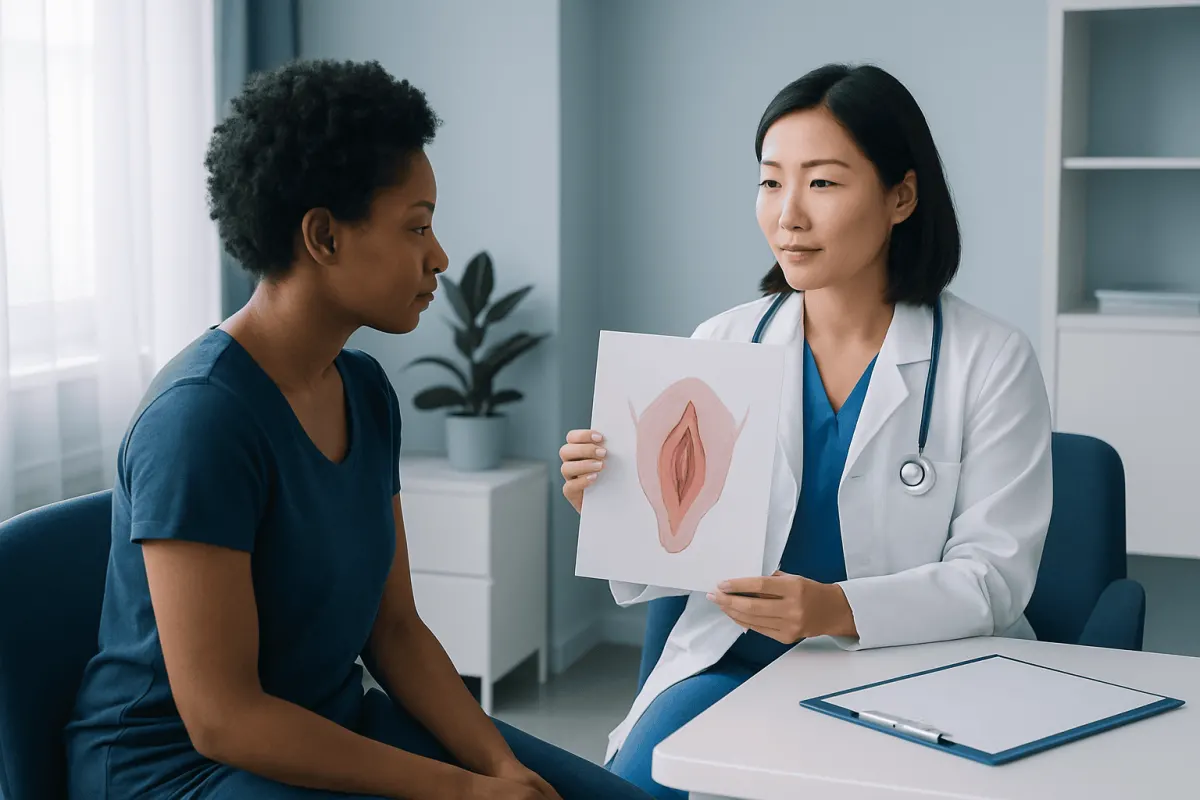
The inside of the vagina is usually a soft, moist, muscular canal lined with pink or reddish tissue and natural folds. Appearance, discharge, and sensations can vary with age, hormone levels, the menstrual cycle, pregnancy, and arousal; most variation is harmless, although new pain, sores, unusual bleeding, or persistent discharge should be assessed by a clinician.
Overview: What the Inside of the Vagina Normally Looks Like
For people asking, “what does the inside of a virgina look like?”, the usual answer is that the vagina is a soft, flexible muscular canal lined with moist tissue. Its inner walls are often pink, reddish-pink, or slightly purplish, depending on natural skin tone, blood flow, hormones, and lighting. The surface is not usually smooth: it has gentle ridges and folds called rugae, which allow the vagina to stretch during sexual activity, tampon use, pelvic examinations, and childbirth.
The vagina is internal and cannot usually be seen simply by looking at the genital area. The visible external structures are called the vulva, including the labia, clitoris, urethral opening, and vaginal opening. A mirror may show the vaginal opening and nearby tissue, but it will not provide a clear view far inside the vaginal canal. An internal examination with a lighted instrument, called a speculum, is the usual clinical way to view the vaginal walls and cervix.
There is no single “correct” appearance. The size, shape, color, moisture, and folds of vaginal tissue vary naturally from person to person. Normal changes also occur across puberty, throughout the menstrual cycle, during pregnancy, after childbirth, during breastfeeding, and around menopause. In the absence of concerning symptoms, differences in appearance are very commonly harmless.
A Guided View of Vaginal Anatomy
The vagina extends from the vaginal opening to the cervix, which is the lower part of the uterus. In adults, it is generally a collapsed canal at rest rather than an open empty space. Its front and back walls usually rest against each other. During arousal, an examination, or insertion of a tampon, the walls can expand comfortably because the tissue is elastic.
At the deeper end of the vagina, a person may sometimes feel the cervix as a firm, rounded structure with a small central dimple or opening. Its position and firmness can change during the menstrual cycle and pregnancy. It may be easier or harder to reach at different times, and not being able to feel it does not usually indicate a problem.
The vaginal lining produces moisture and combines with cervical mucus and naturally shed cells to form vaginal discharge. This is part of the vagina’s normal self-cleaning process. The vagina contains protective bacteria, especially lactobacilli, that help maintain an acidic environment and reduce the growth of potentially harmful germs. Douching or using fragranced products inside the vagina can disrupt this balance.
Normal Changes in Color, Texture and Discharge
Healthy vaginal tissue is often moist and may look pink, deep pink, red, or purplish. Blood flow can increase with sexual arousal, exercise, pregnancy, or inflammation, temporarily making tissue appear fuller or darker. Lower estrogen levels, including after menopause or sometimes while breastfeeding, can make the lining thinner, drier, paler, or more easily irritated. These changes can be treatable if they cause discomfort.
Discharge also changes normally. It may be clear, white, cream-colored, or faintly yellow once it has dried on underwear. Some people notice more slippery, clear, stretchy discharge around ovulation. A thicker white discharge can occur at other points in the cycle. Mild variation in amount is common, particularly with hormonal contraception, pregnancy, sexual arousal, and changes in stress or health.
Normal discharge should not cause persistent itching, burning, significant pelvic pain, or a strong unpleasant odor. It is useful to notice what is typical for the individual rather than comparing discharge with images online. If a change is new, lasts more than a few days, recurs, or is accompanied by discomfort, a healthcare professional can help identify the cause.
Changes That May Need Medical Attention
Although many changes are normal, some signs deserve assessment. These include persistent itching or burning; a strong fishy, foul, or otherwise unusual odor; green, gray, frothy, or pus-like discharge; new sores, blisters, warts, or a rash; and pain during sex, urination, or insertion. Bleeding after sex, bleeding between periods, or bleeding after menopause should also be discussed with a doctor.
Common explanations include irritation from soaps, fragranced wipes, pads, lubricants, or condoms; yeast infection; bacterial vaginosis; and sexually transmitted infections. Pelvic floor muscle tension, low estrogen, skin conditions, and retained tampons can also cause symptoms. Symptoms alone cannot reliably identify the cause, since several conditions can overlap and treatments differ.
A change in vaginal appearance does not automatically mean infection or a serious condition. However, avoiding self-treatment with leftover antibiotics, repeated antifungal products, or internal cleansing is important because these approaches can delay the right diagnosis or worsen irritation. A clinician can recommend treatment based on the underlying cause and an individual’s health needs.
How a Doctor Evaluates Vaginal Symptoms
A clinician usually begins by asking about symptoms, when they started, menstrual patterns, pregnancy possibility, sexual health, products used around the genital area, medications, and relevant medical conditions. This conversation is confidential and should be handled respectfully. A person can ask questions, request an explanation before each step, and tell the clinician to pause at any time during an examination.
An examination may involve looking at the vulva and, when appropriate, gently examining the vagina with a speculum. This allows the clinician to see the vaginal walls and cervix. A swab of discharge may be tested for yeast, bacterial vaginosis, trichomoniasis, or other infections. Testing for sexually transmitted infections, a urine test, pregnancy test, or cervical screening may be advised depending on symptoms and medical history.
Most vaginal concerns can be evaluated with a history, examination, and simple laboratory testing. Imaging, such as pelvic ultrasound, is usually reserved for symptoms such as pelvic pain, unexplained bleeding, or a suspected problem involving the uterus or ovaries. The goal is not to judge normal anatomy, but to identify a treatable explanation for symptoms and support ongoing vaginal and reproductive health.
Gentle Self-Care and Vaginal Health
The vagina generally does not need internal washing. Washing the external vulva gently with warm water is often enough; if soap is used, a mild, fragrance-free product may be less irritating. Avoid douches, vaginal deodorants, scented sprays, and perfumed wipes. These can affect the normal vaginal environment and may contribute to dryness, burning, or altered discharge.
Breathable underwear, changing out of damp clothing after swimming or exercise, and changing menstrual products regularly can improve comfort. For dryness related to arousal, a compatible lubricant may help. People who have recurrent dryness, discomfort, or pain with sex should speak with a clinician, as hormone-related changes and other causes can be addressed safely.
Using condoms or other barrier methods can lower the risk of many sexually transmitted infections. Regular cervical screening should follow local recommendations for age and personal health history. It can also be helpful to avoid checking or touching inside the vagina repeatedly, as this may cause minor irritation and can make normal anatomy seem concerning. If there is uncertainty about a change, a qualified clinician is the safest source of reassurance.
When to Seek Medical Care
Arrange a medical appointment for new or persistent itching, burning, unusual discharge, odor, pain with sex, pain when urinating, or changes that do not improve after avoiding possible irritants. Medical advice is also appropriate for new genital sores, lumps, blisters, or warts, and for possible exposure to a sexually transmitted infection. Prompt testing can clarify the cause and guide appropriate treatment.
Seek urgent medical care for severe pelvic or lower abdominal pain, fever with pelvic symptoms, heavy vaginal bleeding, fainting, or symptoms during pregnancy that include bleeding, fluid leakage, or significant pain. These symptoms have several possible causes and should be assessed without delay. A person should also seek timely assessment for any bleeding after menopause.
For Myomectomy Recovery for International Patients: The Usual Travel Timeline" class="ahp-ilk">international patients who need assessment, Acıbadem Health Point’s multidisciplinary specialists and JCI-accredited hospitals diagnose and treat gynecological concerns. A gynecologist can provide a private examination, explain whether a finding is a normal variation, and arrange testing or treatment when needed.
Frequently asked questions
01Can a person see inside their vagina with a mirror?
A mirror can usually show the vulva and vaginal opening, but not the full vaginal canal. The vaginal walls are normally collapsed together at rest, and viewing deeper inside generally requires a speculum and proper lighting during a clinical examination. Trying to force the opening wider or insert objects to inspect it can cause discomfort or irritation.
02Is it normal for the inside of the vagina to have folds?
Yes. Folds or ridges in the vaginal lining are normal and are called rugae. They allow the vagina to expand and stretch. Their prominence can vary with age, hormone levels, arousal, childbirth history, and individual anatomy.
03What color should the inside of the vagina be?
Vaginal tissue may be light pink, dark pink, red, or purplish, and normal color varies between individuals. Blood flow and hormonal changes can temporarily alter its appearance. A new area that is persistently very red, white, dark, painful, bleeding, or ulcerated should be checked by a healthcare professional.
04Does normal vaginal discharge have an odor?
Normal discharge can have a mild natural scent that changes slightly during the menstrual cycle. It should not usually have a strong fishy, rotten, or otherwise unpleasant odor, especially with itching or burning. A notable change in odor or discharge is a reason to arrange medical advice.
05Why does the vagina look or feel different after menopause?
Lower estrogen after menopause can make vaginal tissue thinner, drier, less elastic, and sometimes paler. This may lead to burning, urinary discomfort, or pain during sex. These symptoms are common and can often be improved with guidance from a clinician.
06Should a person clean inside the vagina?
No. The vagina is self-cleaning, and internal washing or douching can disrupt its normal protective bacteria and acidity. Gentle washing of the external vulva with water, and avoiding fragranced products, is usually sufficient.
This article is for general information only and is not a substitute for professional medical advice. Please consult a qualified doctor about your individual situation.
Explore treatments in Turkey — costs, top hospitals & a free quote
JCI-accredited · board-certified surgeons · reply within 24h
Add us as a Preferred Source to see more of our trusted health content across Google Search, AI Overviews and Discover.