What Does Kidney Pain Feel Like?

Key Takeaways
- Kidney pain is commonly felt in the flank, just below the ribs, and may spread to the lower abdomen or groin.
- The pain can be dull and steady, or sudden and severe, depending on the cause.
- Blood in the urine, fever, burning with urination, nausea, or vomiting can suggest a kidney or urinary problem.
- Back muscle pain often changes with movement, while kidney pain usually feels deeper and is less affected by position.
- A doctor can identify the cause through urine tests, blood tests, and imaging when needed.
Kidney pain is usually felt as a deep ache or sharp pain in the side or back, often below the ribs and sometimes spreading toward the abdomen or groin. Because kidney symptoms can overlap with muscle, spine, or digestive problems, it helps to know the pattern and the warning signs that deserve medical attention.
Overview
When people ask what does kidney pain feel like, the most helpful answer is that it is usually a deep, one-sided pain felt in the flank area — the side of the body between the ribs and the hip, often toward the back. Some people describe it as a steady ache. Others feel a sharp, cramping pain that comes in waves. The sensation may spread toward the lower abdomen, groin, or even the inner thigh depending on the cause.
Kidney pain is not the same as ordinary back soreness. The kidneys sit higher and deeper than the muscles of the lower back, so the discomfort is often harder to pinpoint with a finger. It may feel like it comes from beneath the ribs rather than the spine. If a person is deciding whether symptoms are serious enough for care, that location and pattern can be an important clue.
Because several conditions can cause pain in this area, the symptom should be read alongside other signs such as fever, urinary changes, nausea, or blood in the urine. Those added details help a clinician decide whether the problem is likely to involve the kidneys, the urinary tract, or something outside the urinary system.
Symptoms
Kidney-related discomfort can look different from one person to another. A kidney stone may cause intense, wave-like pain that is difficult to settle, while a kidney infection often causes a more constant ache along with fever or feeling unwell. Some kidney conditions cause only mild discomfort at first, which is one reason people sometimes delay care when they are traveling or busy with work and family.
Common ways kidney pain may be described include:
- A dull ache in one side of the back
- Sharp pain under the ribs or in the flank
- Pain that moves toward the groin
- Pain that comes in bursts or spasms
- Discomfort that does not improve much with stretching or position changes
Other symptoms may appear at the same time. These can include burning during urination, needing to urinate often, cloudy or foul-smelling urine, nausea, vomiting, chills, or blood in the urine. Fever is especially important because it can suggest infection, which needs timely assessment.
Causes & Risk Factors

Several different problems can lead to pain in the kidney area. The most common include kidney stones, kidney infection, urinary blockage, and inflammation or swelling in the urinary tract. Sometimes pain that seems to be coming from the kidneys is actually caused by nearby muscles, the spine, the gallbladder, or the intestines.
Kidney stones can create sudden, severe pain when they move through the urinary tract. Kidney infections usually happen when bacteria travel upward from the bladder and may cause pain with fever and urinary symptoms. Less commonly, kidney pain can be related to cysts, trauma, dehydration, or other medical conditions that affect kidney function.
Risk factors vary by cause, but may include a history of stones or urinary infections, not drinking enough fluids, certain medical conditions, blockage in the urinary tract, pregnancy, and some medications. People with diabetes or a weakened immune system may also be more vulnerable to infection, which makes early evaluation especially important if symptoms appear while abroad or away from home.
Diagnosis
To determine whether pain is truly coming from the kidneys, a doctor usually starts with a careful history and physical examination. The clinician will ask where the pain is located, whether it moves, what makes it better or worse, and whether there are urinary symptoms, fever, nausea, or vomiting. That pattern often gives strong clues before testing begins.
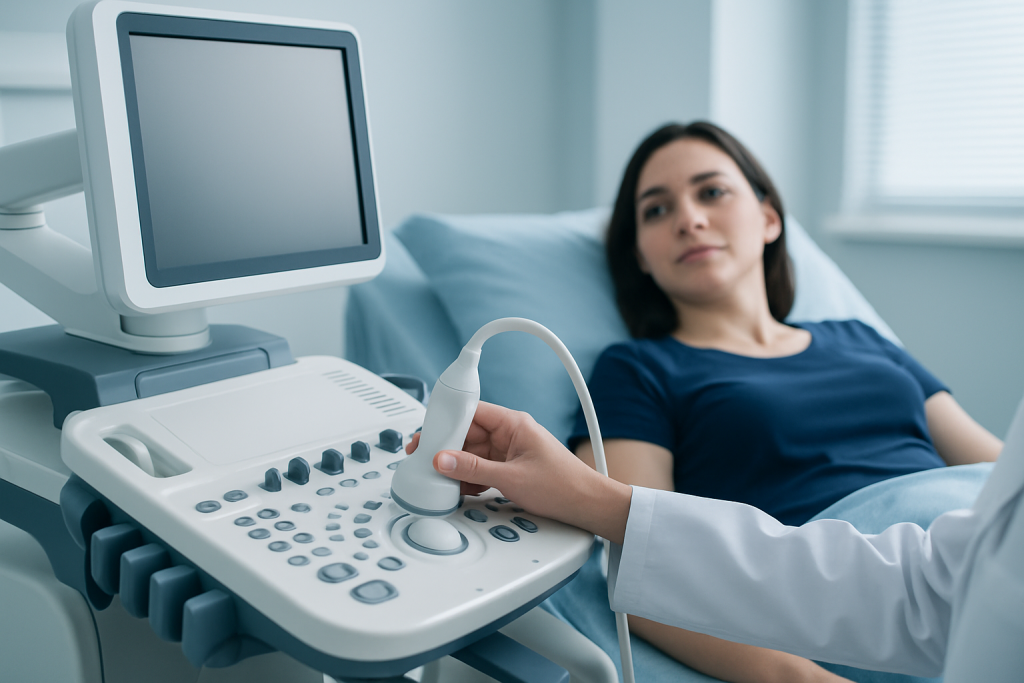
Urine tests are commonly used to look for infection, blood, crystals, or signs of inflammation. Blood tests may help assess kidney function and check for infection. If a stone, blockage, or another structural problem is suspected, imaging such as ultrasound or CT may be recommended depending on the situation and the person’s overall condition.
For international patients, it is especially useful to bring any prior lab reports, imaging results, medication lists, and a short timeline of symptoms. This helps the care team compare findings and avoid repeating tests unnecessarily. A clear record also makes follow-up smoother when care continues after returning home.
Treatment Options
Treatment depends on the cause. A kidney stone may be managed with pain control, hydration guidance, and time if it is small enough to pass on its own. Larger stones or stones causing blockage may need a procedure. A kidney infection is typically treated with antibiotics and close monitoring, especially if fever, vomiting, or dehydration are present.
Supportive care is often part of the plan. This may include fluids if the person is dehydrated, medication to ease pain or nausea, and rest while the body recovers. If the pain is linked to another condition, treatment is directed at that condition rather than the symptom alone.
It is important not to self-diagnose a “kidney ache” and assume it will settle without evaluation. The right treatment depends on whether the cause is an infection, a stone, a blockage, or something else entirely. A qualified doctor can explain what is safe to do at home and what should be treated urgently.
Prevention & Self-care
Not every cause of kidney pain can be prevented, but some practical habits may lower risk. Drinking enough fluids is commonly advised for people prone to stones, unless a doctor has recommended fluid restriction for another reason. Prompt treatment of urinary symptoms can also help reduce the chance of infection reaching the kidneys.
General self-care focuses on observing symptoms carefully rather than masking them. Keeping track of where the pain is, whether it changes, and whether fever or urinary symptoms appear can help a clinician make a faster diagnosis. Over-the-counter pain relief should be used cautiously and only as directed, especially for anyone with known kidney disease or other health conditions.
Travelers who develop flank pain abroad may find it helpful to seek care sooner rather than later if the pain is strong, recurrent, or paired with fever or urinary changes. Clear communication about timing, previous kidney stones, past infections, and any medications makes it easier for the receiving team to guide the next step safely.
When to See a Doctor
Medical evaluation is advisable if flank pain is severe, persistent, or unclear in origin. It is also important to seek care if the pain comes with fever, chills, vomiting, blood in the urine, burning with urination, trouble urinating, or pain that is getting worse rather than better. These features can point to infection, obstruction, or another problem that should not be ignored.
Emergency assessment is appropriate if the person cannot keep fluids down, has a very high fever, becomes confused, has only one kidney, or has reduced urine output. People with pregnancy, known kidney disease, or a history of urinary obstruction should be especially prompt about evaluation.
When symptoms happen during international travel, timely assessment can prevent delays in treatment and make follow-up easier. Acibadem Health Point’s multidisciplinary specialists and JCI-accredited hospitals can help diagnose and treat kidney and urinary conditions for international patients, with attention to both immediate care and the next steps after discharge.
Frequently asked questions
01What does kidney pain feel like compared with back pain?
Kidney pain is usually deeper and felt higher in the back, under the ribs, often on one side. Back muscle pain is more likely to change with movement, bending, or pressing on the area. If there is fever, urinary symptoms, or blood in the urine, kidney-related causes become more likely and should be checked by a doctor.
02Can kidney pain come and go?
Yes. Pain from kidney stones often comes in waves, while pain from an infection may be more constant. Even if the pain eases, the cause may still need treatment, especially if other symptoms are present.
03Does kidney pain always mean a kidney disease?
Not always. Pain in that area can also come from muscles, the spine, the digestive system, or other nearby structures. A medical evaluation is the safest way to identify the source.
04What symptoms with kidney pain are most concerning?
Fever, chills, vomiting, blood in the urine, painful urination, and trouble passing urine are important warning signs. These can suggest infection or blockage and should be assessed promptly.
05How is kidney pain diagnosed?
Doctors usually start with a history and physical exam, then may order urine tests, blood tests, or imaging. The exact tests depend on the pattern of symptoms and what the clinician suspects is causing the pain.
06Should someone drink more water if they think they have kidney pain?
Hydration can help in some situations, especially for stone prevention, but it is not a substitute for diagnosis. If the person has vomiting, severe pain, fever, or a condition that limits fluids, medical advice should come first.
This article is for general information only and is not a substitute for professional medical advice. Please consult a qualified doctor about your individual situation.
Persistent digestive symptoms? Get evaluated in Turkey
JCI-accredited · board-certified surgeons · reply within 24h
Add us as a Preferred Source to see more of our trusted health content across Google Search, AI Overviews and Discover.