Is Chocolate Bad for Kidneys?

Key Takeaways
- Chocolate is usually fine in moderation for many people with healthy kidneys.
- People with chronic kidney disease may need to watch phosphorus, potassium, and added sugar.
- Chocolate can contain oxalates, which may matter for some people with certain kidney stones.
- Dark chocolate may be more concentrated in cocoa compounds than milk chocolate, so portion size matters.
- A clinician or renal dietitian can help tailor food choices to the person’s lab results and treatment plan.
Chocolate is not automatically bad for the kidneys, but the right amount depends on a person’s overall kidney health, fluid balance, potassium, phosphorus, and other dietary needs. For some people with chronic kidney disease or kidney stones, certain chocolates may need to be limited.
Overview
For most people, the answer to is chocolate bad for kidneys is no — not by itself. Chocolate is not a kidney toxin, and an occasional small serving is usually compatible with a balanced diet. The important question is not whether chocolate must be avoided entirely, but whether it fits the person’s kidney condition, lab values, and overall eating pattern.
That distinction matters because kidney health is not one-size-fits-all. A person with healthy kidneys may tolerate chocolate without issue, while someone living with chronic kidney disease, a history of kidney stones, or dietary restrictions related to dialysis may need more careful guidance. In practice, the most useful approach is to look at the type of chocolate, the serving size, and the ingredients around it rather than treating chocolate as universally “good” or “bad.”
Chocolate also comes up often in international-patient consultations because people want clear, practical advice they can follow at home, while traveling, or after a procedure. A renal dietitian or nephrologist can help translate lab results and food preferences into advice that feels realistic rather than overly restrictive.
Symptoms and Why Chocolate Raises Questions

Chocolate does not usually cause immediate kidney symptoms in healthy people. The concern arises when someone already has a kidney condition and is trying to avoid foods that may add extra phosphorus, potassium, sugar, or oxalate. In that setting, chocolate becomes a question of fit rather than a direct cause of kidney damage.
People may ask about chocolate after noticing swelling, changes in urination, fatigue, or kidney stone symptoms. Those symptoms are not caused by chocolate alone, but they can prompt a closer look at diet, hydration, blood pressure, and medical history. For some patients, especially those with advanced kidney disease, even familiar foods can behave differently because the body is less able to balance minerals and fluids.
It is also common for confusion to come from internet advice that treats all dark chocolate, milk chocolate, or cocoa drinks as the same. In reality, the ingredient list matters. A bar with nuts, caramel, or added salt may place a different burden on the kidneys than a small piece of plain chocolate eaten occasionally.
Causes and Risk Factors: What in Chocolate Matters
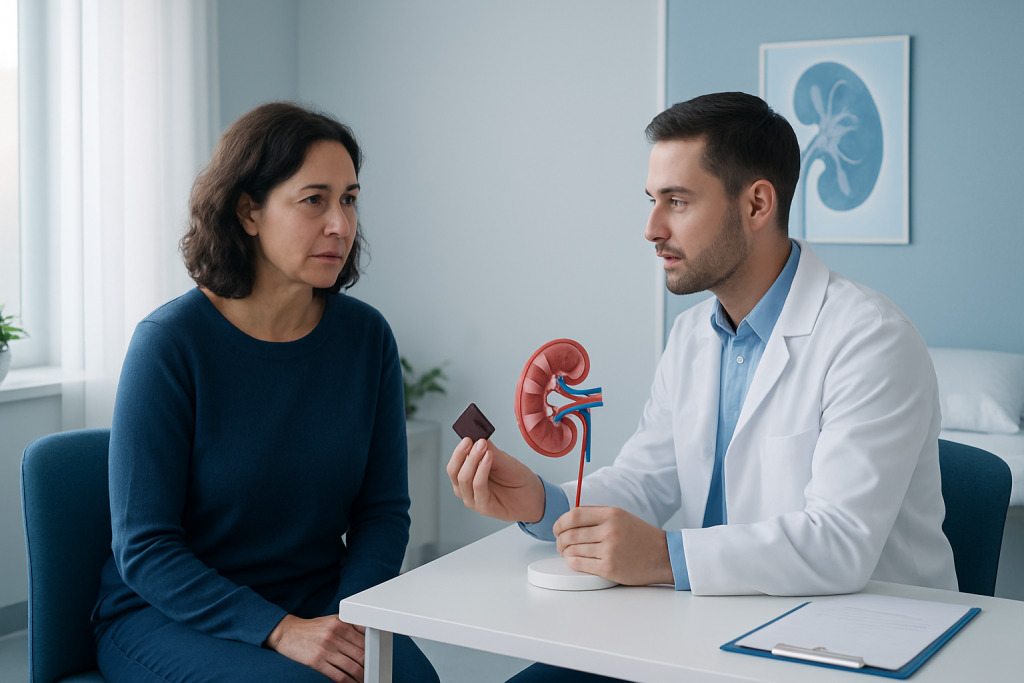
Chocolate contains several components that may matter in kidney care. Cocoa naturally contains compounds such as oxalates and small amounts of minerals including potassium and phosphorus. Depending on the type of chocolate and the portion size, these can add up for people who need to limit one or more of those nutrients.
Added ingredients can be just as relevant as cocoa itself. Chocolate products may include sugar, sodium, dairy, caramel, nuts, and flavorings. For someone with kidney disease, diabetes, high blood pressure, or a history of stones, the overall nutritional profile of the snack may matter more than the cocoa content alone.
Risk is higher when kidney function is reduced or when a person has a specific stone type linked to oxalate. It is also higher when chocolate is eaten in large amounts or paired with other high-oxalate or high-phosphorus foods. A few common reasons a clinician may suggest caution include:
- Chronic kidney disease, especially later stages
- Dialysis-related dietary restrictions
- Calcium oxalate kidney stones
- High blood phosphorus or potassium levels
- Diabetes or blood pressure concerns that affect overall nutrition choices
Diagnosis and When Diet Becomes Part of the Plan
There is no test for “chocolate sensitivity” in kidney care. Instead, doctors look at kidney function, urine findings, stone history, blood tests, medication use, and the person’s usual diet. If symptoms or lab changes suggest that mineral balance is becoming difficult, food guidance may become more specific.
For chronic kidney disease, diagnosis and follow-up commonly include estimated glomerular filtration rate, urine albumin, blood potassium, bicarbonate, calcium, phosphorus, and other markers. These results help the care team decide whether a patient needs broader dietary changes, such as limiting certain minerals or adjusting protein intake. Chocolate may be one small part of that larger picture.
For kidney stones, diagnosis often depends on imaging, urine testing, stone analysis if a stone is passed or removed, and a review of dietary habits. If a person forms calcium oxalate stones, the discussion may include whether high-oxalate foods, including chocolate, should be moderated rather than fully removed. That decision is individualized and often best made with a nephrologist, urologist, or renal dietitian.
Treatment Options: What Doctors Usually Recommend
There is no treatment for chocolate-related kidney harm because chocolate is usually not the root problem. Instead, treatment focuses on the underlying kidney condition and the dietary pattern that supports it. If the kidneys are healthy, the main advice is moderation and balance. If kidney disease is present, the guidance becomes more tailored to lab results and treatment goals.
For chronic kidney disease, a renal dietitian may advise limiting phosphorus-rich foods, watching potassium intake, and choosing foods that support blood pressure and blood sugar control. In that context, a small piece of chocolate may still be allowed, but the type and amount may need to be planned around the rest of the day’s meals. For patients on dialysis, recommendations can differ from those for people in earlier stages of kidney disease because dialysis changes how minerals are handled.
For kidney stone prevention, treatment usually focuses on hydration, stone-specific dietary changes, and sometimes medication. If chocolate is thought to contribute to oxalate load, the approach is often to reduce frequency, pair foods more wisely, and maintain adequate calcium intake from the diet when appropriate. The goal is not unnecessary deprivation; it is keeping the overall pattern stone-friendly.
In practical terms, the safest advice is to ask whether a chocolate choice fits the person’s diagnosis rather than asking whether chocolate is always forbidden. That nuance helps patients avoid over-restriction while still protecting kidney health.
Prevention and Self-care: Smarter Ways to Enjoy Chocolate
For many people, the simplest preventive strategy is portion awareness. A small serving of plain chocolate is less likely to be a problem than frequent large portions, especially when the rest of the diet is already rich in phosphorus, potassium, sodium, or added sugar. Reading labels can help patients notice whether a product contains nuts, dairy, salt, or other ingredients that may matter for kidney care.
Hydration is also important, especially for people with a history of stones, unless their doctor has advised fluid restriction. Balanced meals, steady blood pressure control, and diabetes management are often more important for kidney protection than eliminating a single food. In that sense, chocolate should be viewed as one part of the overall pattern, not the central issue.
Helpful habits may include:
- Choosing small portions instead of frequent snacking
- Reviewing ingredients for phosphorus additives or added salt
- Avoiding chocolate drinks and candies that are highly processed when kidney limits are tight
- Pairing sweets with an overall kidney-appropriate meal plan
- Asking a renal dietitian how chocolate fits with personal lab results
When international patients travel for care, it can help to bring food labels or photos of favorite products to the appointment. That makes it easier for the care team to give advice that matches real-life habits across different countries and brands.
When to See a Doctor
Anyone with known kidney disease should ask a clinician before making major diet changes, especially if they are on dialysis, have recurrent kidney stones, or have been told to limit potassium or phosphorus. The same is true if a person notices swelling, reduced urine output, persistent nausea, blood in the urine, flank pain, or unexplained fatigue. Those symptoms deserve medical assessment, regardless of whether chocolate is part of the diet.
A doctor or renal dietitian may also be helpful if the person is trying to understand mixed advice from online sources. Some people need only general moderation, while others need a personalized plan that takes medications, lab results, and stone type into account. A brief consultation can prevent both unnecessary worry and avoidable dietary mistakes.
For patients who prefer coordinated care, Acibadem Health Point’s multidisciplinary specialists and JCI-accredited hospitals diagnose and treat kidney conditions for international patients, with follow-up planning that can support care before and after travel.
Frequently asked questions
01Is chocolate bad for kidneys in healthy people?
Usually not. For most people with normal kidney function, occasional chocolate in moderation is fine. The main concerns are portion size, added sugar, and how chocolate fits into the overall diet.
02Can people with chronic kidney disease eat chocolate?
Some can, but the amount and type may need to be limited. This depends on kidney stage, phosphorus and potassium levels, diabetes, and the rest of the diet. A renal dietitian can give more specific guidance.
03Is dark chocolate worse for kidneys than milk chocolate?
Not always, but it can be more concentrated in cocoa compounds and may contain more oxalates and minerals per serving. Milk chocolate may have different concerns because of sugar and dairy content. The best choice depends on the person’s kidney needs and portion size.
04Does chocolate cause kidney stones?
Chocolate does not usually cause kidney stones on its own. However, it may matter for people who form calcium oxalate stones because cocoa contains oxalates. Stone prevention is usually based on the full diet and hydration habits, not one food alone.
05What kind of chocolate is easiest on the kidneys?
In general, a small portion of plain chocolate is easier to fit into a kidney-aware diet than heavily salted, nut-filled, or highly processed chocolate products. Still, the best choice depends on the person’s lab values and medical advice.
06Should someone stop eating chocolate completely if they have kidney disease?
Not necessarily. Many people with kidney disease can still enjoy chocolate occasionally if it fits their nutrition plan. It is better to ask a doctor or renal dietitian for personalized advice than to make a blanket rule.
This article is for general information only and is not a substitute for professional medical advice. Please consult a qualified doctor about your individual situation.
Explore treatments in Turkey — costs, top hospitals & a free quote
JCI-accredited · board-certified surgeons · reply within 24h
Add us as a Preferred Source to see more of our trusted health content across Google Search, AI Overviews and Discover.