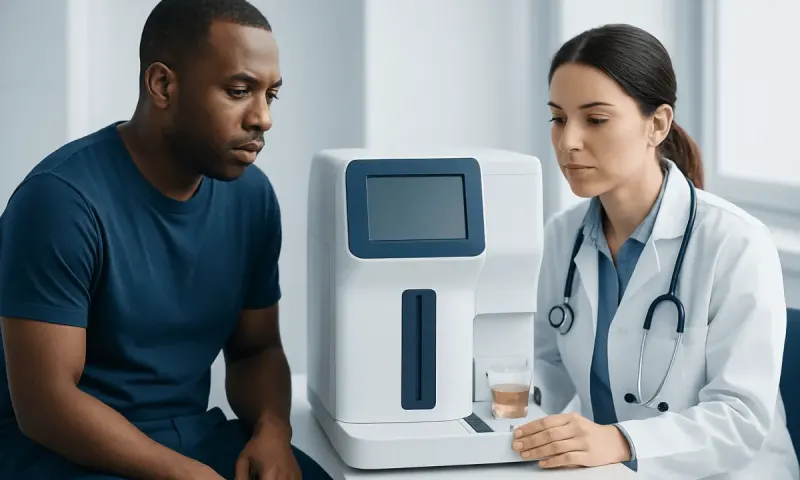
What Does Dark Urine Mean for Women?

Dark urine in a female is commonly caused by concentrated urine from not drinking enough fluids, particularly after sleeping or during hot weather. Persistent dark, brown, orange, red, or tea-colored urine may also be related to bleeding, infection, medicines, vitamins, or conditions affecting the kidneys, liver, or muscles.
What Does Dark Urine Mean in a Female?
What does dark urine mean in a female? Most often, it means the urine is concentrated because not enough fluid has been taken in, especially after sleep, heat exposure, exercise, vomiting, or diarrhea. However, urine that stays dark or appears tea-colored, brown, orange, pink, or red can also be linked with medicines, vitamins, menstrual or vaginal blood, a urinary infection, or conditions affecting the kidneys and liver.
Urine color is only one health clue and does not provide a diagnosis by itself. The meaning depends on the exact shade, how long it lasts, fluid intake, recent foods or supplements, and symptoms such as pain, burning, fever, nausea, yellowing of the skin, or reduced urine output. A temporary darker color that becomes lighter after drinking fluids is usually less concerning than a persistent or changing color accompanied by symptoms.
Color Clues and Female-Specific Situations
Normal urine can range from nearly clear to pale yellow or amber. The yellow pigment becomes more concentrated when the body needs fluid, so dark yellow urine is common on waking. For someone wondering what dark urine means in a female in the morning, overnight concentration is often the explanation, particularly if the urine becomes lighter after normal drinking during the day. Dark, clear urine is more consistent with concentration than cloudy urine, although color alone cannot confirm the cause.
Menstrual blood or vaginal spotting can make the toilet water or a urine sample look red-brown, even when the urine itself is not discolored. Dark urine before a period is not usually caused directly by hormonal changes; lower fluid intake, nausea, or spotting may be contributing factors. In pregnancy, dehydration from nausea and vomiting, prenatal vitamins, and urinary infections are common considerations. The same medical principles apply to people seeking this information in Hindi or following NHS-style self-care guidance: persistent color changes or associated symptoms should be discussed with a qualified clinician.
Common Noninfectious Causes of Dark Urine

Dehydration is the most frequent explanation for dark yellow or amber urine. It may happen after sweating, travel, fever, alcohol use, diarrhea, vomiting, or simply drinking less than usual. Some foods and medicines can also change urine color. For example, B-complex vitamins may make urine bright yellow, while certain prescribed medicines, laxatives, and urinary pain-relief products can produce orange, red, or brown shades. A person should not stop a prescribed medicine without first speaking with the prescriber or pharmacist.
Dark brown or tea-colored urine can sometimes occur when bilirubin enters the urine, which may be associated with liver or bile duct conditions. Pink or red urine may be caused by blood from the urinary tract, kidney stones, or menstrual contamination. Cola-colored urine can rarely occur with certain kidney conditions or muscle injury that releases muscle pigments into the bloodstream. Dark urine together with yellow skin or eyes, pale stools, severe muscle pain, marked weakness, or swelling needs medical assessment rather than relying on hydration alone.
What Infection Can Cause Dark Urine?
A urinary tract infection, or UTI, may cause urine to appear darker, cloudy, or unusually strong-smelling. The infection itself does not always make urine very dark, but dehydration, blood in the urine, and inflammatory cells can change its appearance. Typical UTI symptoms include burning or stinging when passing urine, needing to urinate often or urgently, lower abdominal discomfort, and sometimes blood in the urine. When dark urine in a female occurs with pain in the side or back, fever, chills, or nausea, a kidney infection should be considered and assessed promptly.
Other infections can also indirectly lead to dark urine. Hepatitis may cause brown urine because of bilirubin, while severe systemic infections can reduce fluid intake, cause dehydration, or affect kidney function. A urine test can check for blood, inflammatory cells, and bacteria, while a urine culture may help identify the right antibiotic when bacterial infection is suspected. Leftover antibiotics or home remedies should not be used as a substitute for testing, as they may delay appropriate treatment or make results harder to interpret.
Should I Be Worried If My Urine Is Dark?
A single episode of dark yellow urine is usually not a reason for alarm if it follows sleep, exercise, heat, or reduced drinking and returns to a lighter yellow after fluids. It is more important to seek advice if urine remains dark through the day despite normal fluid intake, repeatedly changes color, or is brown, tea-colored, cola-colored, pink, or red. Symptoms such as pain, burning urination, fever, flank pain, vomiting, swelling, itching, jaundice, or very little urine make a medical review more important.
A clinician may ask about medicines, supplements, diet, menstruation, pregnancy, recent exercise, and travel. Tests may include a urine dipstick, urine microscopy or culture, blood tests to check kidney and liver function, and imaging if a stone or blockage is suspected. Treatment depends on the cause: simple dehydration may improve with fluids, while an infection, stone, bleeding source, kidney condition, or liver problem requires targeted medical care.
What Should I Drink If My Urine Is Dark?
Plain water is usually the best first choice when dark urine is likely related to mild dehydration. Drinking regularly across the day, rather than consuming a large amount all at once, can help the body rehydrate. If vomiting or diarrhea has caused fluid loss, an oral rehydration solution may be helpful because it replaces both fluids and electrolytes. Broth and other nonalcoholic fluids can also contribute to hydration when tolerated.
People with heart failure, advanced kidney disease, liver disease, or a medical fluid restriction should follow their clinician’s individual advice rather than deliberately increasing fluids. Alcohol can worsen dehydration, and very sugary drinks may not be ideal for regular rehydration. Cranberry products may be enjoyed as part of a normal diet by some people, but they do not reliably treat a UTI. If urine remains dark despite drinking, becomes red or brown, or urine output becomes low, medical advice is needed.
What Color Is Sepsis Pee?
There is no specific or reliable urine color that identifies sepsis. A person with a serious infection may have dark yellow urine because they are dehydrated, have a fever, or are producing less urine. Urine may also look cloudy or bloody if the source of infection involves the urinary tract, but these changes are not unique to sepsis and can occur with many less serious conditions.
Sepsis is a medical emergency and should never be judged by urine color alone. Urgent emergency help is needed if a person with a possible infection develops confusion, extreme drowsiness, new breathing difficulty, faintness, blue or mottled skin, severe weakness, a very fast heartbeat, or markedly reduced urine output. Pregnant people, older adults, and people with weakened immune systems should seek prompt assessment when they feel significantly unwell with signs of infection.
When to Seek Medical Care
Arrange medical advice soon if dark urine lasts beyond a day despite usual fluid intake, returns repeatedly, or occurs with burning, urgency, lower abdominal pain, back or side pain, fever, nausea, or unusual vaginal bleeding. Pregnant people should contact their maternity care provider promptly for dark urine with persistent vomiting, suspected UTI symptoms, fever, pain, or reduced urination. Blood in the urine, brown or tea-colored urine, and dark urine with yellow skin or eyes should also be assessed without delay.
Seek emergency care for severe pain, inability to pass urine, fainting, confusion, breathing problems, severe dehydration, or symptoms suggesting a serious infection. Assessment can identify whether the cause is simple dehydration or a condition that needs specific treatment. For international patients, Acıbadem Health Point’s multidisciplinary specialists and JCI-accredited hospitals diagnose and treat urinary, kidney, liver, and infectious causes of persistent dark urine.
Frequently asked questions
01Can dehydration make urine brown?
Mild dehydration more commonly makes urine dark yellow or amber. Significant dehydration can make urine appear deeper amber or brownish, but persistent brown or tea-colored urine should be checked because liver, kidney, blood, or medicine-related causes are also possible.
02Can period blood make urine look dark?
Yes. Menstrual blood or spotting can mix with urine in the toilet or contaminate a urine sample, making it look red, brown, or darker than usual. If the color change continues after the period, or there is pain or burning, a urine test can help determine whether blood is coming from the urinary tract.
03Can a UTI cause dark urine without burning?
A UTI can sometimes cause darker, cloudy, strong-smelling, or bloody urine even without burning. However, dark urine alone is not enough to diagnose a UTI, and testing is especially helpful when symptoms are mild, unusual, recurrent, or occur during pregnancy.
04Is dark urine common during pregnancy?
Dark urine can occur during pregnancy when nausea, vomiting, or lower fluid intake leads to dehydration. Prenatal vitamins may also alter urine color, but infection and other causes should be considered if the urine remains dark or is accompanied by pain, fever, burning, vomiting, or reduced urination.
05Can vitamins change urine color?
Yes. B vitamins, especially riboflavin, commonly make urine bright yellow, and some supplements or medicines may create orange or darker shades. A person should check the product information and ask a pharmacist or clinician if the change is persistent, unexpected, or associated with symptoms.
06How quickly should dark urine improve after drinking water?
If dehydration is the cause, urine often becomes lighter after regular fluid intake over several hours. It may remain darker after waking or during hot weather, but persistent dark urine despite normal drinking, or urine with pain, fever, blood, or jaundice, should be medically assessed.
This article is for general information only and is not a substitute for professional medical advice. Please consult a qualified doctor about your individual situation.
Persistent digestive symptoms? Get evaluated in Turkey
JCI-accredited · board-certified surgeons · reply within 24h
Add us as a Preferred Source to see more of our trusted health content across Google Search, AI Overviews and Discover.