What Does Back Pain from Ovarian Cancer Feel Like?

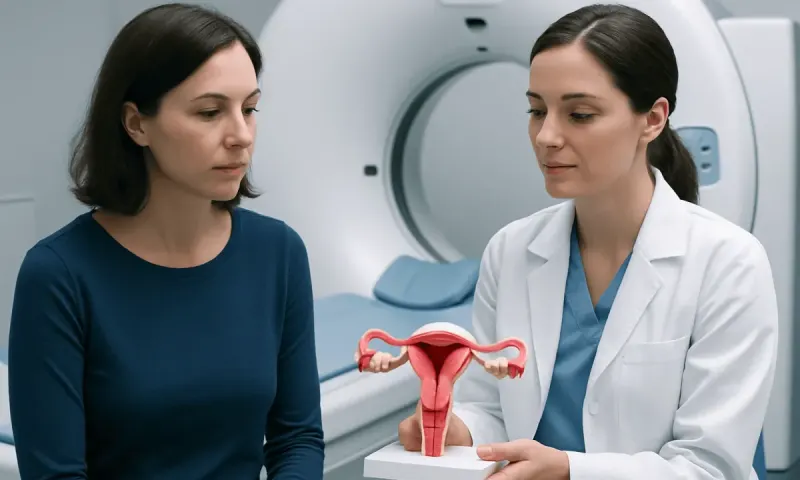
Back pain linked to ovarian cancer is usually persistent, difficult to explain and may feel like a dull ache, pressure or pain in the lower back, abdomen, pelvis or side. However, back pain is very common and is far more often caused by muscle strain, spinal conditions or other non-cancer causes; it should be assessed when it is new, ongoing or occurs with other concerning symptoms.
What does back pain from ovarian cancer feel like?
Back pain from ovarian cancer may feel like a persistent dull ache, pressure, heaviness or discomfort in the lower back. Some people describe a deep pain around the pelvis, lower abdomen, hips or flanks rather than a clearly defined pain in the spine. It may gradually become more noticeable over days or weeks and may not have an obvious trigger, such as lifting, exercise or an awkward movement.
There is no specific type of back pain that can confirm ovarian cancer. Back pain alone is very common and is usually related to muscles, joints, discs, arthritis, posture, kidney conditions or menstrual and digestive issues. Ovarian cancer becomes more important to consider when back or pelvic discomfort is persistent, new for that person and accompanied by symptoms such as abdominal bloating, feeling full quickly, pelvic pressure, urinary urgency or needing to urinate more often.
Symptoms can be subtle at first. They may be intermittent, but a key feature is that they happen more frequently or do not settle as expected. A clinician can assess the overall pattern, medical history and examination findings rather than relying on one symptom alone.
Why ovarian cancer can cause back or pelvic pain
The ovaries sit deep in the pelvis, close to the bowel, bladder, pelvic muscles and nerves. A tumor or enlargement of an ovary may create pressure or stretching in nearby tissues. Fluid in the abdomen, known as ascites, can also cause a sense of swelling, heaviness, abdominal discomfort or pressure that may be felt in the back.
If ovarian cancer spreads within the abdomen or affects lymph nodes, it can cause additional discomfort. This does not mean that every person with ovarian cancer has back pain, or that back pain indicates spread. Symptoms depend on the location, size and behavior of the cancer, as well as other health conditions a person may have.
For reliable information about the disease itself, readers can learn more about ovarian cancer. A prompt evaluation can help clarify whether symptoms are related to a gynecological condition, another medical cause or a common back problem.
Symptoms that may occur alongside back pain

Ovarian cancer can cause symptoms that are often mistaken for digestive, urinary or hormonal changes. The symptoms are not unique to cancer, but it is sensible to arrange a medical appointment if they are persistent, becoming more frequent or different from a person’s usual pattern.
- Abdominal bloating, swelling or an increase in waist size
- Pelvic or lower abdominal pain, pressure or discomfort
- Feeling full quickly or difficulty finishing normal-sized meals
- Loss of appetite, indigestion, constipation or other ongoing bowel changes
- Urinary urgency or needing to urinate more often
- Unexplained fatigue, unintended weight change or new menstrual changes
Many benign conditions can produce the same symptoms, including ovarian cysts, endometriosis, fibroids, irritable bowel syndrome and urinary tract disorders. Menopause does not make new persistent abdominal or pelvic symptoms normal; they should still be discussed with a clinician.
How doctors investigate possible ovarian cancer
A doctor will begin by asking about the symptoms, their timing, personal and family medical history, menstrual or menopausal status, and any changes in appetite, bowel habits or urination. A physical examination may include an abdominal and pelvic examination. These steps help determine which tests are appropriate.
Common investigations may include a pelvic ultrasound, often using a transvaginal approach, to examine the ovaries and surrounding structures. Blood tests may include CA-125, a marker that can be raised in ovarian cancer but also in many non-cancerous conditions. For this reason, CA-125 is not used alone to diagnose ovarian cancer.
If imaging or test results raise concern, further scans such as CT or MRI may be recommended, and referral to a gynecologic oncology team may follow. A definite diagnosis generally requires examination of tissue obtained during surgery or a biopsy. The specialist team also determines the cancer type, stage and molecular features, which guide treatment planning.
Modern treatment approaches for ovarian cancer
Treatment is individualized according to the type and stage of ovarian cancer, whether it has spread, a person’s overall health, previous treatment and tumor testing results. Care is typically coordinated by gynecologic oncologists, medical oncologists, radiologists, pathologists, specialist nurses and supportive-care professionals.
Surgery is commonly used to diagnose, stage and remove as much visible cancer as possible when appropriate. Chemotherapy is often given after surgery or before surgery in selected circumstances. Depending on the cancer subtype and response to treatment, maintenance treatment may include targeted medicines such as PARP inhibitors or medicines that affect blood-vessel growth, including bevacizumab, also known by the brand name Avastin.
Treatment can also include symptom support, nutritional care, pain management and psychological support. For some patients, chemotherapy and oncology care are part of a broader plan designed to control the cancer while preserving quality of life as much as possible.
Are people living longer with ovarian cancer?
Yes. Many people are living longer with ovarian cancer than in the past because treatment planning has become more personalized. Improvements in specialist surgery, platinum-based chemotherapy, targeted treatments, genetic and tumor testing, and management of recurrence have expanded the options available for many patients.
Outcomes still vary substantially. The cancer stage at diagnosis, tumor type and grade, whether surgery can remove visible disease, response to initial treatment, BRCA and other genetic findings, and general health all influence prognosis. Population survival figures are useful for understanding broad trends, but they cannot predict what will happen for one individual.
It can be helpful to ask the oncology team which factors are most relevant in the individual case and what the aims of treatment are. Regular follow-up also allows the team to monitor recovery, side effects, symptoms and any signs that further treatment may be helpful.
Can you live 20 years after ovarian cancer?
Some people do live 20 years or longer after an ovarian Prostate Cancer Diagnosis: Tests and Next Steps" class="ahp-ilk">cancer diagnosis. This is more likely in certain situations, such as cancers diagnosed at an earlier stage, lower-grade or slower-growing tumor types, and cancers that respond well to treatment. Long-term survival is possible, but no doctor can responsibly promise a particular outcome for an individual.
Ovarian cancer includes several distinct diseases, not one single condition. For example, high-grade serous ovarian cancer often behaves differently from low-grade serous, endometrioid, clear cell, mucinous and germ-cell tumors. This is one reason a detailed pathology review and specialist discussion are important.
For people whose cancer returns, treatment may still control the disease for substantial periods. Advances in treatment mean that care increasingly focuses on both cancer control and maintaining day-to-day wellbeing, with decisions revisited as circumstances and treatment options change.
What is the life expectancy after starting Avastin for ovarian cancer?
There is no single life-expectancy figure after starting Avastin, or bevacizumab, for ovarian cancer. Avastin may be used alongside chemotherapy and sometimes continued as maintenance treatment in selected patients, but its effect depends on when it is used, the cancer type and stage, prior treatments, response to chemotherapy and the person’s overall health.
Clinical studies describe average outcomes for groups of patients, not a timetable for an individual. A person may respond differently from the average, and treatment plans can change if side effects occur, the cancer responds particularly well or other treatments become more suitable. The oncology team is best placed to interpret available evidence in the context of the individual’s scan findings, pathology and treatment history.
Patients should report possible treatment side effects promptly. These can include high blood pressure, bleeding, blood clots, protein in the urine, slow wound healing and, rarely, serious bowel complications. The care team monitors for these risks and weighs potential benefits against possible harms throughout treatment.
When to seek medical care
Medical care should be sought if back, pelvic or abdominal pain is persistent, worsening, unexplained or occurs on most days for a few weeks, particularly when it is paired with bloating, early fullness, urinary changes or a change in bowel habits. A primary care doctor or gynecologist can assess these symptoms and decide whether tests or referral are needed.
Urgent medical attention is appropriate for sudden severe abdominal or pelvic pain, fainting, fever with severe pain, heavy vaginal bleeding, repeated vomiting, shortness of breath, new leg swelling or symptoms suggesting a bowel obstruction, such as severe cramping with inability to pass stool or gas. These symptoms can have several causes and should not be self-diagnosed.
For international patients who need specialist assessment, Acıbadem Health Point’s multidisciplinary specialists and JCI-accredited hospitals diagnose and treat ovarian cancer using individualized evaluation and evidence-based care. Bringing previous scan reports, pathology results and treatment records can help the consultation team provide informed guidance.
Frequently asked questions
01What does ovarian cancer back ache feel like?
It may feel like a dull, deep or persistent ache in the lower back, pelvis, lower abdomen, hips or side. It may not improve in the usual way with rest or simple measures, but there is no unique pain pattern that identifies ovarian cancer. Most back pain has a non-cancer cause.
02Can ovarian cancer cause pain in one side of the back?
It can sometimes cause pain or pressure that is more noticeable on one side, particularly if one ovary is enlarged or a mass affects nearby tissues. However, one-sided back pain is also commonly caused by muscles, joints, kidneys or nerves. Persistent pain with abdominal or pelvic symptoms should be medically assessed.
03Is lower back pain an early symptom of ovarian cancer?
Lower back pain can occur, but it is not among the most specific early signs of ovarian cancer. Persistent bloating, pelvic or abdominal discomfort, early fullness and urinary changes are also important symptoms to recognize. A clinician considers the full symptom pattern rather than one symptom in isolation.
04Are people living longer with ovarian cancer?
Yes, treatment advances have helped many people live longer, including improvements in surgery, chemotherapy, targeted therapies and personalized treatment based on tumor features. Prognosis remains individual and depends on cancer type, stage, response to treatment and other factors. The oncology team can explain what these factors mean in a particular case.
05Can you live 20 years after ovarian cancer?
Yes, some people survive 20 years or longer after ovarian cancer, especially when the cancer is found early or has a more favorable biology and treatment response. Long-term outcomes differ widely between individuals and ovarian cancer subtypes. Follow-up and treatment planning should be guided by a specialist team.
06What is the life expectancy after starting Avastin for ovarian cancer?
Starting Avastin does not provide a reliable individual life-expectancy estimate. Its benefits vary according to the setting in which it is used, cancer characteristics, other treatments and response over time. An oncologist can discuss the expected goals and likely benefits based on the individual treatment plan.
This article is for general information only and is not a substitute for professional medical advice. Please consult a qualified doctor about your individual situation.
Persistent digestive symptoms? Get evaluated in Turkey
JCI-accredited · board-certified surgeons · reply within 24h
Add us as a Preferred Source to see more of our trusted health content across Google Search, AI Overviews and Discover.