What Does Anteverted Uterus Mean?

Key Takeaways
- An anteverted uterus is a forward-tilting uterus and is usually a normal anatomical variation.
- Most people with an anteverted uterus have no symptoms and need no treatment.
- If pelvic pain, heavy bleeding, fertility concerns, or pressure symptoms are present, another condition may be the cause.
- Ultrasound or pelvic examination can confirm uterine position and check for other problems.
- A doctor should evaluate new, severe, or persistent gynecologic symptoms rather than assuming the uterine tilt is responsible.
An anteverted uterus means the uterus tilts forward toward the bladder, which is a common and usually normal position. In most people, it does not cause symptoms or require treatment, but understanding it can help when reading an ultrasound report or discussing pelvic health with a doctor.
Overview
The anteverted uterus meaning is simple: the uterus tilts forward toward the bladder instead of leaning backward. This forward position is one of the most common uterine orientations and, by itself, is usually a normal part of anatomy.
Many people first hear the term after a pelvic examination or an ultrasound report. In that setting, the phrase can sound technical, but it often does not point to disease. What matters more is whether the uterus is healthy in size and shape and whether there are symptoms that need explanation.
The uterus can sit in different positions within the pelvis without causing problems. For most patients, an anteverted uterus is simply a descriptive finding, not a diagnosis that requires treatment.
Symptoms
An anteverted uterus usually does not cause noticeable symptoms. Many people live their entire lives without knowing their uterus tilts forward, and they only learn about it during routine gynecologic care or imaging.
When symptoms are present, they are often due to something else, such as fibroids, endometriosis, adenomyosis, pelvic inflammatory disease, or another pelvic condition. Symptoms that should not be ignored include:
- Pelvic pain or cramping that is persistent or worsening
- Pain during sex
- Heavy or irregular menstrual bleeding
- Pressure, fullness, or urinary symptoms
- Difficulty conceiving
It is helpful to separate a uterine position from a uterine disorder. The tilt itself is not usually the cause of discomfort, but it may appear on the same report as another finding that does need attention.
Causes & Risk Factors

In many people, the uterus is anteverted from the start because of normal pelvic anatomy. The exact position can vary from person to person, and it can also shift slightly over time depending on body structure, pregnancy history, and changes within the pelvis.
Several factors can influence uterine position without making it abnormal. These include natural differences in pelvic ligaments, the shape of the pelvis, prior pregnancy, and the way the bladder or bowel fills at the time of examination.
Sometimes a uterus that is not anteverted, or that has changed position, may be associated with conditions such as fibroids, scar tissue after surgery, endometriosis, or pelvic adhesions. In those cases, the underlying condition is the part that deserves clinical attention, not the direction of the tilt alone.
Diagnosis
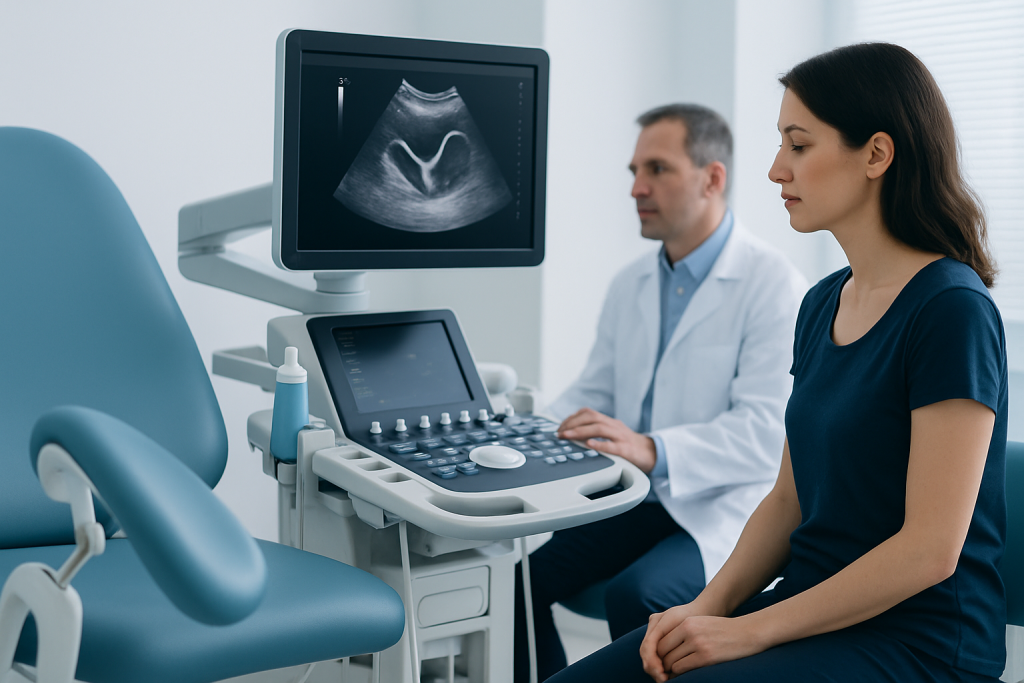
An anteverted uterus is usually identified during a pelvic exam or on ultrasound. A clinician may mention it when describing the uterus’s orientation, size, and any other pelvic findings.
Ultrasound is especially useful because it can show whether the uterus has a normal shape and whether there are fibroids, cysts, or other abnormalities. If symptoms suggest a different issue, further tests may be recommended based on the person’s age, symptoms, and medical history.
For Myomectomy Recovery for International Patients: The Usual Travel Timeline" class="ahp-ilk">international patients seeking care abroad, a clear written report can be helpful before travel. Bringing previous ultrasound images, menstrual history, and any prior gynecologic notes can make the consultation more efficient and reduce unnecessary repeat testing.
Treatment Options
An anteverted uterus itself does not usually need treatment. If a person has no symptoms and no other abnormal findings, reassurance is often all that is needed.
When symptoms exist, treatment is directed at the underlying cause. For example, heavy bleeding may be managed differently from endometriosis-related pain or fibroid-related pressure. A gynecologist may suggest medication, hormonal therapy, pelvic floor care, or procedures depending on the diagnosis.
In some cases, surgery is considered for another condition that is changing the uterus’s position or causing pain. The goal is not to “correct” a normal uterine tilt, but to address the problem that is affecting comfort, fertility, or daily life.
Prevention & Self-care
Because an anteverted uterus is usually a normal anatomy variant, there is nothing to prevent or reverse. Self-care focuses instead on overall reproductive and pelvic health.
Helpful habits include attending routine gynecologic checkups, tracking menstrual patterns, and noting new symptoms such as bleeding changes, pelvic pressure, or pain with intercourse. These details can help a doctor distinguish a harmless finding from a condition that needs evaluation.
General pelvic health measures may also support comfort and recovery when another condition is present:
- Use a symptom diary for cycle-related pain or bleeding
- Keep copies of imaging reports and prior treatment summaries
- Seek a second opinion if symptoms remain unexplained
- Follow recommended aftercare closely if a procedure is performed
For patients traveling from another country, planning follow-up before returning home can make ongoing care smoother, especially if medication changes, repeat imaging, or specialist review is expected.
When to See a Doctor
Medical review is appropriate if a person has pelvic pain, heavy or irregular bleeding, pain during sex, trouble becoming pregnant, or pressure symptoms such as frequent urination or a feeling of pelvic heaviness. These complaints should not be attributed to uterine tilt without proper evaluation.
Urgent care is not usually needed for an anteverted uterus alone. However, sudden severe pain, very heavy bleeding, fever, fainting, or possible pregnancy complications should be assessed promptly.
A qualified gynecologist can determine whether the uterus’s position is simply a normal finding or whether another condition is present. For those seeking care internationally, Acibadem Health Point offers multidisciplinary specialists and JCI-accredited hospitals that diagnose and treat gynecologic conditions for international patients.
That kind of coordinated evaluation can be especially useful when a patient arrives with prior imaging and needs a clear plan for diagnosis, treatment, and follow-up before traveling back home.
Living With the Finding
Hearing that the uterus is anteverted can be reassuring once the term is understood. In most cases, it means the pelvic anatomy is simply arranged in a common forward-facing position, not that something is wrong.
Patients often benefit from asking a few practical questions at the appointment: Is the uterus normal in size and shape? Are there fibroids, cysts, or signs of endometriosis? Do the symptoms point to another diagnosis? These questions help shift the conversation from the label itself to what actually matters for health.
When the finding is isolated, no treatment is needed. When it appears alongside symptoms or other imaging abnormalities, the next step is a targeted assessment rather than concern about the word “anteverted” alone.
Frequently asked questions
01What does anteverted uterus mean in simple terms?
It means the uterus tilts forward toward the bladder. This is a common and usually normal position, not a disease or a deformity.
02Can an anteverted uterus cause pain?
Usually, no. If pain is present, another condition such as endometriosis, fibroids, or pelvic inflammation may be responsible and should be evaluated.
03Does an anteverted uterus affect fertility?
By itself, it usually does not affect fertility. If conception is difficult, doctors look for other causes rather than focusing on uterine tilt alone.
04Is an anteverted uterus the same as a retroverted uterus?
No. An anteverted uterus tilts forward, while a retroverted uterus tilts backward. Both can be normal anatomical variants.
05How is an anteverted uterus diagnosed?
It is commonly seen during a pelvic exam or on ultrasound. The doctor may also check for other findings that could explain symptoms.
06Can the uterus change position over time?
Yes, the position can vary slightly with pregnancy, body structure, bladder fullness, and other pelvic factors. A change in position does not always indicate a problem.
This article is for general information only and is not a substitute for professional medical advice. Please consult a qualified doctor about your individual situation.
Explore treatments in Turkey — costs, top hospitals & a free quote
JCI-accredited · board-certified surgeons · reply within 24h
Add us as a Preferred Source to see more of our trusted health content across Google Search, AI Overviews and Discover.