Prolapsed Uterus: Symptoms, Causes and Treatment

Key Takeaways
- A prolapsed uterus is a form of pelvic organ prolapse caused by weakened support tissues.
- Symptoms may include pelvic pressure, a dragging sensation, urinary changes, or a bulge in the vagina.
- Diagnosis is usually based on a pelvic examination and discussion of symptoms and daily impact.
- Treatment ranges from pelvic floor exercises and pessary support to surgery in selected cases.
- Women with bothersome symptoms, bleeding, or bladder and bowel changes should speak with a doctor.
A prolapsed uterus happens when the uterus moves downward into the vaginal canal because the pelvic floor no longer provides enough support. Many cases are manageable with conservative care, and treatment can be tailored to symptoms, goals, and overall health.
Overview
A prolapsed uterus develops when the muscles and ligaments that support the uterus become stretched or weakened, allowing the uterus to drop from its usual position. For some women, this is noticed only as a mild sense of heaviness. For others, it can affect urination, bowel movements, exercise, intimacy, and day-to-day comfort.
This condition is part of a broader group called pelvic organ prolapse. The experience can be especially frustrating for women who travel for work or care, because symptoms may be more noticeable during long flights, prolonged standing, lifting luggage, or when access to follow-up care is limited. A clear diagnosis helps match treatment to lifestyle, fertility plans, and symptom severity.
The good news is that a prolapsed uterus is often treatable. Some women improve with pelvic floor therapy and practical self-care, while others benefit from a pessary or surgery. The best approach is individual, not one-size-fits-all.
Symptoms
Symptoms can range from barely noticeable to quite disruptive. Some women describe a pulling, bulging, or dragging feeling in the pelvis, especially later in the day or after standing for a long time. Others notice a visible or felt lump in the vagina.
Bladder and bowel symptoms are also common. These may include needing to urinate more often, urgency, leaking urine with coughing or lifting, difficulty emptying the bladder, constipation, or a feeling that the bowels are not fully emptying.
Sexual discomfort, lower back pain, and a sense of pelvic fullness may also occur. In mild prolapse, symptoms may appear only during strenuous activity; in more advanced prolapse, they can be present even at rest.
- Pelvic pressure or heaviness
- Vaginal bulge or tissue protruding
- Urinary frequency, urgency, or leakage
- Constipation or incomplete bowel emptying
- Discomfort during sex or exercise
Causes & Risk Factors
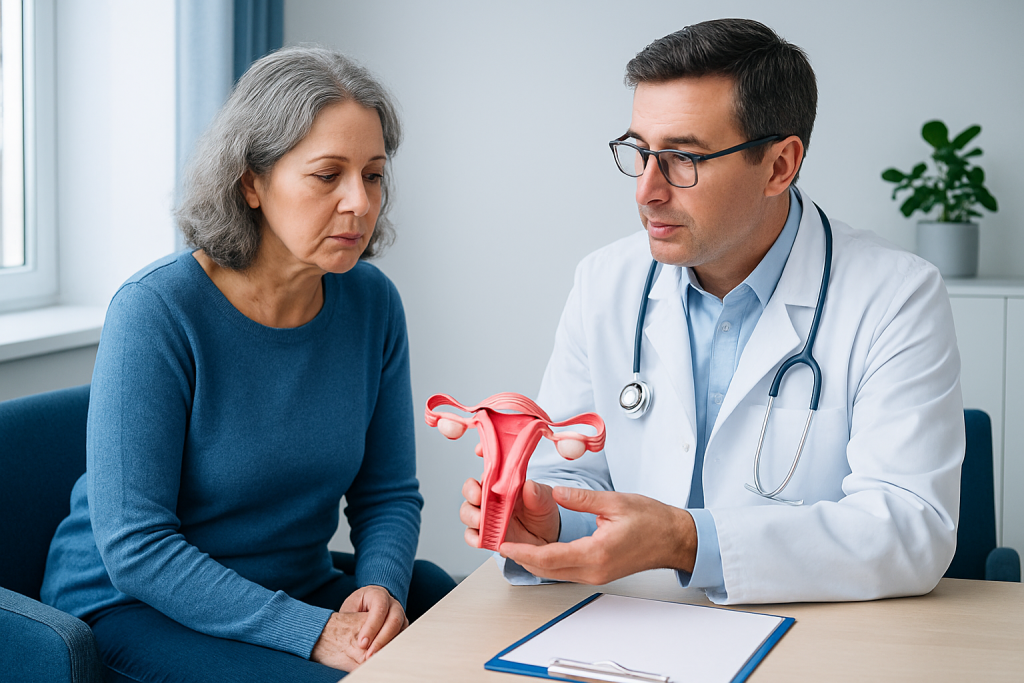
Pregnancy and vaginal childbirth are among the most common contributors, especially after multiple deliveries or a difficult birth. During pregnancy and delivery, the pelvic floor is placed under significant strain, and the supporting tissues may not recover fully.
Other factors can increase the chance of prolapse over time. These include aging, menopause-related changes in tissue strength, obesity, chronic constipation, frequent heavy lifting, and a long history of coughing from conditions such as asthma or smoking-related lung disease.
Some women have a natural tendency toward weaker connective tissues, which can make prolapse more likely. Prior pelvic surgery and family history may also play a role. In many cases, more than one factor is involved, rather than a single clear cause.
Diagnosis
Diagnosis usually starts with a conversation about symptoms, childbirth history, bowel and bladder habits, exercise routine, and any impact on daily life. This history matters because the degree of prolapse seen on examination does not always match how bothersome the symptoms feel.
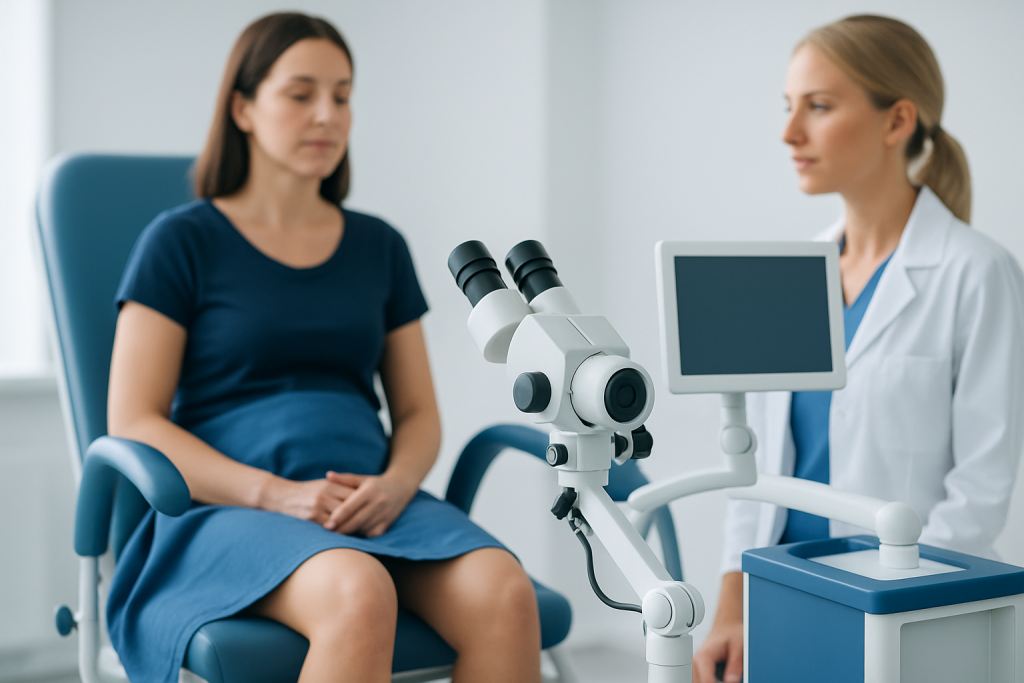
A pelvic examination is the main diagnostic step. The clinician may ask the woman to bear down gently so the extent of the prolapse can be assessed. This examination helps determine whether the uterus is involved alone or whether the bladder, rectum, or vaginal wall is also descending.
Additional tests are not always needed, but they may be used when urinary symptoms are significant, surgery is being considered, or the diagnosis is unclear. These can include urine tests, bladder studies, or imaging in selected situations. A careful assessment also helps rule out other causes of pelvic pressure or bleeding.
Treatment Options
Treatment depends on symptom severity, age, overall health, future pregnancy plans, and personal preference. Mild prolapse that causes little discomfort may be monitored, especially if the woman is able to reduce strain on the pelvic floor and manage symptoms conservatively.
Pelvic floor muscle training, often guided by a physiotherapist, can improve support and symptom control. A pessary, which is a removable device placed in the vagina, can help hold the uterus in a better position and may be a practical option for women who prefer to avoid surgery or need symptom relief while traveling or delaying treatment.
Surgery may be considered when symptoms are persistent or significant. The exact procedure varies and may aim to repair pelvic support structures, reposition the uterus, or in some cases remove the uterus if that is medically appropriate and consistent with the woman’s wishes. The surgical plan should be discussed carefully, especially for Myomectomy Recovery for International Patients: The Usual Travel Timeline" class="ahp-ilk">international patients who may need coordinated pre-operative testing and follow-up before returning home.
- Pelvic floor exercises and physiotherapy
- Pessary fitting and maintenance
- Managing constipation and chronic cough
- Surgical repair in selected cases
Prevention & Self-care
Not every prolapse can be prevented, but several habits can reduce strain on the pelvic floor or help symptoms stay manageable. Maintaining a healthy body weight, treating constipation early, and avoiding repeated heavy lifting can all make a difference.
Women are often advised to use good lifting technique, exhale during effort, and avoid holding their breath when carrying loads. If coughing is chronic, treating the underlying cause may help protect pelvic support. For women who are postpartum, pelvic floor rehabilitation can be valuable even when symptoms are mild.
Self-care should be realistic and sustainable, especially for those balancing work, caregiving, and travel. If a pessary is used, proper cleaning and scheduled follow-up are important. Any exercise plan should be adjusted to comfort level, with gradual return to activity rather than abrupt strain.
When to See a Doctor
Medical advice is appropriate when pelvic pressure, bulging, urinary changes, or bowel symptoms begin to interfere with daily life. Even if symptoms seem mild, an assessment can confirm the diagnosis and prevent unnecessary worry.
Women should seek prompt medical attention if they have vaginal bleeding after menopause, trouble passing urine, a painful bulge, recurrent infections, or a prolapse that is worsening. These symptoms do not always mean something serious, but they do deserve evaluation.
If care is being arranged from another country, it can help to gather prior surgical records, childbirth history, medication lists, and any previous imaging or exam notes. Acibadem Health Point’s multidisciplinary specialists and JCI-accredited hospitals diagnose and treat prolapsed uterus for international patients with coordinated, individualized care.
Living With Prolapse
Many women live well with a prolapsed uterus once they understand what aggravates symptoms and what helps. The condition often fluctuates: standing for long periods, constipation, or fatigue can make it more noticeable, while rest and supportive treatment may ease discomfort.
Practical planning can make everyday life easier. Some women prefer to schedule heavier tasks earlier in the day, pace lifting and exercise, or build routines around pelvic floor therapy and follow-up visits. For international patients, recovery planning should include time for rest, a clear medication or device schedule, and instructions for who to contact if symptoms change after returning home.
With the right support, most women can find a treatment path that matches their comfort, goals, and future plans. A prolapsed uterus is common, treatable, and worth discussing openly with a qualified clinician.
Frequently asked questions
01Is a prolapsed uterus the same as pelvic organ prolapse?
A prolapsed uterus is one type of pelvic organ prolapse. Pelvic organ prolapse is the broader term used when one or more pelvic organs descend because the supporting tissues have weakened.
02Can a prolapsed uterus go away on its own?
Mild symptoms may improve with pelvic floor strengthening and reduced strain, but the underlying support problem usually does not disappear completely on its own. A doctor can advise whether monitoring, a pessary, or surgery is the most suitable option.
03Does every prolapsed uterus need surgery?
No. Many women manage symptoms without surgery, especially when prolapse is mild or moderate. Surgery is usually considered when symptoms remain troublesome or when other treatments are not enough.
04Can exercise make prolapse worse?
Some activities that increase pressure in the abdomen, such as heavy lifting or high-impact exercise, may worsen symptoms in certain women. A clinician or pelvic floor physiotherapist can suggest safer ways to stay active.
05Can a woman still have children after being diagnosed?
That depends on the severity of the prolapse and the treatment chosen. Women who may want future pregnancies should discuss this early, because pregnancy and childbirth can affect support tissues and influence treatment planning.
06What is a pessary?
A pessary is a removable device placed in the vagina to help support the uterus and surrounding organs. It can be useful for symptom relief, for women who prefer non-surgical treatment, or while waiting for another procedure.
This article is for general information only and is not a substitute for professional medical advice. Please consult a qualified doctor about your individual situation.
Persistent digestive symptoms? Get evaluated in Turkey
JCI-accredited · board-certified surgeons · reply within 24h
Add us as a Preferred Source to see more of our trusted health content across Google Search, AI Overviews and Discover.