What Does a Pacemaker Look Like on the Body?

A pacemaker is a small electronic device, usually about the size of a large coin or small matchbox, implanted under the skin below the collarbone. It monitors the heart’s rhythm and sends gentle electrical signals when the heartbeat is too slow or irregular.
What does a pacemaker look like?
A pacemaker is a small, battery-powered electronic device that is placed beneath the skin, usually in the upper chest just below the collarbone. It is often described as being about the size of a large coin, a small matchbox, or a compact computer mouse, although exact dimensions vary by model and the person’s medical needs. Modern devices are generally thin, rounded at the edges, and enclosed in a smooth titanium case.
When someone asks what does a pacemaker look like on the body, the visible change is usually subtle after healing. There may be a small raised area under the skin and a short scar near the upper chest. In people with less tissue over the chest, the outline of the device can be more noticeable. In others, it may be difficult to see at all when wearing normal clothing.
A standard pacemaker has two main parts: the pulse generator, which contains the battery and electronic circuits, and thin insulated wires called leads. The leads travel through a vein into the heart, where they sense the heartbeat and deliver signals when needed. Some newer leadless pacemakers are much smaller and are placed directly inside the heart through a catheter, so there is no chest bump or visible pacemaker scar.
Can you show me what a pacemaker looks like?
Although an individual image is not included here, a conventional pacemaker can be pictured as a small, flat, rounded metal case positioned under the skin beneath the collarbone. It is not an external device and does not sit on top of the skin. Following implantation, a person may initially have a dressing over the incision; after recovery, the area typically heals into a small line-shaped scar.
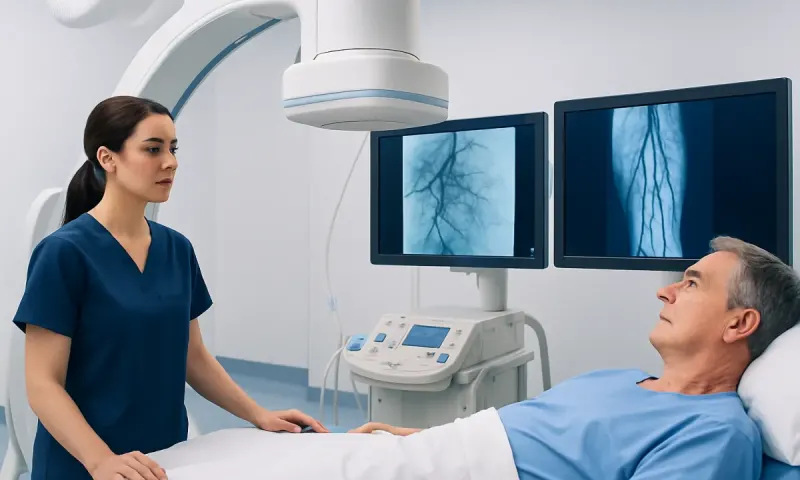
On an X-ray, the generator appears as a compact metal unit in the upper chest. One or more leads may be seen extending from it through a blood vessel toward the chambers of the heart. This is one reason chest X-rays can help clinicians check lead location after implantation.
The appearance differs for people with a leadless pacemaker. This type is a very small capsule-shaped device positioned inside the heart, usually in the right lower heart chamber. Because it does not require chest leads or a chest incision, it cannot usually be seen as a lump on the outside of the body.
What does a pacemaker do and how does it work?
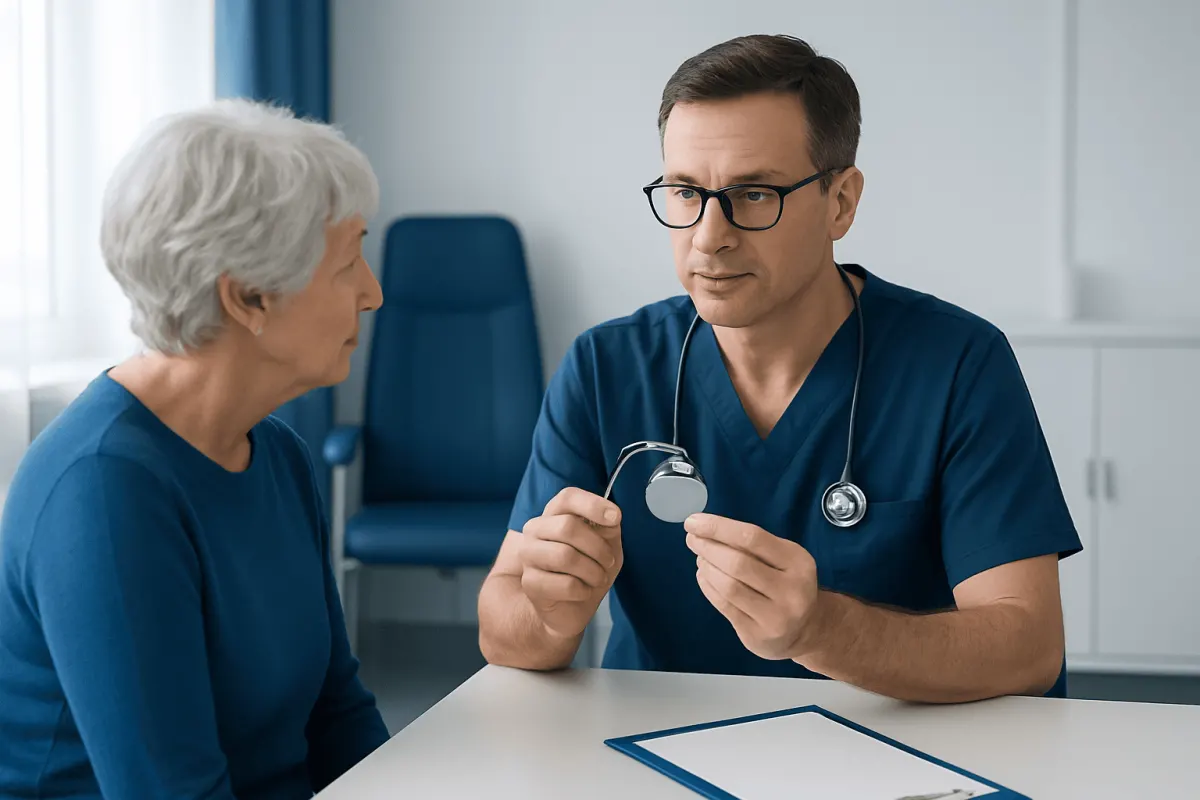
A pacemaker helps prevent the heart from beating too slowly or pausing for too long. It continuously monitors the heart’s natural electrical activity. If the device detects that the rate is below a programmed level, it can send a tiny electrical impulse to encourage a normal heartbeat. Most people do not feel these impulses.
Pacemakers are used for several rhythm problems, especially bradycardia, which means an abnormally slow heart rate. They may also be recommended when the heart’s electrical signals are blocked or do not travel properly between its upper and lower chambers. The exact type of device and its settings are tailored to the individual rhythm condition.
Some devices coordinate the pumping action of different heart chambers. These are called cardiac resynchronization therapy devices and may be considered for selected people with heart failure and electrical conduction problems. A cardiology assessment can clarify whether a rhythm issue requires observation, medicines, a pacemaker, or another treatment such as cardiac ablation.
- Sensing: the pacemaker detects the person’s own heartbeat.
- Decision-making: it compares the rhythm with programmed settings.
- Pacing: it sends an electrical signal only when support is needed.
- Recording: it stores information that clinicians can review during follow-up.
Is getting a pacemaker very serious?
Receiving a pacemaker is a significant medical decision because it involves an implanted device and long-term cardiac follow-up. However, pacemaker implantation is also a well-established procedure that is routinely performed to treat rhythm disorders that can cause tiredness, dizziness, fainting, breathlessness, or reduced exercise tolerance. For many people, the purpose is to improve safety and quality of life by preventing an excessively slow heartbeat.
The underlying reason for needing a pacemaker may be serious, particularly if a person has repeated fainting or a major electrical conduction problem. Even so, needing a pacemaker does not automatically mean the heart muscle is weak or that a person has had a heart attack. The outlook depends on the person’s overall heart health, other medical conditions, and the rhythm problem being treated.
As with any procedure, there are possible risks, including bleeding, infection, bruising, movement of a lead, or rarely injury to a nearby lung or blood vessel. The cardiology team discusses these risks and the expected benefits before treatment. A slow heartbeat can sometimes be linked to heart block, a condition in which electrical signals do not pass through the heart normally.
How many hours does it take for pacemaker surgery?
Standard pacemaker implantation commonly takes about one to two hours, though the timing can vary. A more complex device, the need for additional leads, or individual medical circumstances may make the procedure longer. Preparation before the procedure and observation afterward add additional time to the overall hospital visit.
The procedure is usually performed in a cardiac catheterization laboratory or operating room. Local anesthetic is commonly used to numb the implantation area, often together with medication that helps the person relax. The person is awake or lightly sedated in many cases, but the anaesthesia plan is individualized.
During the procedure, the cardiologist makes a small incision below the collarbone, places the lead or leads through a vein into the heart, and tests their function. The pulse generator is then connected and placed in a small pocket under the skin. The incision is closed and covered with a dressing.
Some people return home the same day or after an overnight stay, depending on the device, their health, and local clinical practice. The team will provide instructions about wound care, activity, arm movement, medicines, and the first device check.
Recovery, daily life, and follow-up after implantation
It is common to have mild soreness, bruising, or swelling around the incision for a short time after pacemaker surgery. The site should be kept clean and monitored according to the care team’s instructions. People are generally advised to avoid strenuous upper-body activity and heavy lifting on the implant side during the initial healing period, so that the leads can settle securely.
Pacemaker follow-up is an important part of care. During appointments, specialists check the battery, leads, stored rhythm information, and programmed settings. Many devices can also send information remotely to the clinic. Battery life differs by device type and how often pacing is required, but the generator can usually be replaced through a planned procedure when the battery becomes low.
Most everyday household devices are safe to use. It is sensible to keep strong magnets and certain electrical equipment away from the pacemaker site, and to follow device-specific advice about mobile phones, security systems, workplace equipment, and medical scans. The person should tell healthcare professionals, including dentists and imaging teams, that they have a pacemaker before procedures.
Acıbadem Health Point’s multidisciplinary cardiology specialists and JCI-accredited hospitals assess heart rhythm conditions and provide pacemaker care for international patients, including follow-up planning where appropriate.
What is the life expectancy after having a pacemaker put in?
A pacemaker itself is designed to support a safe heart rate; it does not set a fixed life expectancy. Many people live for many years after implantation and continue with work, travel, family life, and appropriate exercise. The person’s outlook is influenced more by the reason the pacemaker was needed and by overall health than by the presence of the device alone.
For example, someone whose main issue is a slow heart rhythm and who has otherwise healthy heart function may have a different outlook from someone with advanced heart disease, heart failure, or multiple long-term health conditions. A pacemaker can reduce symptoms and help prevent problems caused by slow rhythms, but it does not treat every type of heart disease.
Regular clinical review helps ensure that the device is functioning properly and that related heart conditions are managed. People should discuss their individual prognosis with their cardiologist, who can consider heart function, rhythm history, test results, medications, and other health factors.
When to seek medical care
Anyone who has unexplained fainting, repeated near-fainting, persistent dizziness, unusual fatigue, palpitations, chest discomfort, or breathlessness should seek medical evaluation. These symptoms can have many causes, and a clinician may use an electrocardiogram, heart monitor, blood tests, or imaging to identify whether a heart rhythm issue is involved.
After pacemaker implantation, prompt medical advice is needed for increasing redness, warmth, drainage, worsening pain, marked swelling, fever, or opening of the incision. Urgent assessment is also appropriate for fainting, severe shortness of breath, chest pain, or symptoms suggesting that the heartbeat is unusually slow or fast.
Emergency services should be contacted for severe chest pain, sudden collapse, severe breathing difficulty, or signs of stroke such as facial drooping, arm weakness, or new speech difficulty. A person with a pacemaker should continue attending scheduled device checks even if they feel well.
Frequently asked questions
01What does a pacemaker look like and how big is it?
A traditional pacemaker is a small, flat, rounded metal device placed beneath the skin in the upper chest. Its size varies, but many modern devices are roughly comparable to a large coin or small matchbox. The device may create a small bump under the skin after the incision heals.
02Will a pacemaker be visible through the skin?
It can be visible as a mild outline or raised area, especially in people with a thinner chest wall. In many people, it is only subtly noticeable and is covered by normal clothing. The visibility also depends on the device’s placement and the person’s body shape.
03Can a person feel a pacemaker working?
Most people do not feel the electrical pacing signals. They may notice improved energy, fewer dizzy episodes, or less fainting if a slow rhythm had been causing symptoms. New palpitations, persistent discomfort, or unusual symptoms should be discussed with the care team.
04Is a pacemaker the same as a defibrillator?
No. A pacemaker primarily supports a heartbeat that is too slow or irregular by sending small electrical signals. An implantable cardioverter-defibrillator, or ICD, can also treat certain dangerously fast rhythms by delivering stronger therapies when necessary; some devices combine pacing and defibrillation functions.
05Can someone exercise after receiving a pacemaker?
Many people can return to regular physical activity after healing and after receiving clearance from their cardiology team. The early recovery period often includes temporary restrictions on heavy lifting and vigorous shoulder movement on the side of the implant. The suitable type and intensity of exercise depend on the heart condition and overall health.
06How often does a pacemaker need to be checked?
The check-up schedule varies by device and individual needs, but ongoing monitoring is essential. Some checks take place in clinic, while many modern devices can also be monitored remotely. The cardiology team will explain when appointments are needed and when the battery may eventually require generator replacement.
This article is for general information only and is not a substitute for professional medical advice. Please consult a qualified doctor about your individual situation.
Explore treatments in Turkey — costs, top hospitals & a free quote
JCI-accredited · board-certified surgeons · reply within 24h
Add us as a Preferred Source to see more of our trusted health content across Google Search, AI Overviews and Discover.