Home Care After Pacemaker Surgery: Recovery and Safety
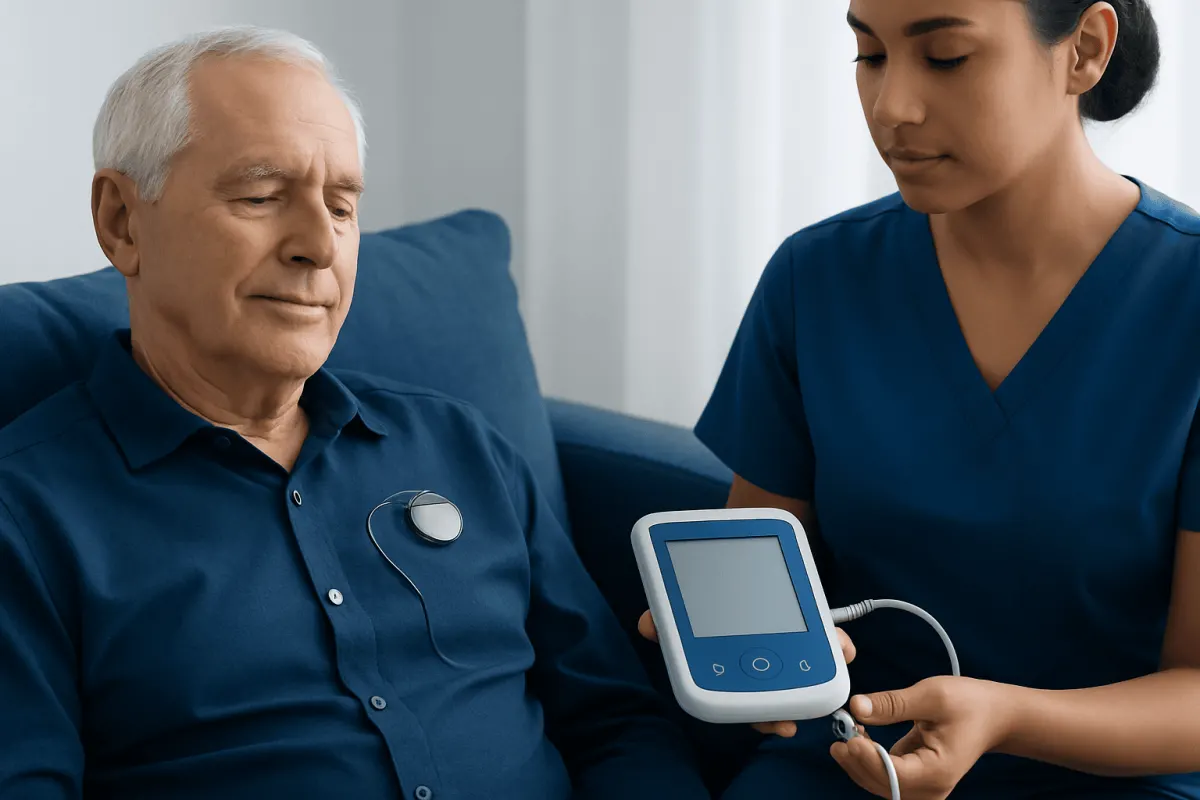
Home care after pacemaker surgery focuses on keeping the incision clean and dry, protecting the shoulder and arm on the implant side while leads settle, and following scheduled device checks. Most people return home within a day, but recovery needs and restrictions vary with the type of pacemaker, overall health, and reason for implantation.
What Is Home Care After Pacemaker Surgery?
Home care after pacemaker surgery means protecting the newly implanted device and incision while the body heals. It generally includes following wound-care instructions, avoiding heavy lifting and repetitive overhead movements on the implant side for a period recommended by the cardiology team, taking prescribed medicines correctly, and attending pacemaker checks.
A pacemaker is a small electronic device placed beneath the skin, usually below the collarbone. It monitors the heart rhythm and sends electrical signals when the heart is beating too slowly or irregularly. The device may have one or more leads that travel through a vein into the heart, although some people receive a leadless pacemaker placed inside the heart through a catheter.
Discharge instructions should always take priority because restrictions can differ according to the device, implantation approach, medical conditions, and whether the person has had complications. It is helpful for a family member or caregiver to review the instructions as well, especially during the first few days at home.
Who May Need a Pacemaker and How It Works
A pacemaker may be recommended when the heart rhythm is too slow, pauses for too long, or does not reliably support normal circulation. Common reasons include sinus node dysfunction, certain types of heart block, and rhythm problems that cause symptoms such as fainting, dizziness, fatigue, or shortness of breath. In some cases, a pacemaker allows treatment with medicines that might otherwise slow the heart excessively.
Before implantation, a cardiologist considers symptoms, electrocardiogram findings, ambulatory rhythm monitoring, blood tests, heart structure, current medicines, and the person’s daily needs. Not everyone with a slow pulse needs a pacemaker; the decision is based on the type of rhythm problem and whether it is linked with symptoms or risk.
The generator contains a battery and computer circuitry. In a traditional system, thin insulated leads connect the generator to the heart and deliver pacing signals when needed. The device can be programmed and checked externally during follow-up visits, allowing clinicians to tailor settings without another operation.
For people with slow heart rhythms, pacemaker implantation can reduce symptoms related to inadequate heart rate and help support a safer, more reliable rhythm. The expected benefit depends on the underlying heart condition and should be discussed individually with the treating cardiologist.
Pacemaker Implant Procedure: Step by Step

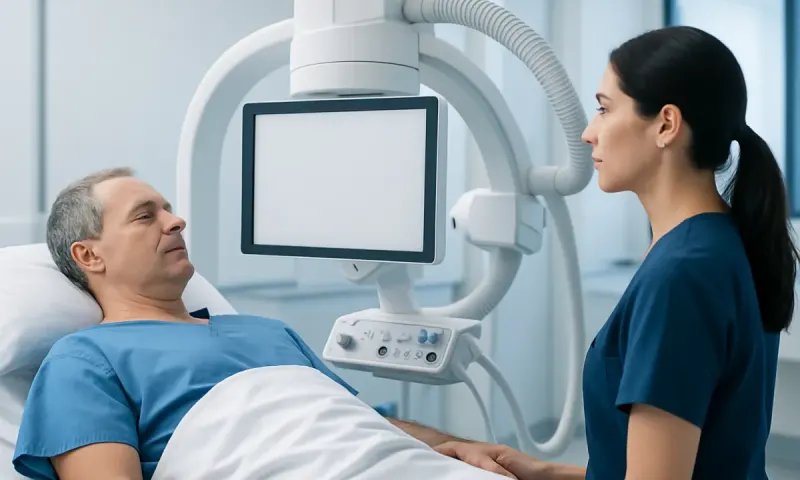
Pacemaker implantation is commonly performed in a cardiac catheterization or electrophysiology laboratory. The patient receives local anesthetic to numb the implant area and may receive medication to promote relaxation. General anesthesia is not usually necessary for a standard implant, although this can vary.
After the skin is cleaned and covered with sterile drapes, the clinician makes a small incision, most often below the collarbone. For a conventional pacemaker, leads are guided through a nearby vein into the heart using X-ray imaging. The team tests their position and electrical function before connecting them to the generator.
The generator is placed in a small pocket under the skin, the incision is closed, and a dressing is applied. A chest X-ray, electrocardiogram, or device check may be performed afterward to confirm lead position and pacemaker function. The person is observed while the team monitors the heart rhythm, blood pressure, comfort, and wound site.
Leadless pacemakers are inserted through a vein in the groin and attached directly inside the heart. Their home-care instructions differ in some respects because there is no chest incision, but activity advice and follow-up requirements remain important.
Recovery Timeline and Everyday Home Care
Many people can sit up, eat, and walk with assistance within hours after a routine implant. Mild soreness, bruising, or tightness around the incision is common in the first several days. The care team may recommend simple pain relief that is appropriate for the person’s medical history and current medicines.
For the first week or two, the incision should be kept clean and protected according to the discharge plan. Some dressings can be removed after a specified time, while others need to stay in place longer. Showering, bathing, swimming, and applying creams or powders near the incision should only be resumed when the clinical team says it is safe. The site should not be rubbed, picked, or exposed to direct pressure.
During the first several weeks, people are commonly advised not to lift heavy objects and not to repeatedly raise the arm on the pacemaker side high above shoulder level. Gentle use of the arm for ordinary daily activities is often encouraged to avoid stiffness, but a sling should not be used routinely unless specifically prescribed. Driving restrictions vary by local law, reason for implantation, and whether the person had fainting before surgery.
Energy levels often improve gradually over days to weeks, particularly if slow heart rhythm was causing fatigue. Follow-up usually includes an early wound review and device interrogation, followed by ongoing clinic or remote monitoring. The pacemaker identification card should be carried, and all healthcare professionals should be told about the device before tests or procedures.
- Rest when tired, but take short walks if the care team permits.
- Take medicines exactly as prescribed and do not stop heart medicines without medical advice.
- Wear loose clothing that does not rub the incision.
- Attend all pacemaker and wound follow-up appointments.
- Ask before returning to gym exercise, contact sports, heavy work, or swimming.
Common Questions About Life After a Pacemaker
How long after pacemaker surgery can I go home? Many patients go home the same day or after an overnight stay once the device has been checked, the incision is stable, and there are no concerning rhythm or procedural issues. Some people need longer observation because of other health conditions, a more complex implant, medication adjustments, or complications. A responsible adult may be needed to accompany the patient home and help during the first night.
How to wear a bra with a pacemaker? In the early healing period, a soft, supportive bra that does not press directly on the incision is often most comfortable. A front-closing style may reduce the need to stretch the arm on the implant side. If a strap, underwire, or seam rubs the wound or device pocket, it should be adjusted or avoided until healing is complete; the care team can advise if discomfort persists.
Can I use a cell phone after pacemaker surgery? Yes, most people can use a cell phone. To reduce the small possibility of electromagnetic interference, the phone should be kept at least about 15 centimeters, or 6 inches, away from the pacemaker and should not be carried in a shirt or jacket pocket directly over the device. Using the phone on the ear opposite the pacemaker is a practical additional precaution. Device-specific advice from the manufacturer and cardiology team should be followed.
What can you not eat after a pacemaker implant? A pacemaker itself does not usually require foods to be avoided. A balanced eating pattern that supports heart health may be recommended, with attention to salt, saturated fat, alcohol, fluid intake, or vitamin K only when relevant to a person’s heart condition or medications. If sedating medicines, nausea, diabetes, kidney disease, heart failure, or blood-thinning medicines are involved, individualized dietary guidance is important.
Benefits, Risks, and When to Seek Medical Care
The main benefit of a pacemaker is that it can prevent or correct an excessively slow heart rate and improve symptoms caused by certain rhythm disorders. Many people notice better stamina, less dizziness, or fewer fainting episodes once the device is appropriately programmed. A pacemaker does not treat every cause of palpitations, chest discomfort, or breathlessness, so ongoing cardiac care remains important.
Pacemaker implantation is a commonly performed procedure, but it has potential risks. These include bleeding or bruising, infection, lead movement, blood vessel injury, collapsed lung, blood clots, and device malfunction. Serious complications are uncommon, but the individual risk depends on age, health conditions, medications, and the complexity of the procedure.
When to seek medical care: The cardiology team should be contacted promptly for increasing redness, warmth, swelling, pain, drainage, foul odor, or opening of the incision; fever or chills; swelling of the arm on the implant side; persistent hiccups or twitching; new dizziness; or a return of symptoms that occurred before the implant. Emergency care is appropriate for severe chest pain, severe shortness of breath, fainting, uncontrolled bleeding, or signs of a severe allergic reaction.
Acıbadem Health Point’s multidisciplinary specialists and JCI-accredited hospitals support international patients who need assessment, pacemaker implantation, and follow-up planning. Patients should seek personalized advice from their cardiologist for any concern during recovery.
Long-Term Device Care and Safety
After the initial healing period, most people can return to work, travel, exercise, and usual household activities with their clinician’s approval. The pace of return depends on the job, physical demands, heart condition, and recovery course. Contact sports or activities that could cause a direct blow to the device area may require specific precautions.
Security systems, household appliances, and most electronic devices are generally safe when used normally. People with a pacemaker should show their device card at airport security and avoid lingering near security equipment if instructed. Strong magnetic fields and certain industrial equipment may affect device function, so the pacemaker clinic should be consulted before exposure to powerful magnets, welding equipment, or some medical procedures.
Magnetic resonance imaging may be possible with MRI-conditional pacemaker systems when a specialized protocol is used. However, MRI should never be arranged without informing the radiology and cardiology teams about the implanted device. Dental care, surgery, and other treatments may also require precautions or coordination with the pacemaker team.
Regular device monitoring helps clinicians assess battery status, lead performance, and stored rhythm information. Pacemaker batteries commonly last for years, but replacement timing is determined by device checks rather than symptoms alone. When battery replacement is needed, the generator is usually changed through a planned procedure while existing leads may remain in place if functioning well.
Frequently asked questions
01How should the pacemaker incision be cared for at home?
The incision should be kept clean, dry, and protected according to the specific discharge instructions. Patients should avoid rubbing the area, applying products unless advised, or soaking the wound in a bath or pool before it has healed. Increasing redness, drainage, swelling, or worsening pain should be reported promptly.
02How long should I limit lifting and arm movement after pacemaker surgery?
Restrictions vary, but many patients are asked to avoid heavy lifting and repeated overhead reaching with the arm on the implant side for several weeks. Normal gentle arm movement is often appropriate and can help prevent shoulder stiffness. The implanting team should give the exact timeframe based on the device and procedure.
03Can I sleep on the side of my pacemaker after surgery?
Sleeping on the opposite side may be more comfortable during the first days or weeks because the implant area can be tender. Once the incision is healed and pressure is no longer uncomfortable, many people can return to their preferred sleeping position. Persistent pain or swelling should be discussed with a clinician.
04Can I travel after getting a pacemaker?
Travel may be possible once the patient feels well and the early follow-up plan is in place, but timing should be confirmed with the cardiology team. Patients should carry their pacemaker identification card and a list of medicines. Long trips may require planning for medicines, follow-up, and access to medical care.
05Will I feel the pacemaker working?
Most people do not feel ordinary pacing impulses. Some may notice changes in energy or fewer symptoms once the heart rate is supported. Palpitations, repeated twitching, dizziness, or symptoms similar to those before implantation should be reported to the pacemaker clinic.
06When can I exercise after pacemaker implantation?
Walking and light activity are often resumed gradually soon after discharge if the care team approves. More strenuous exercise, swimming, weight training, and activities involving strong shoulder movements should wait until the incision and leads have healed. A clinician can provide a safe, individualized return-to-exercise plan.
This article is for general information only and is not a substitute for professional medical advice. Please consult a qualified doctor about your individual situation.
Joint and spine care in Turkey — expert assessment & treatment
JCI-accredited · board-certified surgeons · reply within 24h
Add us as a Preferred Source to see more of our trusted health content across Google Search, AI Overviews and Discover.